
Choosing the right motorcycle silencer depends on balancing your budget, desired sound profile, performance goals, and local noise regulations. Whether you are looking to replace a damaged part or upgrade your bike’s aesthetics and flow, the decision generally narrows down to three main paths: stock replacements, aftermarket slip-ons, and full exhaust systems. This guide will help you diagnose your riding needs and match them to the correct silencer type while keeping safety and legal compliance in mind.
Assess Your Current Exhaust and Riding Goals
Before browsing online marketplaces or visiting local motorcycle shops, evaluate your baseline setup and define what you actually want to change. Many riders seek modifications without a clear objective, leading to mismatched components that can degrade engine performance. Start by identifying your primary pain points with the current setup. Are you looking to shed excess weight from a heavy factory muffler, alter the exhaust note, or simply replace a rusted or damaged component?
Your primary riding environment should dictate your choice. A daily commuter navigating congested metropolitan streets has vastly different requirements than a weekend rider exploring mountain passes or a track enthusiast seeking every fraction of horsepower. Commuting in stop-and-go traffic demands a setup that manages heat effectively and keeps noise levels respectful, whereas closed-circuit riding allows for freer-flowing, louder configurations.
Products mentioned in this guide
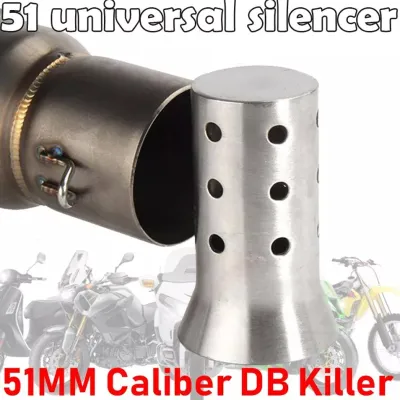
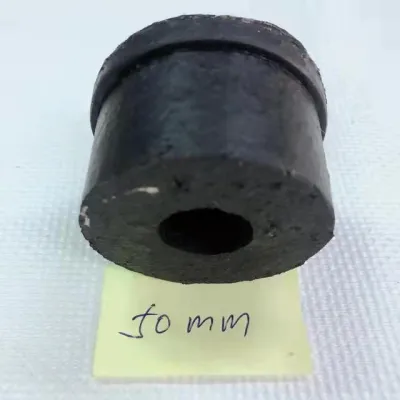
Prices are valid at publication and may change. Please refer to the product page for the latest price.
Before purchasing any aftermarket component, physically inspect your motorcycle’s existing exhaust layout. Check the mounting points on the frame, measure the clearance around the swingarm and rear footpegs, and locate any integrated sensors, such as the oxygen (O2) sensor. Aftermarket silencers must align perfectly with these factory locations to prevent exhaust leaks or structural stress. If your motorcycle uses a complex sensor array, any modification must preserve these connections to avoid triggering engine warning lights or disrupting the fuel-injection system.
Understanding the Three Main Silencer Types
Selecting the correct exhaust component requires a clear understanding of how different silencer designs function. The market is broadly divided into three categories, each offering distinct levels of modification, cost, and installation complexity.

Stock Replacement Silencers
Stock replacement silencers are original equipment manufacturer (OEM) parts or direct equivalent components designed to replicate the factory-installed exhaust. This option is highly suitable for riders who need to restore a damaged exhaust system, pass strict vehicle inspections, or maintain the motorcycle’s factory warranty conditions.
These silencers match the original sound profiles, weight, and backpressure characteristics engineered by the motorcycle manufacturer. Because they conform exactly to factory specifications, they do not require any adjustments to the engine’s fuel mapping or ignition timing. When selecting a stock replacement, always verify the exact vehicle model, manufacturing year, and engine displacement on the manufacturer’s official documentation to ensure a precise fit.
Aftermarket Slip-On Silencers
Aftermarket slip-on silencers, often referred to as mufflers, replace only the rear canister portion of the exhaust system while retaining the factory header pipes and mid-pipe. This is a popular choice for riders seeking aesthetic upgrades, weight reduction, and moderate changes to the exhaust note without undergoing extensive mechanical modifications.
Because slip-ons preserve the original header routing, they generally offer a straightforward installation process and are more budget-friendly than complete systems. They are available in various materials, including stainless steel, aluminum, carbon fiber, and titanium, each offering different thermal properties and weight savings. Before purchasing, check the product manual to confirm if the specific slip-on requires a fuel controller or an ECU flash, as some high-flow designs can lean out the fuel mixture even when retaining factory headers.
Full Exhaust Systems
A full exhaust system involves replacing the entire exhaust routing from the engine block’s exhaust ports down to the tailpipe. This comprehensive upgrade replaces the factory headers, mid-pipes, and the silencer canister, fundamentally altering the exhaust gas velocity, backpressure, and thermal dynamics of the motorcycle.
Riders choose full systems for maximum weight reduction, significant performance tuning potential, and a complete transformation of the motorcycle’s sound and power delivery. However, because a full system drastically changes how air flows through the engine, it almost always requires mandatory fuel system tuning, such as an ECU remap or an aftermarket fuel controller, to prevent engine damage from running too lean. You must also ensure that all original heat shields, fairing clearances, and mounting brackets are properly addressed during installation.
Matching Silencer Types to Your Riding Profile
To make an informed decision, you must map your self-assessed goals and riding habits to the appropriate silencer category while keeping your budget in mind.
Daily commuters who ride through densely populated residential areas and busy commercial zones should prioritize stock replacements or quiet, baffled slip-on silencers. Excessive exhaust noise can lead to rider fatigue over long distances, contribute to environmental noise pollution, and attract unwanted attention from law enforcement. A quiet, compliant silencer ensures a stress-free daily commute while maintaining positive community relations.
Weekend enthusiasts who enjoy leisure rides on open highways or winding scenic routes often find that aftermarket slip-ons offer the most practical balance. They provide a more pronounced, characterful exhaust note and a sportier appearance without the high cost and installation complexity of a full system. Slip-ons allow you to personalize your motorcycle while keeping the modification easily reversible if you decide to sell the bike later.
Performance-focused riders and track day participants are the primary candidates for full exhaust systems. These systems unlock the engine’s full potential by optimizing exhaust gas scavenging, but they only deliver these benefits when paired with professional dyno tuning and precise fuel mapping. If you choose this path, you must factor in the additional costs of professional installation, new exhaust port gaskets, and potential sensor extension cables.
Budget considerations play a significant role in this decision. Basic slip-on silencers are relatively affordable, costing a few thousand Pesos (₱), making them an accessible upgrade for most riders. In contrast, premium full exhaust systems fabricated from high-grade materials can cost tens of thousands of Pesos (₱). When budgeting for a full system, always include the cost of the mandatory ECU tuning and professional labor, as skipping these steps can result in poor performance or severe engine wear.
Legal, Safety, and Installation Checks in the Philippines
Operating a motorcycle in the Philippines requires strict adherence to local road safety and environmental standards. Before purchasing or installing any aftermarket silencer, you must verify current Land Transportation Office (LTO) regulations and local municipal ordinances regarding exhaust modifications. Many cities enforce strict decibel limits and prohibit the use of open pipes or silencers without functional baffles or decibel killers. Ensuring your chosen silencer complies with these noise limits prevents costly fines and confiscation at roadside checkpoints.
The tropical climate and high humidity of the Philippines place unique demands on motorcycle components. Stop-and-go traffic in intense heat causes exhaust systems to reach extreme temperatures rapidly. When installing an aftermarket silencer, verify that the canister and exposed piping do not come into contact with adjacent plastic fairings, electrical wiring, or fuel lines. Ensure that all factory heat shields are either retained or replaced with high-quality aftermarket equivalents to protect your legs and prevent heat damage to the motorcycle’s bodywork.
Safety must remain your primary concern during the installation process. Always refer to your motorcycle’s original service manual for torque specifications and routing instructions. If you encounter misaligned mounting points, if the oxygen sensor threads do not match, or if structural modifications to the frame seem necessary, stop immediately and consult a qualified mechanic. Never force components into place or modify structural frame members, as this can compromise the motorcycle’s structural integrity and riding safety.
Frequently Asked Questions (FAQ)
Will a slip-on silencer void my motorcycle's warranty?
Warranty coverage depends on your motorcycle manufacturer’s specific policies and the terms set by your local dealer. Generally, installing an aftermarket slip-on silencer does not automatically void the entire vehicle warranty; however, if the modification directly causes or contributes to an engine, electrical, or structural failure, the dealer may deny warranty claims related to those specific components. To protect your investment, always read your owner’s manual carefully and consult your authorized dealer before performing any modifications.
Do I need to remap the ECU when changing the silencer?
Whether you need to remap your ECU depends on the extent of the exhaust modification and your motorcycle’s fuel system. Most basic slip-on silencers do not strictly require an ECU remap because they retain the factory headers and catalytic converter, keeping air-fuel ratios within safe operating limits. However, installing a full exhaust system drastically increases airflow and requires professional tuning to prevent the engine from running dangerously lean. Always follow the exhaust manufacturer’s specific instructions for your exact motorcycle model to ensure optimal performance and engine longevity.
Community discussion
Share your experience or ask a question. Comments are reviewed before publication.