
Selecting the ideal motorcycle top box in the Philippines requires balancing your vehicle’s structural weight limits, your daily riding environment, and the demands of a tropical climate. A top box is one of the most practical accessories you can install, but finding the right fit is not merely a matter of choosing the largest container available. The ideal selection requires a careful match between the box’s volume, material, and mounting system and your specific motorcycle model and riding habits.
In the Philippines, where daily commutes often involve tight lane-filtering through heavy urban traffic and weekend trips require navigating sudden monsoon downpours along provincial highways, your choice of luggage directly impacts your safety, comfort, and cargo security. Understanding how a rear-mounted load alters your motorcycle’s dynamics is the first step toward making an informed purchase that enhances, rather than compromises, your riding experience.
Assess Your Motorcycle's Compatibility and Weight Limits
Before purchasing a motorcycle top box, your first step must always be to verify your vehicle’s structural capacity. Every motorcycle and scooter has a maximum payload limit set by the manufacturer, which is detailed in your owner’s manual. This limit represents the total weight the bike can safely carry, including the rider, passenger, installed accessories, and all cargo.
Products mentioned in this guide
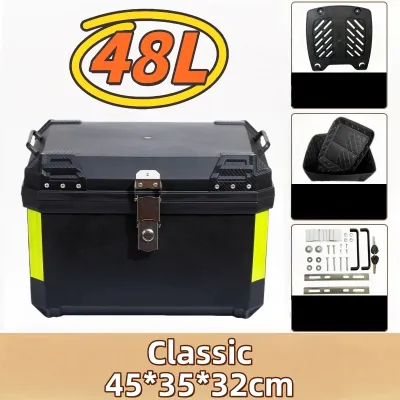
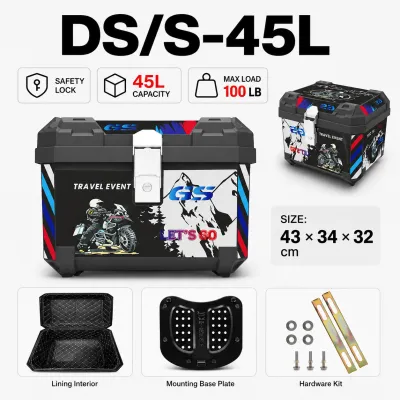
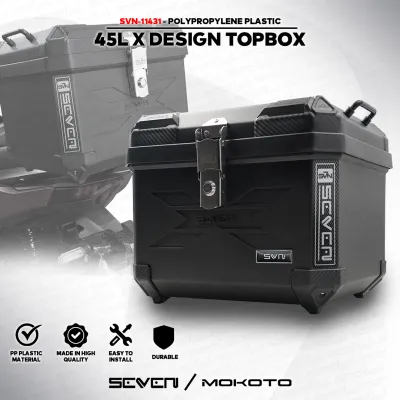
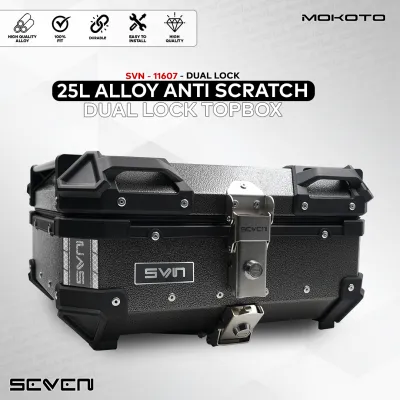
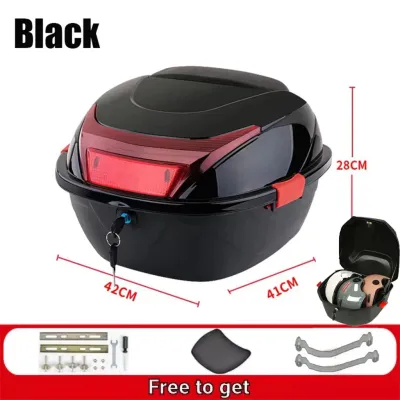
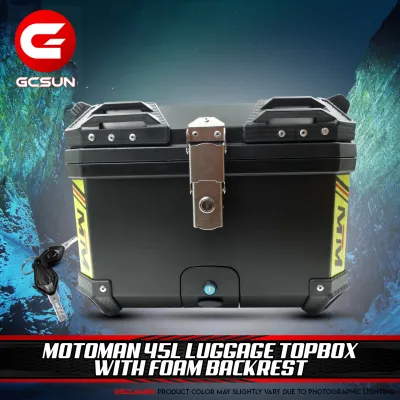
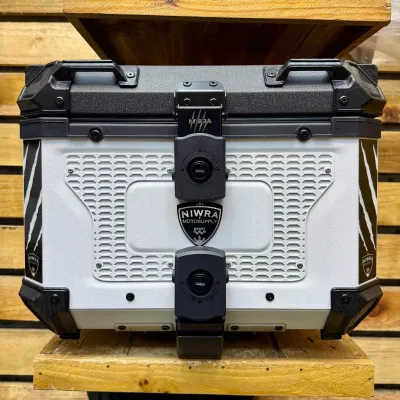
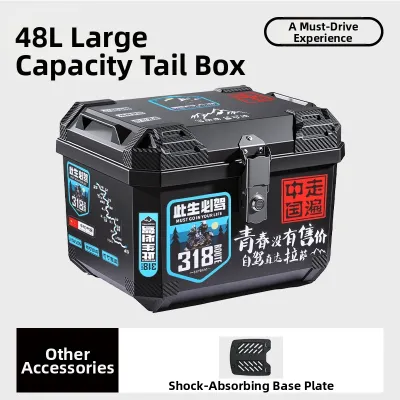
Prices are valid at publication and may change. Please refer to the product page for the latest price.
Crucially, you must distinguish between the overall payload capacity of the motorcycle and the specific weight limit of the rear subframe or rack. The rear section of a motorcycle’s frame, known as the subframe, is often not designed to support heavy cantilevered loads. Many standard commuter scooters and underbone motorcycles have rear rack weight limits of only 3 to 5 kilograms.
Exceeding these limits poses severe safety risks. When you overload the rear of the motorcycle, the center of gravity shifts dramatically backward and upward. This shift can cause the front wheel to lose traction, leading to “light” steering, unstable handling at high speeds, and a higher risk of dangerous front-wheel wobbles. Additionally, excessive rear weight can cause the rear suspension to bottom out, reduce braking efficiency, and put immense stress on the subframe welds, potentially leading to sudden structural failure.
To determine your usable cargo weight, you must perform a simple calculation. Add the weight of the empty top box itself to the weight of the mounting plate and bracket system. Subtract this combined weight from the maximum load rating of your rear rack. The remaining figure is the maximum weight of the cargo you can safely pack inside the box. For example, if your rack has a 5 kg limit and your aluminum top box and plate weigh 3.5 kg, you can only safely carry 1.5 kg of actual cargo.
Your existing hardware interface also dictates your options. Factory-installed grab rails are rarely designed to support a top box directly and may crack under the constant vibration of riding. Instead, you will need a dedicated aftermarket carrier rack. These racks are generally categorized into light-duty brackets (often made of thin steel tubing) and heavy-duty carrier racks (constructed from solid steel bars or reinforced cast aluminum). Always verify that the aftermarket rack is specifically designed for your motorcycle’s exact make, model, and manufacturing year.
Match the Motorcycle Top Box Category to Your Riding Style
Identifying the most suitable top box category based on your primary use case prevents you from purchasing a model that is either too bulky for daily city riding or too small for long-distance travel.

Daily City Commuting and Delivery Runs
For riders navigating the daily grind of urban areas like Metro Manila, Metro Cebu, or Davao, agility and practicality are paramount. A medium-capacity motorcycle top box, ranging from approximately 30 liters to 45 liters, is typically the most balanced choice for daily commuting. This size range provides sufficient space to store a single full-face helmet or two standard open-face helmets, along with essential rain gear, without making the motorcycle excessively wide or back-heavy.
In congested city traffic, lane-filtering is a necessary skill to bypass gridlock. A top box with a slim, aerodynamic profile ensures that the rear of your motorcycle does not protrude past the width of your handlebars. This minimizes the risk of accidentally clipping car side mirrors, scraping against concrete barriers, or snagging on pedestrians in tight alleyways. Keeping the box’s width within the lateral footprint of your bike preserves your ability to filter safely and confidently.
Security is another critical concern during short errands or daily commutes. Urban riding involves frequent stops where the motorcycle is left unattended in public parking spaces or street sides. An integrated locking system with robust metal latches is essential to deter opportunistic theft. Look for boxes with double-locking mechanisms that secure both the lid to the box and the box to the mounting plate with a single key turn.
Additionally, a quick-release mounting system is highly beneficial for city riders. This feature allows you to detach the entire top box from the mounting plate in seconds, transforming it into a portable suitcase. If you must park your motorcycle in an insecure or unmonitored area, you can easily carry your top box and valuables with you, eliminating the risk of someone tampering with the lock or prying the box open.
Long-Distance Touring and Weekend Getaways
If your riding style leans toward long-distance touring, provincial road trips, or weekend getaways across regions, your storage requirements change dramatically. For these journeys, large-capacity hard boxes of 45 liters and above are highly recommended. These spacious boxes can easily accommodate a full-face helmet, a riding jacket, riding pants, and overnight personal gear, keeping your belongings organized and protected from the elements.
Long hours in the saddle can be physically demanding, especially if you regularly ride with a pillion passenger. When selecting a touring top box, consider options that feature or can be fitted with a built-in passenger backrest. These padded accessories attach directly to the front face of the top box, providing your passenger with comfortable support and reducing fatigue during extended highway stretches.
High-speed highway riding exposes your motorcycle to intense wind resistance and aerodynamic drag. Touring-focused top boxes often feature rounded, aerodynamic contours designed to channel airflow smoothly around the rear of the bike. This shaping minimizes high-speed buffeting, which can cause the front end of the motorcycle to feel light or unstable, and helps maintain your fuel efficiency during long-distance travel.
Furthermore, premium touring boxes often include advanced convenience features that make packing and unpacking effortless. Internal fabric linings or padded cargo nets help prevent your electronics and gear from rattling against the hard walls of the box. Gas struts or lid-stay straps are also incredibly useful, as they keep the heavy lid open hands-free while you organize your luggage on the side of the road.
Hard Shell vs. Soft Luggage for Philippine Weather and Roads
Selecting the right material for your motorcycle top box requires evaluating how different constructions handle the unique climate and road conditions of the Philippines. Riders must choose between rigid hard-shell boxes and flexible soft luggage systems, each offering distinct advantages and trade-offs.
Hard-shell top boxes are typically constructed from ABS plastic, polycarbonate, or heavy-duty aluminum. These materials offer superior security against theft, as they cannot be easily slashed or pried open with basic hand tools. Hard shells also provide rigid waterproofing, ensuring that water cannot seep through the body of the box even during torrential monsoon rains. Additionally, cleaning a hard-shell box is incredibly simple; after riding through muddy provincial roads or flooded city streets, you can quickly spray the exterior clean with water. However, hard shells are inherently heavier, bulkier, and can crack or dent under extreme impacts or during a tip-over.
Soft luggage, made from waterproof tarpaulin, heavy-duty nylon, or Cordura, offers a lighter and more flexible alternative. These bags can compress when empty, reducing your motorcycle’s profile and aerodynamic drag. They are also highly resilient to impacts, making them excellent for off-road riding where drops and scrapes against tree branches are common. On the downside, soft bags offer very little theft deterrence, as they can be cut open or unstrapped quickly. They also require more effort to secure to the motorcycle, often needing a network of straps or bungee cords, and may require separate rain covers if the seams are not fully welded or sealed.
To help you decide between these two material categories, consider the following decision matrix based on your primary riding environment and priorities:
| Feature/Requirement | Hard Shell (ABS, Polycarbonate, Aluminum) | Soft Luggage (Tarpaulin, Nylon, Cordura) |
|---|---|---|
| Primary Use Case | Daily commuting, urban riding, secure parking | Off-road riding, adventure touring, lightweight travel |
| Theft Security | High (rigid locking mechanisms, slash-proof) | Low (easily cut or unstrapped, requires padlock) |
| Water Resistance | Excellent (rigid seals, continuous rubber gaskets) | Moderate to High (requires welded seams or rain covers) |
| Weight Impact | Heavy (adds significant weight to the rear subframe) | Light (minimal impact on motorcycle handling) |
| Durability on Impact | Can crack or dent under severe drops | Highly flexible, absorbs impacts without breaking |
| Mounting Requirement | Requires a rigid carrier rack and mounting plate | Can be strapped directly to grab rails or seats |
Essential Features for Tropical and Wet Conditions
Riding in the Philippines exposes your motorcycle top box to some of the harshest environmental conditions in the world. The combination of intense tropical sunlight, high humidity, and sudden, heavy downpours demands specific design features to protect both the box itself and the valuable cargo inside.
- UV Resistance: The Philippine sun can be incredibly damaging to materials over time. Prolonged exposure to ultraviolet (UV) radiation breaks down the molecular structure of untreated plastics, causing them to fade, become brittle, and eventually crack under minor stress. When choosing a plastic or composite top box, verify that the manufacturer specifies the use of UV-resistant or UV-treated materials. For aluminum boxes, high-quality powder coating or anodized finishes provide excellent protection against UV degradation and oxidation.
- Waterproofing and Seals: A top box must be able to withstand the heavy downpours of the monsoon season. Look for boxes that feature a continuous, high-quality rubber or silicone gasket running along the entire channel of the lid opening. Additionally, an overlapping lid lip design is crucial, as it deflects water away from the seal rather than allowing it to pool on top. You should also check for small drainage channels around the outer rim of the opening to ensure water runs off harmlessly when you open the lid after a storm.
- Ventilation: While waterproofing is essential to keep rain out, complete airtight sealing in a hot, humid climate can trap moisture inside the box. When you store a warm, damp helmet or wet riding gloves inside a sealed box, the trapped humidity quickly turns into a breeding ground for mold, mildew, and foul odors. Some advanced top boxes feature subtle, baffled airflow channels that allow air to circulate while keeping rainwater out. If your box lacks these, you must be disciplined about airing out your gear and the box itself after wet rides.
- Visibility Enhancements: Heavy tropical rains and thick evening fog along mountain passes can reduce road visibility to near zero. Because a top box sits high on the rear of your motorcycle, it is in the direct line of sight of drivers behind you. Choosing a box with large, built-in reflectors or high-visibility red or yellow accents significantly improves your safety. Some premium models even offer integrated LED brake lights that connect directly to your motorcycle's wiring harness, providing an extra layer of warning to following traffic during low-visibility conditions.
Safe Installation and Routine Maintenance
Proper installation and regular maintenance are critical to ensuring your motorcycle top box remains securely attached and functions reliably throughout its lifespan. A poorly mounted top box can detach at high speeds, creating a severe hazard for you and other road users.
When installing the mounting plate onto your carrier rack, carefully align the plate to ensure it is centered and positioned as forward as possible without encroaching on your riding space. Keeping the box closer to the rear axle helps maintain a more stable center of gravity. Always use the high-tensile bolts and locking nuts provided by the manufacturer. It is highly recommended to apply a medium-strength thread-locking fluid (such as blue threadlocker) to all mounting bolts to prevent them from backing out due to engine and road vibrations.
Never attempt to modify your motorcycle’s subframe, weld makeshift brackets directly to the frame, or drill holes into structural plastics without consulting the manufacturer’s official guidelines. Unauthorized modifications can compromise the structural integrity of your motorcycle, void your vehicle’s warranty, and lead to catastrophic frame failure under load. If your motorcycle does not have a readily available commercial rack, consult a professional fabricator who specializes in motorcycle luggage systems.
To keep your top box system in optimal condition, establish a routine maintenance checklist every few months:
- Check Bolt Tightness: Inspect all mounting bolts connecting the rack to the motorcycle and the plate to the rack. Tighten any loose fasteners to the manufacturer's specified torque settings.
- Lubricate Locks and Hinges: Apply a small amount of dry graphite lubricant or silicone spray into the lock cylinder and onto the hinge pivots. Avoid using heavy oils or WD-40, as they attract dust and road grime, which can jam the locking mechanism over time.
- Maintain Rubber Seals: Clean the rubber gaskets along the lid opening with a damp cloth to remove dirt and sand. Apply a thin coat of silicone protectant to keep the rubber soft, pliable, and resistant to cracking under the hot sun.
- Inspect for Wear: Examine the mounting plate's locking tabs and the bottom of the top box for any signs of physical wear, deep scratches, or structural stress cracks.
If you notice any unusual rattling, visible frame flex, or stress cracks around the mounting points of your rack or subframe, immediately stop using the top box. Consult a qualified professional mechanic or a certified technician to inspect the structural integrity of your setup before riding again.
Frequently Asked Questions (FAQ)
Can I install a top box on any motorcycle or scooter?
While the vast majority of modern motorcycles and scooters can accommodate a motorcycle top box, installation is not always a universal plug-and-play process. To mount a top box securely, your motorcycle must first be fitted with a compatible rear rack or mounting plate designed specifically for your bike’s model and year. Some sportbikes, motorcycles with high-mounted under-seat exhausts, or custom cruisers with minimal tail sections may lack mounting points entirely. In these cases, installing a standard top box may require specialized aftermarket brackets or custom fabrication, which should always be evaluated by a professional to ensure it does not compromise road safety or vehicle dynamics.
Does a top box affect my motorcycle's handling and fuel efficiency?
Yes, adding a top box will noticeably alter your motorcycle’s handling characteristics and aerodynamic profile. Because the box is positioned high and far back on the chassis, it shifts the motorcycle’s center of gravity upward and rearward. This shift can make the front steering feel lighter, especially at highway speeds, and can slightly increase your braking distance. Additionally, a large, boxy top box increases aerodynamic drag, which can result in a minor decrease in fuel efficiency and top speed. To minimize these effects, always pack your heaviest items at the bottom of the box, keep your total cargo weight within recommended limits, and choose an aerodynamically shaped box.
How do I prevent my helmet from developing a musty smell inside the box?
To prevent your helmet from developing a musty smell, never store a damp helmet, sweat-soaked riding gear, or wet raincoats directly inside a sealed top box for extended periods. The high humidity of the Philippine climate combined with trapped moisture quickly fosters the growth of odor-causing bacteria and mold. If you must store your helmet after a sweaty ride, place a few moisture-absorbing silica gel packs or a reusable dehumidifier sachet inside the box. Whenever you park your motorcycle in a secure, dry location like an enclosed home garage, leave the top box lid slightly ajar to allow fresh air to circulate and dry out any residual moisture. Regularly washing your helmet’s removable inner liner is also highly recommended.
Community discussion
Share your experience or ask a question. Comments are reviewed before publication.