
Choosing the correct windshield for your Honda PCX transforms your daily ride from a tiring battle against wind and rain into a comfortable commute. Because riding environments vary drastically—from stop-and-go city traffic to open provincial highways—the optimal visor or windshield depends entirely on your specific exposure, posture, and vehicle setup. This guide helps you diagnose your current riding discomfort, evaluate the right height and style for your needs, and ensure safe installation without compromising your scooter’s handling.
Assess Your Daily Riding Conditions and Wind Exposure
Navigating a daily commute requires a clear understanding of your typical route and the environmental challenges you face. For riders navigating dense urban corridors like EDSA, traffic is characterized by low speeds, frequent stops, and high ambient heat. In these conditions, a massive, high-coverage windshield can become a disadvantage by blocking the cooling airflow needed to keep you comfortable in tropical humidity. A lower, more compact visor is often preferred for city riding because it allows fresh air to reach your helmet vents while maintaining a wide, unobstructed field of view.
Conversely, if your daily route includes long stretches of open provincial highways or elevated bypass roads, your priorities shift toward aerodynamic protection. Sustained speeds expose your chest and shoulders to continuous wind pressure, which rapidly accelerates physical fatigue over long distances. A taller windshield acts as a protective barrier, redirecting the high-velocity air stream over your head and reducing the constant muscle strain required to maintain an upright riding posture.
Products mentioned in this guide
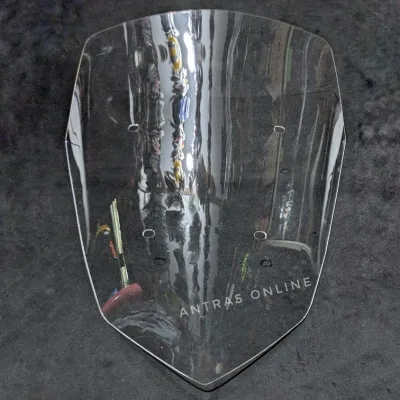
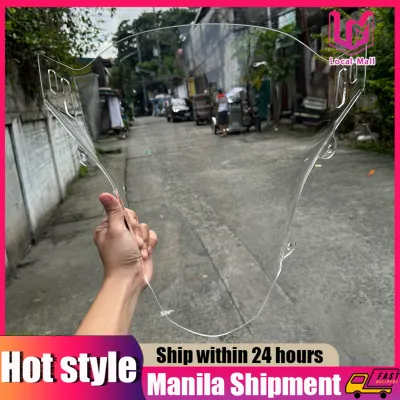
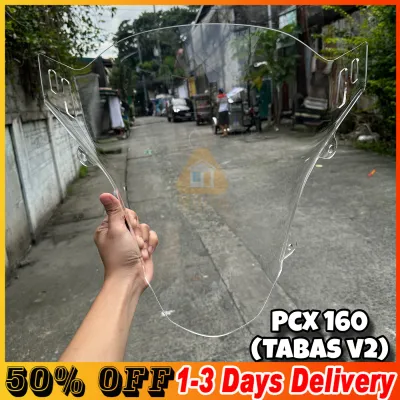
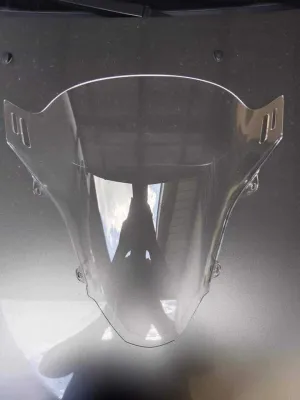
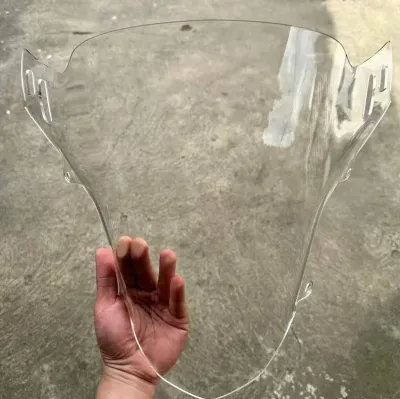
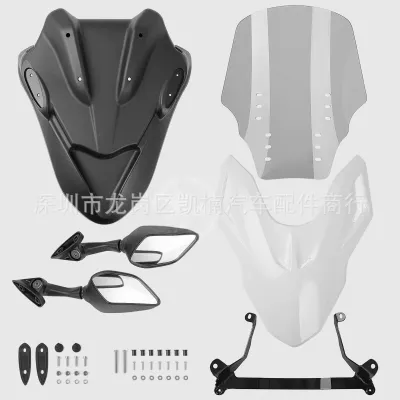
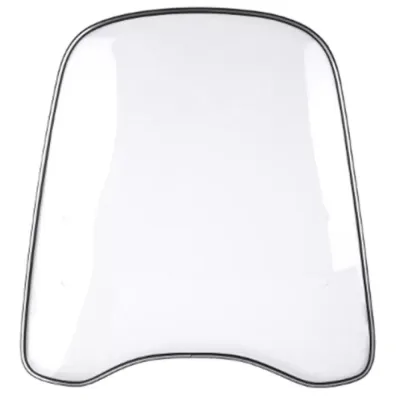
Prices are valid at publication and may change. Please refer to the product page for the latest price.
Local weather patterns, particularly the intense rainy seasons, also play a major role in your windshield selection. During heavy tropical downpours, water droplets and road grime can quickly accumulate on a tall screen, severely compromising your forward visibility if you cannot easily look over the top edge. Additionally, strong crosswinds common in open coastal areas can catch a large windshield like a sail, introducing unwanted lateral forces that can affect your scooter’s stability and require constant steering corrections.
Evaluating the shortcomings of your current stock setup is the first step toward finding the right upgrade. If you regularly arrive at your destination with a stiff neck, ringing ears from wind noise, or a shirt soaked from road spray, your current visor is likely failing to redirect air efficiently. Identifying these specific pain points allows you to choose an aftermarket windshield designed to address your primary commuting challenges.
Determine the Ideal Windshield Height for Your Posture
Finding the correct windshield height requires a precise sightline check while sitting on your scooter in your natural riding position. Ideally, the top edge of the windshield should align with your nose or chin level, allowing you to look completely over the screen rather than through it. This ensures that if the windshield becomes covered in rain, mud, or condensation, your forward view remains entirely unobstructed.

The height of the screen directly dictates where the deflected air stream hits your body. A medium-to-tall windshield is designed to push the wind pocket up and over your helmet, creating a quiet, low-turbulence zone behind the screen. However, if the windshield is just slightly too short for your height, it may direct the concentrated airflow straight into your helmet’s visor, resulting in severe buffeting and increased wind noise.
Conversely, a shorter sport visor intentionally directs the air stream lower down, typically around your chest or collarbone area. While this leaves your helmet in clean, undisturbed air—which can actually reduce helmet noise compared to a poorly sized tall screen—it offers minimal protection from rain and debris. This setup is often preferred by riders who prioritize a sporty aesthetic and maximum airflow during hot, humid days.
Your personal riding posture also influences this dynamic. If you tend to sit upright for comfort, you will require a slightly taller screen to achieve the same level of wind protection as a rider who naturally leans forward. Always measure your height from the seat to your eye level while wearing your standard helmet, as helmet shape and padding can slightly alter your overall riding height and line of sight.
Evaluate Windshield Styles and Material Durability
Aftermarket PCX windshields generally fall into three design categories: sport, standard, and touring. Sport visors feature aggressive, low-cut profiles that enhance the scooter’s modern, angular look while keeping weight to a minimum. Standard styles closely mimic the factory dimensions but often incorporate subtle aerodynamic flips at the top edge to improve wind deflection without adding excessive height.
Touring windshields are characterized by their wide, flared profiles and extended height. These designs often feature integrated hand guards or side wings that deflect wind and rain away from your hands and arms, which is highly beneficial during long, wet commutes. However, their larger surface area increases aerodynamic drag, which can slightly influence fuel efficiency and high-speed handling.
When evaluating materials, look closely at the manufacturer’s specifications. High-quality windshields are typically constructed from impact-resistant polycarbonate or heavy-duty acrylic. Polycarbonate offers superior impact resistance against flying gravel and road debris, making it less likely to shatter under stress. Ensure the product label specifies scratch-resistant hard coatings and UV stabilizers, which prevent the plastic from yellowing, hazing, or becoming brittle under intense tropical sunlight.
Compatibility is a critical factor that cannot be overlooked. The Honda PCX has undergone several design updates across different generations, and a windshield designed for an older model will not align with the mounting points of a newer version. Always check your vehicle documentation to confirm your exact model year and frame code before purchasing, and verify that the aftermarket accessory is explicitly certified for that specific iteration to avoid forced modifications or structural stress on the fairings.
Installation Safety and Maintenance Guidelines
Before beginning the installation process, thoroughly review both the windshield accessory manual and your Honda PCX owner’s manual. Pay close attention to the recommended torque specifications for the mounting bolts, as over-tightening can easily crack the plastic screen or strip the threads on the scooter’s inner bracket. Always utilize the supplied rubber grommets and washers, which act as essential dampers to absorb engine vibrations and road shocks. If you are uncomfortable performing the installation yourself or lack the necessary tools, seek assistance from a qualified motorcycle technician to ensure the assembly is structurally sound and road-legal.
Maintaining optical clarity and material integrity requires proper cleaning habits. Only use mild, non-abrasive soaps diluted in warm water, paired with a clean, soft microfiber cloth to gently wipe away dust and insect residue. Never use household glass cleaners, ammonia-based sprays, or harsh chemical solvents, as these substances can chemically react with polycarbonate or acrylic, causing immediate clouding, micro-cracking, or permanent damage to protective coatings.
Regular safety inspections should be integrated into your routine maintenance checklist. Periodically check that all mounting hardware remains securely fastened, as road vibrations can gradually loosen bolts over time. If you observe any structural cracks around the mounting holes, deep scratches that distort your vision, or significant hazing that impairs night visibility, stop using the windshield immediately and replace it to prevent sudden failure while riding.
Frequently Asked Questions (FAQ)
Will a taller windshield cause handling issues at high speeds?
Yes, installing a significantly taller windshield can alter your scooter’s aerodynamic profile and affect handling at higher speeds. The increased surface area acts as a sail, catching crosswinds and potentially causing a light, floating sensation in the front wheel or minor handlebar wobble. To mitigate this, always consult the windshield manufacturer’s specifications regarding maximum recommended heights and aerodynamic testing limits for your specific PCX model.
Can I install an aftermarket windshield without modifying the fairing?
Most high-quality aftermarket windshields designed specifically for the Honda PCX are direct bolt-on replacements that utilize the factory mounting holes and hardware. These require no drilling, cutting, or permanent modifications to your scooter’s fairings. However, universal windshield kits often require custom brackets or drilling, which can compromise the structural integrity of your plastics. To ensure a non-destructive fit, verify that the product description explicitly matches your exact PCX generation and model year before purchasing.
Community discussion
Share your experience or ask a question. Comments are reviewed before publication.