
Selecting the right replacement transmission shift boot involves verifying your vehicle’s exact make, model, year, and transmission type, choosing a material suited to your driving environment, and matching the mounting style to your center console. The shift boot is not just a cosmetic cover; it serves as a critical barrier that prevents dust, dirt, and moisture from compromising your gear linkage. In tropical climates like the Philippines, where high cabin temperatures and intense humidity can accelerate the degradation of interior materials, selecting a durable and compatible replacement is essential for maintaining both cabin aesthetics and mechanical reliability.
Whether you are restoring a worn-out daily driver or personalizing a custom build, understanding the differences in materials, fitment types, and installation requirements will ensure a seamless upgrade. A properly selected boot preserves smooth gear transitions, fits securely around your shift knob, and blends naturally with your existing interior styling. By focusing on precise compatibility and robust materials, you can avoid the common pitfalls of loose fitment, restricted gear movement, or premature wear.
When and Why to Replace Your Shift Boot
Over time, the transmission shift boot is subjected to constant friction, stretching, and environmental exposure. The most common physical signs of wear include cracking, peeling, tearing, or severe color fading. These issues are particularly prevalent in vehicles parked outdoors, where intense ultraviolet radiation dries out original vinyl or leather, causing it to split along the fold lines. A loose, sagging, or torn boot not only looks unsightly but also fails to stay securely positioned around the base of the shift knob.
Products mentioned in this guide
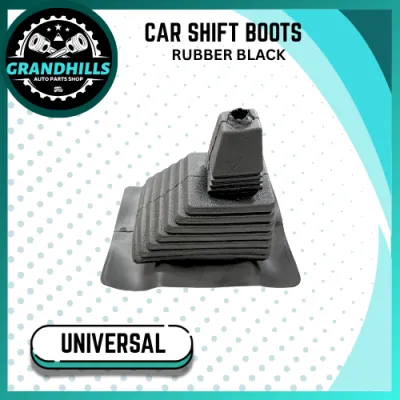
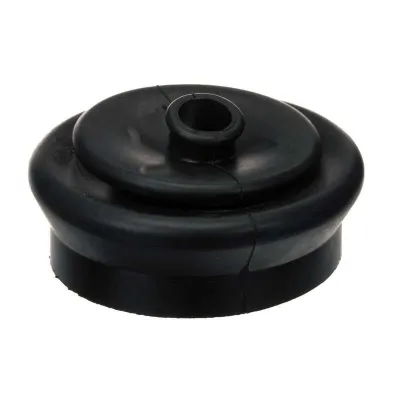
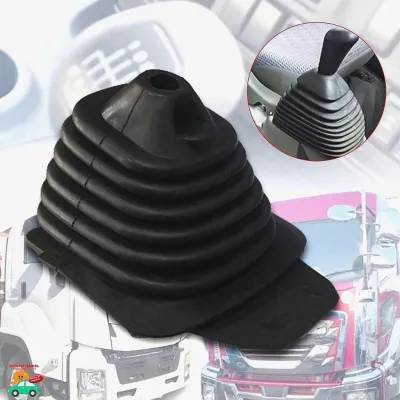
![[Genuine] Gear Shift Boot / Shift Lever Boot For Hyundai Grand Starex 2007-2018 Original Hyundai Mobis Brand [Genuine Parts][84640-4H000WK 84640-4H100WK]](https://img.lazcdn.com/g/p/c598645c50ab9bbf1679cfb0a39b121e.jpg_400x400q80.jpg_.webp)
Prices are valid at publication and may change. Please refer to the product page for the latest price.
Beyond aesthetics, the shift boot plays a vital functional role in protecting the underlying shifter mechanism and linkage. The open space beneath the center console houses sensitive components, including pivot joints, springs, select cables, and electrical switches for automatic transmissions. A torn boot allows road dust, dirt, pet hair, and accidental liquid spills to enter this cavity, which can contaminate lubricants, increase friction, accelerate mechanical wear, or short-circuit console electronics.
Replacing a damaged boot is also a highly effective, low-cost method to refresh your vehicle’s cabin. Because the gear shifter is a high-touch area and a central focal point of the dashboard, a clean, well-fitted boot instantly elevates the overall interior aesthetic. Upgrading to a boot with contrast stitching or a premium texture can make an older cabin feel modern, clean, and well-maintained without the expense of a full interior overhaul.
4 Key Factors for Choosing a Shift Boot
Choosing a replacement boot requires careful attention to several technical specifications to ensure proper fitment and safe operation. You must look beyond simple aesthetic appeal and evaluate how the replacement part interacts with your vehicle’s specific console geometry and shifter hardware.

- Vehicle Compatibility: You must verify the exact make, model, year, and transmission type (manual versus automatic) of your vehicle before purchasing. Center console designs, trim shapes, and console base plates vary significantly between different car models, meaning a boot designed for one vehicle will rarely fit another. Do not infer compatibility from generic category terms; always cross-reference the product documentation with your vehicle's exact specifications.
- Shift Pattern and Knob Size: The top opening of the shift boot must match the diameter of your shifter shaft and the base of your shift knob. Many manual vehicles feature a reverse-lockout mechanism—a collar that you must pull upward to engage reverse gear—which requires a wider boot collar to allow unrestricted movement. Additionally, if the boot features an integrated shift pattern printed or stitched onto the material, verify that it matches your transmission's gear layout (such as a 5-speed, 6-speed, or automatic PRNDL configuration) to prevent confusion during operation.
- Mounting Style: Shift boots are secured to the underside of the center console trim using various base attachment methods, including plastic clip-on frames, screw-on brackets, staple-on rings, or adhesive backings. Direct-fit boots often come pre-attached to a plastic frame that snaps directly into your console, whereas universal options may require you to reuse your original frame, which involves carefully separating the old boot and gluing or stapling the new one in place.
- Interior Aesthetics: To achieve a cohesive and professional look, select a boot that complements your existing cabin elements. Consider matching the stitching color of the boot with the stitching on your steering wheel, handbrake cover, or seats. Similarly, coordinate the material texture—such as smooth leather, perforated synthetic material, or sporty carbon fiber patterns—with the overall design theme of your vehicle's interior.
Recommended Shift Boot Materials by Driving Style
The material you select for your transmission shift boot determines its longevity, tactile feel, and maintenance requirements. Different materials excel in different driving environments, so it is important to choose one that aligns with your lifestyle and maintenance preferences.
Genuine Leather and Alcantara for Premium Feel
Genuine leather and Alcantara are the preferred choices for automotive enthusiasts, luxury vehicle owners, and daily drivers who prioritize a high-end tactile experience. Genuine leather offers exceptional durability, natural breathability, and a classic look that matures beautifully over time, while Alcantara provides a suede-like, motorsport-inspired texture that minimizes glare and feels soft to the touch.
However, these premium materials require commitment to routine care. In humid environments, genuine leather and Alcantara are susceptible to absorbing sweat, body oils, and moisture, which can lead to staining, odor buildup, or mold growth if left untreated. They must be cleaned periodically using specialized, label-authorized leather or Alcantara cleaners and treated with appropriate conditioners to prevent the material from drying out and cracking under intense cabin heat. This makes them ideal for drivers who are willing to perform regular interior maintenance and want to preserve a premium, luxury-oriented cabin atmosphere.
Synthetic Leather (PU) and Carbon Fiber Patterns for Durability
Synthetic leather, primarily made from polyurethane (PU), and synthetic materials featuring embossed carbon fiber patterns offer an excellent balance of durability, style, and cost-effectiveness. These materials are highly resistant to moisture, UV fading, and typical wear, making them exceptionally practical for daily use.
The primary advantage of PU leather is its low-maintenance nature; it does not absorb moisture or oils and can be easily cleaned by wiping it down with a damp microfiber cloth. It is highly resilient against the high humidity and temperature fluctuations common in tropical climates, preventing the premature cracking that can plague neglected genuine leather. While synthetic options may lack the exact breathability and rich aroma of real leather, and can eventually peel after years of heavy friction, they represent the ideal choice for budget-conscious drivers seeking a modern, hassle-free interior accessory.
Silicone and Rubber for Easy Maintenance
Silicone and rubber shift boots are designed for maximum utility, rugged durability, and extreme resistance to environmental elements. Commonly found in off-road vehicles, commercial trucks, and utility vehicles, these boots are completely waterproof, highly resistant to tearing, and impervious to mud, grease, and spilled liquids.
While silicone and rubber boots are incredibly easy to clean—requiring only a simple wipe-down or spray with a mild interior cleaner—they offer a very utilitarian, industrial aesthetic that may not blend well with modern passenger car cabins. Additionally, rubber and silicone can sometimes feel slightly sticky or tacky to the touch when exposed to direct sunlight and high cabin temperatures. They are best suited for off-road enthusiasts, work truck operators, and drivers who prioritize rugged, worry-free performance over luxury styling.
OEM vs. Universal Fit: Which Type Should You Buy?
When shopping for a replacement transmission shift boot, you will generally choose between an OEM (Original Equipment Manufacturer) direct-fit boot and a universal-fit boot. This decision impacts not only the cost of the project but also the ease of installation and the final appearance of your center console.
OEM or direct-fit shift boots are engineered specifically for your vehicle’s precise make, model, and year range. These boots are pre-cut to the exact dimensions of your console opening, feature the correct collar diameter for your shifter shaft, and often come pre-mounted on a matching plastic base frame. Sourcing direct-fit options from authorized dealerships, specialized OEM parts suppliers, or reputable online automotive stores guarantees perfect compatibility and a straightforward installation process that requires no cutting or custom fabrication.
Universal-fit shift boots are designed to fit a wide variety of vehicles and are typically much more affordable, with prices often ranging from ₱300 to ₱800. However, they do not include vehicle-specific base frames or pre-cut mounting holes. To install a universal boot, you must carefully measure, trim, stretch, and glue the material onto your original plastic console frame, which requires a high level of patience and precision. If you cut the top opening too large or misalign the base, the boot may sag, bind, or tear during gear shifts.
For most drivers, a direct-fit boot is highly recommended because it eliminates the frustration of custom modifications and ensures that the shifter operates safely without binding. Universal boots should generally be reserved for custom builds, older project cars, or discontinued vehicle models where direct-fit replacement parts are no longer manufactured or available on the market.
Installation Prep and Safety Checks
Before beginning the installation of your new transmission shift boot, proper preparation is essential to prevent damage to your vehicle’s interior trim and ensure the safe operation of your gear selector. Always park your vehicle on a level surface, engage the parking brake fully, and switch off the ignition before starting any work.
Begin by carefully removing the shift knob according to your vehicle’s service manual; most manual knobs unscrew counterclockwise, while automatic knobs may be secured by small retaining screws or clips. When removing the center console trim to access the boot’s base frame, use plastic trim removal tools rather than flathead screwdrivers or metal pry bars, which can easily scratch the plastic dashboard or snap the fragile retaining clips. Once the console trim is free, carefully unplug any electrical connectors for window switches, hazard lights, or seat heaters before lifting the assembly away.
With the old boot removed, take the opportunity to clean the exposed shifter mechanism, removing any accumulated dust, hair, or debris using a vacuum and a soft brush. Inspect the shifter linkage for any obvious signs of looseness, excessive play, or worn bushings.
When installing the new boot, observe the critical safety boundary: do not force any plastic clips into place, and avoid using excessive adhesive that could drip onto the moving parts of the shift linkage or lock-out mechanism. Ensure that the boot has enough slack to allow the shifter to move freely into every gear position—including reverse—without pulling tight, binding, or restricting the gear throw. If you notice that the shift linkage feels loose, binds, or fails to engage gears smoothly after reassembly, stop immediately and consult a qualified professional mechanic to inspect the system before driving the vehicle.
Frequently Asked Questions (FAQ)
Can I use a universal shift boot on a manual transmission?
Yes, you can use a universal shift boot on a manual transmission, but it requires careful DIY modification to fit properly. You must measure the diameter of your shifter shaft and carefully cut the top opening of the boot to match, ensuring the opening is snug but does not restrict any reverse-lockout collars or moving parts. If the top opening is cut too large, the boot may slide down the shaft, exposing the underlying mechanism to dust and debris; if it is too small, it can bind and restrict your gear throw during shifting.
How do I measure my shift knob for a new boot?
To measure for a new shift boot, use a caliper or a flexible measuring tape to find the outer diameter of the shifter shaft just below the shift knob, as well as the diameter of the knob’s base. If your vehicle features a reverse-lockout collar, you must also measure the maximum outer diameter of the collar when it is fully engaged. Cross-reference these measurements with the inner diameter specifications of the replacement boot’s top ring or collar to ensure a secure, unhindered fit before finalizing your purchase.
Community discussion
Share your experience or ask a question. Comments are reviewed before publication.