
Selecting the right RS8 torque drive variant for a Yamaha Aerox depends on aligning the component’s mechanical design—specifically its ramp angles, spring stiffness, and overall compatibility—with your daily riding environment. The Yamaha Aerox utilizes a continuously variable transmission (CVT) where the rear torque drive plays a critical role in controlling how the pulley halves open and close under load. Rather than viewing an aftermarket torque drive as a universal performance booster, you must evaluate how its specific ramp profile and spring tension alter the CVT shift curve to suit your typical routes, passenger loads, and acceleration preferences.
In the tropical climate of the Philippines, where stop-and-go city traffic, steep mountain passes, and high-humidity environments are common, a well-tuned CVT is essential. The torque drive acts as the mechanical brain of the rear pulley system, sensing torque demands from the rear wheel and adjusting the belt position accordingly. Choosing the wrong variant can lead to sluggish acceleration, excessive belt wear, or poor fuel economy. By understanding how different ramp configurations and spring rates interact with your engine’s power band, you can make an informed decision that enhances your scooter’s rideability without compromising durability.
Identifying Your Primary Riding Style and Transmission Needs
Before browsing online marketplaces or visiting a local motorcycle shop, you must analyze your daily riding habits. A rider navigating the congested streets of Metro Manila has vastly different transmission requirements than someone cruising the open highways of Batangas or climbing the steep inclines of Baguio. Take a week to observe your typical journeys, noting the average speed, the frequency of complete stops, and whether you regularly carry a pillion passenger or heavy delivery cargo.
Products mentioned in this guide
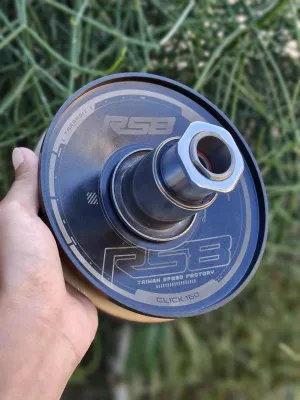
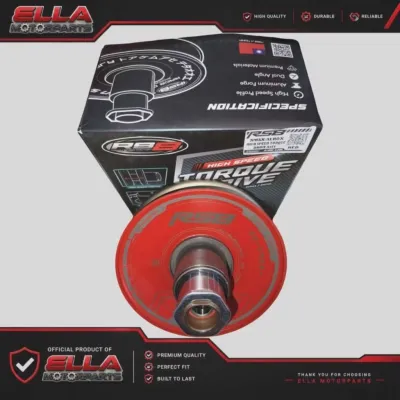
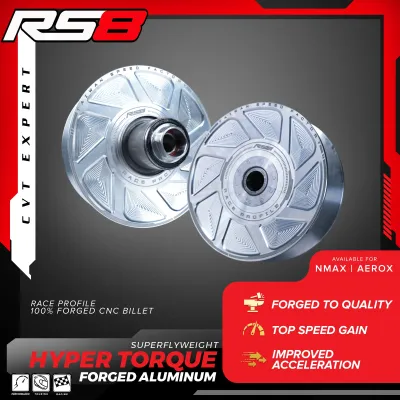
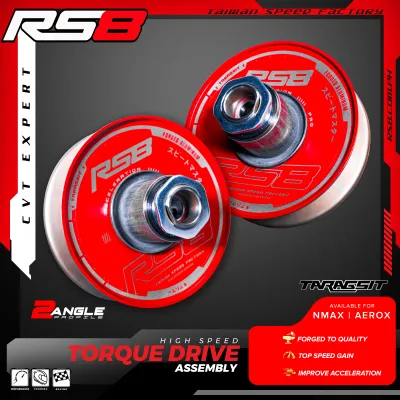
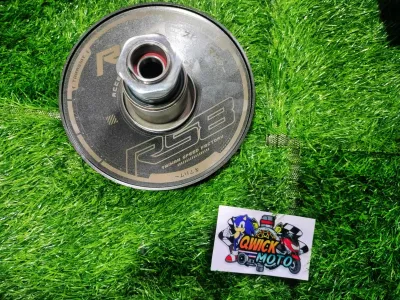
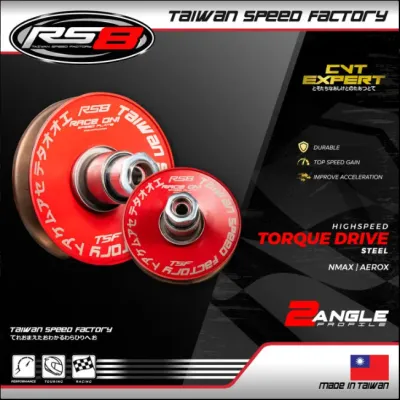
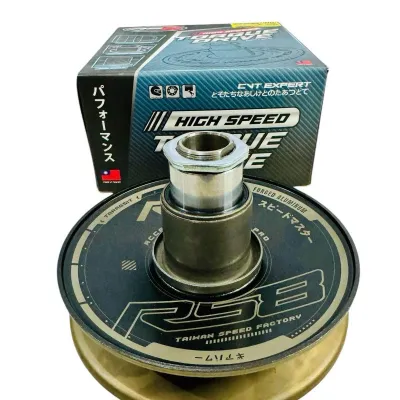
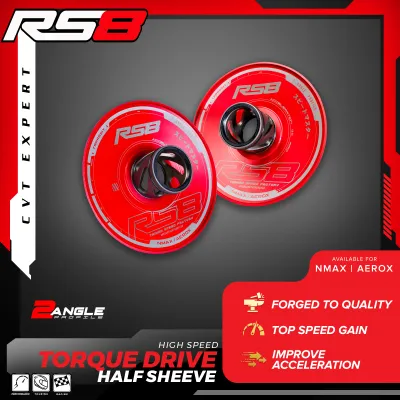
Prices are valid at publication and may change. Please refer to the product page for the latest price.
Identifying current transmission pain points is the next step in this evaluation. If your Aerox feels sluggish when pulling away from a traffic light, or if you notice a distinct lag when trying to overtake at mid-range speeds, your current CVT setup may not be shifting efficiently. Other common issues include belt slippage, which often manifests as a sudden rise in engine RPM without a corresponding increase in speed, or a noticeable drop in top-end pull during highway cruising. These symptoms indicate that the balance between your front variator and rear torque drive is suboptimal.
Your primary goal for the upgrade will dictate the specific torque drive characteristics you need. If fuel efficiency is your main concern, you will want a setup that encourages early upshifting to keep engine RPM low during steady-state cruising. Conversely, if you prioritize low-end torque for quick overtaking or carrying heavy loads, you will need a configuration that delays upshifting and maintains a higher RPM. For performance-oriented riders, the goal is often to keep the engine operating within its peak power band during aggressive throttle inputs, which requires a highly responsive ramp design.
Matching RS8 Torque Drive Specifications to Your Riding Conditions
The rear torque drive operates in tandem with the front variator, roller weights, and the drive belt to determine the overall gear ratio of your Aerox. The key mechanical features of any torque drive variant are its ramp angles (or guide slots) and the stiffness of the torque spring. The ramp angles control the rate at which the pulley halves open as the engine speed increases, while the torque spring provides the counter-force that pushes the pulley halves back together, forcing the belt to ride higher in the rear pulley.

When these components are altered, the CVT shift curve changes. A steeper ramp angle or a stiffer torque spring resists the outward movement of the rear pulley halves, keeping the transmission in a lower gear ratio for a longer period. This results in higher engine RPM and increased torque delivery to the rear wheel. Conversely, a shallower ramp angle or a softer spring allows the pulley to open more easily, promoting quicker upshifting and lower engine speeds. Understanding this mechanical relationship is crucial for selecting a variant that matches your specific riding profile.
Daily Commuting and Stop-and-Go Traffic
For riders who spend the majority of their time navigating dense urban traffic, the ideal torque drive setup focuses on smooth, predictable power delivery and early clutch engagement. In stop-and-go scenarios, you want a transmission that transitions smoothly from a standstill to low-and-mid RPM ranges without sudden jerks or hesitation. A torque drive with moderate ramp angles is typically suited for this environment, as it allows the CVT to upshift progressively as you accelerate away from intersections.
Preventing belt slip is a major priority during frequent stop-and-start riding. Every time you accelerate from a complete stop, the drive belt experiences a high level of friction and tension. If the torque spring is too soft, the rear pulley halves may open too quickly, causing the belt to slip and generate excessive heat. This heat can lead to premature belt wear and a loss of acceleration efficiency. Selecting a variant with a well-matched torque spring ensures sufficient clamping force on the belt, maintaining a reliable grip even during repeated take-offs in hot, humid weather.
Balancing fuel economy with throttle responsiveness is another key consideration for daily commuters. While you want enough low-end response to maneuver safely through traffic, an overly aggressive setup that keeps the engine at high RPMs will rapidly increase fuel consumption. A balanced torque drive configuration allows the engine to settle into a lower, more efficient RPM range once you reach a steady cruising speed, helping you get the most out of every liter of fuel while still retaining enough mid-range punch for quick lane changes.
Load-Carrying and Hill Climbing
Riding with a pillion passenger, carrying heavy delivery bags, or regularly tackling steep mountain roads places immense strain on your scooter’s transmission. Under these conditions, the engine requires additional mechanical advantage to move the increased mass without bogging down. A torque drive configuration designed for load-carrying typically utilizes steeper ramp angles or a stiffer torque spring. This setup resists the outward movement of the pulley halves, keeping the transmission in a lower gear ratio to maximize torque delivery to the rear wheel.
While this configuration provides excellent pulling power and prevents the engine from losing RPM on steep inclines, it does come with specific trade-offs. Keeping the transmission in a lower ratio means the engine will run at higher RPMs for any given road speed, which naturally reduces your top-end speed and increases fuel consumption. Additionally, the constant high-RPM operation generates more heat within the CVT casing, making proper ventilation and regular maintenance even more critical for riders who frequently carry heavy loads.
When increasing the torque load on your transmission, it is vital to inspect the condition of related components regularly. The drive belt is the sole link transferring power from the front pulley to the rear, and a stiffer torque spring increases the lateral pressure on the belt’s sidewalls. Before installing a high-tension torque drive variant, check your drive belt for signs of cracking, fraying, or excessive wear. Measuring the belt’s width against the manufacturer’s wear limits is also recommended, as a worn belt will sit lower in the pulleys, altering your gear ratios and reducing overall performance.
Performance Riding and High-Speed Cruising
For riders who prioritize aggressive acceleration, high-speed cruising on open bypass roads, or weekend leisure rides, the transmission must be tuned to maximize power delivery. A performance-oriented torque drive variant is designed to delay upshifting, keeping the engine operating within its peak horsepower and torque bands during hard acceleration. This is achieved through specialized ramp profiles that control the rate of pulley separation, ensuring that the engine screams into its power band the moment you twist the throttle.
However, riders must be aware of the practical limitations of a high-performance CVT setup. In daily city driving, a transmission that constantly holds high RPMs can feel twitchy and difficult to control at low speeds. The constant high-engine speeds will also lead to a noticeable increase in fuel consumption and accelerated wear on your engine oil and transmission components. It is a setup best suited for open roads where you can maintain higher speeds and benefit from the responsive mid-to-high range acceleration.
Before committing to a performance torque drive, you must verify that the rest of your drivetrain is capable of handling the increased mechanical stress. High-RPM shifting puts additional load on the clutch assembly, the clutch bell, and the drive belt. If these components are worn or of low quality, they may fail prematurely under the increased demands of a performance-tuned CVT. Ensuring that your entire transmission system is in excellent mechanical condition is a prerequisite for any high-speed tuning endeavor.
Key Specifications to Verify Before Purchasing
To avoid purchasing an incompatible component, you must verify several technical specifications before making a final decision. First and foremost, confirm the exact model year and engine displacement of your Yamaha Aerox. While many aftermarket parts are designed to fit a wide range of model years, subtle changes in engine casing designs, shaft diameters, or pulley dimensions between different generations of the Aerox can prevent a proper fit. Always cross-reference your scooter’s specific model code with the official fitment chart provided on the RS8 product packaging or the manufacturer’s official documentation.
Next, pay close attention to the specifications of the torque spring and roller weights included with or recommended for the torque drive variant. Torque springs are typically rated by their stiffness, often designated by RPM ratings such as 1000 RPM, 1200 RPM, or 1500 RPM. These ratings indicate the relative stiffness compared to the original equipment manufacturer (OEM) spring, with higher numbers representing stiffer springs. Ensure that the recommended roller weight range matches your intended riding style, as installing a stiff spring with overly light rollers can result in excessively high RPMs and poor overall performance.
Finally, inspect the material and machining quality of the torque drive pulley halves. High-quality variants are typically constructed from durable steel alloys or high-strength aluminum, with precision-machined guide slots to ensure smooth movement. Examine the guide pins and the roller tracks within the torque drive for any rough edges or manufacturing defects. Proper belt tracking depends entirely on the smooth, symmetrical opening of the pulley halves; any binding or misalignment can cause rapid belt wear, severe vibrations, and potential transmission failure.
Installation, Tuning, and Safety Boundaries
Installing aftermarket CVT components involves working with high-tension springs and rotating parts that are critical to the safe operation of your motorcycle. Because improper assembly can lead to sudden transmission lock-up or component failure at high speeds, it is highly recommended to have these parts installed by a qualified motorcycle mechanic. If you choose to perform the installation yourself, you must strictly adhere to the safety protocols and torque specifications outlined in your Yamaha Aerox workshop manual.
A proper clutch holding tool is absolutely essential for securing the rear pulley assembly while loosening or tightening the clutch nut. Attempting to jam the pulley with improvised tools can bend the pulley halves, damage the clutch bell, or cause personal injury if the high-tension torque spring suddenly decompresses. Always use a calibrated torque wrench to tighten the drive pulley nut and clutch nut to the manufacturer’s specified torque values. Under-tightening can cause the assembly to come loose while riding, while over-tightening can strip the threads on the input shaft or crack the clutch housing.
Once the new torque drive is installed, a proper break-in procedure is required to ensure the longevity of the components. Avoid full-throttle acceleration and high-speed runs for the first 100 to 150 kilometers of riding. This allows the drive belt to seat properly against the new pulley faces and prevents premature glazing of the belt or clutch pads. If you experience any unusual vibrations, persistent belt squeal, or hesitation during acceleration after the installation, stop riding immediately and consult a professional mechanic to diagnose and correct the issue before further operation.
Frequently Asked Questions (FAQ)
Do I need to change my roller weights when installing a new RS8 torque drive?
Yes, installing a new rear torque drive almost always requires adjusting your front roller weights to maintain an optimal CVT shift curve. Because the rear torque drive and its spring alter the resistance against which the front variator operates, your existing roller weights may no longer provide the correct shifting balance. If you have installed a stiffer torque spring, you may need to use slightly heavier roller weights to overcome the increased resistance and allow the transmission to upshift smoothly. Conversely, a softer setup may require lighter rollers. It is common practice to test several roller weight combinations to find the perfect balance for your specific riding conditions.
Will an aftermarket torque drive void my Yamaha Aerox warranty?
Modifying your scooter’s transmission with aftermarket components like an RS8 torque drive will typically void the manufacturer’s warranty for the drivetrain and any related engine components. Authorized dealerships generally require the vehicle to remain in its original factory configuration to honor warranty claims related to the engine, transmission, and electrical systems. Before proceeding with any modifications, it is highly recommended to review your official Yamaha warranty booklet or consult directly with your local authorized dealer to understand how aftermarket installations will affect your coverage. If maintaining your warranty is a priority, you may want to defer transmission upgrades until the warranty period has expired.

Community discussion
Share your experience or ask a question. Comments are reviewed before publication.