
Selecting the right saddle bag for daily motorcycle commuting in the Philippines requires balancing storage capacity, weather protection, and riding safety. With unpredictable tropical weather, dense urban traffic, and varied road conditions, your luggage must do more than just hold your gear. It needs to keep your belongings dry during sudden monsoon downpours, remain stable over potholes, and fit within a profile that allows for safe lane filtering.
To find the ideal setup, you must evaluate how a bag interacts with your specific motorcycle model. There is no single option that fits every rider, as a bag that works perfectly on an adventure motorcycle might block the exhaust or turn signals of a standard underbone or scooter. By focusing on material durability, secure mounting systems, and proper physical clearance, you can select a luggage system that enhances your daily commute without compromising your safety on the road.
Key Criteria for Evaluating Commuter Saddle Bags
Daily commuting presents a unique set of challenges that weekend touring does not. Your luggage must handle a mix of office essentials, riding gear, and occasional grocery runs, all while enduring daily exposure to intense sunlight and heavy rain.
Products mentioned in this guide
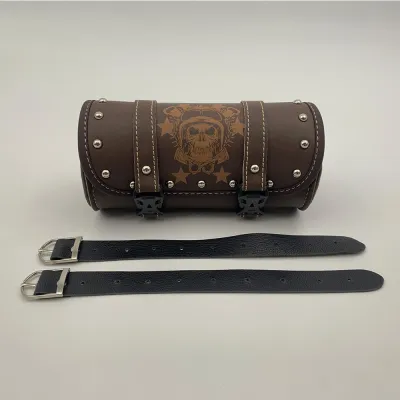
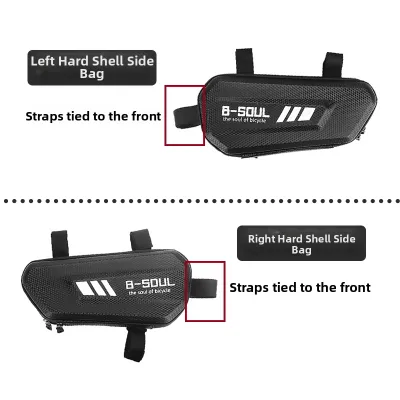
Prices are valid at publication and may change. Please refer to the product page for the latest price.
Capacity and organizational layout are the first major considerations for any daily commuter. For a typical work commute, a capacity of 15 to 25 liters per bag is generally sufficient to carry a laptop, a set of rain gear, a change of clothes, and lunch. However, raw volume is less important than how that volume is distributed. Look for bags that feature dedicated internal compartments, padded laptop sleeves, and quick-access exterior pockets for items like toll cards, keys, or a disc lock. If you frequently carry a laptop or tablet, ensure the compartment is suspended away from the outer walls of the bag to protect your electronics from vibrations and minor impacts.
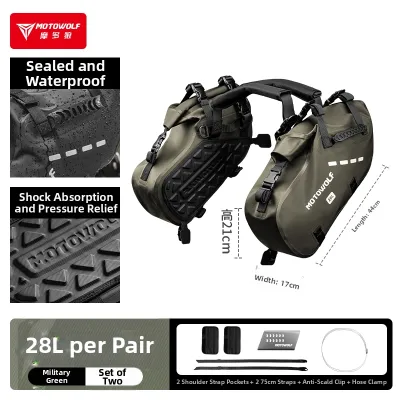
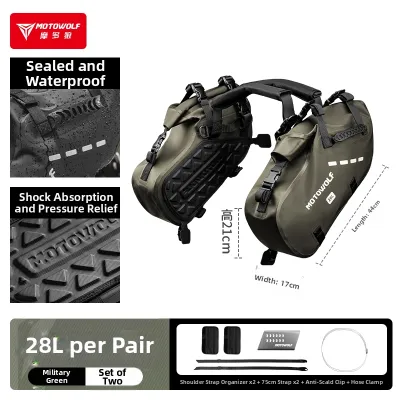
Weather resistance is non-negotiable in a tropical climate characterized by sudden, heavy downpours and high humidity. When evaluating materials, look for heavy-duty fabrics such as TPU-coated nylon, tarpaulin, or high-denier ballistic polyester. Bags utilizing electromagnetic welding or heat-sealed seams offer superior water protection compared to stitched seams, which can allow water to seep through the needle holes over time. If you opt for stitched fabric bags, verify whether they include integrated waterproof inner liners or high-visibility rain covers that can be quickly deployed when the weather turns. Additionally, materials must be UV-resistant to prevent degradation, fading, and cracking from prolonged exposure to the intense Philippine sun.
Weight distribution and the aerodynamic profile of the bags directly affect your comfort and safety. Wide, bulky saddle bags increase wind resistance, which can reduce fuel efficiency and make the motorcycle more sensitive to crosswinds on open highways. In congested city traffic, wide bags also limit your ability to filter through tight spaces safely. Choose bags with a tapered or slim profile that hugs the rear frame of the motorcycle closely. The physical shape of the bag should allow you to maintain a natural riding posture without your heels or calves constantly striking the luggage while riding or stopping at intersections.
Installation Compatibility and Safety Checks
Before purchasing any saddle bag, you must perform a thorough compatibility check to ensure it can be mounted safely on your specific motorcycle. Improperly installed luggage poses a severe safety hazard, as loose straps or shifting bags can interfere with moving parts or catch in the rear wheel, leading to a loss of control.

Always consult your motorcycle’s owner manual to verify the maximum weight capacity of the rear subframe and passenger seat before installing any luggage system. Any modification to your vehicle’s structural frame, lighting, or electrical system to accommodate luggage racks must be performed by a qualified professional to ensure the vehicle remains road-legal and structurally sound.
Physical clearance is the most critical safety factor when mounting saddle bags. You must maintain adequate clearance between the bottom of the bags and the motorcycle’s exhaust pipe to prevent the heat from melting the fabric or causing a fire. Most manufacturers recommend a minimum clearance of at least 2 to 4 inches from the exhaust silencer, though high-temperature shields or dedicated luggage racks may be required for low-hanging bags. Furthermore, the bags must not obstruct the visibility of your rear turn signals or tail light from any angle, as blocked lighting compromises your safety and violates land transportation regulations. Ensure the bags do not contact the rear shock absorbers or swingarm, which can restrict suspension travel and damage both the bike and the luggage.
The addition of loaded saddle bags alters the motorcycle’s center of gravity, shifting it backward and downward. This change affects how the bike handles, particularly during low-speed maneuvers, cornering, and braking. Symmetrical loading is essential; keeping the weight balanced evenly between the left and right bags prevents the motorcycle from pulling to one side. When packing, place the heaviest items at the bottom of the bags and closest to the center of the motorcycle to minimize the leverage effect on the rear suspension. Adjust your rear suspension preload according to your owner’s manual instructions to compensate for the additional weight of the luggage and prevent bottoming out over bumps.
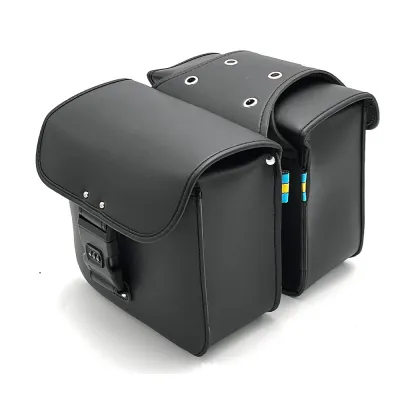
Security and stability are vital for daily commuting, especially when leaving your motorcycle parked in public areas. Look for mounting systems that utilize heavy-duty straps, quick-release buckles, or rigid mounting brackets that bolt directly to the frame. The mounting points must be checked regularly to ensure they have not loosened due to engine vibration or road shocks. For soft bags, look for anti-theft features such as lockable zippers or steel-reinforced security straps that prevent quick opportunistic theft. If your commute involves parking in unsecured areas, consider investing in a quick-detach system that allows you to remove the bags easily and carry them with you into your workplace.
Building Your Shortlist: Matching Bags to Commuting Needs
To narrow down your options, you need to match the physical design of the saddle bags with your daily cargo requirements and parking situation. Different configurations offer distinct advantages depending on your routine.
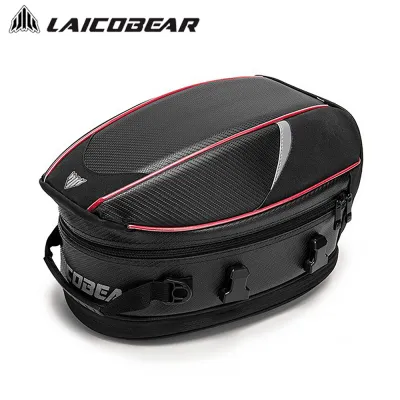
The choice between hard-shell and soft-sided saddle bags represents a fundamental trade-off between security and flexibility. Hard-shell panniers, typically constructed from aluminum or rigid ABS plastic, offer the highest level of physical security because they can be locked directly to the mounting frame and feature key-locked lids. They are inherently waterproof, maintain their shape regardless of load, and provide excellent protection for fragile items like laptops or cameras. However, they are significantly heavier, wider, and more expensive than soft options, and they require dedicated metal mounting racks. Soft-sided bags, made from flexible fabrics, are lighter, more affordable, and can compress when empty to keep the motorcycle’s profile narrow. While they are easier to fit on a wider variety of bikes without specialized racks, they offer minimal security against theft and require rain covers or roll-top closures to keep water out.
You must also decide between a single-sided or dual-sided configuration. A single-sided saddle bag is highly practical for riders with light carrying needs, such as a single laptop bag or a small lunch container. It keeps one side of the motorcycle completely clear, which can make mounting and dismounting easier, and keeps the overall width of the bike to a minimum. The primary drawback is the asymmetrical weight distribution, which can feel unusual at first and may require conscious counter-balancing when riding at low speeds. Dual-sided saddle bags distribute the weight evenly across the rear subframe, making the motorcycle feel more balanced and predictable. They offer double the storage capacity, making them suitable for commuters who need to carry both work gear and riding gear, or those who frequently pick up groceries on the way home.
For daily commuters, the ease of removing the bags at your destination is a major convenience factor. Quick-release mounting systems allow you to detach the bags from the motorcycle in seconds using a key or a simple latch mechanism, turning your saddle bags into portable briefcases or backpacks. This is highly beneficial if you park in public lots where leaving luggage on the bike is risky. Conversely, strap-on modular designs are highly versatile and can be adjusted to fit different motorcycles, but they require more time and effort to mount and remove each day. If you choose a strap-on system, look for designs that feature a semi-permanent base harness that stays on the bike, allowing the bags themselves to clip on and off quickly.
Final Verification Checklist Before Purchase
To avoid the inconvenience of purchasing a saddle bag that does not fit your motorcycle or meet your daily needs, perform these final verification steps before finalizing your order on any online marketplace or at a local dealership.
First, cross-reference the physical dimensions of the saddle bags with your motorcycle’s specific layout. Check your owner’s manual for any warnings regarding aftermarket luggage installation, weight limits, and passenger grab rail compatibility. Some motorcycles have high-mounted exhausts or integrated plastic bodywork that prevents the use of standard throw-over bags without specialized support brackets.
Second, take physical measurements of your motorcycle using a tape measure. Do not rely solely on online compatibility charts, as aftermarket modifications like tail tidies, custom exhausts, or different turn signals can alter the available space. Measure the distance from the top of the passenger seat down to the top of the exhaust pipe, ensuring there is at least a 3-inch safety margin. Measure the width of the rear seat to ensure the connecting straps of throw-over bags will sit securely without sliding forward or backward. Also, verify that the bags will not cover the rear footpegs if you occasionally carry a passenger.
Finally, review the warranty terms and return policies of the manufacturer or seller. Because fitment can be highly specific to individual motorcycle setups, ensure the seller allows returns or exchanges if the bags interfere with your bike’s mechanical components upon test fitting. Check the availability of replacement parts, such as mounting straps, buckles, and rain covers, as these components endure significant wear and tear during daily commuting and may need to be replaced over time to maintain the safety and integrity of your luggage system.
Frequently Asked Questions (FAQ)
Are hard-shell or soft-sided saddle bags better for daily commuting?
Hard-shell saddle bags are generally better for commuters who prioritize security and weatherproofing, especially if they regularly carry expensive electronics like laptops or tablets. Their rigid construction allows them to be locked securely to the motorcycle frame, protecting contents from both theft and impact. However, they require dedicated mounting racks and add significant weight and width to the bike. Soft-sided saddle bags are preferable for riders seeking a lightweight, budget-friendly, and versatile option. They can compress when empty, making it easier to navigate through tight city traffic, but they offer less security and require waterproof liners or rain covers to protect your gear from heavy tropical downpours.
How can I prevent my saddle bags from shifting or vibrating while riding?
To prevent saddle bags from shifting, vibrating, or sagging into the rear wheel, you should use dedicated saddle bag support brackets or luggage stays. These metal frames bolt to your motorcycle’s subframe and keep the bags physically separated from the moving parts of the bike. When mounting soft bags, ensure all straps are pulled taut and routed through secure, non-moving frame points rather than plastic bodywork. Balance your cargo weight symmetrically between both sides, placing heavier items at the bottom of the bags. Regularly inspect the tension of the mounting straps and the tightness of any bracket bolts, as engine vibrations and rough road surfaces can cause them to loosen over time.
Community discussion
Share your experience or ask a question. Comments are reviewed before publication.