
Upgrading your car’s shift knob handle is one of the most immediate ways to improve your daily driving experience in the Philippines. Whether you are navigating the heavy stop-and-go traffic of Metro Manila or enjoying a weekend drive through the winding roads of Tanay, the point of contact between your hand and the gear shifter directly influences your vehicle’s tactile feedback. To find the ideal knob handle, you must first evaluate transmission compatibility, choose a material that can withstand intense tropical heat, and select an ergonomic shape that matches your shifting style.
Selecting the wrong shifter accessory can lead to more than just cosmetic disappointment; it can compromise your vehicle’s safety mechanisms or damage the underlying transmission linkage. By understanding the mechanical specifications of your vehicle and the physical properties of different materials, you can make an informed decision that enhances both cabin aesthetics and driving comfort.
Verify Transmission Compatibility and Safety Mechanisms for Your Knob Handle
Before purchasing any aftermarket shift knob handle, you must verify the exact mechanical interface of your vehicle’s gear selector. For manual transmissions, the knob is typically held in place by threads cut directly onto the shifter shaft. Common thread specifications include M10x1.25 (frequently found on Mitsubishi, Mazda, and Nissan vehicles), M10x1.5 (standard for Honda), and M12x1.25 (common for Toyota and Subaru). You should never guess these dimensions or rely solely on a product compatibility list; instead, consult your vehicle’s official service manual or measure the shaft thread pitch directly using a thread pitch gauge.
Products mentioned in this guide
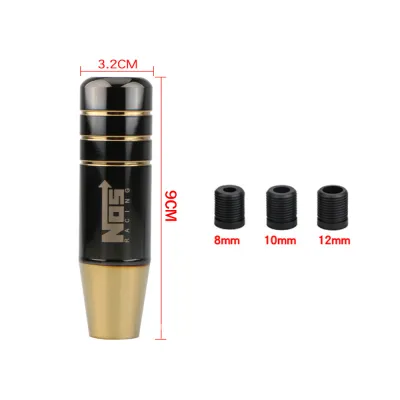
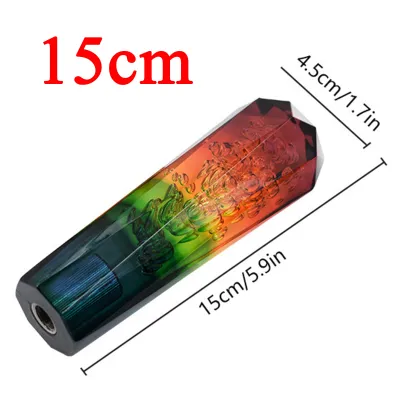
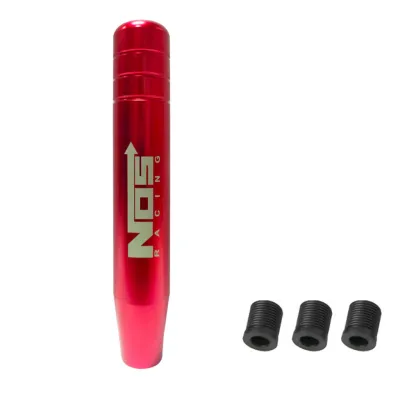
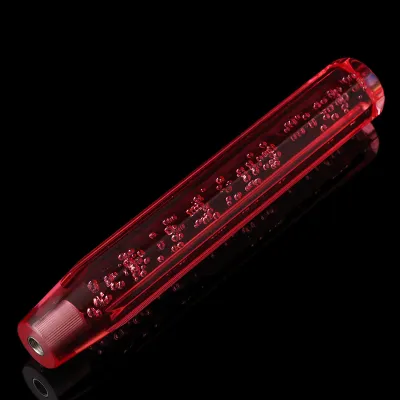
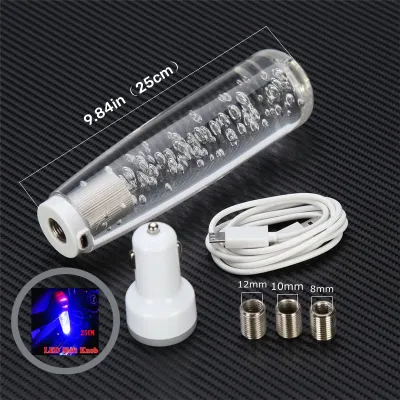
Prices are valid at publication and may change. Please refer to the product page for the latest price.
Automatic and Continuously Variable Transmission (CVT) vehicles present a more complex interface. Many automatic gearboxes utilize a shift lock release button on the side or front of the factory handle to prevent accidental shifting out of Park or into Reverse. Other transmissions feature a pull-up collar reverse lockout, which requires you to lift a ring beneath the knob to engage reverse gear. If your vehicle features any of these safety mechanisms, a standard universal-thread knob will not function safely without specialized adapters designed specifically for your vehicle model and year.
This introduces a strict safety boundary: you must never disable, bypass, tape down, or glue over an automatic transmission’s safety lockout button to force an aftermarket knob to fit. Doing so risks accidental gear engagement while driving, which can cause catastrophic mechanical failure or severe accidents. If an aftermarket knob handle does not natively support your vehicle’s specific lockout mechanism or electrical wiring harness, you should immediately reject it.
While many budget-friendly aftermarket knobs are sold as “universal fit” and include plastic or rubber adapter sleeves, these components have distinct limitations. Under the high cabin temperatures common in the Philippines, cheap plastic adapters can soften, leading to a loose, wobbling knob that can slip off during an emergency maneuver. For long-term durability and safety, look for threaded brass or aluminum adapter inserts that match your shifter shaft’s exact thread pitch.
Choose the Right Weight and Material for Your Driving Style
The physical properties of a shift knob handle—specifically its weight and material composition—profoundly affect how your car feels on the road. Weighted shift knobs, typically weighing between 350 grams and 600 grams, utilize kinetic momentum to smooth out gear transitions. When you push a weighted shifter, its mass helps overcome the mechanical resistance of the transmission synchronizers, making gear engagements feel smoother and less “notchy.” Conversely, lighter knobs (under 150 grams) transmit more direct mechanical feedback to your hand, allowing you to feel the exact state of the linkage, though they require more physical effort to slide into gear.

In the tropical climate of the Philippines, material selection is not just an aesthetic choice; it is a matter of daily comfort and safety. Cabin temperatures in cars parked under the direct sun can easily exceed 60°C. Bare metal knobs made of solid billet aluminum or stainless steel absorb heat rapidly and retain it, making them painfully hot to touch after a few hours in an open parking lot. If you opt for a metal knob, you will often need to cover it with a cloth or parking shade to avoid burning your palm when you return to your vehicle.
To mitigate thermal discomfort, consider materials with low thermal conductivity. High-quality acetal homopolymer (commonly known as Delrin) or cast acrylic resins do not absorb heat like metal, remaining comfortable to the touch even in peak afternoon heat. Genuine leather wraps, clear-coated wood, and genuine carbon fiber also offer excellent thermal insulation. Furthermore, during the rainy season or in high-humidity areas, sweat can make smooth surfaces slippery; textured leather or matte-finished resins provide a more secure, slip-resistant grip.
Each material demands specific maintenance to survive the local climate. Leather knobs require periodic cleaning with a dedicated leather cleaner and conditioning with a UV-protectant conditioner to prevent the material from drying, cracking, or peeling due to sweat acidity and intense sunlight. Clear-coated wood and carbon fiber knobs should be treated with a UV-blocking sealant to prevent the protective resin from yellowing, hazing, or cracking under constant exposure to solar radiation.
Select a Shape and Ergonomic Design for Daily Comfort
The shape of your shift knob handle determines how naturally your hand rests on the control and how much fatigue you experience during long drives. The four primary shapes are spherical, teardrop, cylindrical, and anatomical.
- Spherical (Round) Knobs: These are highly versatile and suit drivers who prefer a "palm-on-top" shifting style. They allow you to apply force evenly from any angle, making them excellent for relaxed daily driving and quick gear changes alike.
- Teardrop Knobs: Combining a rounded top with a tapered bottom, teardrop shapes fit naturally into the curve of a semi-closed palm. They provide a comfortable resting position and excellent leverage for both downward and lateral shifts.
- Cylindrical (Pistol/Stick) Knobs: These are taller and are typically grabbed from the side, a technique known as "finger-shifting" or "side-gripping." They are popular in sporty applications because they bring the shift point physically closer to the steering wheel, reducing the time your hand spends away from the wheel.
- Anatomical (Contoured) Knobs: Molded with finger grooves, these knobs are designed to fit the exact contours of a resting hand. While highly comfortable for long highway cruising, they can feel awkward if your hand approach changes during rapid or defensive driving maneuvers.
Beyond shape, you must evaluate the surface texture. While highly polished chrome or glass-smooth acrylic knobs look striking in product photos, they can easily slip out of your grasp when your hands are damp from humidity or sweat. Knurled metal surfaces, textured leather stitching, or matte finishes provide the necessary friction to ensure your hand never slips during a critical gear change.
Finally, consider the physical dimensions of the knob handle relative to your vehicle’s interior layout. A knob that is too tall or has an excessively wide diameter can interfere with nearby center console controls, block access to cup holders, or rub against the leather shift boot. Measure the clearance around your shifter housing in all gear positions—especially when engaging first, fifth, or reverse—to ensure the new knob will not strike any surrounding trim.
Recommended Shift Knob Profiles for Different Drivers
Weighted Metal Knobs for Manual Shift Enthusiasts
For drivers who prioritize mechanical precision and a sporty gear-shifting feel, a heavy, solid-metal shift knob is the optimal choice. Typically CNC-machined from stainless steel or brass, these knobs weigh between 400 and 600 grams. The added weight acts as a counterweight, smoothing out the notchiness common in manual gearboxes, such as those in sporty compacts or older manual sedans.
These premium metal options generally fall into the mid-to-high price band, ranging from ₱2,500 to ₱6,000, depending on the machining precision and finish. While they offer unparalleled shifting momentum, you must be prepared for their high thermal conductivity under the Philippine sun. To ensure a secure, long-term fit, choose a model with a dedicated, threaded metal core that matches your vehicle’s shaft threads perfectly, rather than relying on universal rubber inserts.
Leather or Resin Ergonomic Knobs for Daily Commuters
If you spend hours navigating the congested roads of Metro Manila, Cebu, or Davao, comfort and heat resistance are your primary concerns. For these driving conditions, an ergonomically shaped knob wrapped in genuine leather or cast from high-grade resin (such as Delrin) is highly recommended. These materials act as natural thermal insulators, ensuring the knob remains comfortable to touch even after your car has been parked outdoors.
These commuter-friendly knobs are widely available across a broad price spectrum, with quality resin and leather options ranging from ₱1,000 to ₱3,500. The textured grip of stitched leather or the matte finish of Delrin prevents slippage when your hands are sweaty from the tropical humidity. This setup minimizes hand fatigue during the repetitive shifting required in stop-and-go traffic.
OEM-Style Replacements for Automatic Transmissions
For owners of automatic or CVT vehicles who want to refresh a worn interior or upgrade their cabin’s aesthetics, the safest path is to select an OEM-style replacement knob. These products are engineered specifically for your vehicle’s make, model, and year, ensuring that the critical shift lock release button and any internal electronic solenoids align perfectly with the factory shifter assembly.
These specialized replacements typically range from ₱1,500 to ₱5,000. By choosing a vehicle-specific upgrade rather than a “universal” automatic knob, you preserve the factory safety features, maintain compliance with local vehicle inspection standards, and avoid risking damage to the transmission’s shift interlock system. Always verify that the replacement unit includes the necessary wiring connectors if your factory knob features integrated overdrive buttons or shift-illumination lights.
Essential Installation Checks and Safety Boundaries
Installing an aftermarket shift knob handle on a manual car is generally a straightforward, low-risk process, but it still requires careful attention to detail to prevent damage to your vehicle’s transmission linkage.
First, ensure the vehicle is parked on a flat surface with the handbrake firmly engaged. Carefully unscrew the factory shift knob counterclockwise. Once removed, use a clean microfiber cloth and a mild, non-corrosive automotive thread cleaner to remove any old debris, grease, or adhesive residue from the shifter shaft threads. Never use harsh chemical solvents that could degrade the surrounding plastic console trim or leather boot.
Next, gently thread the new knob handle onto the shaft by hand. It is vital to start the threads manually to ensure you do not cross-thread the components, which can permanently strip the soft metal threads on the shifter shaft. Screw the knob clockwise until it is snug. If the manufacturer’s instructions recommend it, you may apply a single drop of medium-strength (blue) threadlocker to the threads to prevent the knob from vibrating loose over time. Tighten the knob to the manufacturer’s specified torque, taking care not to overtighten, which can crack plastic inserts or strip aluminum threads.
However, a firm safety boundary must be established for automatic transmissions and complex manual setups (such as those with integrated reverse lockout collars or electronic sensors). If removing your factory knob requires specialized prying tools, removing delicate metal retaining clips, or disconnecting internal electrical wiring harnesses, do not attempt a DIY installation. In these scenarios, improper disassembly can break the shift interlock solenoid or damage the reverse lockout mechanism, rendering your vehicle undriveable. You must stop and have the installation performed by a qualified automotive technician.
Once the installation is complete, perform this critical verification checklist before starting the engine:
- Stationary Gear Test: With the engine off and the clutch fully depressed (for manual cars), shift through every gear position. Confirm that the shift lever moves smoothly and that the new knob does not strike the center console, cup holders, or dashboard.
- Lockout Verification: For automatic cars, depress and release the shift lock button several times. Ensure it moves freely without sticking and successfully locks the shifter in Park and Neutral as designed. For manuals with a reverse lockout collar, verify that the collar can be pulled up fully to engage reverse and returns to its resting position smoothly.
- Stability Check: Firmly grasp the installed knob and attempt to twist it. It must remain completely rigid without any wobble, play, or rotational slipping.
Frequently Asked Questions (FAQ)
Can I put a manual shift knob on an automatic car?
While the thread size on a manual shift knob might occasionally match the thread pitch of an automatic shifter shaft, installing a manual knob on an automatic car is highly discouraged and often unsafe. Most automatic transmissions require a functional shift lock release button to safely transition between gears like Park, Reverse, and Drive. Installing a solid manual knob bypasses or disables this safety mechanism, creating a severe risk of accidentally knocking the car into an incorrect gear while driving, which can cause catastrophic transmission damage or a serious collision.
Do weighted shift knobs damage the transmission?
A high-quality, properly installed weighted shift knob used within normal driving parameters will not damage your car’s transmission synchronizers or shifting linkage. The myth that weighted knobs cause wear stems from drivers resting their hands heavily on the shifter while driving, which applies continuous pressure to the shift forks. As long as you do not rest your hand on the knob between shifts, and ensure the knob is securely threaded without cross-threading or using excessive downward force during installation, a weighted knob is perfectly safe to use.
How do I measure my shift knob thread size?
To accurately measure your shifter shaft’s thread size before buying a new knob handle, use a digital caliper to measure the outer diameter of the metal threads in millimeters. Next, use a metric thread pitch gauge to determine the distance between the thread crests (for example, 1.25 mm or 1.5 mm). Alternatively, you can take your vehicle’s year, make, and model and cross-reference it with the manufacturer’s official workshop manual or a verified vehicle-specific parts database to guarantee a perfect fit.
Community discussion
Share your experience or ask a question. Comments are reviewed before publication.