
Choosing the right car trash can is a practical way to maintain a clean, organized cabin, but finding the correct fit requires looking closely at your vehicle’s unique interior geometry. The ideal bin must integrate seamlessly into your daily routine without sliding across the floor, blocking essential controls, or crowding your passengers. To make the right choice, you must evaluate your cabin’s layout, measure your preferred mounting zones, and select a securing mechanism that can withstand sudden stops and sharp turns.
Assessing Your Vehicle's Available Space and Layout
Before browsing online marketplaces or auto accessory shops, take a few minutes to sit in your driver’s seat and identify potential mounting zones. The most common areas for a car trash can include the front cup holders, the narrow gaps between the seats and the center console, the door side pockets, and the backs of the front headrests. Each of these zones offers distinct advantages depending on how often you drive alone versus with passengers, but each also comes with strict physical limitations.
Safety must be your primary filter when assessing these locations. A trash can should never interfere with your ability to operate the vehicle safely. For example, placing a loose bin on the driver’s side floorboard is an extreme hazard, as it can easily slide under the brake or accelerator pedals during a sudden stop. Similarly, you must ensure that a console-mounted or passenger-side bin does not block the path of the gear shifter, the manual parking brake, or the deployment zones of your vehicle’s airbags.
Products mentioned in this guide
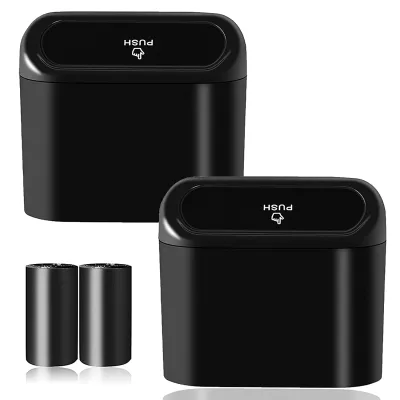
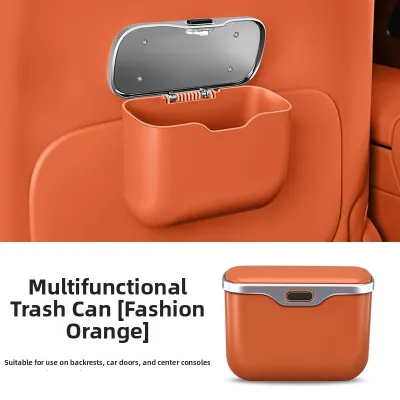
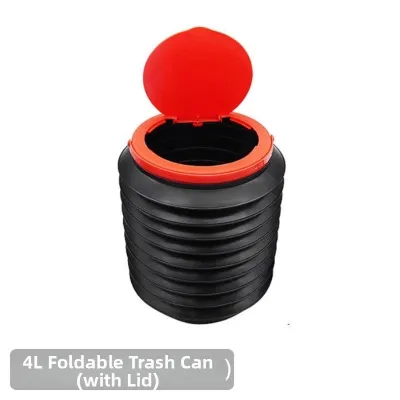
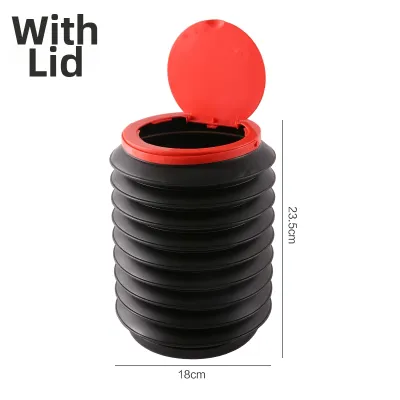
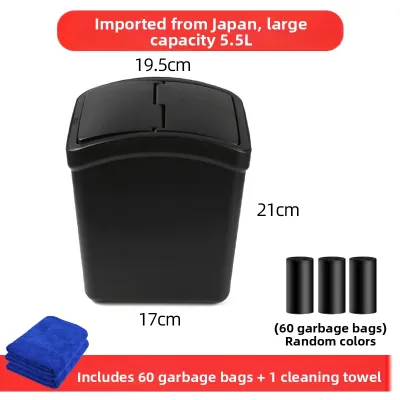
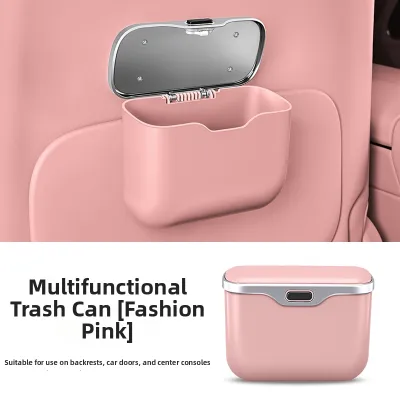
Prices are valid at publication and may change. Please refer to the product page for the latest price.
Passenger comfort and cabin utility also require careful trade-offs. A large hanging bin draped over the front passenger seatback might offer excellent capacity, but it can severely restrict the legroom of anyone sitting in the rear. If you frequently carpool or travel with family, a smaller, low-profile bin tucked into a door pocket or a cup holder is often a more practical choice than a bulky floor-standing model that gets kicked or tipped over during entry and exit.
Matching Trash Can Dimensions to Your Storage Zones
Once you have identified a safe and convenient zone, you need to match its physical dimensions with the footprint of the trash can. For cup holder models, use a ruler or caliper to measure the inner diameter and depth of your vehicle’s built-in cup holders. Many cup holder trash cans feature a tapered base designed to fit standard slots, but deeper or wider console designs may require a bin with an adjustable expansion base or a rubber sleeve to prevent rattling on uneven roads. These compact models are highly accessible but are generally limited to small, dry items like toll receipts, parking stubs, and candy wrappers.

If you are considering a seat gap or center console model, focus on the thickness and height limits of the space. A bin that is too wide will jam your seat adjustment tracks or prevent you from sliding the driver or passenger seat forward and backward. It can also put unnecessary pressure on the center console lid, making it difficult to open or close your armrest compartment. Measure the clearance when the seats are in their typical driving positions to ensure the bin sits snugly without warping the surrounding plastic or leather panels.
Door pocket models require a different set of measurements. You must check both the horizontal opening width and the vertical depth of the door compartment. Because door pockets often contour inward or feature molded bottle holders, a rigid rectangular bin might not slide all the way to the bottom, leaving it unstable and prone to falling out when you open the door. Look for flexible, slim-profile bins or soft-sided pouches that can adapt to the natural curves of your door panel.
Hanging and seatback models offer the most generous capacity, but they require careful evaluation of your seat structure. Inspect the headrest posts to ensure they are adjustable and can accommodate a mounting strap. You should also observe the slope of the seatback; a bin hanging from a highly reclined seat may dangle at an awkward angle, reducing rear passenger knee room and potentially blocking rear air conditioning vents or seatback storage pockets.
Evaluating Mounting Styles and Stability Features
A car trash can is only as good as its ability to stay in place while the vehicle is in motion. Insert and snap-fit styles rely entirely on physical space conformity to remain secure. If you choose a cup holder or door pocket insert, check if the product includes anti-slip silicone pads, foam spacers, or tension clips. These small features prevent the bin from vibrating against hard plastic surfaces, which can create annoying rattles during your daily commute.
Hanging and strap styles are highly versatile, but their stability depends on the quality of the fastening hardware. Look for heavy-duty nylon straps with adjustable buckles that allow you to cinch the bin tightly against the back of the seat or the center console. Some advanced hanging models feature secondary anchor straps or weighted bottom hooks that clip under the seat frame, preventing the bin from swinging back and forth when you accelerate or brake.
Adhesive and magnetic mounting styles offer a sleek, low-profile look but require careful surface preparation. Before applying an adhesive mount, verify that the mounting surface is made of smooth, non-porous plastic rather than textured leather or soft-touch vinyl, which can be permanently damaged by strong glues. Keep in mind that high cabin temperatures in tropical climates can weaken adhesive backings over time, potentially causing the bin to fall off when filled with heavy trash. Magnetic mounts are convenient for quick removal but require a secure metal contact point behind the interior trim.
The design of the lid is another critical stability and safety feature. Open-top bins offer quick access but provide no protection against spills or odors. Flip-lids and spring-loaded push lids are far better for containment, as they automatically close after use. This keeps trash out of sight and prevents lightweight items from blowing out of the bin when you drive with the windows down.
Balancing Capacity Needs with Emptying Frequency
Choosing the right capacity is a balancing act between your daily driving habits and the physical space inside your cabin. While a large-capacity bin (such as a 5-liter or 10-liter hanging bag) means you do not have to empty it every day, keeping trash in your vehicle for extended periods is rarely a good idea. In warm, humid climates, organic waste like fruit peels, coffee cups, and fast-food packaging will quickly generate unpleasant odors and attract insects if left overnight.
For daily commuters who primarily generate dry waste like paper receipts and plastic wrappers, a small 1-liter to 2-liter bin is usually sufficient and keeps the cabin looking tidy. If you frequently take long road trips, travel with children, or eat meals inside your vehicle, a medium 3-liter to 4-liter bin with a leak-proof liner is a more appropriate choice.
Regardless of the size you choose, look for a trash can that features a reliable liner retention system. Bins with built-in clips, magnetic rims, or inner collar rings allow you to secure standard plastic grocery bags or dedicated small liners without the edges slipping down inside the bin. This prevents wet waste from coming into direct contact with the bin’s interior walls, making the emptying process quick, clean, and hassle-free.
Common Sizing and Placement Mistakes to Avoid
One of the most common mistakes vehicle owners make is purchasing an oversized bin without checking the clearance of nearby components. An excessively large trash can mounted on the back of the center console can block rear passenger climate control vents, obstruct USB charging ports, or prevent the folding of rear split-seats. Always verify that your chosen placement does not cover or restrict access to electronic buttons, seatbelt buckles, or storage compartments.
Another frequent error is ignoring the material compatibility of the trash can. Rigid plastic bins are easy to wipe clean but can scratch delicate leather seats or soft interior plastics if they rub against them constantly. Conversely, fabric bins are softer and quieter but must feature a fully waterproof, heat-sealed inner lining to prevent liquids from leaking onto your vehicle’s carpets. Avoid fabric bins that rely on simple stitched seams, as liquids can easily seep through the needle holes and cause stubborn stains and mold growth in your floorboards.
Frequently Asked Questions (FAQ)
Can I use a regular household mini trash can in my car?
While a household mini trash can might seem like an easy, low-cost solution, it lacks the specialized securing mechanisms required for a moving vehicle. Without straps, weighted bases, or custom-fit shapes, a standard household bin will slide, tip over, or spill its contents during normal turns and sudden stops. Investing ₱300 to ₱800 in a dedicated car trash can with proper mounting features ensures your trash stays contained and your driving remains safe.
How do I clean a car trash can that has developed an odor?
To clean a smelly car trash can, first remove it from the vehicle and empty all loose debris. Wash the interior with warm water and a mild dish soap, using a soft sponge to avoid scratching plastic or tearing waterproof liners. For stubborn odors, wipe the inside with a mixture of water and white vinegar, then allow the bin to air-dry completely in a well-ventilated area before returning it to your car, as trapping moisture inside a closed vehicle can lead to mold.
Community discussion
Share your experience or ask a question. Comments are reviewed before publication.