
Choosing the right size car trunk organizer comes down to matching the physical dimensions of your cargo area with your daily storage needs while maintaining clear rear visibility and safe vehicle operation. A poorly fitted organizer can slide around during sudden stops on busy city streets, block access to your spare tire, or restrict your view through the rear window. By taking precise measurements of your trunk’s unique geometry and selecting a configuration tailored to your vehicle type, you can keep your emergency gear, groceries, and travel essentials neatly secured.
In tropical climates like the Philippines, where sudden downpours require carrying wet umbrellas, muddy slippers, and damp towels, a well-chosen organizer also protects your vehicle’s carpeting from moisture and mildew. Taking the time to measure your space ensures you do not buy an accessory that is too bulky to use or too small to be practical.
How to Measure Your Trunk Space for an Organizer
To find the maximum allowable dimensions for your organizer, you must measure the actual usable space rather than relying on the manufacturer’s total cargo volume specifications. Use a standard measuring tape to record the width, depth, and height of the trunk floor. Always consult your vehicle’s owner’s manual to verify the exact cargo weight limits, anchor point locations, and safety guidelines for your specific model and year before installing any heavy aftermarket accessories.
Products mentioned in this guide
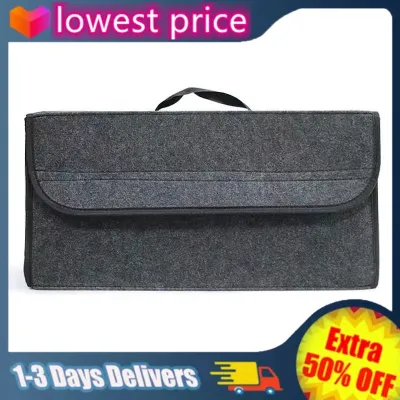

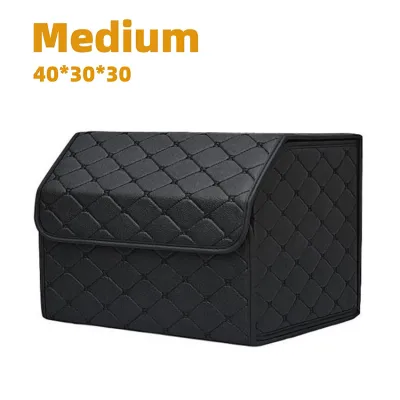
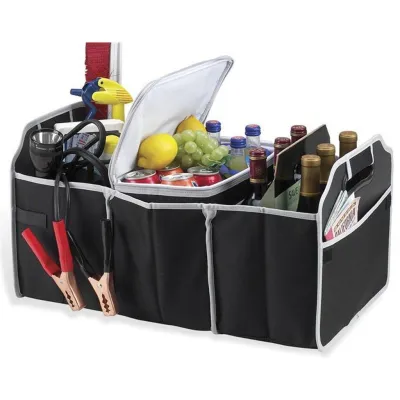
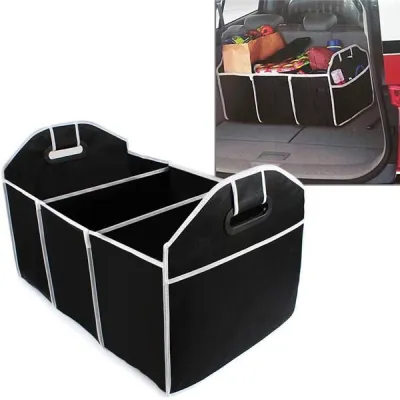
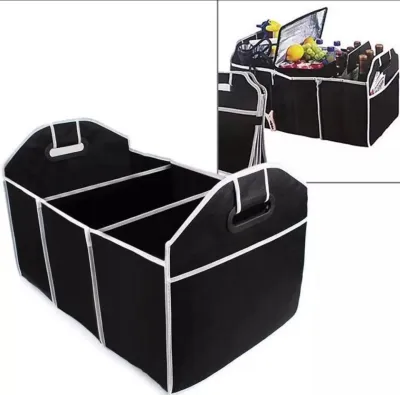
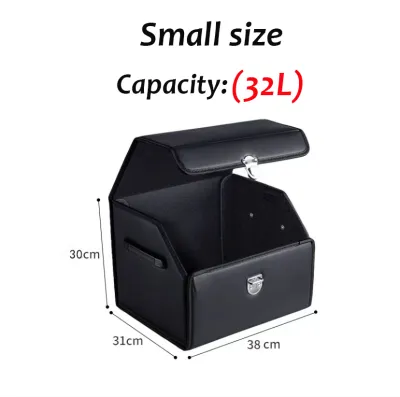

Prices are valid at publication and may change. Please refer to the product page for the latest price.
When measuring width, do not simply measure from wall to wall. Instead, measure the narrowest distance between the protruding wheel arches. This ensures the organizer can sit flat on the floor rather than resting awkwardly on an angle, which could cause it to tip over during sharp turns.
For depth, measure from the back of the rear seats to the inside edge of the trunk sill. If your rear seats recline, adjust them to your typical passenger position before measuring to avoid buying an organizer that prevents passengers from sitting comfortably.
Height clearance is especially critical in sedans and hatchbacks. Measure from the floor to the lowest point of the rear parcel shelf or the cargo cover. If you drive an SUV or AUV, measure up to the top of the rear seatbacks to ensure your organizer does not block your rearview mirror.
Do not forget to measure the trunk opening itself. An organizer might technically fit inside the cargo area but be too wide or tall to pass through the trunk lid or tailgate opening without scraping the weather stripping or bumper paint.
Finally, locate any built-in features that could interfere with placement. Note the positions of cargo hooks, tie-down anchors, 12V power outlets, and the latch mechanism for the spare tire well. Your organizer should sit securely without blocking access to these essential components or pinching electrical cords.
Match Organizer Proportions to Your Vehicle Type
Different vehicle body styles present distinct spatial challenges, meaning an organizer that works perfectly in a large utility vehicle will likely overwhelm a compact commuter car.

Sedans typically feature deep, low-profile trunks with a fixed rear parcel shelf. For these vehicles, look for longer, shallower organizers that spread cargo horizontally across the trunk floor. This design keeps items within easy reach near the trunk opening while leaving the deeper recesses of the trunk free for larger luggage. It also ensures the organizer remains well below the parcel shelf, preserving your rear window visibility.
Sports utility vehicles (SUVs) and Asian Utility Vehicles (AUVs) offer generous vertical space and wide floor plans, but they also lack a physical barrier between the passenger cabin and the cargo area. In these vehicles, taller organizers can help you utilize vertical space, but they must be secured properly to prevent them from becoming projectiles during sudden stops. Look for models that align with the height of the rear seatbacks and leave enough room to fold the seats down when hauling larger cargo.
Hatchbacks combine a compact footprint with a steep rear glass angle, which significantly limits upper cargo space. If you drive a hatchback, prioritize compact, collapsible designs that sit low to the floor. This prevents the organizer from interfering with the rear wiper motor housing, the tailgate closing mechanism, or the slope of the rear window.
Regardless of your vehicle type, consider the humidity and heat of a tropical environment. Opt for organizers made from breathable, water-resistant materials like heavy-duty polyester with a polyurethane coating. These materials resist mold and mildew growth when storing damp items after a rainy day.
Choose the Right Configuration for Your Cargo
Once you know the maximum dimensions that will fit your vehicle, consider how the internal layout of the organizer will serve your daily routine.
If you frequently transport a mix of small items like emergency tools, wet umbrellas, and grocery bags, look for an organizer with adjustable dividers. Removable panels allow you to customize the compartment sizes on the fly, preventing a single heavy bottle from crushing delicate items during transit. Fixed compartments, on the other hand, offer superior structural rigidity for consistently carrying heavy, uniform gear.
Collapsible or fold-flat capabilities are highly beneficial for drivers who need to balance daily organization with occasional heavy hauling. A modular organizer that can fold down to the size of a single compartment—or collapse completely flat—allows you to reclaim your trunk floor space instantly when loading large suitcases, sports equipment, or boxes.
Pay close attention to the construction of the handles and the overall rigidity of the side panels. If you plan to carry the organizer out of the vehicle—such as bringing groceries directly into your home—ensure the handles are reinforced with heavy-duty stitching or metal rivets. Check the manufacturer’s specified weight limits and verify that the base plate is rigid enough to prevent the organizer from sagging or buckling when fully loaded.
Secure the Organizer and Maintain Safe Access
An unsecured trunk organizer can slide across the cargo floor during sharp turns or sudden braking, potentially damaging your vehicle’s interior panels or spilling its contents.
To prevent shifting, match the organizer’s base material to your vehicle’s trunk flooring. If your trunk has a carpeted liner, look for organizers equipped with hook-and-loop strips on the bottom to grip the fabric fibers. For vehicles with rubber cargo mats or plastic utility floors, choose an organizer with non-slip rubber feet or integrated tie-down straps that anchor to the vehicle’s built-in cargo rings.
Safety must always take priority over storage capacity. When positioning your loaded organizer, verify that it does not obstruct your rearview camera’s field of view, block parking sensor modules, or interfere with the deployment paths of rear side airbags.
Before driving, gently close the trunk lid or tailgate to confirm it latches securely without pressing against the organizer. Forcing a trunk closed against an oversized organizer can damage the latch mechanism, warp the rear parcel shelf, or put dangerous pressure on the rear glass panel.
Frequently Asked Questions (FAQ)
Can I use a large trunk organizer in a small hatchback?
Using an oversized organizer in a compact hatchback is generally not recommended due to severe spatial limitations. A large unit can easily block your rear window visibility, interfere with the tailgate’s closing path, and prevent the rear wiper assembly from operating safely. Instead, measure the narrowest point of your cargo area and opt for a modular, collapsible organizer that can be resized or folded down when not fully needed.
How do I keep the organizer from sliding on a carpeted trunk floor?
The most effective way to stabilize an organizer on a carpeted trunk floor is to use built-in hook-and-loop fasteners that grip the carpet fibers directly. If your organizer does not have these, you can attach adhesive-backed hook-and-loop strips to the bottom of the unit, or use adjustable tie-down straps connected to your vehicle’s factory cargo anchors. Avoid using permanent adhesives, heavy-duty duct tapes, or double-sided mounting tapes on your trunk lining, as these can permanently ruin the carpet fibers or leave a sticky, difficult-to-remove residue.
Community discussion
Share your experience or ask a question. Comments are reviewed before publication.