
Choosing the right wet-weather gear is one of the most critical decisions for any female motorcyclist navigating the unpredictable roads of the Philippines. To stay dry and safe during intense downpours, you need a heavy-duty, two-piece motorcycle raincoat made from thick polyvinyl chloride (PVC) or polyurethane (PU) coated polyester, featuring fully heat-sealed seams and a riding-specific cut. Finding reliable raincoats for adult makapal women riders—where “makapal” represents the thick, durable construction required to withstand high-speed wind and rain—is a matter of both personal comfort and operational safety on the road. By focusing on material integrity, safety-first design elements, and precise sizing, you can secure gear that keeps you dry without compromising your control of the motorcycle.
Assess Your Riding Conditions and Rain Exposure
Riding a motorcycle in the Philippines during the wet season presents unique environmental challenges. The southwest monsoon, or habagat, along with sudden tropical depressions, can transform a dry commute into a hazardous journey within minutes. Standard rain showers often escalate into blinding downpours accompanied by strong gusts of wind and heavy road spray from larger vehicles. In these conditions, thin, disposable plastic ponchos or lightweight windbreakers fail almost instantly, tearing under wind pressure and allowing water to seep through closures.
A thick, heavy-duty raincoat is essential for daily commuters because it provides structural resistance against both water and wind. When riding at speeds of 40 to 60 km/h, rain strikes your body with significant force, easily penetrating thin fabrics. A thick material blocks this pressure, preventing the stinging sensation of cold rain and keeping your core temperature stable. Furthermore, a sturdy raincoat will not balloon or flap violently in the wind, which helps maintain your balance and prevents driver distraction.
Products mentioned in this guide
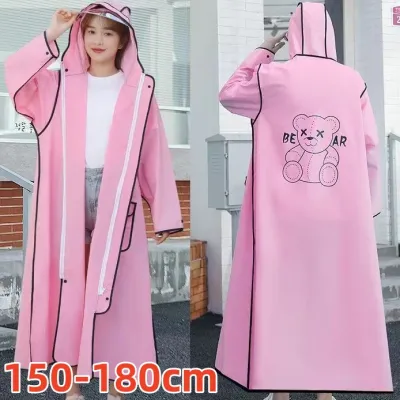
Prices are valid at publication and may change. Please refer to the product page for the latest price.
Your specific daily route and choice of motorcycle should dictate the level of protection you choose. If you ride a scooter with a step-through design, your lower body receives partial protection from the front fairing, but water will still pool in your lap. If you ride a manual motorcycle or an underbone, your legs are fully exposed to the elements and the heat of the engine. Longer commutes require more robust material thickness and superior breathability to prevent sweat buildup, while shorter city trips might prioritize quick-wear designs that can be slipped on rapidly at the roadside.
Evaluate Material Thickness and Waterproof Construction
When evaluating thick rainwear, understanding the difference between water-resistant and truly waterproof materials is critical. Heavy-duty PVC is a popular choice for local riders because it is completely impervious to water and highly resistant to abrasions. However, PVC can be heavy and stiff, which may restrict your movement on the bike. Alternatively, polyester treated with a thick polyurethane (PU) outer coating offers a lighter, more flexible feel while maintaining excellent waterproof performance, though it often comes at a higher price point.

To ensure your raincoat can withstand prolonged exposure, you must look beyond the fabric itself and examine the seam construction. Water rarely leaks through the middle of a solid waterproof fabric; instead, it penetrates the tiny needle holes created during stitching. High-quality riding raincoats feature heat-sealed or taped seams on the inside. This manufacturing process applies a waterproof tape over the stitched seams using heat and pressure, sealing the needle holes completely. Before purchasing, verify that the manufacturer explicitly states the seams are taped or heat-sealed.
In a hot, humid tropical climate, wearing a thick, non-breathable plastic suit can quickly create a greenhouse effect, causing you to sweat profusely inside your gear. To combat this, look for raincoats equipped with an inner mesh lining. This lining creates a physical barrier between your skin and the waterproof outer shell, preventing the cold, wet material from sticking to your arms and legs. It also facilitates minor airflow, keeping you significantly more comfortable during slow-moving traffic.
Be cautious of the common misconception that a heavier weight automatically guarantees better waterproofing. Some cheap, low-grade plastics are thick and heavy but brittle, leading to cracks along fold lines after only a few uses. Conversely, high-tech composite fabrics can be moderately thin yet offer superior waterproof ratings and durability. Always prioritize verified waterproof ratings, quality coatings, and robust seam sealing over sheer physical weight.
Prioritize Safety and Riding-Specific Design Features
Your raincoat must never introduce new hazards to your ride. Because heavy rain drastically reduces visibility for all motorists, choosing a raincoat with high-visibility features is a vital safety measure. Look for garments with bright colors on the upper torso, such as neon green, yellow, or orange. More importantly, ensure the raincoat has wide, retroreflective strips across the back, chest, and sleeves. These strips reflect the headlights of oncoming and trailing vehicles, making you visible even in low-light, stormy conditions.
Hood design requires careful inspection, especially if you wear a helmet. A riding raincoat hood should either be thin enough to wear comfortably under your helmet without affecting its fit, or designed to roll up and tuck securely into a zippered collar. Never ride with a loose, flapping hood, as it can catch the wind, pull back on your neck, or block your peripheral vision when you turn your head to check your blind spots. If you prefer to wear the hood under your helmet, ensure it does not muffle your hearing or restrict your ability to turn your head freely.
Loose, oversized, or flapping panels present a severe safety risk on a motorcycle. Long drawstrings, loose coat hems, or wide poncho-style sleeves can easily get caught in the motorcycle’s moving parts, such as the chain, sprockets, or rear wheel, which can cause an immediate crash. Choose a two-piece jacket and pants set with a tailored, aerodynamic fit. The cuffs of the sleeves and pants should feature adjustable elastic bands or hook-and-loop straps to seal out water and prevent the wind from lifting the fabric.
Finally, check the closure systems on the front of the jacket. A simple zipper will let water through at high speeds due to wind pressure. To prevent this, quality riding jackets use a double-layered storm flap system. This design covers the main zipper with a wide strip of waterproof fabric that secures with snap buttons or hook-and-loop fasteners, creating a baffled barrier that diverts water away from the zipper line.
Selecting the Best Raincoats for Adult Makapal Women: Sizing and Fit
Sizing a motorcycle raincoat is vastly different from sizing everyday apparel. Because you must wear the raincoat over your regular clothing, office uniform, or protective riding jacket, you generally need to size up. If you normally wear a size Medium jacket, you will likely require a Large or Extra-Large raincoat to ensure a comfortable fit. A raincoat that is too tight will restrict your range of motion, making it difficult to steer, reach the handlebars, or react quickly in an emergency.
To find the correct size, take accurate body measurements of your chest, waist, hips, and inseam while wearing your typical riding gear, including any protective armor or backpacks you intend to cover. Compare these measurements against the specific manufacturer’s size chart. Sizing standards vary significantly between brands, especially on online marketplaces where Asian sizing may run much smaller than Western sizing. Do not rely on generic labels like “one size fits all,” as these rarely accommodate a woman’s body shape comfortably while riding.
Pay close attention to articulated design features that cater to the seated riding position. When you sit on your motorcycle, your knees bend and your arms extend forward to grip the handlebars. This posture pulls the sleeves up your arms and the pant legs up your calves. Look for raincoats with pre-bent elbows, extended sleeve lengths, and gusseted crotches. A gusseted crotch uses a triangular piece of fabric to distribute stress across the seams, preventing the pants from tearing when you mount or dismount your motorcycle.
Ensure that the pant legs are long enough to cover the tops of your riding boots when your feet are resting on the footpegs or floorboards. If the pants are too short, water running down the raincoat will drain directly into your footwear. Similarly, the sleeves should remain long enough to overlap with the cuffs of your riding gloves, preventing water from blowing up your arms as you ride.
Step-by-Step Selection and Purchasing Guide
Finding the right raincoat requires a systematic approach to ensure you receive a genuine, durable product rather than a cheap imitation. Follow this step-by-step guide to make an informed purchase:
- Step 1: Filter for Motorcycle-Specific Gear
Avoid generic hiking or industrial rainwear. Search specifically for motorcycle-specific two-piece rain suits. These are engineered for high-speed wind resistance, have reinforced crotches, and feature cuts optimized for a seated riding position. - Step 2: Scrutinize Product Descriptions and Reviews
When browsing online marketplaces, look closely at customer reviews. Pay attention to feedback from other riders regarding seam leakage, zipper failures, or the material peeling after exposure to tropical heat. If multiple reviews mention water seeping through the crotch or underarms, avoid that product. - Step 3: Verify Return and Exchange Policies
Because getting the right fit over your existing riding gear can be challenging, choose sellers that offer clear, hassle-free return or exchange policies. This allows you to try the raincoat on at home over your riding jacket and exchange it if it restricts your movement. - Step 4: Perform a Physical Inspection
If buying in-store at a local motorcycle accessory shop, physically inspect the garment. Pull gently on the seams to ensure the internal tape is firmly adhered and not peeling. Test the zippers several times to ensure they glide smoothly without catching on the fabric, and check that the snap buttons on the storm flap snap securely.
Maintain Your Raincoat in a Humid Climate
Proper maintenance is essential to preserve the waterproof integrity of your thick raincoat and prevent the growth of mold in the high humidity of the Philippines. After riding through a storm, your raincoat will be covered in road grime, mud, and oily residue. Always check the manufacturer’s care label on your specific garment before cleaning. To clean the raincoat safely without damaging its protective coatings, rinse off any mud with clean, cold water and gently wipe the surface with a soft, damp microfiber cloth.
Never use harsh laundry detergents, bleach, or fabric softeners, as these chemicals can strip away the outer durable water repellent coating and degrade the internal seam tape. Do not machine wash or tumble dry your raincoat unless the manufacturer’s care instructions explicitly state it is safe to do so. The mechanical agitation of a washing machine can delaminate the waterproof backing and cause the heat-sealed seams to peel apart.
Once cleaned, drying the raincoat thoroughly is the most critical step in preventing material degradation. Hang the wet raincoat in a shaded, well-ventilated outdoor area or a room with active airflow. Never dry your raincoat under direct, intense sunlight, as prolonged UV exposure can make PVC brittle and cause PU coatings to crack and peel.
Ensure the raincoat is completely dry inside and out before folding or storing it. Folding a damp, thick raincoat and placing it in a motorcycle under-seat compartment or a storage bag will trap moisture. In the humid Philippine climate, this trapped moisture will rapidly lead to the growth of mold, mildew, and unpleasant odors, which will permanently damage the waterproof layers. Store the dry raincoat by hanging it on a wide, padded hanger in a cool, dry closet to maintain its shape and prevent sharp creases from weakening the fabric over time.

Community discussion
Share your experience or ask a question. Comments are reviewed before publication.