
Finding the correct replacement filter for your vehicle is essential to maintain engine health and cabin air quality. To determine which Thunder air filter or cabin filter fits your car, you must match your vehicle’s specific make, model, year, and engine displacement with the corresponding original equipment manufacturer (OEM) part number or the manufacturer’s cross-reference catalog. In the Philippines, where driving conditions involve high humidity, heavy urban traffic, and dusty provincial roads, selecting the exact fit is critical to prevent unfiltered air from bypassing the filter housing.
Air Filter vs. Cabin Filter: Understanding the Difference
Many car owners confuse engine air filters and cabin air filters because both components perform filtration tasks. However, they serve entirely different systems within your vehicle, utilize distinct filtration media, and are located in separate areas. Purchasing the wrong type of filter is a common mistake that can delay routine maintenance and leave your vehicle unprotected.
An engine air filter is located under the hood, typically housed in a plastic air box near the intake manifold. Its primary role is to protect the engine’s combustion chamber from dust, dirt, sand, and other road debris. By ensuring that only clean air mixes with the fuel, this filter directly impacts engine performance, fuel efficiency, and overall longevity. A clogged or incorrect engine air filter can restrict airflow, leading to incomplete combustion, reduced horsepower, and accelerated wear on internal engine components like pistons and cylinder walls.
Products mentioned in this guide
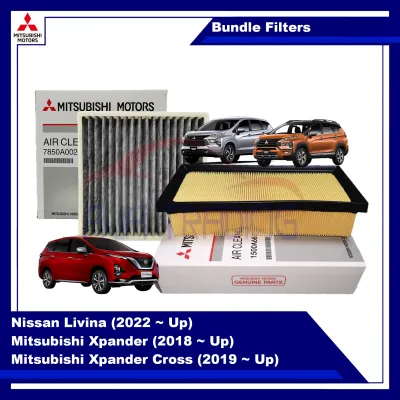
Prices are valid at publication and may change. Please refer to the product page for the latest price.
In contrast, a cabin air filter is designed to protect the occupants of the vehicle. Usually positioned behind the glove compartment or under the dashboard, this filter cleans the air entering the vehicle’s interior through the heating, ventilation, and air conditioning (HVAC) system. It traps airborne pollutants, pollen, dust, mold spores, and exhaust fumes from other vehicles. In highly congested urban areas, a functioning cabin filter is essential for maintaining a healthy interior environment and preventing respiratory discomfort for the driver and passengers.
Because these filters serve completely different purposes, they are engineered with unique dimensions, pleat densities, and frame materials. They are not interchangeable under any circumstances. When shopping for thunder automotive parts, you must treat the engine air filter and the cabin air filter as two separate purchasing decisions, each requiring its own specific part number verification.
How to Find the Exact Thunder Filter Model for Your Vehicle
Identifying the correct filter model requires a systematic approach to ensure compatibility with your car’s specific configuration. Relying solely on a vehicle’s model name can lead to errors, as manufacturers often alter filter designs during mid-year production runs or across different engine trims.

Inspect the existing filter To begin, safely locate and remove the current filter from your vehicle. For the engine air filter, open the hood, release the metal clips or screws securing the air box cover, and lift the filter out. For the cabin filter, open the glove box, release the stop tabs on the sides, lower the glove box housing, and slide out the cabin filter tray. Inspect the plastic, rubber, or polyurethane frame of the old filter. Manufacturers typically stamp the OEM part number or an aftermarket cross-reference number directly onto this frame. Documenting this number provides a direct link to the matching Thunder replacement.
Consult the vehicle owner’s manual Your vehicle’s owner’s manual is a reliable source of technical specifications. Navigate to the maintenance or specifications section to find the recommended OEM part numbers for both the air and cabin filters. These numbers are highly accurate and serve as the standard reference point when searching through aftermarket catalogs. If you no longer have the physical manual, digital versions are often accessible on the vehicle manufacturer’s official website.
Use the Vehicle Identification Number (VIN) If your vehicle belongs to a transition year where a model facelift or engine update occurred, standard catalog lookups might present multiple options. To resolve this, locate your vehicle’s 17-character VIN, which is found on your Land Transportation Office (LTO) Certificate of Registration (CR) or on a metal plate visible through the driver-side windshield base. Providing this unique number to an authorized parts specialist allows them to access the precise build specifications of your individual chassis, ensuring a perfect match that accounts for any mid-generation design adjustments.
Navigate the Thunder catalog Once you have gathered your vehicle’s make, model, production year, engine series, and displacement (such as a 2.4-liter diesel or a 1.5-liter gasoline engine), you can cross-reference this data with the official Thunder product catalog. These catalogs are organized by vehicle brand and list the corresponding Thunder stock keeping unit (SKU) for both engine and cabin applications. If you are using an OEM part number, look for the cross-reference index in the catalog to find the exact Thunder equivalent.
When to Replace Your Filters: Key Warning Signs
Waiting too long to replace your automotive filters can lead to reduced vehicle efficiency and uncomfortable cabin conditions. Recognizing the physical and operational symptoms of a clogged filter allows you to perform replacements before performance issues escalate.
Engine air filter symptoms When an engine air filter becomes saturated with dirt, it restricts the volume of oxygen entering the combustion chamber. This restriction causes the engine control unit to adjust the fuel mixture, often resulting in sluggish acceleration and a noticeable drop in fuel economy. You might also hear unusual engine sounds, such as coughing or sucking noises, when accelerating. In severe cases, particularly in older diesel vehicles, a restricted intake can cause black smoke to exit the tailpipe, or trigger a check engine light on your dashboard due to mass airflow sensor errors. A physical inspection revealing dark gray pleats, leaf debris, or oil saturation indicates that the filter has reached the end of its service life.
Cabin filter symptoms In a tropical climate like the Philippines, the vehicle’s air conditioning system operates almost continuously. A clogged cabin air filter restricts the airflow passing through the evaporator core, resulting in weak air output from the vents even when the fan speed is set to maximum. This restriction puts unnecessary strain on the blower motor and reduces the system’s cooling efficiency. Additionally, you may experience persistent musty or damp odors inside the cabin, caused by moisture and organic debris trapped within the filter media. An unusually rapid buildup of dust on your dashboard or a whistling sound from the vents when the AC is running are also clear indicators that the cabin filter requires immediate replacement.
Environmental considerations While vehicle manufacturers provide baseline replacement intervals—typically every 10,000 to 15,000 kilometers—local driving conditions play a massive role in filter degradation. Navigating daily traffic along highly congested corridors like EDSA exposes your cabin filter to high concentrations of diesel soot and fine particulate matter. Similarly, driving on unpaved provincial roads or through areas prone to volcanic ash and agricultural dust will clog an engine air filter much faster than average. Under these demanding conditions, inspecting both filters every 5,000 kilometers is a prudent practice to ensure optimal engine protection and passenger comfort.
Verifying Fitment and Quality Before Purchase
Before finalizing your purchase of a Thunder filter, performing a few physical and administrative checks can save you the hassle of returning an incorrect part or installing a component that does not seal properly.
Match the part number exactly Always double-check that the alphanumeric code printed on the Thunder packaging matches your cross-referenced part number exactly. A single digit or letter variation can indicate a different mounting tab configuration, a change in overall thickness, or a different gasket profile. Even if the box looks identical to your previous purchase, verifying the full SKU ensures you do not attempt to install an incompatible part.
Inspect physical dimensions and seals Before discarding your old filter, place it side-by-side with the new Thunder replacement. Verify that the length, width, and depth match perfectly. Pay close attention to the rubber, foam, or polyurethane sealing gaskets running along the perimeter of the filter frame. The gasket must be flexible, uniform, and free from any tears or manufacturing defects. A compromised or poorly fitting seal allows dirty air to bypass the filtration media entirely, introducing abrasive particles directly into your engine’s cylinders or blowing pollutants into the passenger cabin.
Examine the filtration media High-quality filters feature evenly spaced, clean pleats with a sturdy backing structure to prevent the media from collapsing under high airflow pressure. Inspect the Thunder filter to ensure the pleats are uniform and there are no loose fibers, gaps, or structural deformities. Flimsy filters can warp over time, leading to air leaks and premature failure.
Avoid counterfeits Because Thunder is a recognized brand in the automotive aftermarket, counterfeit products can occasionally appear in the supply chain. Genuine Thunder parts are packaged in high-quality boxes with clear, crisp printing, correct spelling, and official branding. Look for security seals, holographic labels, or batch numbers printed on the box or the filter frame itself. If the price of a filter seems unusually low compared to standard market rates, treat it as a warning sign of a potential counterfeit.
Where to Source Genuine Thunder Automotive Parts
To ensure you are buying authentic Thunder products, buy from authorized auto parts distributors, established physical storefronts, or reputable local service centers. Physical shops in well-known automotive hubs allow you to inspect the product in hand before making a purchase.
If you prefer shopping digitally, look for verified flagship stores or authorized dealers on major online marketplaces. Avoid unverified third-party sellers who offer no product guarantees.
Always request an official receipt with your purchase. This document serves as proof of authenticity, is necessary if you need to return the item due to a fitment mismatch, and is required to claim any manufacturer warranties.
Frequently Asked Questions (FAQ)
Can I use a slightly different filter size if it fits snugly?
No, you must never use a filter that does not match the exact specifications of your vehicle. Even if a filter seems to fit snugly into the housing, a discrepancy of just a few millimeters can prevent the housing cover from sealing completely. This gap allows unfiltered air to bypass the filter media. For the engine, this means abrasive dust particles can enter the cylinders, causing rapid wear on internal components. For the cabin, it allows harmful pollutants and allergens to enter the passenger compartment. Always prioritize safety and compatibility by using the exact part number.
Are standard Thunder air and cabin filters washable and reusable?
Standard Thunder air and cabin filters utilize paper or synthetic fiber media designed for single-use filtration. These materials rely on microscopic pores and electrostatic properties to capture fine dust particles. Attempting to wash these filters with water, soap, or high-pressure compressed air will permanently damage the delicate fiber structure, tear the media, and strip away its filtration capabilities. While a washed filter might look clean, its ability to trap microscopic particles is severely compromised. Disposable filters must be replaced with new units once they reach the end of their service life.
Will using an aftermarket Thunder filter void my car's warranty?
Using a high-quality aftermarket filter like Thunder that meets or exceeds original equipment specifications generally does not void your vehicle’s warranty. Under standard consumer protection principles, a manufacturer cannot void a warranty simply because an aftermarket consumable was used, unless they can prove that the aftermarket part directly caused the mechanical failure. To protect yourself, always ensure the filter is installed correctly, keep your purchase receipts as proof of regular maintenance, and consult your vehicle manufacturer’s warranty terms or local consumer protection guidelines for detailed policies.
Community discussion
Share your experience or ask a question. Comments are reviewed before publication.