
Protecting your electric vehicle from the unpredictable Philippine weather is essential for preserving its lifespan. Choosing the correct avia ebike trapal (protective cover) ensures that your investment remains shielded from torrential rain, intense tropical sun, and abrasive dust. An improperly sized cover can do more harm than good, leading to moisture retention, wind damage, or physical instability when parked. By understanding how to measure your specific vehicle and account for common accessories, you can select a cover that offers optimal protection.
Why a Properly Fitted Trapal Protects Your Avia E-Bike
A high-quality protective cover acts as the primary barrier between your Avia e-bike and the elements. In the Philippines, the combination of high humidity, intense UV rays, and sudden downpours can accelerate the wear of plastic fairings and sensitive electronics. If a cover is too small, it will leave critical areas exposed to moisture. The lower motor hub, brake assemblies, and under-seat battery compartments are highly vulnerable to water ingress, which can lead to electrical shorts or corrosion. Stretched seams on an undersized cover are also prone to tearing, rendering the protection useless after only a few uses.
Conversely, an oversized cover presents a different set of risks. E-bikes are generally lighter than traditional gasoline motorcycles, making them highly susceptible to strong winds. A loose, baggy cover acts like a sail during storms, catching the wind and easily tipping the e-bike over. This can result in costly cosmetic damage, cracked fairings, or bent handlebars. Furthermore, excess material allows rainwater to pool on flat surfaces like the seat or floorboard. The weight of pooled water stretches the fabric, degrades the waterproof coating, and eventually leaks directly onto the vehicle.
Products mentioned in this guide
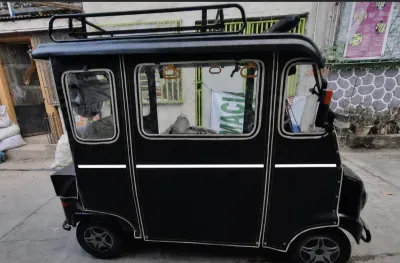
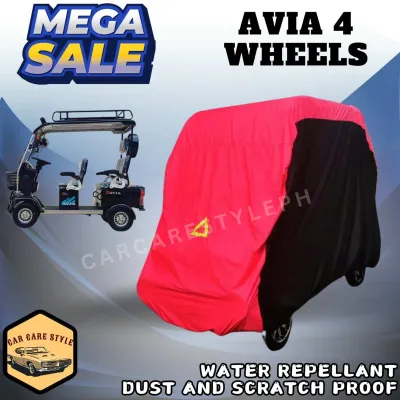
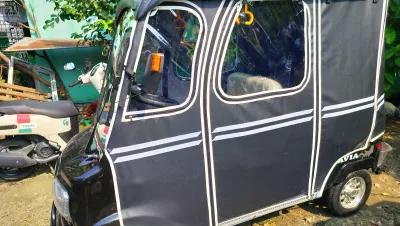
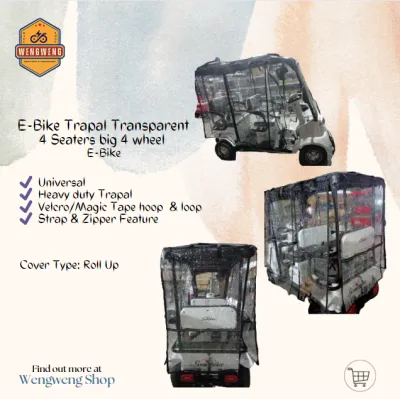
Prices are valid at publication and may change. Please refer to the product page for the latest price.
The unique step-through frame of the Avia e-bike requires a cover that drapes naturally without creating deep pockets where water can collect. Because the battery and wiring harnesses are positioned close to the frame’s core, the cover must shield these areas completely while still allowing proper air circulation to prevent condensation.
Tools You Need to Measure Your E-Bike Accurately
Before purchasing a cover, taking precise measurements is much more reliable than guessing based on generic size labels. You will need a few simple tools to get the job done correctly.

First, obtain a flexible metric measuring tape, such as a vinyl sewing tape. Avoid using rigid metal tape measures, as they can easily scratch the delicate plastic fairings, digital display, or painted surfaces of your e-bike. A flexible tape also allows you to wrap around curved body panels to capture true dimensions.
Second, have a smartphone or a notepad ready to write down the measurements immediately. Recording the dimensions in centimeters is highly recommended, as most local and international manufacturers display their sizing charts using the metric system.
Finally, enlist a helper to assist you. Having a second person hold one end of the tape measure ensures that the tape remains perfectly level and taut, resulting in highly accurate measurements across the wider sections of the vehicle.
How to Measure Your Avia E-Bike for a Custom Fit
Measuring the Base Dimensions (Length, Width, Height)
To establish a baseline, measure the e-bike in its standard, unadorned state. Park the vehicle on a flat, level surface and engage the center stand to keep it upright and stable. Verify your specific Avia model manual or vehicle documentation for any manufacturer-specified dimensions before proceeding.
To measure the overall length, stretch the measuring tape from the outermost front edge of the front tire to the rearmost edge of the rear tire or mudguard. Ensure the tape is held parallel to the ground to avoid underestimating the length.
Next, determine the maximum width of the e-bike. This measurement is typically taken from the outer tip of the left handlebar grip to the outer tip of the right handlebar grip. If your side mirrors are fixed and cannot be folded inward, measure the distance between the outermost edges of the mirrors instead, as this represents the widest point the cover must slip over.
To find the height, measure from the ground straight up to the highest point of the e-bike. On a standard Avia e-bike, this highest point is usually the top of the digital dashboard display or the brake fluid reservoirs. Do not measure from the floorboard; always start from the ground to ensure the cover will drape down far enough to protect the lower wheels and motor.
Accounting for Mirrors, Top Boxes, and Crash Guards
Many e-bike owners customize their vehicles with practical accessories for daily commuting in the Philippines. These additions alter the overall footprint of the vehicle, meaning a standard-sized cover may no longer fit.
If you have installed an aftermarket rear top box for helmet storage or delivery items, you must adjust your measurements. Measure from the highest point of the top box down to the seat level, and add this difference to your overall height measurement. Additionally, measure from the front tire to the very back of the top box to get an updated length, as the box often extends beyond the rear mudguard. When installing these heavy accessories, always refer to the manufacturer’s safety boundaries and original-vehicle instructions to ensure the frame’s weight limits are not exceeded or compromised.
Crash guards and bumper extensions also increase the width of the e-bike. Measure the widest span of these metal guards, which are often located near the front fairings or the rear footrests. This ensures that the bottom hem of the cover can stretch over the guards without snagging or tearing the fabric.
For side mirrors, check if they can be easily folded inward. If you can fold them, do so before measuring the width. This allows you to purchase a more compact, aerodynamic cover. If they are fixed, you must include their full, unfolded width in your final calculations to prevent the cover from putting excessive pressure on the mirror stems.
Matching Your Measurements to the Right Avia Ebike Trapal
Once you have recorded your e-bike’s exact dimensions, you can begin shopping for a suitable cover. Standard sizing labels like Small, Medium, Large, or Extra-Large are highly inconsistent across different brands. A cover labeled “Medium” by one manufacturer might be equivalent to a “Large” from another, so you must always compare your physical measurements directly to the brand’s specific centimeter-based size chart.
When selecting a size, do not choose a cover that matches your measurements exactly. Always add a buffer of 10 cm to 15 cm to both the length and the height. This extra clearance ensures that you can easily drape the cover over the e-bike without straining the fabric or struggling during daily use. A slight buffer also prevents the cover from pulling tight against sharp edges, such as brake levers or license plate brackets, which can cause premature wear and tearing.
Pay close attention to the design of the bottom hem. High-quality covers feature elasticized front and rear hems, adjustable drawstrings, or heavy-duty windproof buckles that clip underneath the chassis. These features are essential for securing the cover tightly around the wheels, preventing strong winds from lifting the cover and exposing the lower mechanical parts.
Additionally, check the manufacturer’s product specifications for material composition. For the tropical Philippine climate, look for covers made from high-density, UV-resistant materials with waterproof inner linings. High-quality covers in the local market typically range from ₱300 to ₱1,500 depending on material thickness and UV protection ratings. If you plan to clean your e-bike or the cover itself, use only label-authorized care products and cleaners that are safe for plastics, painted fairings, and waterproof coatings. Avoid harsh household detergents, as they can strip away the protective water-resistant layer of the cover and damage the e-bike’s delicate acrylic dashboard.
Common Sizing Mistakes to Avoid When Buying a Cover
One of the most frequent mistakes is purchasing a cover based solely on the product title containing the “e-bike” keyword. Many online marketplaces sell universal covers designed for lightweight electric bicycles. These covers are far too small for scooter-style Avia e-bikes, which have a much wider and taller profile.
Another common error is failing to account for aftermarket modifications, such as a tall front windshield or an extended rear delivery rack. A windshield significantly increases the height at the front, while a delivery rack extends the length at the back. If you buy a standard cover without accounting for these, the cover will sit too high, leaving the lower motor, battery compartment, and wheels completely exposed to rain and road grime.
Lastly, avoid the temptation to buy a standard, heavy-duty gasoline motorcycle cover without checking the dimensions. While it might seem like a safe, oversized option, these covers are designed for much larger, wider vehicles. On a compact Avia e-bike, the excess material will drape loosely on the ground. This loose fabric easily traps moisture underneath, harbors pests like rodents or insects, and acts as a wind sail that can easily knock your parked e-bike over during a storm.
How to Test the Fit and Secure Your Trapal
After purchasing your new cover, perform a test fit on a clean, dry e-bike to ensure everything aligns correctly. Park the vehicle on a stable, level surface using the center stand. Ensure that the cover does not block any road-legal reflectors or safety lights if you are parking in public spaces.
Gently drape the cover over the e-bike, starting from the front handlebars and mirrors, then pulling it back over the seat and rear mudguard. The cover should slide on smoothly without requiring you to pull or stretch the fabric forcefully. Check that the material is not under high tension over sharp components like the brake levers, mirrors, or the corners of a top box.
Examine the bottom hem of the cover. It should sit comfortably below the wheel hubs, effectively shielding the brake calipers, suspension components, and the rear hub motor from dust and splashing water. If the cover rides up and exposes these parts, it is too small or is being caught on an accessory.
Secure the cover using the built-in windproof buckles or straps underneath the chassis. If your cover does not feature integrated buckles, you can use soft, adjustable bungee cords. When securing the cords, ensure they do not press tightly against the plastic fairings, as constant vibration from the wind can cause the cords to scratch or crack the bodywork.
Finally, adjust the overall alignment of the cover. If your e-bike has an asymmetrical shape due to a side-mounted phone holder or an offset accessory, shift the cover slightly to distribute the tension evenly. This simple adjustment prevents localized wear and ensures the cover remains secure even during heavy rain and strong winds.
Frequently Asked Questions (FAQ)
Can I use a standard motorcycle trapal for an Avia e-bike?
While a standard motorcycle cover can physically cover an Avia e-bike, it is generally not recommended. Standard motorcycle covers are designed for larger, heavier gas-powered bikes, meaning they will be excessively long and wide for a compact e-bike. This excess material will drag on the ground, collecting dirt and water, and can easily catch strong winds, creating a sail effect that can tip your lightweight e-bike over. It is always best to choose a cover that closely matches your e-bike’s specific dimensions.
Should I remove the top box before covering the e-bike?
Deciding whether to remove your top box depends on your daily routine and storage setup. Leaving the top box on is highly convenient for daily use, but it requires you to purchase a larger, more expensive cover designed to accommodate the extra rear volume. If you store your e-bike for extended periods or prefer a tighter, more wind-resistant fit, removing the top box allows you to use a smaller, sleeker cover that is less likely to catch the wind or collect water.
Community discussion
Share your experience or ask a question. Comments are reviewed before publication.