
Riding a motorcycle in the Philippines during the monsoon season presents unique challenges. Sudden, torrential downpours can turn a daily commute into a wet, cold, and hazardous journey within minutes. To stay dry and focused on the road, riders frequently search for a “makapal” (thick) motorcycle raincoat. A heavy-duty raincoat does more than just block water; it resists the tearing forces of high-speed winds, prevents water from seeping through seams under pressure, and ensures you remain visible to other motorists in low-visibility conditions.
Choosing the right gear requires looking beyond basic waterproof labels and understanding the materials, construction techniques, and design features that define true heavy-weather protection. By focusing on material density, seam construction, and proper fit, you can find a reliable suit that keeps you comfortable and safe throughout the wettest months of the year.
Understanding "Makapal" and Heavy-Duty Rain Gear Standards
When riders search for a “makapal” raincoat, they are looking for material density and structural integrity. In the world of riding gear, thickness is not just about weight; it is directly tied to the fabric’s denier rating and the type of waterproofing technology used. Denier measures the textile weight of individual threads. A higher denier rating, such as 300D or 600D polyester or nylon, indicates a thicker, more tightly woven fabric that can withstand the abrasive forces of wind and road debris without tearing.
Products mentioned in this guide
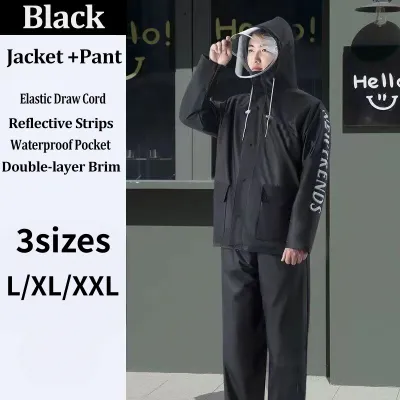
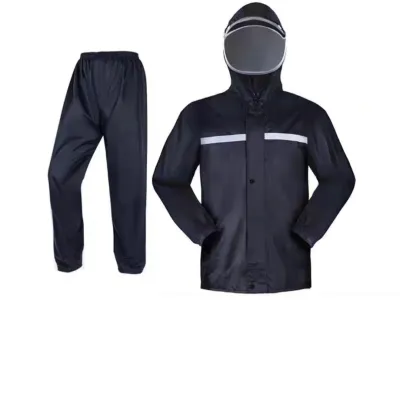
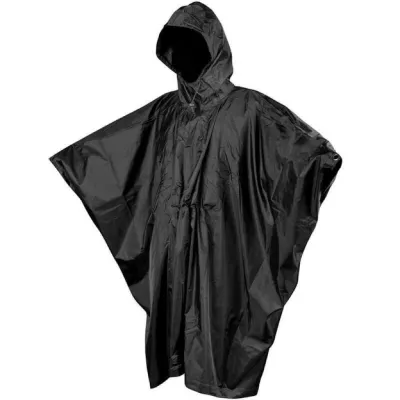
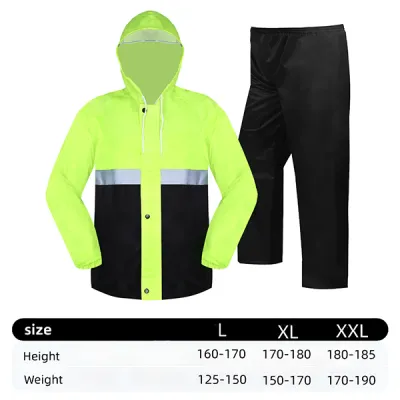
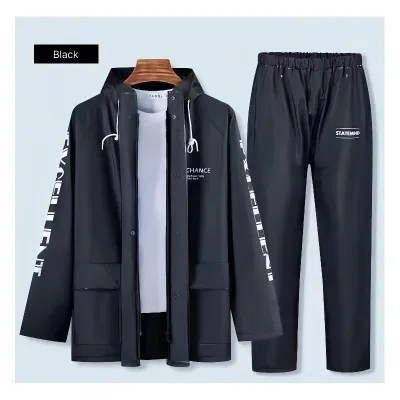
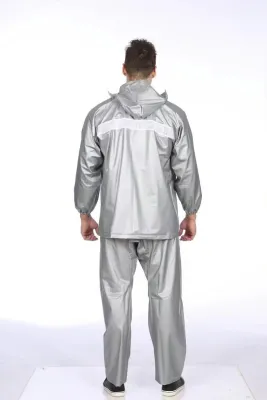
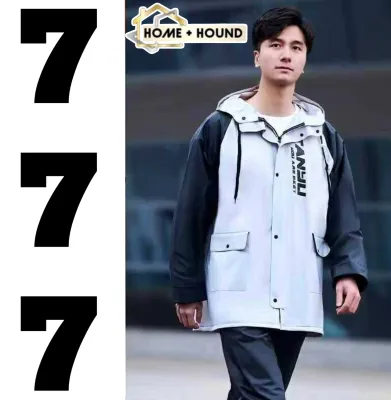
Prices are valid at publication and may change. Please refer to the product page for the latest price.
Standard lightweight ponchos and cheap plastic raincoats often fail during highway riding because they lack this structural density. Under the pressure of wind at riding speeds, thin materials balloon, flap violently, and eventually rip at the seams. Heavy-duty rain gear typically utilizes multi-layered fabrics. This often includes a durable outer shell made of high-denier polyester or nylon, laminated to a waterproof membrane like polyurethane (PU) or polyvinyl chloride (PVC) on the inside.
While thicker materials offer superior durability and wind resistance, they also introduce a trade-off in terms of riding mobility and heat retention. A very stiff, heavy raincoat can restrict your arm movement or make it difficult to turn your head to check blind spots. Therefore, when evaluating a thick raincoat, look for designs that incorporate pre-curved sleeves and flexible stretch panels in key areas. This ensures that the material’s thickness does not compromise your ability to react quickly on the road.
Critical Design Features for Monsoon Protection
A thick fabric is only waterproof if the garment’s construction prevents water from finding alternative entry points. During a heavy tropical downpour, wind drives water into every vulnerable gap, making construction details critical. The first area to inspect is the seam construction. Standard stitching leaves thousands of tiny needle holes that will inevitably leak under pressure. High-quality heavy-duty raincoats feature fully taped or heat-welded seams. This process applies a waterproof tape or melts the fabric edges together, sealing the stitching holes completely.

Zippers are another common failure point. A premium motorcycle raincoat must feature a robust main zipper protected by a double storm flap. This design uses an inner and outer layer of fabric that folds over the zipper, secured by hook-and-loop fasteners or heavy-duty snap buttons, to redirect wind-driven water away from the zipper teeth.
Adjustable closures are equally vital for blocking water ingress at high speeds. Look for raincoats with adjustable elastic cuffs, high collars with soft linings, and adjustable ankle straps. These features allow you to seal the openings around your wrists, neck, and boots, preventing water from riding up your sleeves or down your collar.
Finally, riding in heavy rain severely compromises visibility. A safe motorcycle raincoat must incorporate high-quality retroreflective elements. These reflective strips should be strategically placed across the back, shoulders, and chest to ensure you remain visible to other drivers through the sheet of water kicked up by traffic.
Matching Raincoat Styles to Your Riding Routine
Selecting the right style of heavy rain gear depends heavily on your daily riding routine, the type of motorcycle you ride, and your cargo requirements. The two primary styles available are two-piece jacket-and-pant suits and heavy-duty full-body ponchos or one-piece suits. For most active riders, a two-piece suit is the preferred choice. It offers a snug fit that minimizes wind resistance, prevents ballooning, and allows you to wear the jacket independently during lighter showers.
If you commute with a backpack, you must consider how your rain gear will accommodate it. Some heavy-duty raincoats are designed with an expandable rear compartment specifically to fit over a backpack, keeping your belongings dry without stretching the fabric or compromising the fit around your shoulders. If your raincoat does not have this feature, you will need to size up, which can lead to excess loose fabric that flaps at high speeds.
Leg coverage is another critical factor, especially on underbone motorcycles or scooters where your legs are more exposed to splashing water. Ensure the pants of a two-piece suit have a high waist and a generous inseam so they do not ride up above your boots when you are in the riding position.
In the hot and humid climate of the Philippines, wearing a thick, waterproof layer can quickly lead to excessive sweating, creating a damp environment inside the suit. To manage this, look for raincoats that feature ventilation systems, such as mesh-lined interiors, covered back vents, and underarm grommets. These features allow hot air to escape while preventing external water from entering.
How to Verify Waterproof Claims Before Buying
With many products claiming to be waterproof, riders need a reliable way to verify these assertions before making a purchase. One of the most accurate indicators of water resistance is the hydrostatic head rating, measured in millimeters (mm). This rating indicates the amount of water pressure a fabric can withstand before water starts to penetrate. For heavy monsoon riding, look for gear rated at 10,000mm or higher. A rating of 5,000mm may handle light showers, but the pressure of wind-driven rain at 60 km/h requires a much higher threshold.
When shopping, look for specific material certifications on the product tags. Standards such as EN 343 (a European standard for protective clothing against rain) provide independent verification of a garment’s waterproofness and breathability. If a manufacturer provides a clear warranty on waterproof performance, it is generally a good sign of material quality.
Be cautious of vague product descriptions that use generic terms like “water-resistant” or “showerproof” without providing technical specifications. A true heavy-duty motorcycle raincoat will explicitly state the materials used, such as PVC-backed oxford polyester, and detail the seam-sealing technology employed. If a listing only highlights the color or style while ignoring the technical construction of the seams and zippers, it is a major red flag.
Maintaining and Storing Your Heavy Rain Gear
Proper maintenance is essential to preserve the waterproof integrity and extend the lifespan of your thick motorcycle raincoat. Dirt, road grime, and sweat can gradually degrade the waterproof coatings and seam tape over time. Always refer to the manufacturer’s care label before cleaning your gear. As a general rule, avoid using harsh detergents, bleach, or fabric softeners, as these chemicals can strip away durable water repellent (DWR) coatings and damage polyurethane backings. Instead, hand wash the raincoat using mild soap and cool water, gently wiping away dirt with a soft sponge.
Never machine wash or tumble dry your heavy rain gear unless the manufacturer explicitly states it is safe to do so. The agitation of a washing machine can peel away seam tape, while the high heat of a dryer can melt or warp synthetic fabrics and waterproof membranes.
After washing, or after riding through a downpour, hang the raincoat to air-dry in a well-ventilated area away from direct sunlight. Ultraviolet (UV) rays from the sun can weaken synthetic fibers and degrade the adhesive used on seam tapes.
Before storing your gear, ensure it is completely dry. Storing a damp raincoat in a tight space or a non-breathable bag will lead to the growth of mold, mildew, and unpleasant odors, which can permanently ruin the fabric. Store your clean, dry raincoat by hanging it in a cool, dry closet, or fold it loosely and place it in a breathable storage bag.
Frequently Asked Questions (FAQ)
Is a Regular Thick Raincoat Safe for Motorcycle Riding?
No, a regular thick raincoat designed for walking or outdoor work is generally not safe or effective for motorcycle riding. These standard raincoats lack the aerodynamic fit required for riding speeds, causing them to balloon and flap violently in the wind. This flapping not only distracts the rider but can also snag on passing vehicles or motorcycle parts. Furthermore, standard raincoats do not offer the necessary abrasion resistance or reinforced seams to withstand the high-pressure water and wind encountered on a motorcycle, and they rarely feature the high-visibility reflective elements crucial for road safety.
How to Manage Heat and Condensation Inside Thick Rain Gear
Managing heat in a thick, waterproof suit during humid tropical rides requires active ventilation and smart layering. Avoid wearing cotton shirts under your rain gear, as cotton traps sweat and remains damp. Instead, wear moisture-wicking synthetic base layers that pull sweat away from your skin. Utilize any built-in ventilation features your raincoat has, such as opening zippered underarm vents or adjusting the main zipper slightly at the neck when stopped. If you begin to overheat, take regular breaks in a safe, dry location to unzip your jacket and allow your body to cool down.
How to Fix Leaking Seams on a Motorcycle Raincoat
If you notice water seeping through the seams of an otherwise durable raincoat, you can often perform a repair using specialized seam sealants. First, locate the leak by inspecting the interior seams for peeling or cracked seam tape. Clean the area thoroughly with rubbing alcohol and let it dry completely. Apply a thin, even layer of a flexible, polyurethane-based seam sealant (specifically formulated for outdoor gear) over the damaged area on the inside of the garment, following the product’s label instructions. Allow the sealant to cure fully in a well-ventilated area, typically for 24 hours, before using the raincoat again. If the seam tape is peeling extensively across the entire suit, it is usually a sign that the gear has reached the end of its lifespan and should be replaced.

Community discussion
Share your experience or ask a question. Comments are reviewed before publication.