
Navigating the daily motorcycle commute in the Philippines during the wet season requires gear that can withstand sudden, torrential downpours. When the skies open up during a heavy habagat monsoon or a tropical depression, a standard lightweight poncho is quickly overwhelmed by wind and water pressure. To stay dry and focused on the road, riders frequently search for a thick, rubberized raincoat—often referred to locally as “makapal”—to serve as a reliable barrier against the elements. However, choosing the right gear involves looking beyond generic marketing terms and understanding the technical specifications that define true waterproofing, durability, and rider safety.
Decoding "Rubberized" and "Thick" Material Labels
To make an informed purchase, it is essential to understand what “rubberized” actually means in the context of modern riding gear. Most heavy-duty raincoats are not made of pure rubber; instead, they feature a base fabric, such as polyester or nylon, coated with a synthetic waterproof layer. The two most common coating materials used in the industry are Polyvinyl Chloride (PVC) and Polyurethane (PU).
PVC coatings are highly favored for heavy rain because they are completely impermeable to water and exceptionally durable. This material provides that classic, heavy, thick feel that many riders associate with robust protection. PVC is highly resistant to tears and punctures, making it ideal for daily commuters who subject their gear to rough handling. However, PVC can be relatively stiff and heavy, which might trap body heat in the humid tropical climate.
Products mentioned in this guide
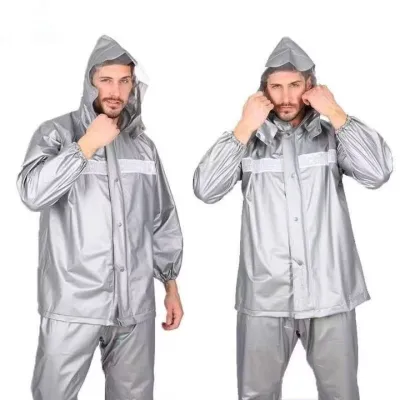
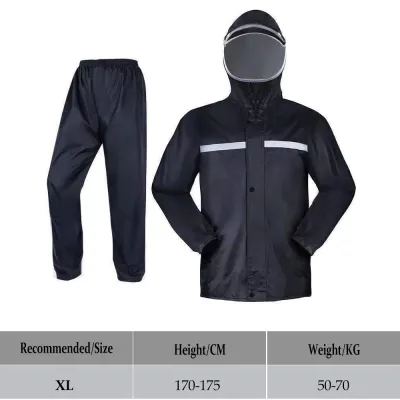
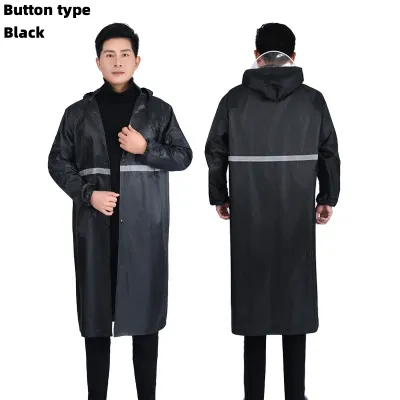
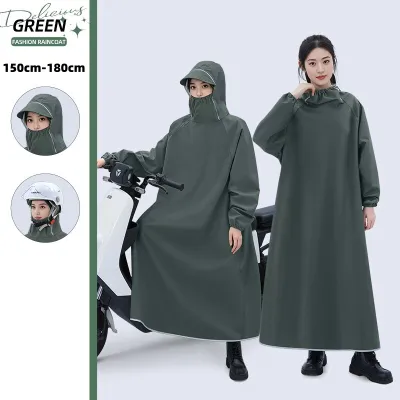
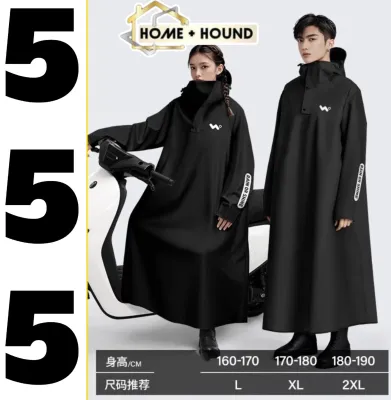
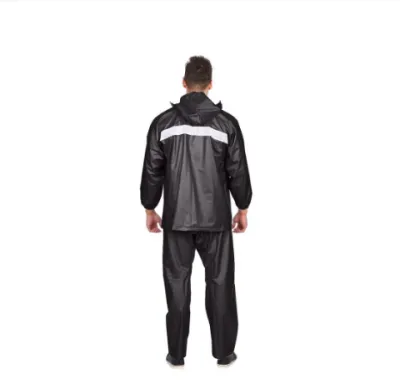
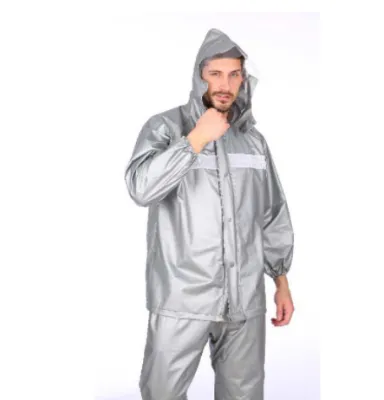
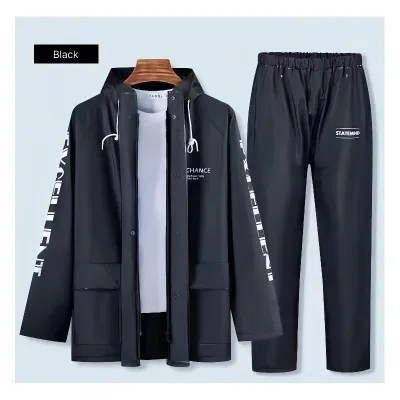
Prices are valid at publication and may change. Please refer to the product page for the latest price.
On the other hand, PU coatings offer a lighter, more flexible alternative. PU-coated raincoats are easier to fold and pack into a motorcycle’s under-seat compartment. While they provide excellent waterproofing, they are generally thinner than PVC and may require more careful maintenance to prevent the coating from peeling over time in high-humidity environments.
To measure the actual thickness and strength of the raincoat, look for fabric weight or denier indicators on the product tag. Denier measures the thickness of the individual threads in the base fabric. A higher denier rating indicates a stronger, more abrasion-resistant fabric. Additionally, some manufacturers specify the thickness of the waterproof coating in millimeters. Relying on these objective measurements, rather than subjective product descriptions, ensures you get a product that matches your durability expectations.
Essential Design Features for Heavy Rain Commutes
Even the thickest rubberized material will fail to keep you dry if the raincoat’s structural design allows water to seep through the entry points. When riding a motorcycle at highway speeds, wind pressure forces rainwater into every vulnerable gap, making specific design features non-negotiable for heavy rain commutes.

The most critical area to inspect is the seams. Standard sewing needles leave thousands of tiny holes along every seam line. To prevent water from penetrating these holes, high-quality rubberized raincoats utilize sealed, taped, or heat-welded seams. Heat welding is particularly effective for PVC gear, as it fuses the overlapping panels of material together to create a single, continuous, waterproof barrier. Before buying, turn the garment inside out to verify that all seams are completely sealed with waterproof tape or welded flat.
Zippers are another common failure point during active riding. A standard exposed zipper will leak almost instantly under wind-driven rain. Look for raincoats equipped with a robust storm flap system. This design features a wide strip of waterproof fabric that folds over the main zipper, secured by snap buttons or high-quality hook-and-loop fasteners. A double storm flap—one on the inside of the zipper and one on the outside—provides the best defense against water ingress.
Water can also easily find its way up your sleeves or down your boots due to wind currents. To prevent this, choose a raincoat with adjustable cuffs at the wrists and ankle straps at the bottom of the pants. Elasticized cuffs with adjustable hook-and-loop tabs allow you to create a tight seal over your riding gloves. Similarly, adjustable ankle closures prevent the pants from riding up and keep road spray from entering your footwear.
Finally, safety must never be compromised for waterproofing. Heavy rain significantly reduces visibility for all motorists on the road. Ensure your chosen raincoat features high-visibility reflective elements, such as retroreflective strips or piping across the back, chest, and sleeves. These elements reflect headlight beams from other vehicles, making you visible even in low-light, stormy conditions.
Fit, Mobility, and Helmet Compatibility
A raincoat that fits perfectly over a simple T-shirt may prove completely unusable when you prepare for a daily commute. Motorcycle riders must account for the bulk of their standard protective gear, including riding jackets with integrated elbow, shoulder, and back armor.
When selecting a size, it is generally advisable to size up by one or two sizes compared to your standard clothing size. This extra space ensures the raincoat can comfortably drape over your armored jacket without binding, pulling, or restricting your range of motion. A tight-fitting raincoat not only limits your ability to react quickly on the road but also places immense stress on the seams, leading to premature tearing and water leakage.
The design of the hood is another critical factor that affects both comfort and safety. Some riders prefer an over-helmet hood, which must be cut generously enough to fit over a full-face helmet without pulling the collar of the jacket upward. However, a large hood can catch the wind like a parachute at higher speeds, causing neck strain. Alternatively, an under-helmet hood is made of thin, stretchable waterproof material that fits snugly under your helmet, preventing water from running down your neck. If you prefer to ride without a hood, look for a jacket with a high, adjustable collar that can be cinched tight, and a hood that can be rolled up and zipped into the collar.
To maintain a natural riding posture, look for raincoats designed with gusseted backs and articulated joints. A gusseted back features extra folds of fabric that expand when you reach forward to grip the handlebars, preventing the jacket from pulling tight across your shoulders. Articulated sleeves are pre-curved to match the natural bend of your arms while riding, reducing fatigue during long commutes.
Building Your Shortlist: Pre-Purchase Verification
With numerous options available in physical shops and online marketplaces, building a reliable shortlist requires a systematic approach to pre-purchase verification. Taking the time to inspect specific details can save you from the frustration of a leaking suit during a sudden downpour.
If you are shopping in a physical store, perform a hands-on quality check. Run your fingers along the inner lining to ensure the rubberized coating is consistent, smooth, and free of bubbles or thin patches. Test the zipper hardware by pulling it up and down several times; it should glide smoothly without catching on the storm flap. Inspect the snap buttons to ensure they are securely anchored to the fabric and do not feel loose or prone to tearing out.
When purchasing from online marketplaces, where physical inspection is impossible before delivery, you must rely on smart shopping strategies. Carefully read the seller’s return and exchange policies, paying close attention to how they handle sizing exchanges. Because riding gear fit can be highly subjective, choose sellers that offer hassle-free returns. Additionally, look for customer reviews that specifically mention performance during heavy, sustained rain rather than brief showers, and look for photos uploaded by buyers to verify the actual thickness of the material.
Compare the price-to-feature ratio within your allocated budget. While it may be tempting to opt for the cheapest available option, extremely low-priced raincoats often cut corners on seam sealing, zipper quality, and reflective materials. Expect to invest between ₱1,000 and ₱3,000 for a durable, riding-specific rubberized raincoat set that offers welded seams and proper safety features.
Lastly, always verify the care labels before making your final decision. Some high-performance coatings require specialized cleaning agents or hand-washing routines. Ensure the maintenance requirements align with your lifestyle, as neglecting proper care will quickly degrade the waterproof properties of your gear.
Maintenance and Storage for Rubberized Gear
Even the highest-quality rubberized raincoat will degrade prematurely if it is not maintained and stored correctly. The combination of moisture, heat, and road grime can quickly break down PVC and PU coatings, leading to peeling, cracking, and unpleasant odors.
The most critical rule of raincoat maintenance is to never store wet gear in a cramped space, such as a motorcycle’s under-seat compartment or a backpack. Trapping moisture in a warm, dark environment creates the perfect breeding ground for mold and mildew, which can permanently damage the waterproof lining. Instead, hang your wet raincoat on a wide, plastic hanger in a well-ventilated indoor area immediately after your ride. Keep it away from direct sunlight and high heat sources, such as radiators or motorcycle exhausts, as extreme heat can dry out the rubberized coating and cause it to crack.
When it comes to storage, avoid folding your rubberized gear tightly for extended periods. Repeatedly folding the material along the same lines creates permanent creases that weaken the synthetic coating, eventually leading to cracks and leaks along those folds. If space allows, store your raincoat hanging up. If you must pack it for a ride, roll the jacket and pants loosely rather than folding them flat.
To clean your gear, follow the manufacturer’s instructions strictly. For most rubberized raincoats, a gentle wipe-down with a damp cloth and mild, diluted soap is all that is needed to remove road grime, salt, and dirt. Never use harsh chemical detergents, bleach, or fabric softeners, as these can strip away the waterproof layer. Avoid machine washing and tumble drying entirely, as the mechanical agitation and heat can delaminate the seams and ruin the coating.
Frequently Asked Questions (FAQ)
Can I use a standard rubberized raincoat for motorcycle riding?
While a standard rubberized raincoat designed for walking or outdoor work may keep you dry while standing still, it is generally unsuitable and unsafe for motorcycle riding. At commuting speeds, wind pressure forces water through standard stitched seams and non-flapped zippers that are not designed to handle high-velocity rain. Furthermore, standard raincoats are often cut loosely, causing them to flap violently in the wind. This flapping not only creates significant drag and rider fatigue but can also catch on motorcycle parts or obscure your mirrors. Finally, standard rain gear lacks the strategic reflective placement needed for road safety and does not offer any abrasion resistance, which is critical if you experience a slide on wet asphalt.
How do I know when to replace a peeling rubberized raincoat?
A peeling rubberized raincoat is a clear sign that the waterproof barrier has reached the end of its functional lifespan. You should inspect your gear regularly for signs of deterioration, such as water seeping through the shoulders, chest, or crotch area during a ride. Inside the jacket, look for a sticky residue, flaking white particles, or areas where the rubberized coating is visibly separating from the fabric backing. Once the coating begins to peel or delaminate, the material loses its structural integrity, and water will easily penetrate the fabric. Because localized patches or waterproof sprays cannot permanently restore a degraded factory coating, widespread peeling indicates that it is time to replace your raincoat to ensure you remain safe and dry on the road.

Community discussion
Share your experience or ask a question. Comments are reviewed before publication.