
Riding a motorcycle during the Philippine rainy season presents unique challenges that go far beyond navigating slippery asphalt. Sudden afternoon downpours, water-clogged streets, and persistent monsoon rains can quickly turn a daily commute or weekend ride into a miserable, hazardous experience. When water penetrates your footwear, it does more than cause temporary discomfort; wet feet lead to rapid cooling, a significant loss of tactile feel on the gear shifter and rear brake pedal, and a dangerous drop in concentration. To stay safe and control your motorcycle effectively, investing in dedicated waterproof motorcycle boots is essential. This guide outlines how to evaluate waterproof membranes, understand safety certifications, select the right boot style for your riding habits, and maintain your gear to withstand the intense humidity of the local climate.
Essential Features for Rainy Season Motorcycle Boots
When evaluating footwear for wet-weather riding, you must look beyond basic water resistance to find boots engineered specifically for the demands of motorcycling in heavy rain. The primary barrier against water is the internal membrane. Premium options often utilize specialized membranes like Gore-Tex, while other manufacturers employ proprietary waterproof, breathable liners. These membranes feature microscopic pores that are small enough to block liquid water droplets from entering but large enough to allow sweat vapor to escape. For these liners to work effectively, the boot must feature fully sealed seams and a gusseted tongue—a design where the tongue is connected to the sides of the boot by waterproof fabric folds, preventing water from seeping through the lace eyelets or zipper lines.
Safety should never be sacrificed for weatherproofing. When shopping, always inspect the internal label of the boot for official safety certifications, specifically the CE EN 13634 standard for protective footwear for motorcycle riders. This standard subjects the boot to rigorous testing for abrasion resistance, impact cut resistance, and transverse rigidity (the boot’s ability to resist being crushed if the motorcycle falls on your foot). The label displays a grid of numbers indicating whether the boot achieves Level 1 (basic protection) or Level 2 (enhanced protection) across these critical categories. Checking this label ensures you are buying a certified piece of safety equipment rather than a fashion boot that merely looks rugged.
Products mentioned in this guide
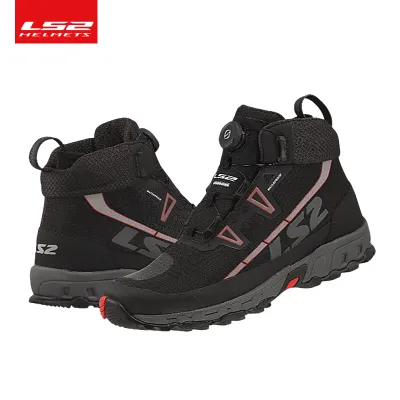
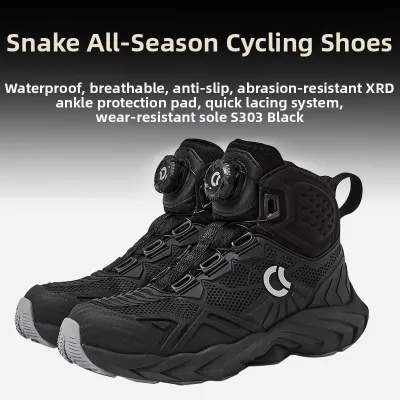
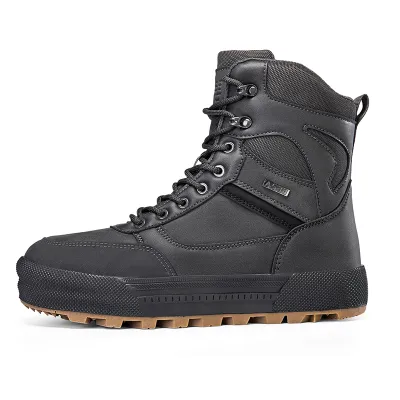
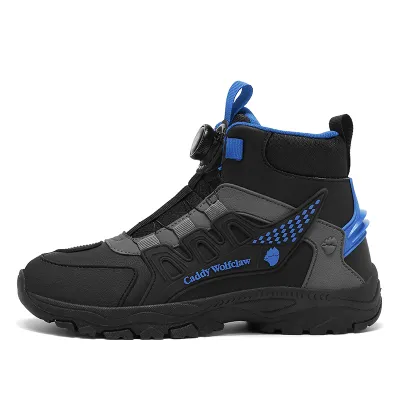
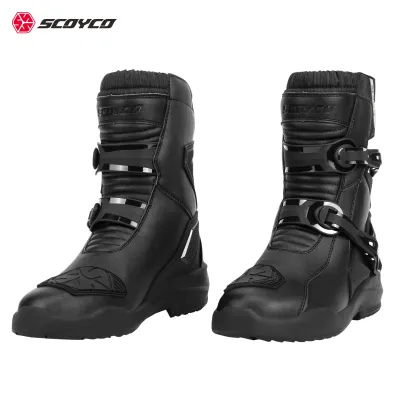
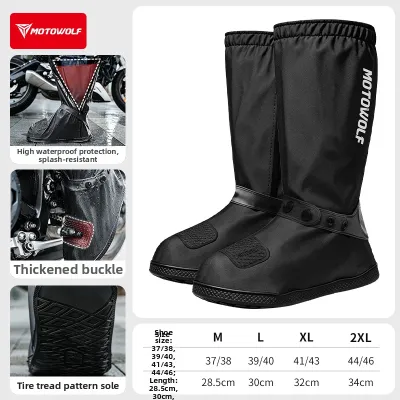
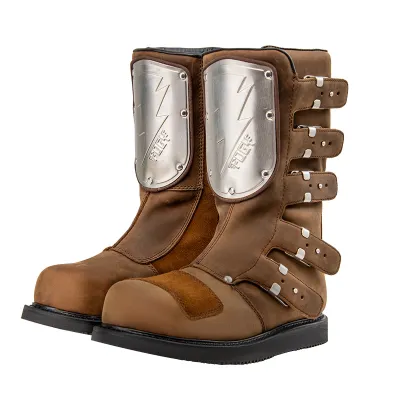
Prices are valid at publication and may change. Please refer to the product page for the latest price.
The sole of the boot is your only point of contact with the ground when coming to a stop, making grip a vital safety factor on wet roads. Look for sole grip patterns specifically designed to disperse water away from the contact patch, similar to the tread on a motorcycle tire. The rubber compound should remain soft and tacky even in cooler, wet conditions to provide reliable traction on slick painted road lines, metal drainage grates, and oil-slicked asphalt at intersections. Avoid flat, smooth soles that can easily slip when you plant your foot down on a wet surface.
Finally, robust structural elements are necessary to protect your feet from impact and twisting forces during an accident. High-quality waterproof boots incorporate molded ankle protectors (typically plastic or foam discs embedded over the lateral and medial malleolus), reinforced toe boxes to prevent crushing, and stiffened heel cups to stabilize the back of the foot. A steel or composite shank running through the midsole is also crucial, as it prevents the sole from flexing excessively under pressure while maintaining structural integrity during a slide.
Choosing the Right Boot Type for Your Riding Routine
Not all motorcycle boots are built for the same type of riding, and selecting the wrong style can lead to discomfort or inadequate protection. The weight, shaft height, and overall flexibility of a boot vary significantly across different riding disciplines. For instance, a heavy, rigid boot designed for off-road riding will feel incredibly restrictive during a stop-and-go city commute, while a lightweight urban riding shoe may lack the coverage and durability needed for long-distance highway touring. To find the ideal balance, you must match the boot’s design characteristics to your typical routes, motorcycle type, and daily habits.

Daily City Commuting
For riders navigating the dense, stop-and-go traffic of urban centers like Metro Manila or Cebu, convenience and temperature regulation are just as important as waterproofing. Low-cut or mid-cut riding boots—often styled to look like casual sneakers or work boots—are highly suitable for this routine. These designs offer greater flexibility at the ankle, making it much easier to walk comfortably once you park your motorcycle and head into an office, school, or store.
To make daily transitions seamless, look for boots equipped with quick-lacing systems, sturdy zippers, or wide hook-and-loop straps. Zippers should always be backed by an internal waterproof gusset and covered by an external storm flap to prevent water from forcing its way through the teeth at high speeds. Additionally, because tropical urban riding involves high humidity and frequent idling in traffic, prioritize boots that incorporate breathable textile panels alongside the waterproof membrane. This construction helps prevent sweat buildup, keeping your feet dry from both external rain and internal moisture.
Weekend Touring and Highway Riding
If your riding consists of long-distance highway trips and weekend tours, your footwear must withstand prolonged exposure to heavy rain at high speeds. For these journeys, taller boots with a high shaft height are highly recommended. A taller boot ensures that water running down your riding pants does not pool inside your footwear; the pants should always drape over the outside of the boot shaft to create a shingle effect that sheds water downward.
Long hours on the highway also require specific comfort features. Look for boots with integrated shift pads—reinforced overlays on the toe area that prevent the gear shifter from wearing down the boot material and causing discomfort to your toes. Reinforced insteps and padded shin guards add extra layers of protection against flying road debris. To ensure a secure, personalized fit, select boots with adjustable calf mechanisms, such as ratcheting buckles or large hook-and-loop panels, which allow you to snugly seal the boot collar over your calves or under your riding trousers.
Adventure and Mixed-Terrain Routes
Riders who venture onto unpaved roads, muddy trails, or poorly drained rural routes require the highest level of physical protection. Adventure-style waterproof boots feature rigid outer shells constructed from thick leather or synthetic microfibers, complemented by extensive plastic shin plates and heavy-duty buckle systems. These buckles are designed to remain secure even when caked in mud and are easily adjustable with gloved hands.
The soles of adventure boots feature aggressive, deep tread patterns designed to shed mud, grip loose gravel, and provide a stable platform when standing on the motorcycle’s footpegs. While these boots offer unparalleled protection against impacts, rocks, and branches, they present a clear trade-off: their extreme rigidity makes them heavy and highly restrictive for walking. When choosing adventure boots, verify that the waterproof membrane extends high up the shaft to handle deep puddles and water crossings safely.
How to Verify Waterproof and Safety Claims Before Buying
With numerous options available on online marketplaces and in physical gear shops, riders must learn how to verify product claims to avoid purchasing substandard equipment. The first step is distinguishing between “waterproof” and “water-resistant” labels. A water-resistant boot is typically made of materials treated with a temporary water-repellent coating; while it can handle a light drizzle, it will quickly saturate and leak during a heavy tropical downpour. A truly waterproof boot features an internal, fully sealed membrane that acts as a physical barrier to water, even when submerged.
To verify safety claims, do not rely solely on marketing descriptions. Instead, look for the physical CE label stitched inside the boot tongue or collar. The CE EN 13634 label features a motorcycle icon and a series of four numbers (for example, 2 2 2 2). These numbers represent, from left to right: boot height, abrasion resistance, impact cut resistance, and transverse rigidity. A rating of “1” indicates basic protection, while “2” represents a higher level of performance. Understanding these ratings allows you to make an objective comparison of the protection levels offered by different boots.
When purchasing boots online, always review the retailer’s return and exchange policies. Since fit is critical for both safety and comfort, you need the option to return boots that do not fit correctly. Once your boots arrive, perform a dry-fit check at home. Walk around on a clean surface to ensure there are no pressure points, particularly around the ankles and toes. You can also inspect the construction quality by checking that the seams are double-stitched and that the waterproof lining extends continuously behind the zipper or tongue gusset.
Finally, leverage user reviews to gauge real-world performance. Filter reviews on online platforms specifically using search terms like “rain,” “typhoon,” “leak,” or “wet.” Pay close attention to feedback from riders who use the boots in tropical climates, as their experiences will give you a realistic expectation of how well the waterproof membrane breathes in high humidity and how durable the sole adhesive is when exposed to constant wet-dry cycles.
Drying and Maintaining Your Boots in Humid Conditions
Proper maintenance is essential to preserve the waterproofing and structural integrity of your motorcycle boots, especially in the highly humid climate of the Philippines. When you return from a wet ride, never leave your boots damp in a dark closet, as this encourages the growth of mold, mildew, and unpleasant odors. Instead, initiate the drying process immediately. Remove the insoles and stuff the boots with crumpled newspaper or insert cedar boot trees. The newspaper or cedar will naturally draw moisture out of the boot’s interior without damaging the materials.
It is critical to avoid using direct heat sources to speed up the drying process. Do not place your boots in direct, harsh sunlight, and never use hair dryers, household heaters, or exhaust pipes to dry them. Excessive heat can dry out and crack leather, degrade the delicate waterproof membrane inside, and melt the adhesives holding the sole to the boot upper. Always allow your boots to air-dry slowly in a well-ventilated, shaded indoor area.
Keeping the exterior of your boots clean is also vital for maintaining their breathability. Road grime, mud, chain fling, and oil can clog the pores of the outer fabric or leather, preventing the internal membrane from venting sweat vapor. After a muddy ride, gently wipe down the boots using a soft brush or damp cloth and mild soap. Avoid harsh detergents or solvents that can strip away the material’s natural oils or protective coatings.
Over time, the factory-applied Durable Water Repellent (DWR) treatment on the boot’s outer material will wear off, causing the exterior fabric to absorb water—a phenomenon known as “wetting out.” While the internal membrane will still keep your feet dry, a saturated outer layer makes the boot heavy, cold, and completely non-breathable. To restore this water-shedding capability, periodically reapply a specialized footwear waterproofing spray or wax, ensuring the product is compatible with the specific material (such as full-grain leather, suede, or synthetic textiles) as recommended by the manufacturer.
Frequently Asked Questions (FAQ)
Can I use regular rain boots or hiking boots for motorcycle riding?
While regular rubber rain boots or hiking boots keep water out, they lack the essential safety features required for motorcycle riding. Rubber rain boots offer virtually no abrasion resistance; in a slide, the thin rubber will instantly wear through, exposing your skin to the asphalt. Furthermore, neither rain boots nor standard hiking boots provide crush protection for the toes and ankles, leaving your feet vulnerable to severe impact injuries if the motorcycle falls on them. They also lack a rigid shank in the sole, which can cause your foot to wrap painfully around the footpeg during an impact, and they do not offer the lateral ankle support needed to prevent severe sprains.
How do I prevent my waterproof boots from smelling bad in humid weather?
To prevent odor buildup in humid conditions, start by wearing the right socks. Avoid cotton socks, which absorb and retain sweat; instead, opt for moisture-wicking synthetic socks or lightweight merino wool socks that pull moisture away from your skin and dry quickly. Always ensure your boots are completely dry inside before wearing them again. You can also use antibacterial shoe sprays, cedar inserts, or specialized odor-absorbing pouches containing activated charcoal to neutralize bacteria and absorb residual moisture between rides.
Community discussion
Share your experience or ask a question. Comments are reviewed before publication.