
Riding a bicycle through a sudden tropical downpour in the Philippines requires gear that can handle both external deluge and internal heat. Finding the right waterproof rain pants for cycling involves balancing high water resistance with exceptional breathability. In a climate where heavy monsoon rains are accompanied by high humidity, standard plastic trousers will quickly turn into a personal sauna, leaving you just as wet from sweat as you would be from the rain.
To make a successful daily commute or long-distance ride during the wet season, your rain gear must be specifically tailored for the physical motion of pedaling. It needs to prevent water from seeping through seams, resist tearing from saddle friction, and stay clear of the bicycle chain. By focusing on technical fabric specifications, cycling-specific cuts, and practical adjustment features, you can find a pair of rain pants that keeps you dry, comfortable, and safe on wet roads.
Key Features to Look for in Cycling Rain Pants
Active commuting generates significant body heat, which can quickly lead to discomfort if your gear traps moisture inside. Look for rain pants that feature a breathable membrane rather than a simple non-porous plastic coating. These membranes contain microscopic pores that are too small for liquid water droplets to pass through but large enough to allow water vapor from sweat to escape, keeping you dry from both the inside and the outside.
Products mentioned in this guide
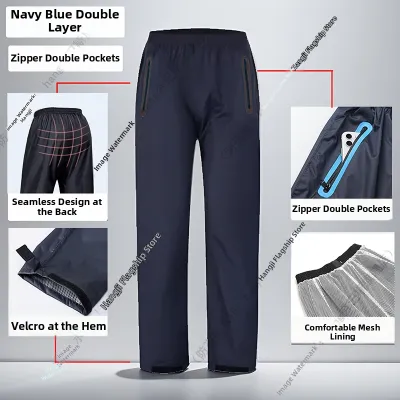
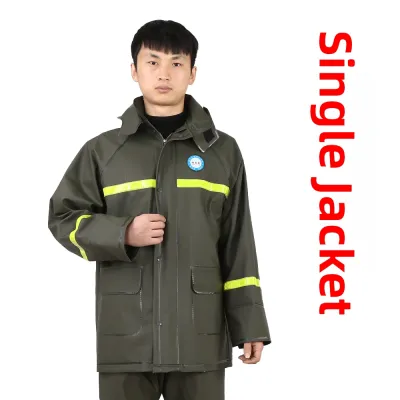
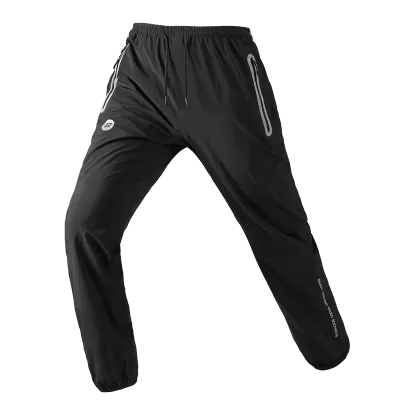
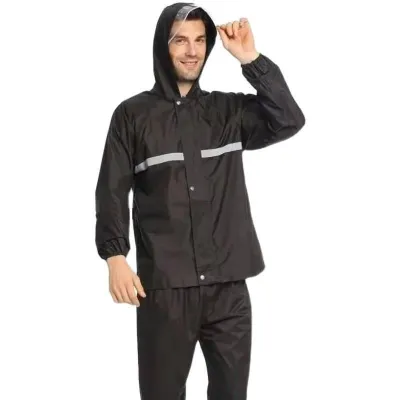
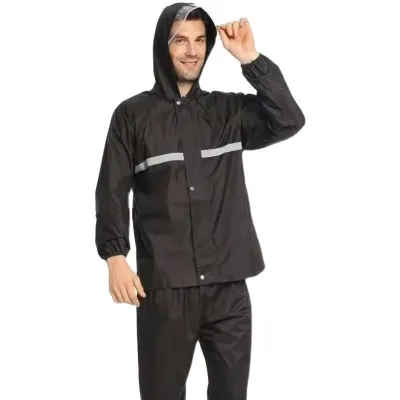
Prices are valid at publication and may change. Please refer to the product page for the latest price.
Water is highly opportunistic and will find its way through the tiny holes created by sewing needles during manufacturing. To prevent this, ensure the pants feature fully taped or sealed seams on the inside. Zippered pockets and fly closures should be protected by external storm flaps or utilize water-resistant zippers to prevent water from driving through the teeth during high-speed riding.
Standard trousers are cut for standing or walking, which causes them to pull tight across the thighs and knees when you bend your legs to pedal. Cycling-specific rain pants feature articulated knees—pre-curved fabric panels that mimic the pedaling motion—and a gusseted crotch that eliminates central seams where friction and water ingress are most common. This design reduces fabric tension, prevents chafing, and extends the lifespan of the garment.
Rain drastically reduces visibility for motorists, especially during dark afternoon downpours or early morning commutes. Look for rain pants equipped with reflective strips, piping, or high-visibility panels along the calves and ankles. Because your legs are constantly in motion while pedaling, reflective elements in these areas are highly effective at catching the headlights of trailing vehicles, alerting drivers to your presence on the road.
Comparing Waterproof Materials and Fabric Technologies
Coated fabrics, such as polyurethane-coated nylon or polyester, offer an affordable and highly waterproof barrier. However, they typically lack breathability, making them best suited for short, low-intensity rides where sweat accumulation is minimal. Breathable membranes, such as multi-layer laminate technologies, offer superior moisture vapor transmission, keeping you dry during long, strenuous climbs or fast-paced commutes.

Heavy-duty fabrics with thick face materials resist abrasion from the saddle and road debris but are bulky and heavy to carry when the sun comes out. Lightweight, packable rain pants can be rolled up tightly to fit into a small frame bag or backpack, but they may wear out faster in high-friction areas. Commuters must weigh how often they expect to ride in sustained rain versus carrying the pants as emergency gear.
The waterproof capability of a fabric is measured using a hydrostatic head test, expressed in millimeters. This rating indicates the height of a water column the fabric can withstand before water begins to penetrate. For cycling in heavy tropical downpours, look for a minimum rating of 10,000 mm, while ratings of 15,000 mm to 20,000 mm offer superior protection against wind-driven rain and pressure from sitting on a wet saddle.
It is important to understand that even the most advanced breathable fabrics have limits in high-humidity environments. When the air outside is saturated with moisture, the pressure differential that drives sweat vapor through the membrane decreases. To combat this, look for rain pants that incorporate mechanical ventilation, such as zippered thigh vents or mesh-lined pockets, which allow fresh air to circulate without letting rain inside.
Fit, Sizing, and Cycling-Specific Adjustments
Excess fabric at the bottom of your pants is a safety hazard on a bicycle. Loose cuffs can easily catch on the chainring, front derailleur, or chain, leading to torn fabric, grease stains, or a sudden fall. Choose rain pants with tapered legs and adjustable ankle cuffs—using hook-and-loop straps, snaps, or elastic drawcords—to secure the fabric tightly against your lower leg and clear of the drivetrain.
If you wear rain pants over your regular office attire or school uniform, you need a waistband that accommodates the extra layers without pinching. An elastic waistband with an adjustable drawcord or integrated belt allows you to customize the fit quickly. Ensure the rise of the pants is high enough in the back to keep your lower back covered when you lean forward over the handlebars.
Consider the type of shoes you wear while riding. If you use bulky commuter shoes, sneakers, or cycling boots, the rain pants must have enough volume at the hem to fit comfortably over them. A proper fit ensures that water runs down the outside of the pants and sheds off over the shoe, rather than dripping directly into your footwear.
For unpredictable tropical weather, full-length or half-length side zippers are incredibly convenient. They allow you to pull the rain pants on or off quickly at the side of the road without having to remove your muddy shoes. When inspecting side zippers, verify that they are backed by internal storm flaps to prevent water from seeping through the zipper teeth under wind pressure.
Pre-Purchase Checklist and Specification Verification
Before making a purchase, carefully examine the product specifications provided by the manufacturer. Look for explicit numbers for both waterproofness and breathability. Avoid products that only use vague marketing terms like “water-resistant” or “showerproof” without providing measurable technical data.
Sizing can vary significantly between brands, especially when factoring in the layers you plan to wear underneath. When shopping on online marketplaces or e-commerce platforms, verify the seller’s return and exchange policies. Ensure you can exchange the pants for a different size if the fit restricts your pedaling motion or fails to cover your ankles when seated on your bicycle.
If you are purchasing from a physical retail store, take the time to inspect the interior construction of the pants. Turn the garment inside out to verify that every seam is covered with a smooth, continuous layer of seam-sealing tape. Check that the velcro closures are securely stitched, the zippers glide smoothly without catching on the lining, and the pull tabs are easy to operate while wearing cycling gloves.
Be skeptical of extremely cheap rain pants that promise absolute waterproof performance without any technical backing. High-quality waterproof-breathable membranes require specialized manufacturing processes that carry a certain cost. Investing a few thousand ₱ in a verified, technically rated product ensures you will not be left soaked and cold during a heavy downpour far from home.
Maintaining Waterproof Performance Over Time
Dirt, sweat, and road grime can clog the microscopic pores of breathable membranes and degrade the outer fabric. Wash your rain pants regularly according to the manufacturer’s care label, typically using a gentle cycle with a specialized liquid detergent designed for technical outerwear. Avoid standard household detergents, fabric softeners, and bleach, as these chemicals can strip away protective coatings and damage the membrane.
The outer face fabric of waterproof pants is treated with a durable water repellent (DWR) coating that causes water to bead up and roll off. Over time, friction from the saddle and washing will wear this coating away, causing the outer fabric to absorb water. When you notice water no longer beading on the surface, clean the pants and apply a spray-on or wash-in DWR replenishment product to restore performance.
The warm, humid climate of the Philippines is highly conducive to mold, mildew, and bacterial growth. Never pack away wet or damp rain pants into a tight storage bag. After every ride, hang the pants in a well-ventilated, shaded indoor area to dry completely. Avoid exposing them to direct, intense sunlight for extended periods, as ultraviolet rays can break down the waterproof coatings and weaken the fabric fibers.
Regularly inspect your rain pants for signs of wear and tear, particularly in high-stress areas like the seat, inner thighs, and cuffs. Look for peeling seam tape, bubbling or cracking of the inner membrane, or small punctures from road debris. Addressing minor seam tape lifting early with specialized gear repair patches can prevent major leaks and extend the overall lifespan of your riding gear.
Frequently Asked Questions (FAQ)
Can I use regular hiking rain pants for daily cycling commutes?
While hiking rain pants offer excellent waterproof protection, they are generally not optimized for the specific demands of cycling. Hiking pants typically feature a wider, looser leg cut that can easily get caught in the bicycle chain or chainring, leading to grease stains, fabric damage, or safety hazards. They also lack the pre-curved, articulated knees needed for comfortable pedaling and rarely include the reinforced seat area required to withstand constant saddle friction. Additionally, hiking gear may lack the strategically placed reflective elements necessary for high visibility on busy roads. If you must use hiking pants, secure the right ankle with a reflective trouser strap or clip to keep the fabric away from the drivetrain.
How do I know if the waterproof rating is sufficient for heavy tropical rain?
To stay dry during intense tropical downpours, look for rain pants with a minimum hydrostatic head rating of 10,000 mm. For prolonged exposure during long commutes or heavy monsoon rains, a rating of 15,000 mm to 20,000 mm is highly recommended. These higher ratings ensure the fabric can withstand the physical pressure of wind-driven rain and the pressure exerted when sitting on a wet bicycle saddle, which can force water through lower-rated fabrics. Always verify that the rating is backed by fully taped seams, as even a highly waterproof fabric will leak if the stitched seams are left unprotected.

Community discussion
Share your experience or ask a question. Comments are reviewed before publication.