
Protecting your vehicle’s interior from the relentless tropical sun requires more than just a basic cardboard barrier. In the Philippines, where high ambient temperatures and intense ultraviolet (UV) radiation are daily realities, choosing the right windshield sunshade is a critical step in preserving your car’s cabin. An effective sunshade must feature high UV block ratings, a multi-layered reflective construction, a precise fit that eliminates gaps, and materials designed to withstand constant exposure to high humidity. By focusing on these core specifications, you can significantly reduce cabin heat buildup and protect sensitive interior components from premature wear.
Understanding the Tropical Climate Challenge for Car Interiors
The climate in the Philippines presents a unique set of challenges for automotive preservation. When a vehicle is parked outdoors, it acts like a greenhouse, trapping solar radiation that enters through the glass. This trapped energy rapidly elevates the cabin temperature, putting immense thermal stress on the dashboard, steering wheel, and front seats. Over time, direct exposure to UV rays breaks down the chemical bonds in plastics, vinyl, and leather, leading to unsightly fading, warping, and deep cracks that are costly to repair.
Beyond the heat, the high relative humidity characteristic of tropical environments accelerates the degradation of low-quality interior accessories. Standard, single-layer sunshades often fail prematurely under these conditions. The moisture in the air can cause the adhesive layers of cheap reflective films to delaminate, causing the material to bubble, peel, and lose its reflective properties. Furthermore, fabric-bound edges that remain damp from cabin condensation can quickly become breeding grounds for mold and mildew, creating unpleasant odors and potential health hazards.
Products mentioned in this guide
Prices are valid at publication and may change. Please refer to the product page for the latest price.
Relying on thin, non-reflective fabric screens or basic tinted inserts is rarely sufficient for prolonged outdoor parking. These materials primarily absorb heat rather than reflect it, allowing thermal energy to radiate directly into the dashboard. To combat these intense conditions, your vehicle requires a heavy-duty reflective barrier that actively bounces solar energy back through the windshield before it can penetrate the cabin’s surfaces.
Key Material Properties for Heat Reflection and UV Blocking
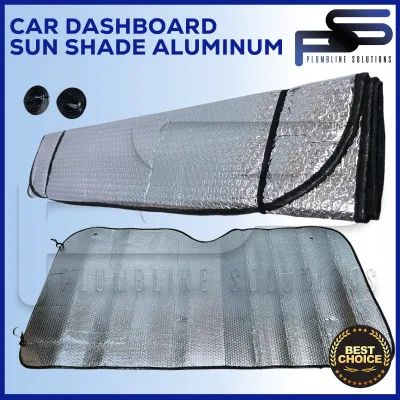
When evaluating windshield sunshades, the material composition is the most critical factor determining its thermal performance. Reflective surfaces, such as high-grade aluminum foil or metallized polyester films, work by deflecting radiant heat away from the vehicle. This physical reflection prevents the solar energy from converting into heat inside the cabin. In contrast, dark or absorptive fabrics absorb the sun’s rays, heating up the shade itself and gradually transferring that thermal energy into the surrounding air and dashboard.

To ensure high protection, look closely at the product packaging or manufacturer specifications for verified UV block percentages and visible light transmission (VLT) ratings. High-quality sunshades typically advertise a UV protection factor (UPF) or a specific UV block rate, often exceeding 99 percent. While many products claim high protection, verifying that the manufacturer references standardized testing methods can help you distinguish genuine protective barriers from simple colored sheets.
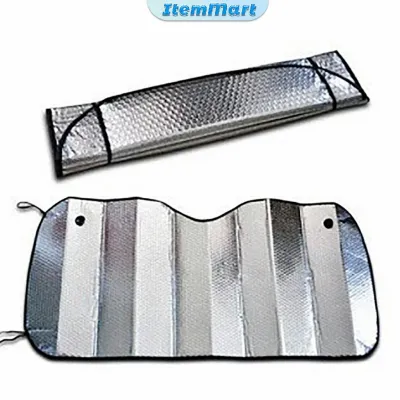
A robust tropical sunshade relies on a multi-layer construction to manage heat transfer effectively. The outer layer should consist of a highly reflective material to bounce away the initial wave of solar radiation. Beneath this outer shield, an insulating middle core—often made of closed-cell foam or bubble-pack insulation—acts as a thermal barrier, slowing down the conduction of any heat that passes through the outer layer. Finally, a soft, non-abrasive inner lining protects your dashboard and rearview mirror from scratches during installation and removal.
Sizing, Fit, and Structural Durability Checks
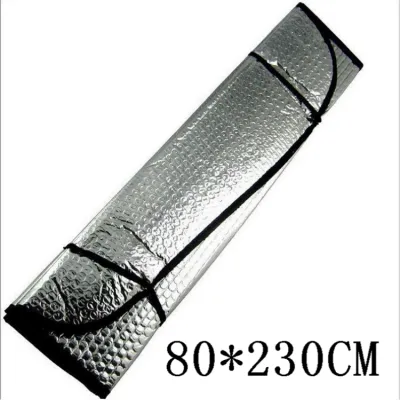
Even an advanced reflective material will fail to protect your car if it does not fit the windshield properly. Edge-to-edge coverage is essential because even small gaps around the edges of the shade allow concentrated beams of sunlight to penetrate. These localized hot spots can cause uneven fading on your dashboard and allow heat to bypass the barrier, warming up the cabin air. Before purchasing, measure your windshield’s height and width internally, taking into account the position of the rearview mirror and any mounted dashcams.
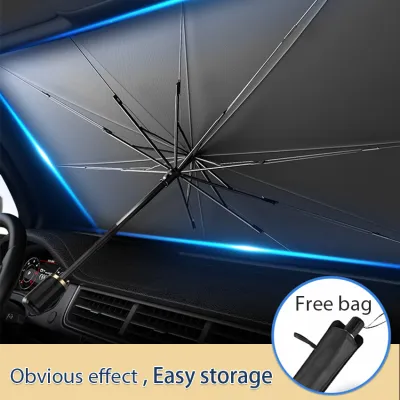
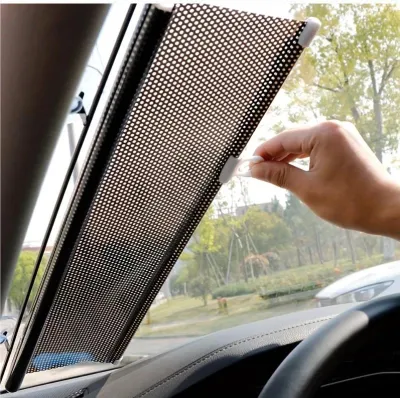
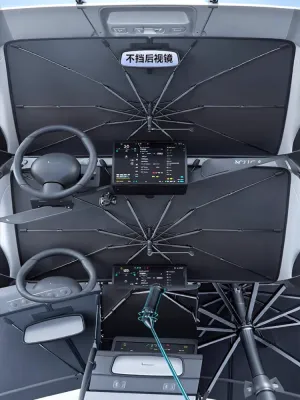
You will generally choose between universal-fit, custom-fit, and foldable accordion-style sunshades. Universal-fit options are widely available on ecommerce platforms and are budget-friendly, but they often require overlapping or leave gaps on larger or uniquely shaped windshields. Custom-fit sunshades are tailored to your specific vehicle model and year, ensuring a snug fit that seals out a significant amount of light, though they typically carry a higher price tag. Accordion-style and spring-wire roll-up designs offer different trade-offs in terms of storage convenience and deployment speed.
Structural durability is another key consideration for daily use in humid climates. Inspect the sunshade for reinforced wire frames or sturdy folding hinges that can withstand repeated bending without snapping or losing their shape. The edges of the shade should be bound with heavy-duty, double-stitched fabric tape to prevent fraying. Avoid models that rely on cheap plastic suction cups for mounting, as these cups tend to lose their suction, warp, and degrade rapidly when exposed to the intense heat of a tropical windshield.
How to Verify Product Labels and Avoid Exaggerated Claims
Navigating the market for automotive accessories requires a critical eye, as many products feature exaggerated marketing claims. When browsing online marketplaces or local auto supply shops, look for a clear breakdown of the product’s physical specifications. A reliable manufacturer will specify the exact material thickness, the number of functional layers, and the type of reflective coating used. If a product listing lacks these basic details, it may not perform well under intense tropical sun.
Be skeptical of vague, absolute marketing terms such as “100% heatproof,” “instant cooling,” or “military-grade protection.” No sunshade can completely stop heat transfer over hours of parking in direct sunlight; their purpose is to slow the rate of heat buildup and block damaging UV rays. Look for products that back up their claims with clear descriptions of their material layers, such as “triple-layer polyethylene” or “aluminized film with cotton backing,” rather than relying on flashy buzzwords.
Additionally, check the manufacturer’s warranty or return policy, especially regarding common tropical wear-and-tear issues. A warranty that covers delamination, frame warping, or stitching failure under normal use is a strong indicator of a manufacturer’s confidence in their product’s durability. Investing a bit more in a sunshade backed by a reputable brand can save you money in the long run by avoiding the need for frequent replacements.
Cleaning and Storing Your Sunshade in High Humidity
Proper maintenance is essential to extend the lifespan of your windshield sunshade and prevent it from becoming a source of mold in your vehicle. Over time, dust, skin oils, and cabin condensation can accumulate on the surface of the shade. To clean it safely, wipe both sides down with a soft microfiber cloth dampened with water and a mild, non-abrasive soap. Avoid using harsh chemical cleaners, bleach, or stiff scrub brushes, as these can strip away the delicate reflective coatings and damage the protective outer layers.
Because the Philippines experiences high humidity year-round, you must ensure the sunshade is completely dry before folding and storing it. Trapping moisture inside a folded sunshade creates an ideal environment for mold and mildew to thrive, which can ruin the material and release musty odors into your car’s cabin. After cleaning, or if the shade becomes damp from morning condensation, hang it in a well-ventilated, shaded area until it is thoroughly dry to the touch.
When the sunshade is not in use, store it properly to protect its reflective surface from physical damage. Avoid tossing it loosely into the backseat or trunk where heavy objects can scratch the metallic film or bend the internal frame. Many quality sunshades come with a protective storage sleeve or built-in elastic straps. Using these accessories keeps the shade compact, prevents permanent creasing of the reflective layers, and ensures it remains clean and ready for your next drive.
Frequently Asked Questions (FAQ)
Do I still need a sunshade if my car has window tint?
Yes, a physical sunshade is still highly beneficial even if your vehicle has high-quality window tint. While premium window tints are excellent at blocking UV rays and reducing glare while driving, they are still thin films applied directly to the glass. A physical, opaque reflective sunshade placed directly against the windshield acts as a primary barrier, stopping radiant heat before it can reach your dashboard and steering wheel. Using both in tandem provides a highly effective defense against tropical heat buildup.
Can I leave the sunshade on the dashboard while driving?
No, you must never leave a windshield sunshade on the dashboard or in the windshield area while the vehicle is in motion. Windshield sunshades are designed strictly for stationary use when parked. Driving with any object blocking your windshield severely compromises your forward visibility, creates an immediate safety hazard for you and other road users, and violates local traffic safety regulations. Always fold the sunshade completely and store it securely in the back seat, trunk, or side pocket before starting your engine.
Community discussion
Share your experience or ask a question. Comments are reviewed before publication.