
Selecting the right replacement parts for your motorcycle’s braking system is one of the most critical maintenance decisions you will make. When comparing different motorcycle brake shoe options—often searched as a “break shoe”—requires looking far beyond attractive packaging or low price tags. A reliable decision must be based on exact physical compatibility with your vehicle, a friction material compound engineered for your typical riding environment, and verifiable safety certifications.
Because drum brakes are fully enclosed systems, they face unique thermal and physical challenges, particularly in tropical climates. A brake shoe that performs adequately on a lightweight scooter during dry weather may fail under the heavy load of a utility motorcycle or during a sudden monsoon downpour in the Philippines. Ultimately, no single brand is universally the best for every rider; the ideal choice depends on matching the manufacturer’s technical specifications to your specific motorcycle model, payload requirements, and daily road conditions.
Quick Answer: What Matters Most When Choosing a Break Shoe Brand
To make an informed comparison between brake shoe brands, you must prioritize objective technical criteria over generic marketing claims. The most critical factor is exact physical fitment, as even a millimeter of deviation can compromise your safety. Beyond dimensions, you must evaluate the friction material compound to ensure it matches your typical operating temperatures, and verify that the brand carries legitimate international safety certifications.
Products mentioned in this guide
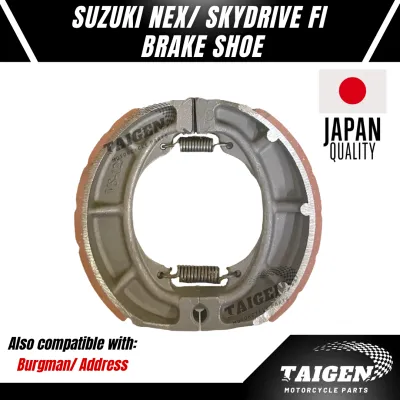
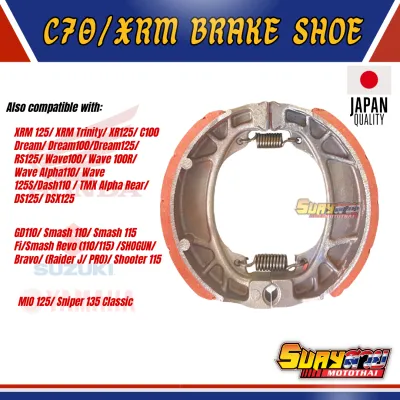
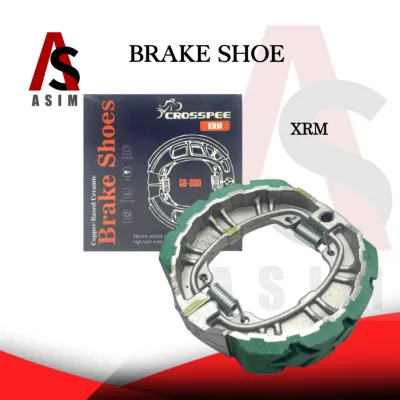
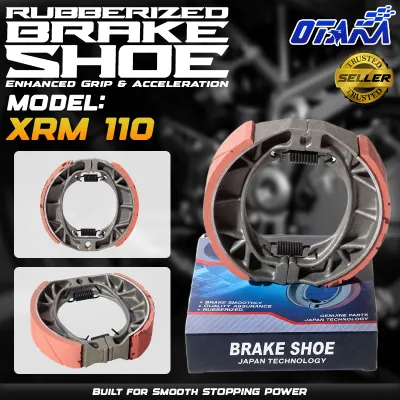
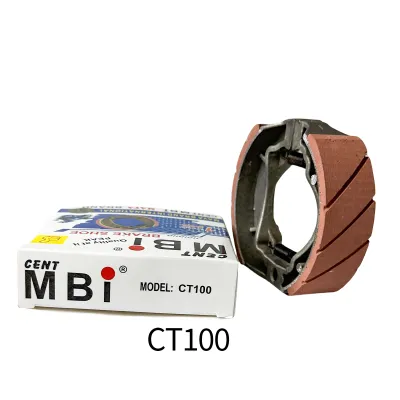
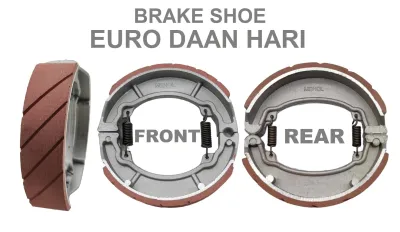
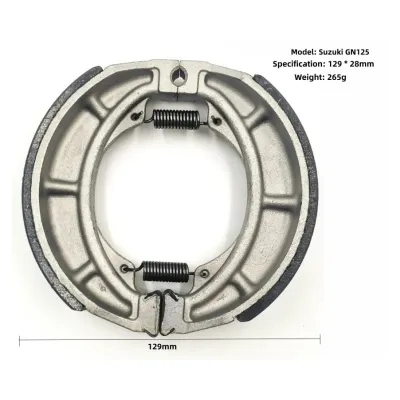
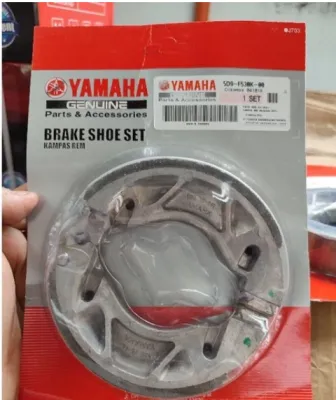
Prices are valid at publication and may change. Please refer to the product page for the latest price.
In the Philippines, where motorcycles routinely face extreme stop-and-go urban traffic, high humidity, and flooded streets, heat dissipation and moisture resistance are paramount. A premium brand with a high thermal threshold will prevent dangerous brake fade, while a certified compound ensures consistent stopping power when wet. Rather than looking for a generic “best” brand, focus on finding a reputable manufacturer whose product specifications align with your vehicle’s original engineering and your daily riding habits.
Critical Safety and Compatibility Checks Before Comparing Brands
Before diving into performance metrics or brand tiers, you must establish a baseline of non-negotiable safety and compatibility requirements. Drum brake assemblies rely on precise mechanical tolerances, and installing an incompatible part can lead to immediate brake failure or severe wheel lockup.

Verifying Exact Physical Fitment
Drum brake components are highly vehicle-specific. You must verify the drum brake’s inner diameter, the shoe width, and the exact placement of the pivot pins and brake cam contact points against your motorcycle’s original equipment manufacturer (OEM) manual. Never assume a brake shoe will fit based solely on visual similarity, generic online listings, or broad category keywords.
Even within the same motorcycle model line, manufacturers often update brake hub specifications across different model years. A shoe that is slightly too wide will rub against the backing plate, causing severe friction, overheating, and drag. Conversely, a shoe that is too narrow will not provide sufficient surface area contact, drastically reducing your stopping power and accelerating wear on both the shoe and the drum.
Spring and Hardware Compatibility
An often-overlooked aspect of comparing brands is the inclusion of installation hardware. The return springs are critical components that pull the brake shoes away from the drum when you release the brake lever. Over time, these springs lose their tension due to heat cycles and fatigue, which can lead to brake binding and dragging.
High-quality aftermarket brands typically package new, high-tensile return springs and replacement pivot pins with their brake shoes. Lower-tier budget brands often sell only the bare metal shoes, forcing you to reuse your old, worn-out springs. When comparing brands, always verify what is included in the box, as reusing fatigued hardware compromises the safety and efficiency of your entire braking system.
Professional Service and Safety Boundaries
Working on a motorcycle’s braking system carries inherent safety risks. Before installing new brake shoes, you must thoroughly inspect the inner surface of the brake drum. If you observe deep scoring, ridges, uneven wear, or if the drum has worn out-of-round, installing new shoes will not restore proper braking performance and can lead to rapid part destruction.
If you detect any of these drum defects, or if you are unsure about measuring wear limits, setting the correct spring tension, and adjusting the brake linkage, you must stop immediately and consult a qualified mechanic. Brakes are a primary safety boundary; improper DIY installation or ignoring a damaged drum can lead to catastrophic failure on the road. Always prioritize professional intervention when dealing with compromised braking components.
Key Performance Factors to Compare Across Brands
Once you have confirmed compatibility, you can begin comparing the engineering specifications of different brands. Evaluating these performance factors allows you to select a brake shoe that matches your specific riding demands.
Friction Material and Compound Types
Brake shoe manufacturers utilize different friction formulations, which are generally categorized into organic, semi-metallic, and sintered or ceramic compounds. Each material formulation behaves differently under stress:
- Organic (Non-Asbestos Organic / NAO): These shoes are made from natural fibers, resins, and rubber. They are exceptionally quiet, gentle on the brake drum, and perform well at low operating temperatures, making them highly suitable for light daily commuting on automatic scooters.
- Semi-Metallic: These compounds incorporate fine metallic fibers to improve heat conduction and mechanical strength. They offer excellent durability and consistent performance across a wider temperature range, though they can be slightly noisier and more abrasive to the brake drum.
- Sintered and Ceramic: Engineered for heavy-duty or high-performance applications, these materials provide maximum resistance to extreme heat and wear. However, they require higher operating temperatures to reach their optimal friction coefficient and can cause rapid wear on standard cast-iron drum liners.
Do not rely on material names alone to judge performance. Legitimate manufacturers print the friction coefficient rating (often represented by a two-letter code like “FF” or “GG”) on the product packaging or technical data sheets. These codes indicate how much grip the material provides under cold and hot operating conditions, allowing you to make an objective comparison based on data rather than marketing buzzwords.
Heat Dissipation and Fade Resistance
Because drum brakes are fully enclosed within the wheel hub, they naturally trap heat generated during braking. When you ride down long hills or navigate heavy, stop-and-go traffic in hot tropical climates, the temperature inside the drum can skyrocket. If the friction material cannot handle this heat, it will experience brake fade, a dangerous condition where the lever becomes firm but the motorcycle fails to slow down.
When comparing brands, look for technical specifications regarding thermal stability and fade resistance. Premium brands design their brake shoes with high-temperature bonding resins and may include grooved patterns on the friction surface. These grooves serve a dual purpose: they channel away friction gases, water, and dust, while increasing the surface area to aid in heat dissipation. A brand that provides verified data on its high-temperature friction coefficient is highly preferable for riders who carry heavy pillion loads or operate in congested urban centers.
Wear Rate and Dust Production
Evaluating the lifetime of a brake shoe involves understanding the direct trade-off between compound hardness and drum wear. A very hard, aggressive semi-metallic compound will resist wear and last for thousands of kilometers, but it will act like sandpaper on the inner surface of your brake drum. Replacing worn-out brake shoes is inexpensive, but replacing a worn-out or warped wheel hub is a costly and labor-intensive repair.
Conversely, softer organic compounds wear down more quickly and produce a fine black brake dust that accumulates inside the drum, requiring regular cleaning to prevent squealing. When comparing brands, look for those that strike a balanced compromise: a compound that offers reasonable longevity without causing premature wear to the drum liner. Always refer to your motorcycle’s owner’s manual for recommended inspection intervals rather than relying solely on a manufacturer’s mileage claims, as real-world wear is highly dependent on your individual riding style and environment.
Build Quality, Certifications, and Packaging
With numerous counterfeit and substandard parts circulating in the aftermarket, verifying the physical build quality and manufacturing standards of a brand is essential for your safety.
Verifiable Certifications
Legitimate brake shoe manufacturers subject their products to rigorous independent testing to meet international safety standards. When comparing brands, look for recognized certification marks printed clearly on the packaging, such as:
- ECE R90: The European safety standard that guarantees replacement brake components perform within 15% of the original OEM parts under extreme testing conditions.
- JIS (Japanese Industrial Standards): Indicates compliance with strict Japanese manufacturing and safety benchmarks, commonly found on high-quality OEM and premium aftermarket brands.
- ISO 9001: Demonstrates that the manufacturer maintains consistent quality management systems during production.
Avoid brands that attempt to bypass these standards by using unverified marketing phrases like “racing spec,” “heavy-duty,” or “maximum stopping power” without displaying any official certification logos.
Bonding and Construction
A physical inspection of the brake shoe upon unboxing can reveal a great deal about a brand’s manufacturing quality. Examine the bond line where the friction material meets the steel or aluminum backing plate. The adhesive layer must be completely uniform, with absolutely no visible gaps, lifting, or air pockets.
Check the edges of the friction material; they should be cleanly cut or chamfered, with no excessive flashing, crumbling, or loose fibers. If the friction lining is secured with rivets, ensure the rivets are perfectly flush, tightly set, and have not caused any micro-cracking in the surrounding friction material. High-quality brands also apply an anti-corrosion coating to the metal backing plate to prevent rust from developing in humid environments.
Packaging and Traceability
Reputable manufacturers protect their products and their customers by using secure, high-quality packaging. A genuine brake shoe from a trusted brand will arrive in a sturdy, sealed box featuring clear part numbers, a list of compatible motorcycle models, manufacturing dates, and batch codes. Many premium brands also incorporate holographic security seals or QR codes that allow you to verify the product’s authenticity online. Be highly suspicious of loose, unbranded, or poorly packaged items sold at unusually low prices on online marketplaces, as these are common indicators of counterfeit or substandard goods.
Price vs. Value: Evaluating Brand Tiers
Understanding how different brands are positioned in the market helps you balance your budget against your safety and performance requirements.
Tier Characteristics
To simplify your comparison, you can categorize brake shoe brands into three distinct tiers:
- OEM (Original Equipment Manufacturer): These are the exact parts installed on your motorcycle at the factory. Brands like Honda, Yamaha, Kawasaki, or Suzuki offer guaranteed fitment, predictable performance, and strict quality control. They are typically the most expensive option but offer total peace of mind.
- Premium Aftermarket: Reputable third-party manufacturers specialize in braking systems and often develop upgraded compounds designed to improve upon OEM performance. These brands may offer superior wet-weather grip, reduced dust, or enhanced heat dissipation, often at a price slightly below or equal to OEM parts.
- Standard/Budget Aftermarket: These brands focus on providing cost-effective replacement parts that meet minimum safety thresholds. While suitable for light daily commuting, they may wear out faster, produce more noise, or require more frequent adjustments than premium options.
Hidden Costs of Cheap Components
Opting for the cheapest available brake shoe is often a false economy. A poorly manufactured, low-budget shoe may use a substandard friction compound that glazes over quickly, rendering your brakes ineffective. If the shoe uses an overly abrasive material, it can score or warp your brake drum, leading to expensive machining or wheel hub replacement costs. Furthermore, if the budget brand does not include replacement springs, the added cost of purchasing hardware separately can quickly close the price gap between a budget shoe and a premium, all-inclusive kit.
Purchasing Channels
To ensure you are buying genuine products and receiving accurate fitment advice, always purchase your brake shoes through authorized distributors, official brand stores, or established physical motorcycle parts shops. These reputable sellers can verify compatibility using official manufacturer catalogs and will honor product warranties if a manufacturing defect ever arises. Avoid purchasing safety-critical components from unverified online sellers or informal roadside stalls where counterfeit products are common.
Decision Framework: Matching the Brand to Your Riding Needs
To make your final decision, evaluate your typical riding conditions and match them to the appropriate brand tier and compound type.
Choose OEM or Premium Aftermarket if:
- You frequently carry heavy cargo, ride with a pillion passenger, or operate a utility motorcycle or tricycle.
- Your daily commute involves navigating steep, hilly terrain or dense, stop-and-go urban traffic where brakes are constantly applied.
- You prioritize maximum safety, a firm and predictable lever feel, and want a guaranteed factory fit without the need for modifications.
- You ride extensively during the rainy season and require a compound with verified wet-weather performance and excellent water-channeling grooves.
Choose Standard Aftermarket if:
- You ride a lightweight automatic scooter or underbone motorcycle primarily for short, flat daily commutes under normal weather conditions.
- Your riding style is gentle, you carry minimal loads, and you maintain moderate speeds.
- You are looking for a reliable, cost-effective replacement from a certified, reputable brand that meets basic safety standards without breaking your budget.
Verify First if:
- You are modifying your motorcycle's wheels, hubs, or suspension, as aftermarket modifications can alter brake alignment and spacing.
- Your existing brake drum shows any signs of wear, scoring, or rust. Always check the manufacturer's instructions for both the brake shoe and your motorcycle before proceeding. If there is any conflict between the product specifications and your vehicle's service manual, stop immediately and consult a professional mechanic.
Frequently Asked Questions (FAQ)
How often should I inspect my motorcycle brake shoes?
You should inspect your brake shoes during regular service intervals as specified in your motorcycle’s owner’s manual, typically every 4,000 to 8,000 kilometers. However, you must perform an immediate physical inspection if you notice a spongy lever feel, squealing or grinding noises, or if the external wear indicator needle on your brake panel points to the wear limit mark.
Can I mix different brake shoe brands on the front and rear?
While the front and rear brakes operate on independent linkages, it is highly recommended to use the same brand and friction compound on both wheels if your motorcycle uses drum brakes front and rear. Mixing different brands can lead to unbalanced braking characteristics and unpredictable lever feel, which can increase the risk of rear-wheel lockup or front-wheel skidding during emergency stops, especially on wet roads.
Do new brake shoes require a break-in period?
Yes, new brake shoes require a bedding-in or break-in period to allow the flat friction material to mate perfectly with the curved inner surface of the brake drum. For the first 100 to 200 kilometers after installation, apply your brakes gently and progressively. Avoid sudden, hard braking maneuvers, which can cause localized overheating, glaze the friction material, and permanently reduce your stopping power.
Community discussion
Share your experience or ask a question. Comments are reviewed before publication.