
Selecting a reliable brake master set for your motorcycle in the Philippines requires balancing technical compatibility with demanding local road conditions. From navigating the intense stop-and-go traffic of urban centers to handling sudden downpours during the monsoon season, your braking system must deliver consistent hydraulic pressure without fail. Rather than choosing a brand based solely on popularity or aesthetic appeal, riders must evaluate specific engineering standards, piston dimensions, and material compositions to ensure safety. This guide establishes a clear, objective framework for comparing brake master set options, helping you make an informed decision based on verifiable specifications and your specific riding requirements.
Understanding Brake Master Set Reliability and Safety
In any hydraulic braking system, the brake master set serves as the primary pressure generator. When you pull the brake lever, the master cylinder piston forces brake fluid through the lines, activating the caliper pistons to squeeze the brake pads against the rotor. Reliability in this system means that this hydraulic transfer remains absolutely consistent, providing the same stopping force and lever feel whether you are on your first kilometer or navigating a long, hot afternoon commute.
Under tropical conditions, heat and humidity place significant stress on braking components. High ambient temperatures can accelerate the degradation of internal rubber seals, while moisture absorption can lower the boiling point of brake fluid, leading to a spongy lever feel or dangerous brake fade. A reliable master cylinder must feature high-quality, precision-engineered seals and a durable cylinder bore that resists wear and corrosion over thousands of cycles.
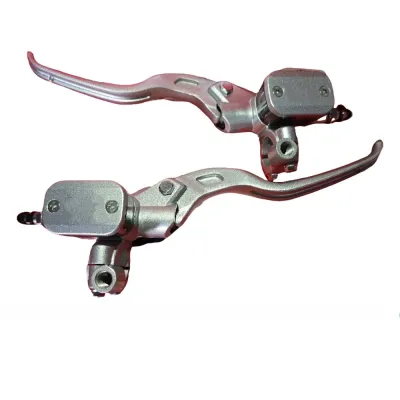
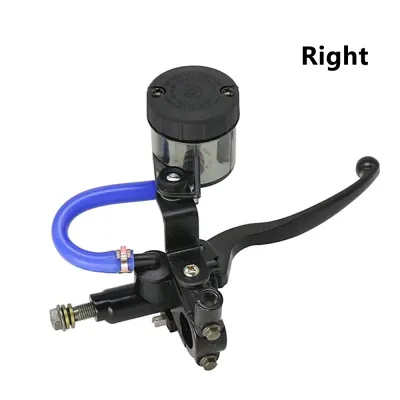
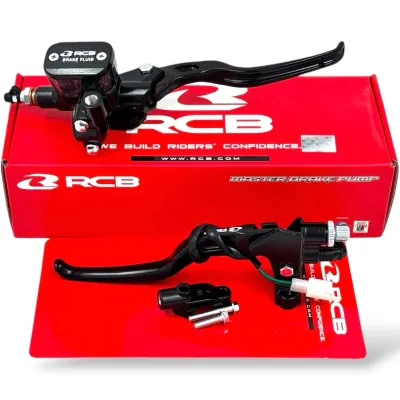
Products mentioned in this guide
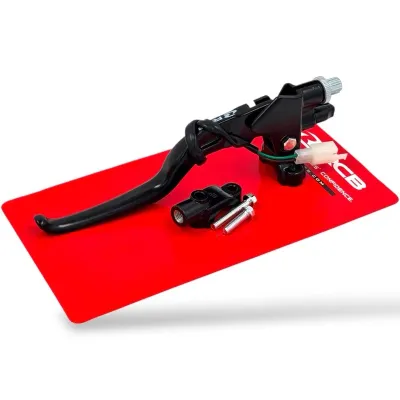
![[Fast Delivery] Universal Nissin Brake Master Left and Right Set E2 E3 B22 for HONDAVARIO150 CLICK150](https://img.lazcdn.com/g/p/5fb7a23a110c08235563d58fe2762a2a.jpg_400x400q80.jpg_.webp)
Prices are valid at publication and may change. Please refer to the product page for the latest price.
Modifying or replacing your motorcycle’s braking components is a high-stakes decision that directly impacts road safety and vehicle legality. In the Philippines, any modification to a vehicle’s control systems must comply with local land transportation regulations and safety standards. Installing an incompatible or unverified brake master set can lead to sudden system failure, compromised handling, or failure during mandatory vehicle inspections. Prioritizing certified components and professional installation is essential to protect yourself and other road users.
Key Specifications to Compare Across Brands
To compare different brake master set brands objectively, you must look past marketing claims and focus on core technical specifications. The most critical dimension is the piston diameter, typically measured in millimeters (such as 14mm, 15mm, or 17mm). The piston size determines the hydraulic ratio of your braking system; a larger piston moves more fluid with less lever travel but requires more physical effort, while a smaller piston offers more leverage and modulation but requires more lever travel.

Mounting compatibility is another vital factor that varies across motorcycle models and aftermarket brands. Most standard underbone motorcycles, scooters, and backbone bikes in the local market use a standard 22mm (7/8 inch) handlebar diameter, but you must verify this measurement before purchasing. Additionally, check the mounting hole distance for the mirror holder and clamp to ensure the new master cylinder does not interfere with your instrument cluster, switch housing, or fairings.
The physical orientation of the master cylinder—axial versus radial—significantly influences performance and ergonomics. Axial master cylinders position the piston parallel to the handlebar, which is the standard configuration for most commuter motorcycles due to its compact size and cost-effective manufacturing. Radial master cylinders align the piston parallel to the lever travel, reducing mechanical flex and providing a more direct, linear lever feel that is highly valued in performance riding.
Material construction serves as a primary indicator of long-term durability and safety. Premium brake master sets often feature bodies machined from forged aluminum, which offers high structural density and resistance to cracking under extreme pressure. Budget-friendly options typically utilize cast aluminum, which is lighter on the pocket but may have minor internal voids or lower tensile strength. Examining the surface finish, anodizing quality, and the precision of the pivot pins can help you gauge the manufacturing standards of a brand.
Evaluating Brand Reputation and Build Quality
When navigating the local market, distinguishing between Original Equipment Manufacturer (OEM) suppliers and aftermarket performance brands is crucial. OEM brands focus on matching the exact specifications, durability, and moderate performance characteristics required for daily commuting. Specialized aftermarket brands, on the other hand, often introduce adjustable levers, larger fluid reservoirs, and radial designs aimed at riders seeking customized ergonomics or enhanced braking modulation.
The prevalence of counterfeit motorcycle parts in online marketplaces and physical shops poses a severe safety risk to riders. Genuine, reliable brands protect their products using security holograms, unique serial numbers, and QR codes that link to official verification databases. When comparing brands, prioritize those that offer clear authentication methods and purchase exclusively through authorized dealer networks or official brand stores to ensure you are not installing a dangerous imitation.
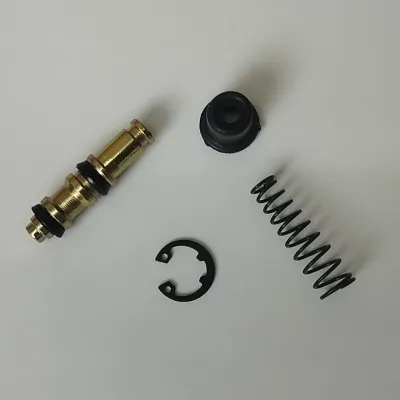
A brand’s commitment to long-term reliability is also reflected in its warranty policies and the availability of replacement parts. Even the highest-quality master cylinder will eventually require maintenance as rubber seals and dust boots wear out over time. Reliable manufacturers supply dedicated rebuild kits containing official replacement seals, pistons, and return springs, allowing you to service the unit safely rather than replacing the entire assembly when a minor leak occurs.
Installation, Compatibility, and Safety Boundaries
Before purchasing or installing any brake master set, you must consult your motorcycle’s official service manual to verify the original equipment specifications. This documentation provides critical information regarding the stock piston sizes, recommended torque values for mounting bolts and banjo bolts, and specific routing requirements for the brake lines. Deviating significantly from these factory parameters without professional guidance can compromise your motorcycle’s handling and safety.
If your motorcycle is equipped with an Anti-lock Braking System (ABS) or a Combined Braking System (CBS), replacing the master cylinder requires extreme caution. These electronic and mechanical systems are calibrated to specific hydraulic pressures and fluid volumes; installing an incompatible aftermarket master cylinder can cause ABS sensor errors, system malfunctions, or complete loss of emergency braking control. If your bike features these advanced systems, consult a certified mechanic before making any modifications.
Brake fluid selection is another critical factor that must align with the manufacturer’s specifications. Most motorcycle brake master cylinders are designed to work specifically with glycol-ether-based fluids, such as DOT 3 or DOT 4, as indicated on the reservoir cap. Mixing incompatible fluids, or using silicone-based DOT 5 fluid in a system designed for DOT 4, will rapidly destroy the internal rubber seals, leading to complete hydraulic failure. Always use fresh fluid from a sealed container during installation.
The installation process is not complete until the hydraulic system has been thoroughly bled to remove all trapped air bubbles. Air is compressible, and even a tiny bubble in the brake lines will result in a soft, spongy lever and severely reduced stopping power. Once the system is bled and firm pressure is established, perform a series of low-speed test stops in a safe, controlled environment to bed in the components and check for any slow fluid leaks around the banjo bolts and seals before entering public roads.
Decision Framework: Matching Brands to Your Riding Needs
To choose the right brake master set, you must align the component’s design with your primary riding environment and motorcycle type. For daily commuters navigating congested city streets on underbones or standard scooters, prioritizing OEM-equivalent or standard replacement brands is highly recommended. These sets maintain the familiar, progressive lever feel of your stock setup, require no modifications to your fairings, and offer excellent reliability without the premium cost of performance-oriented designs.
For riders who participate in track days, weekend touring, or those who have upgraded their front suspension and calipers, adjustable aftermarket master sets offer distinct advantages. These systems allow you to fine-tune the lever reach to match your hand size, reducing fatigue during long rides. Additionally, if you are converting an older motorcycle from a mechanical drum brake to a hydraulic disc brake, selecting a complete master set with a matched caliper and line is essential to ensure proper hydraulic balance.
Always perform a final compatibility check before finalizing your purchase. Verify that the master cylinder reservoir does not block your view of the instrument panel or contact the fairings when the handlebars are turned fully to the left or right lock. By systematically evaluating these physical, hydraulic, and environmental factors, you can select a brake master set that enhances your riding confidence while maintaining the highest standards of road safety.
Frequently Asked Questions (FAQ)
How often should I rebuild or replace my brake master set?
The lifespan of a brake master set depends heavily on your riding habits, mileage, and environmental exposure. Generally, you should inspect the master cylinder during every regular service interval for signs of wear, such as a spongy lever feel, slow fluid leaks around the piston boot, or dark, contaminated brake fluid in the reservoir. Refer to your motorcycle’s service manual for specific time-based or mileage-based recommendations for replacing internal seals, which typically range from every two to four years under normal operating conditions.
Can I use a larger piston master cylinder for better braking?
Installing a master cylinder with a larger piston diameter does not automatically translate to better braking performance. While a larger piston moves more fluid and reduces lever travel, it actually decreases the mechanical advantage of the lever, requiring you to squeeze much harder to achieve the same stopping power. For optimal braking modulation and safety, the master cylinder piston size must be carefully matched to the total surface area of your caliper pistons according to engineered hydraulic ratios.
Are counterfeit brake master sets a risk in the local market?
Yes, counterfeit braking components are a significant hazard in the local motorcycle parts market. These imitation products often look identical to premium brands but are manufactured using substandard cast alloys and low-grade rubber seals that can fail catastrophically under sudden, heavy braking pressure. To protect yourself, avoid deals that seem too good to be true, inspect packaging for official security labels, and purchase exclusively from verified, authorized physical shops or official online brand distributors.
Community discussion
Share your experience or ask a question. Comments are reviewed before publication.