
Finding the right shift knob for your automatic transmission requires looking beyond aesthetics to verify three critical mechanical factors: your vehicle’s shift gate design, the thread specifications of the shifter shaft, and the presence of a shift lock button. Unlike manual gearboxes where a knob simply twists onto a static metal rod, automatic shifters are complex assemblies integrated with safety switches, physical lockouts, and specific movement paths. Installing an incompatible aftermarket accessory can lead to a loose fit, damaged threads, or a dangerous malfunction where your vehicle fails to lock securely into Park or shifts gears unexpectedly while driving.
To ensure a seamless fit, you must systematically evaluate how your current shifter operates and measure its physical dimensions. By understanding the mechanical interface of your center console, you can confidently select an aftermarket upgrade that preserves both the safety and the drivability of your vehicle.
Understand Your Automatic Shift Gate Pattern
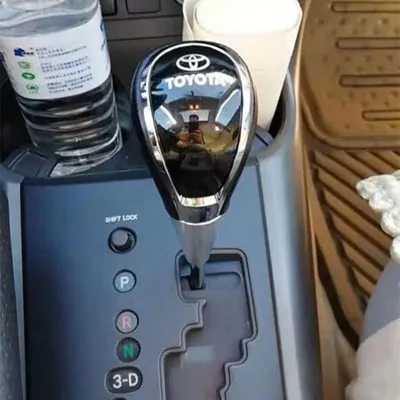
Before purchasing any aftermarket accessory, you must examine the physical path your shifter travels when moving between Park, Reverse, Neutral, and Drive. Automatic vehicles generally utilize one of two layouts: a straight-line shift gate or a zigzag (stepped) shift gate. A straight-line shifter moves forward and backward in a single track and almost always relies on a button mechanism to prevent accidental gear changes. A zigzag shift gate, common in many modern sedans and SUVs, guides the lever through a series of physical offsets or steps, which naturally prevent the driver from accidentally bumping the vehicle into an incorrect gear.
Products mentioned in this guide
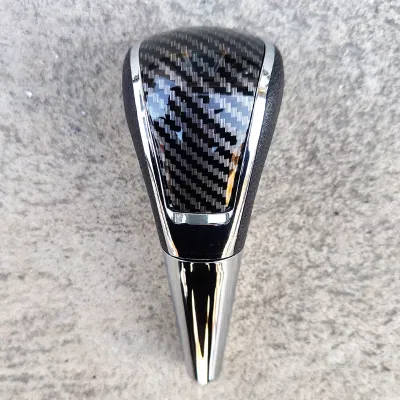
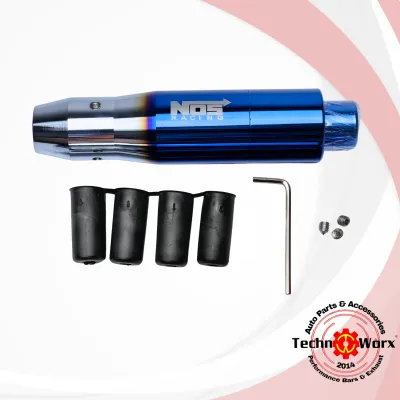
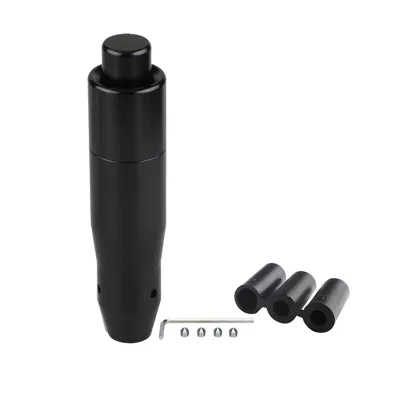
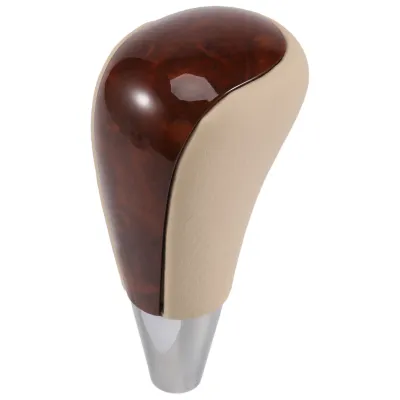

Prices are valid at publication and may change. Please refer to the product page for the latest price.
The shape of this path directly influences the type of shift knob base your vehicle can accommodate. On a zigzag shifter, the base of the aftermarket knob must have a narrow enough diameter to clear the plastic console trim throughout the entire shifting sequence. If the base of the knob is too wide or features a flared collar, it may scrape against the edges of the console opening, preventing you from fully engaging gears like Low or Reverse.
Additionally, some gated shifters require specific base contours or flexible leatherette boots to prevent dust and debris from falling into the open shift track. If your original shifter uses a boot that clips directly to the underside of the factory knob, you will need to verify if the new knob features a matching collar or boot retainer. Without this compatibility, the boot may sag, exposing the internal shift linkages and creating an untidy appearance in your cabin.
Identify the Correct Thread Size and Pitch
Once you have determined the gate style, you must identify how the original knob attaches to the shifter shaft. Most threaded automatic shifter shafts use metric threads, but the exact diameter and thread pitch vary significantly between vehicle manufacturers. Forcing a knob with the wrong thread size onto your shifter lever will permanently strip the soft metal or plastic threads, requiring an expensive replacement of the entire shifter assembly.

To find your vehicle’s exact specifications, start by consulting your owner’s manual or searching manufacturer-specific technical forums. If this documentation is unavailable, you can measure the shaft yourself using a digital caliper to find the outer diameter in millimeters. To determine the thread pitch—which is the distance between individual thread crests—you can use a thread pitch gauge, a simple tool available at local hardware stores. Common metric thread sizes for automatic shifters include M8x1.25, M10x1.25, M10x1.5, and M12x1.25, but you should never guess these measurements based solely on your car’s brand.
If your shifter shaft is completely smooth and lacks threads altogether, it likely uses a push-on style secured by a hidden retaining pin, clip, or set screws. For non-threaded shafts, you will need to look for a shift knob specifically designed for clamp-on installation or purchase a specialized non-threaded shaft adapter. These adapters clamp securely onto the smooth metal rod, providing a threaded upper stud where you can screw on your chosen aftermarket knob.
Match the Shift Lock Button Mechanism
The most critical safety component of an automatic shifter is the shift lock button mechanism. This button acts as a physical interlock, preventing the transmission from shifting out of Park or into Reverse unless the driver actively depresses the button while applying the brake pedal. Aftermarket shift knobs must be fully compatible with this mechanism to ensure your vehicle remains safe to operate.
Automatic shift buttons generally fall into four categories: top-push buttons, side-squeeze buttons, front-trigger buttons, and buttonless designs that rely entirely on an electronic brake-shift interlock. If your factory knob features a button, the aftermarket replacement must have an integrated mechanical linkage that aligns perfectly with the internal rod or pull-cable inside your shifter shaft. When you press the button on the new knob, it must push down or pull up on this internal rod with the exact amount of travel required to release the transmission lock.
Installing a generic knob that bypasses or permanently depresses this safety button is highly dangerous. If the shift lock is permanently engaged or bypassed, a passenger, pet, or even a stray hand could easily bump the shifter into Neutral or Reverse while the vehicle is moving at high speeds. Conversely, if the new knob fails to depress the internal rod far enough, you may find yourself stranded, unable to shift the vehicle out of Park. Always prioritize a knob designed with a dedicated, functional button mechanism that matches your original layout.
Evaluate Physical Clearance and Ergonomics
Beyond mechanical compatibility, you must consider how the physical dimensions, weight, and material of the new shift knob will affect your daily driving experience. An oversized or excessively heavy knob can place unnecessary leverage on the internal plastic bushings and linkages of your automatic transmission selector, leading to premature wear and a loose, sloppy shifting feel over time.
Before finalizing your purchase, visualize the full range of motion of your shifter. A knob that is significantly taller or wider than the factory original may obstruct your access to nearby dashboard controls, climate dials, or cup holders. Ensure there is ample clearance between your hand and the center console trim when the shifter is placed in its forward-most position (usually Park) and its rearward-most position.
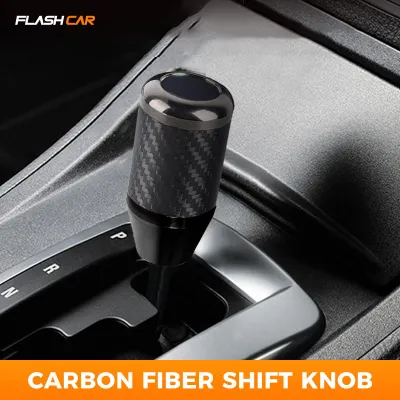
Material selection is also a vital comfort factor, especially in tropical climates like the Philippines. While solid aluminum, steel, or chrome knobs offer a sleek, modern look, they absorb heat rapidly when your car is parked under direct sunlight. A metal knob can quickly become too hot to touch comfortably, forcing you to wait for the cabin air conditioning to cool it down. For a more practical daily driving experience, consider materials with low thermal conductivity, such as high-quality leather, weighted resin, or carbon fiber composites, which remain comfortable to grip regardless of the cabin temperature.
Pre-Purchase Checklist and Safe Installation Boundaries
To avoid costly mistakes and ensure a successful upgrade, run through this comprehensive pre-purchase checklist before spending your money:
- Shift Gate Compatibility: Does the knob base clear your straight-line or zigzag gate without rubbing?
- Thread Specifications: Have you verified the exact thread diameter and pitch (e.g., M8x1.25) or confirmed you need a non-threaded adapter?
- Button Functionality: Does the aftermarket knob feature a working button that matches your original top, side, or front trigger mechanism?
- Physical Dimensions: Will the knob clear your dashboard, cup holders, and console trim throughout its entire travel path?
When you are ready to install the new knob, proceed with caution. Removing the original factory knob often requires more than simply twisting it off. Many automatic vehicles secure the knob with a hidden retaining clip, a small hex screw concealed under a slide-down plastic collar, or a snap-fit connection. Forcing the knob off without releasing these fasteners can permanently bend the shifter shaft or crack the plastic housing of the shift lock mechanism.
Always establish clear safety boundaries during the installation process. If you encounter heavy resistance while threading the new knob, stop immediately to avoid cross-threading. If the installed knob wobbles, feels loose, or if the shift lock button feels stiff or fails to spring back smoothly, do not drive the vehicle. These are clear indicators of a mismatch that could compromise your safety on the road. In such cases, reinstall your factory knob and consult a qualified automotive technician to ensure a secure and functional fit.
Frequently Asked Questions (FAQ)
Can I use a manual shift knob on an automatic car?
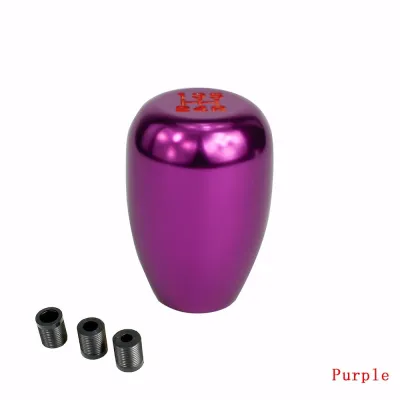
In most cases, you cannot directly install a standard manual shift knob on an automatic vehicle that requires a shift lock button. Manual shift knobs are solid pieces of material with no moving parts, meaning they lack the internal linkages necessary to actuate an automatic transmission’s safety lock. If your automatic vehicle has a gated shifter with no button, a manual knob may physically fit if the thread size matches, but you must still ensure the base does not interfere with the shift path. For button-equipped automatics, attempting to use a manual knob without a specialized button-activation adapter will leave you unable to shift out of Park, or force you to permanently bypass a critical safety lockout.
Do universal shift knobs work for all automatic transmissions?
Despite their marketing claims, universal shift knobs do not offer a guaranteed fit for every automatic transmission. These products typically rely on plastic threaded inserts, rubber sleeves, or small set screws to grip onto various shaft sizes. While these universal mounting methods can work on some threaded or smooth shafts, they often fail to provide a secure, long-term connection, leading to a knob that twists or wobbles during use. Furthermore, universal knobs rarely accommodate the complex internal pull-rods or cables required for button-operated automatic shifters. Before purchasing a universal option, always check if it includes a dedicated adapter compatible with your vehicle’s specific button mechanism and thread pitch.
Community discussion
Share your experience or ask a question. Comments are reviewed before publication.