
An ignition coil transforms the low voltage of a vehicle’s battery into the thousands of volts needed to create an electric spark in the spark plugs, igniting the fuel-air mixture. When an ignition coil begins to fail, the engine loses its precise combustion timing, resulting in noticeable performance issues such as engine misfires, a rough idle, sudden hesitation during acceleration, and a drop in fuel efficiency. To confirm if the coil is the root cause, you must perform systematic diagnostic checks, such as reading diagnostic trouble codes with an OBD2 scanner or conducting a physical inspection, before deciding on a replacement.
Common Symptoms of a Failing Ignition Coil
Recognizing the early warning signs of a failing ignition coil can prevent minor performance hiccups from turning into costly engine repairs. One of the most common symptoms is an engine misfire, which occurs when a cylinder fails to fire correctly. This often feels like a sudden jerk, hesitation, or sputtering sensation while driving, especially when the engine is under load, such as when climbing steep inclines or accelerating onto a highway.
When the vehicle is stationary, a failing coil often manifests as a rough or unstable idle. Instead of a smooth, consistent hum, the engine may vibrate excessively, and the tachometer needle may bounce unpredictably. This rough idling is particularly noticeable when waiting in heavy traffic or idling with the air conditioning running on hot days.
Products mentioned in this guide
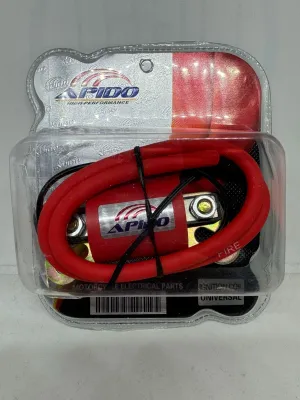
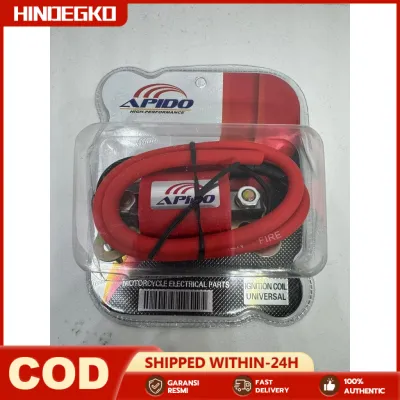
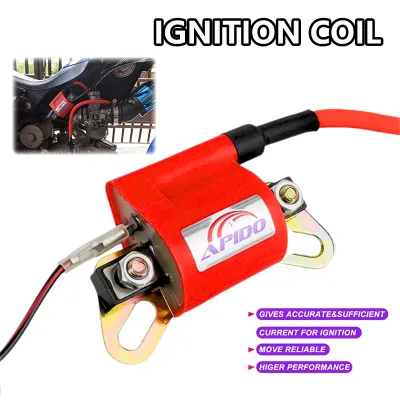
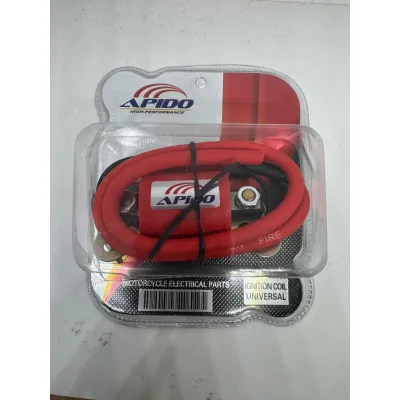
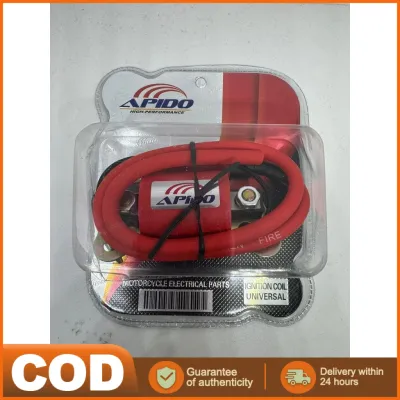
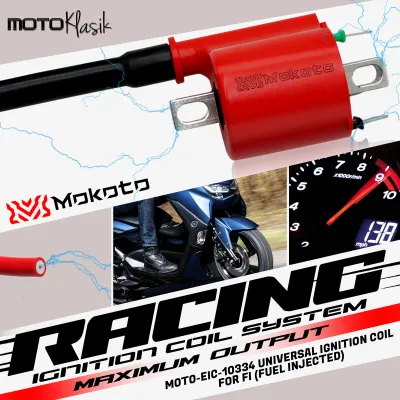
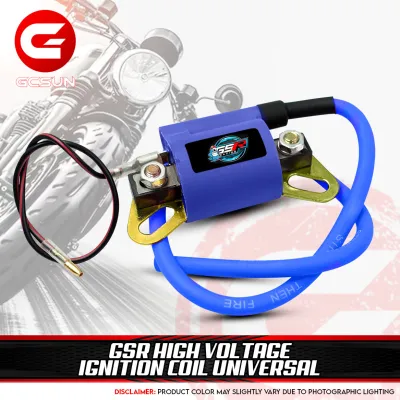
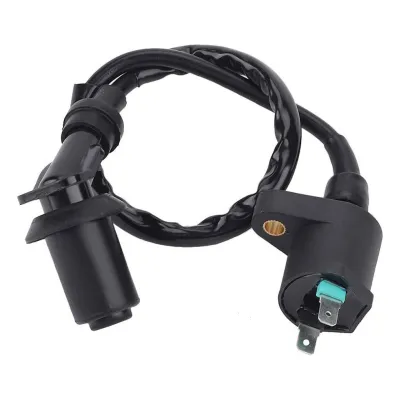
Prices are valid at publication and may change. Please refer to the product page for the latest price.
An illuminated check engine light is another primary indicator of ignition trouble. The vehicle’s engine control unit constantly monitors combustion quality; when it detects irregular firing patterns, it triggers the warning light and stores specific diagnostic trouble codes. If the light flashes continuously, it indicates a severe misfire that requires immediate attention to prevent catalytic converter damage.
Secondary effects of a weak or failing coil include a noticeable drop in fuel economy and difficulty starting the engine. Because the fuel-air mixture is not burning completely, the engine must consume more fuel to maintain its power output. Furthermore, high humidity and damp conditions can compromise weakened electrical insulation, making the vehicle particularly difficult to start on rainy mornings.
Ignition Coil vs. Spark Plug: How to Tell the Difference
Because ignition coils and spark plugs work closely together to ignite the fuel in each cylinder, their failure symptoms overlap significantly. Distinguishing between the two components requires analyzing the pattern of the failure and checking the vehicle’s maintenance history.

Coil failures and spark plug wear typically present different failure patterns. A failing ignition coil often causes a sudden, severe misfire concentrated in a single cylinder, especially in modern coil-on-plug systems where each cylinder has its own dedicated coil. In contrast, worn spark plugs generally degrade gradually over time, leading to a slow, multi-cylinder decline in overall engine smoothness, sluggish throttle response, and a progressive drop in fuel efficiency.
Checking your vehicle’s service history is a practical way to narrow down the culprit. Spark plugs are consumable items with scheduled replacement intervals specified in your owner’s manual. If your spark plugs are nearing or have exceeded their recommended mileage, a visual inspection is necessary to check for worn electrodes, carbon fouling, or physical damage.
Replacing worn spark plugs first is a common troubleshooting step because they are less expensive and wear out faster than coils. However, if a fresh spark plug does not resolve the misfire on a specific cylinder, the underlying issue is highly likely to be the corresponding ignition coil or its electrical connector. Replacing a coil without checking the spark plug can lead to premature failure of the new component if the plug gap is too wide.
Safe Diagnostic Steps You Can Perform at Home
Working on a vehicle’s ignition system involves high-voltage electrical currents that can cause severe shocks or damage sensitive electronic components like the engine control unit. Always turn off the engine, remove the key, and allow the engine to cool completely before touching any ignition components. Refer to your vehicle’s official service manual for specific safety procedures and component locations, and seek qualified professional assistance if you are uncomfortable working with electrical systems.
Begin your diagnostic process with a thorough visual inspection of the coil housing and connector boots. Look for physical damage, hairline cracks in the plastic casing, signs of melting, or dark carbon tracking, which indicate that high-voltage electricity is escaping before reaching the spark plug. Ensure the electrical connectors are clean, dry, and securely clipped in place, as moisture and dirt can disrupt the electrical connection.
Next, plug an OBD2 scanner into the diagnostic port under the dashboard to read stored trouble codes. Look for codes ranging from P0300, which indicates a random or multiple cylinder misfire, to P0301 through P0308, where the final digit pinpoints the specific cylinder that is misfiring. Identifying the exact cylinder experiencing the issue is essential for the next diagnostic step.
If your vehicle uses a coil-on-plug system, you can perform a swap test to isolate the fault. Clear the trouble codes, turn off the engine, and swap the suspected bad coil from the misfiring cylinder to a known working cylinder. Start the engine, let it run until the misfire occurs, and read the codes again; if the misfire code moves to the new cylinder, the ignition coil is faulty and requires replacement. If the misfire remains on the original cylinder, the issue lies elsewhere, such as the spark plug, fuel injector, or engine compression.
When to Replace the Ignition Coil and Seek Professional Help
Deciding whether to replace an ignition coil immediately or monitor it depends on the severity of the symptoms. A completely dead coil that causes a constant, severe misfire must be replaced immediately to prevent unburned fuel from damaging other engine components. A coil that only misfires occasionally under heavy load might allow for short-term monitoring, but it should be addressed promptly to avoid sudden failure on the road.
When one coil fails, you must evaluate whether to replace just the faulty unit or the entire set. If the vehicle has high mileage and the coils are of the same age, the remaining coils have experienced the same thermal and electrical stress and may fail soon. Replacing the entire set can prevent repetitive breakdowns and save on labor costs over time. However, if the vehicle is relatively new or a single coil failed prematurely due to an external factor like a localized water leak, replacing only the damaged coil is a practical choice.
Stop troubleshooting and consult a qualified mechanic if the misfire persists after replacing the coil and spark plug, or if you suspect complex electrical faults, damaged wiring harnesses, or engine control unit issues. Specialized diagnostic tools, such as an oscilloscope, are required to analyze ignition waveforms safely without damaging the vehicle’s electrical architecture.
Before purchasing any replacement ignition coil, verify the exact part compatibility using your vehicle’s specific make, model, year, and engine code. Do not rely solely on generic category descriptions, as coil designs, mounting positions, and electrical connector interfaces vary significantly even within the same model year. Consult the manufacturer’s catalog or an authorized parts dealer to ensure a precise match.
Frequently Asked Questions (FAQ)
How long does an ignition coil typically last?
Ignition coils do not have a fixed replacement interval and are designed to last for a significant portion of a vehicle’s lifespan, often exceeding 100,000 kilometers. However, their actual longevity varies widely based on vehicle design, driving conditions, and maintenance habits. Excessive engine bay heat, constant vibration, and exposure to oil or coolant leaks from failing gaskets can degrade the coil’s internal insulation prematurely. Additionally, neglecting spark plug maintenance forces the ignition coil to generate higher voltages to bridge the wider gap of a worn plug, causing the coil to overheat and fail early.
Can I drive my car with a bad ignition coil?
Driving with a failing ignition coil is highly discouraged and should only be done in an emergency to reach a safe location or a nearby repair shop. When a cylinder misfires, unburned fuel passes directly into the exhaust system, where it can quickly overheat and permanently damage the expensive catalytic converter and oxygen sensors. Furthermore, a severe misfire causes significant engine vibration, sudden power loss, and sluggish acceleration, which pose serious safety hazards when navigating busy highways or merging into fast-moving traffic. If your vehicle experiences severe stuttering or a flashing check engine light, limit your driving distance immediately and arrange for professional repair or a tow service.
Community discussion
Share your experience or ask a question. Comments are reviewed before publication.