
A wobbling rear end, clunking noises, or excessive lateral play on your Honda Click usually points to a compromised swing arm assembly. Because the swing arm connects the rear wheel to the frame and manages suspension movement, any failure in this system directly impacts riding stability, tire wear, and overall safety. Resolving these issues requires a systematic diagnostic check to isolate the play, followed by either tightening the pivot bolt to the manufacturer’s exact torque specifications or replacing worn internal components. Because the swing arm is a critical structural component, understanding when to attempt a DIY fix and when to seek professional assistance is vital for keeping your scooter roadworthy.
Riding a scooter in tropical conditions—where heavy rains, flooded streets, and high humidity are common—accelerates wear on the rear suspension. Road debris and water can easily bypass worn seals, leading to premature corrosion of the pivot shaft. Addressing these symptoms early prevents costly damage to the engine crankcase and ensures your daily commute remains safe and stable. Investing a few hundred ₱ in genuine OEM dust seals and bearings during routine maintenance is far more economical than replacing the entire swing arm assembly later.
Recognizing the Warning Signs of Swing Arm Failure
Identifying a swing arm issue early requires distinguishing it from other rear-end problems like tire imbalance, low tire pressure, or a warped brake rotor. A tire imbalance or a warped rotor typically causes a rhythmic vertical vibration or a pulsing sensation that corresponds directly with wheel speed or braking force. In contrast, swing arm failure manifests as a distinct lateral wobble, especially when cornering or navigating uneven road surfaces. The rear of the scooter may feel like it is drifting independently of your steering input, creating a loose, unstable sensation.
Products mentioned in this guide
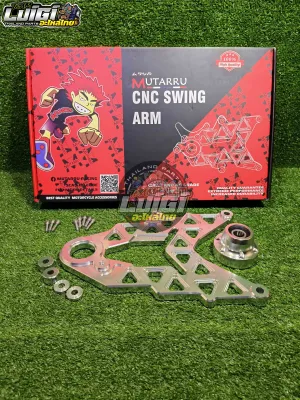
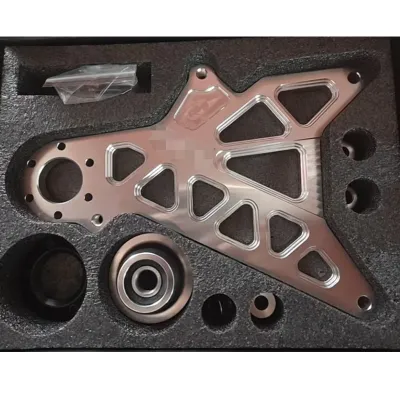
2 Lazada user ratings
Durable motorcycle swing arm, TRC Racing quality assurance, however needs a good mechanic to make modifications. very good. 👍
The product is exquisitely crafted, made of excellent materials
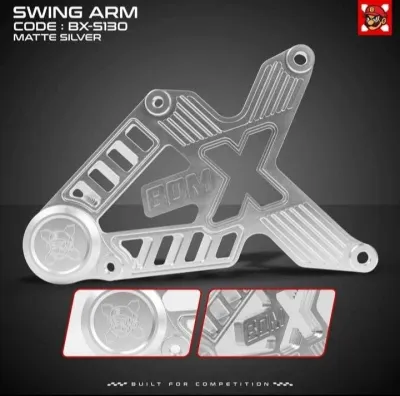
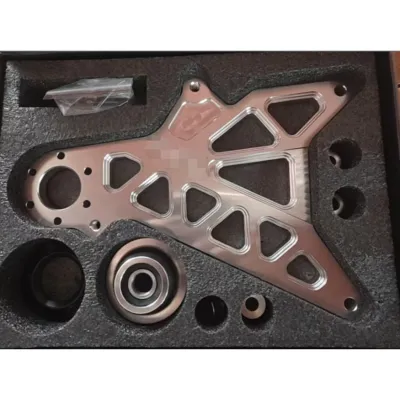
1 Lazada user ratings
Genuine TRC product, High-quality alloy material, High-quality alloy material, High-quality alloy material, Easy installation process,
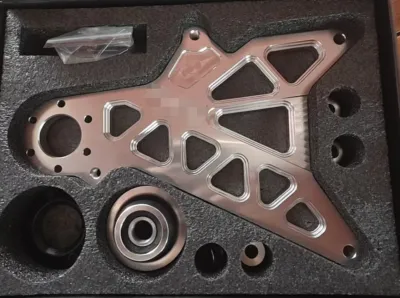
3 Lazada user ratings
Durable alloy construction, Excellent performance upgrade, CNC machined quality, Easy installation process
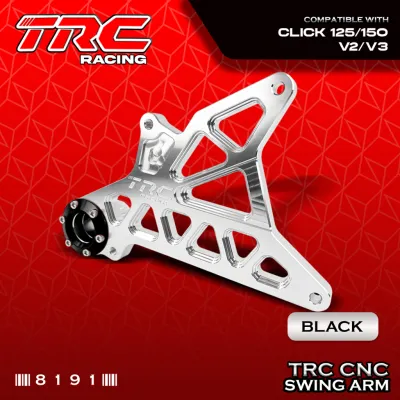
7 Lazada user ratings
🎨Design:10/10 🔨Durability:10/10 🔌Compatibility:10/10 Easy to install for users,thank you seller,.
🎨Design:good 🔨Durability:good 🔌Compatibility:good
Value for money, thank you seller&rider,.
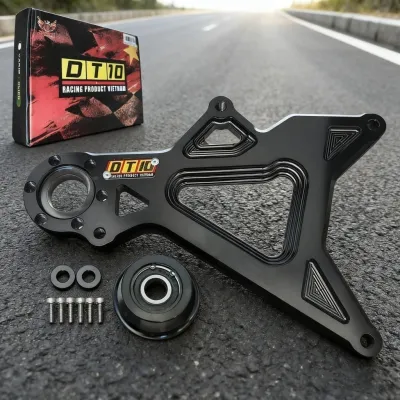
4 Lazada user ratings
received my order all goods nmn lahat legit,,Sturdy and reliable, Easy installation, All accessories included, Racing brand quality,👍tnk u s…Read full reviewShow less
received my order all goods nmn lahat legit,,Sturdy and reliable, Easy installation, All accessories included, Racing brand quality,👍tnk u seller,
Compatibility:Durgoood goood gooodability: goood
Prices are valid at publication and may change. Please refer to the product page for the latest price.
Clunking or knocking sounds provide another clear warning sign of suspension trouble. Pay close attention to when these noises occur; if you hear a sharp metallic knock specifically when accelerating from a stop, decelerating, or riding over speed bumps, the swing arm is likely shifting on its pivot axis. This shifting occurs when there is excessive clearance between the pivot bolt, the internal bushings, and the frame mounts.
It is also important to distinguish normal vertical suspension travel from abnormal side-to-side play. Your Honda Click’s rear suspension is designed to move vertically to absorb road shocks, guided by the rear shock absorber. However, there should be virtually zero lateral movement. If you can physically wiggle the rear wheel or the swing arm assembly from side to side while the scooter is stationary, the internal support structures have degraded and require immediate attention.
Understanding the Root Causes of Wobble and Clunking
The most common cause of swing arm play is the degradation of the swing arm bushings or bearings. The swing arm relies on rubber bushings or needle bearings to allow smooth vertical rotation while resisting lateral forces. Over thousands of kilometers of daily commuting, continuous friction, engine heat, and road vibrations degrade these components. Once the rubber cracks or the needle bearings wear down, gaps form within the assembly, leading to noticeable play and handling instability.

Loose pivot bolts are another frequent culprit behind rear-end wobble. The main pivot bolt secures the swing arm to the engine crankcase or frame. Constant engine vibrations from daily riding can gradually back this bolt off if it was not torqued correctly during assembly or previous maintenance. A loose bolt allows the entire swing arm to shift under load, creating a clunking sound and a highly unpredictable handling feel.
Environmental factors play a massive role in accelerating wear on these components. In humid climates, water and road grime frequently splash onto the undercarriage of the scooter. If the protective dust seals on the swing arm fail, moisture washes out the factory grease. This leads to rust formation on the pivot shaft, which acts as an abrasive, rapidly grinding down the bearings and bushings during normal suspension movement.
Finally, structural bending or cracking of the swing arm itself can occur, though this is less common. Severe impacts from deep potholes, accidents, or chronic overloading beyond the scooter’s weight capacity can physically bend or crack the aluminum or steel swing arm. A bent swing arm misaligns the rear wheel relative to the frame, causing severe handling instability, rapid and uneven tire wear, and a highly compromised ride quality.
Safe Diagnostic Checks Before Taking Things Apart
Before purchasing replacement parts or disassembling your scooter, perform a physical inspection on the center stand to accurately assess the damage. Place your Honda Click securely on its center stand on flat, level ground, ensuring the front wheel is stable and the rear wheel is suspended off the ground. Grasp the rear tire firmly with both hands—one hand at the front of the tire and the other at the rear. Attempt to push and pull the wheel laterally; if you feel any clicking, shifting, or visible movement relative to the engine case, the swing arm bearings or bushings are compromised.
Next, conduct a thorough visual inspection of the pivot area. Use a flashlight to inspect the pivot joint where the swing arm connects to the frame or engine. Look for signs of red or brown rust weeping from the seals, which indicates internal moisture damage and grease washout. Check for torn rubber dust boots, grease leaks, or shiny, scored metal on the pivot shaft, all of which point to a need for component replacement.
While performing these checks, establish strict stop conditions for safety. If you discover any visible cracks in the swing arm metal, severe frame misalignment, or if the main pivot bolt is completely seized and resists moderate pressure, stop your DIY efforts immediately. Forcing a seized bolt can strip the engine crankcase threads or damage the frame, requiring expensive professional repairs. In these scenarios, consulting a qualified mechanic is the safest and most cost-effective path forward.
Evaluating Your Repair Options: DIY Adjustments vs. Professional Service
If your diagnostic check reveals that the swing arm is structurally sound but the pivot bolt is slightly loose, you can attempt to tighten it yourself. However, you must never guess the tightness of chassis fasteners. Always consult the official Honda Click service manual for your specific model year to find the exact torque specifications. Using a calibrated torque wrench is essential; undertightening allows the wobble to return, while overtightening can crush the internal spacer, bind the suspension, or strip the threads on the engine casing.
Replacing worn swing arm bearings or bushings is a highly demanding task that goes beyond basic garage tools. This procedure requires specialized equipment, such as a blind hole bearing puller, a slide hammer, or a hydraulic press, to remove the old bearings without damaging the soft aluminum swing arm housing. Attempting to hammer bearings out with a screwdriver and mallet often ruins the swing arm, leading to a much higher repair bill than if the job had been handled professionally.
Improper installation of suspension components carries severe safety risks. The rear wheel must align perfectly with the front wheel to maintain stable handling and road legality. An improperly installed swing arm can lead to a misaligned rear wheel, causing the scooter to pull to one side, accelerating tire wear, and potentially causing a loss of control at high speeds. Additionally, incorrect assembly can damage the frame mounting points, compromising the structural integrity of the entire scooter.
If you lack the specialized tools or mechanical experience, taking your scooter to a certified service center is the safest path. When planning for professional service, expect the technician to inspect the entire rear suspension assembly, including the rear shock absorber bushings. Ensure the shop uses genuine original equipment manufacturer (OEM) replacement parts, as aftermarket bushings may not match the precise tolerances or durability required for daily riding.
Preventive Care to Keep Your Rear Suspension Stable
To protect your swing arm assembly from premature wear and environmental damage, establish a regular cleaning routine. During your regular wash downs, pay close attention to the undercarriage. Use a low-pressure water stream to rinse away heavy mud, road salt, and debris from around the swing arm pivot. When cleaning the swing arm area, use only mild soap and water or label-authorized motorcycle cleaners. Avoid spraying harsh solvents or high-pressure degreasers directly onto the rubber dust seals, as these chemicals can degrade the elastomer, allowing moisture to penetrate the bearing cavity.
Avoid deep water crossings whenever possible, especially during the rainy season. Deep water that submerges the swing arm pivot can easily bypass worn seals and contaminate the bearing housing. If you must traverse flooded streets, schedule a physical inspection of the pivot area soon after to ensure water has not penetrated the seals and washed out the protective grease.
Finally, schedule periodic visual and physical play inspections during routine maintenance. Make it a habit to perform a quick lateral play check every time you change your engine oil or replace the rear tire. Catching minor play early allows you to tighten loose fasteners or replace worn seals before they cause extensive damage to the swing arm shaft or the engine casing, keeping your ride smooth and secure.
Frequently Asked Questions (FAQ)
Is it safe to ride my Honda Click with a wobbling rear end?
No, it is highly unsafe to ride a scooter with a wobbling rear end. A compromised swing arm directly impairs your ability to steer and maintain balance, especially when cornering or braking. At high speeds, a minor wobble can rapidly escalate into a violent oscillation, leading to a complete loss of control. If you suspect swing arm failure, limit your riding to a slow, cautious trip to the nearest repair shop, or better yet, arrange for the scooter to be transported on a flatbed or trailer.
Can I just tighten the swing arm bolt to stop the clunking noise?
While a loose pivot bolt can cause a clunking noise, simply tightening it is not always a permanent fix. If the bolt was loose for an extended period, the constant movement may have already ovalized the mounting holes or worn down the internal bushings and bearings. If you tighten the bolt to the manufacturer’s specified torque and the clunking or lateral play persists, the internal components are worn out and must be replaced immediately to restore safe handling.
Community discussion
Share your experience or ask a question. Comments are reviewed before publication.