
Engine power loss and unusual noises in your Stargazer motorcycle or scooter are critical warning signs that require immediate attention. While some issues stem from simple maintenance oversights like a clogged filter or a worn spark plug, others may indicate severe internal mechanical failures. This guide helps you safely identify symptoms, perform basic preliminary checks, and determine when professional intervention is necessary to restore your vehicle’s performance without risking further damage.
Riding in hot, humid tropical conditions puts extra stress on air cooling and lubrication systems. When your engine struggles to breathe or lubricate itself properly, performance drops rapidly. Understanding the root cause of these symptoms is the first step toward keeping your ride safe, reliable, and efficient on the road.
Identify the Symptoms: Power Loss vs. Unusual Noises
To troubleshoot effectively, you must first accurately categorize what your vehicle is experiencing. Power delivery issues typically manifest as sluggish acceleration, a noticeable reduction in top speed, or an unstable, rough idle. You might feel the engine bog down or hesitate when you twist the throttle, which directly affects your ability to keep up with daily traffic.
Products mentioned in this guide
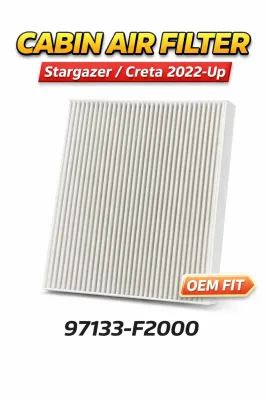
Prices are valid at publication and may change. Please refer to the product page for the latest price.
Acoustic anomalies, on the other hand, are physical sounds that indicate mechanical distress. These can range from sharp metallic knocking and high-pitched squealing to deep grinding or persistent hissing. Each sound points to a different area of concern, such as loose components, worn bearings, or vacuum leaks in the intake system.
Take note of the exact conditions under which these symptoms occur. Does the engine lose power only when climbing steep inclines, or does it happen during cold starts in the morning? Does the strange noise disappear once the engine warms up, or does it intensify as you accelerate? Documenting these patterns provides invaluable clues for diagnosis.
If you experience a sudden, dramatic loss of power or hear a loud, violent metallic noise while riding, pull over safely to the side of the road immediately. Forcing the engine to run under these conditions can turn a minor, easily repairable issue into a catastrophic mechanical failure that could lock up the rear wheel and cause an accident.
Safe Preliminary Checks You Can Do at Home
Before diving into complex repairs, you can perform several low-risk, reversible external inspections at home. Always park your vehicle on a flat, level surface using the center stand. Ensure the engine is completely cool to the touch, turn off the ignition, and remove the key to prevent accidental starts or severe burns.

Start by checking your engine oil level and quality using the dipstick. Low oil levels or highly degraded, pitch-black oil can cause both power loss and severe friction noises. Inspect the ground underneath your vehicle and the engine casing for any visible signs of active oil or fuel leaks.
Next, examine the air filter housing. In dusty environments, the air filter can quickly become clogged with dirt and road debris. A heavily restricted filter starves the engine of oxygen, leading to an overly rich fuel mixture and sluggish performance. Open the airbox and inspect the filter element; if it is caked in dust or soaked in oil, it needs to be replaced.
Inspect the exhaust system for physical damage. Look for loose mounting bolts, cracks along the exhaust pipe, or leaks at the manifold connection. An exhaust leak alters backpressure, which can cause a noticeable drop in low-end torque and produce a loud, popping noise during deceleration.
Finally, perform a visual inspection of the spark plug. Carefully remove the spark plug cap and use a spark plug wrench to unscrew the plug. Inspect the electrode tip; a healthy plug has a light tan or grey color. Heavy black carbon buildup, wet oil fouling, or a worn-down electrode indicates poor combustion and requires a replacement plug, which typically costs between ₱150 and ₱300.
Troubleshooting Matrix: Matching Symptoms to Likely Causes
This troubleshooting matrix maps common observable symptoms to their potential mechanical or electrical root causes. Use this table as a diagnostic guide to help narrow down the issue before purchasing parts or seeking professional repair.
| Observed Symptom | Possible Root Cause | Recommended Next Step |
|---|---|---|
| Sluggish acceleration and engine bogging | Clogged air filter or dirty fuel injector | Inspect and clean or replace the air filter; check fuel system |
| Metallic knocking or pinging under load | Low-octane fuel or improper valve clearance | Refuel with recommended octane; check valve clearance |
| Engine stalls at idle or runs rough | Fouled spark plug or vacuum leak | Inspect spark plug condition; check intake manifold hoses |
| High-pitched squealing or slipping feel | Worn CVT drive belt or clutch components | Inspect CVT belt, rollers, and clutch assembly for wear |
| Sudden power cut at high RPM | Fuel starvation or ignition coil failure | Check fuel pump pressure and ignition system connections |
| Deep, heavy grinding or clattering | Damaged crankshaft bearings or piston wear | Stop engine immediately; transport to a professional workshop |
It is important to distinguish between engine issues and transmission issues, especially on automatic scooters. A worn or slipping Continuous Variable Transmission (CVT) belt can make the engine rev high without transferring power to the rear wheel. This symptom is often mistaken for engine power loss when the actual fault lies in the transmission assembly.
Similarly, tight valve clearances can cause the engine to lose compression as it heats up, leading to a loss of power and hard starting when hot. This issue is often accompanied by a faint, rapid clicking sound from the cylinder head. The matrix serves as a starting point; do not attempt to disassemble major engine components without the proper diagnostic tools.
When to Stop and Seek Professional Motorcycle Repair
While basic maintenance is manageable at home, certain symptoms indicate that the problem exceeds DIY capabilities. If you find shiny metal shavings in your engine oil during a check, stop riding immediately. This is a clear sign of severe internal wear, such as failing bearings or piston scraping, which requires a complete engine teardown.
Deep, heavy metallic knocking from the lower part of the engine is another critical red flag. This sound often points to crankshaft or connecting rod play, which cannot be resolved with external adjustments. Attempting to ride with a rod knock will eventually cause the rod to break, destroying the entire engine block.
Complex tasks involving engine timing, valve adjustments, and compression testing require specialized tools like cylinder pressure gauges, torque wrenches, and diagnostic scanners. Adjusting these components incorrectly can lead to bent valves or ruined pistons. If you lack these tools or the technical training, always delegate the work to a qualified technician.
Take your vehicle to an authorized service center or a reputable motorcycle repair shop. Be aware that unauthorized disassembly of the engine or fuel system can void any existing manufacturer warranties. Professional mechanics can quickly diagnose electrical sensor faults using OBD scanners, saving you time and preventing the purchase of unnecessary parts.
Routine Maintenance to Prevent Future Engine Issues
Preventive maintenance is the most effective way to sustain your engine’s performance and extend its lifespan. Always replace your engine oil, oil filter, and transmission fluids strictly at the intervals specified in your owner’s manual. Regular oil changes keep internal components clean, reduce friction, and help dissipate heat in stop-and-go traffic.
Schedule periodic professional inspections to handle technical adjustments. These include checking and adjusting the valve clearances, cleaning the throttle body or carburetor, and inspecting the drive chain or CVT belt tension. Keeping these systems within factory specifications prevents premature wear and unexpected breakdowns.
Always use fuel and lubricants that meet the manufacturer’s exact specifications. Avoid unapproved aftermarket additives or low-quality fuels, as they can lead to carbon buildup on the valves and spark plug. Using the correct oil viscosity, such as a high-quality 10W-40 oil meeting JASO standards, ensures optimal protection for your specific engine type.
Frequently Asked Questions (FAQ)
Can using low-quality fuel cause my Stargazer engine to lose power? (FAQ)
Yes, low-quality or contaminated fuel can significantly reduce engine performance. If the fuel has a lower octane rating than recommended, or if it contains water or dirt, it can cause improper combustion, engine knocking, and hesitation during acceleration. If you suspect you have filled up with bad fuel, the safest course of action is to drain the fuel tank completely and refill it with fresh, high-quality fuel from a reputable station that meets the specifications in your owner’s manual.
Is it safe to ride my scooter if it only makes a slight ticking noise? (FAQ)
A slight, consistent ticking noise is often normal mechanical sound from the valve train as the valves open and close. However, if the ticking becomes noticeably louder, irregular, or changes volume with engine speed, it could indicate improper valve clearance or insufficient lubrication. You should avoid high-load or high-speed riding until you can verify the source of the noise. Have a qualified mechanic inspect the valve clearances as soon as possible to prevent potential valve damage.
Community discussion
Share your experience or ask a question. Comments are reviewed before publication.