
Quick Diagnostic Summary
The Honda Wave 125 is a legendary workhorse in the Philippines, widely trusted by daily commuters, delivery riders, and tricycle drivers for its outstanding fuel efficiency and durability. However, because these underbone motorcycles are frequently subjected to heavy daily loads, stop-and-go traffic, and high operating temperatures, their top-end components inevitably wear down. When engine performance drops, many riders wonder if they need a complete new block for wave 125 or if a simpler fix will do.
While external symptoms like thick blue-gray exhaust smoke, a severe loss of power, and metallic engine knocking strongly suggest internal wear, a definitive decision to replace the cylinder block requires precise internal measurements. It is crucial to distinguish between a simple top-end repair—such as replacing worn piston rings or valve seals—and a full cylinder block replacement. Accurately diagnosing the root cause before purchasing any replacement parts ensures you do not waste money on unnecessary components or overlook deeper engine issues that could ruin a brand-new block.
Observable Signs of Cylinder and Piston Wear
Identifying a failing cylinder block starts with paying close attention to how your motorcycle behaves during daily rides. Because the Wave 125 relies on an air-cooled engine, it is highly sensitive to lubrication quality and operating temperatures, which directly affect the lifespan of the cylinder bore.
Products mentioned in this guide
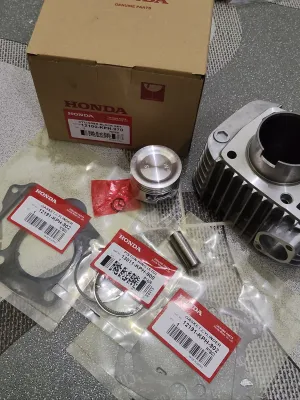
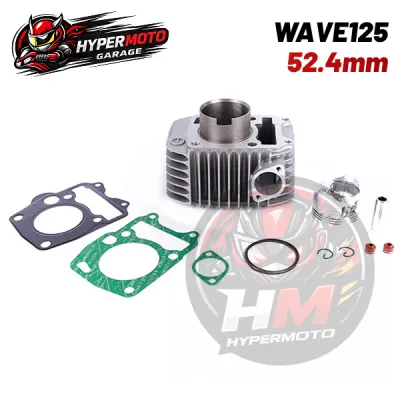
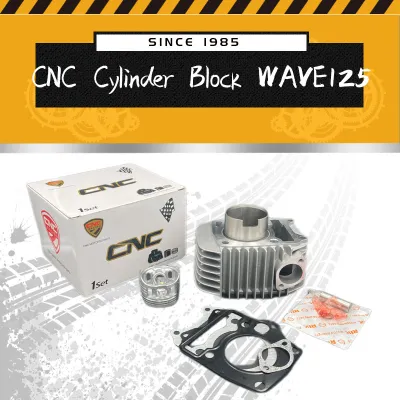
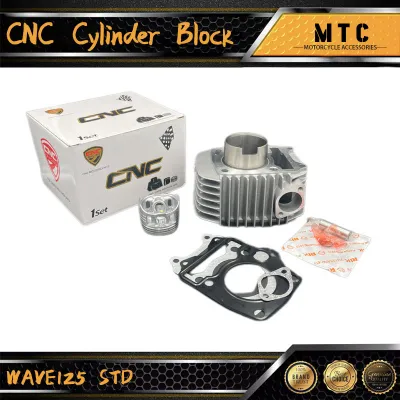
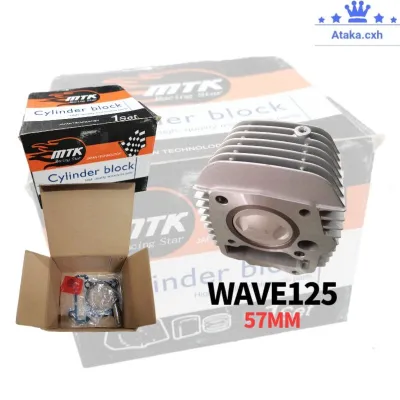
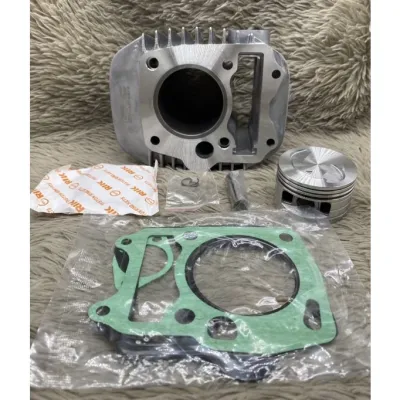
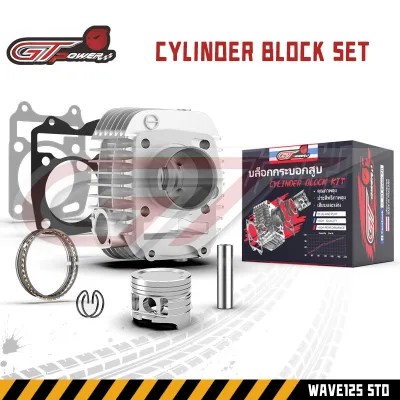
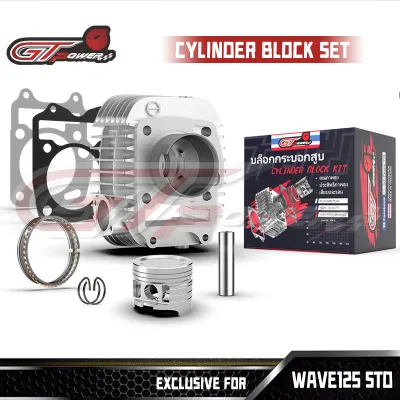
Prices are valid at publication and may change. Please refer to the product page for the latest price.

Excessive Exhaust Smoke If you notice thick, persistent blue or gray smoke billowing from your exhaust pipe, it is a primary indicator that engine oil is escaping past the piston rings and entering the combustion chamber. This oil burning typically intensifies during rapid acceleration or when decelerating. Because the standard Wave 125 is an air-cooled motorcycle, any white smoke you see is generally caused by water condensation in the exhaust on humid mornings or unburnt fuel from a poorly tuned carburetor or fuel injector, rather than coolant leakage.
Loss of Power and Poor Acceleration A worn cylinder wall or damaged piston rings prevent the engine from sealing the combustion chamber effectively, leading to a drop in compression. On the road, this manifests as a noticeable struggle to maintain cruising speeds, sluggish throttle response when overtaking, or a severe lack of power when climbing steep inclines, such as the mountain roads of Antipolo or Benguet.
Increased Oil Consumption When the cylinder bore is worn or out-of-round, the piston rings can no longer scrape the cylinder walls clean. Consequently, a small amount of oil is burned during every combustion cycle. If you find yourself constantly topping up your engine oil between scheduled oil changes, and there are no visible oil puddles or wet spots on your engine casing or garage floor, your engine is likely consuming oil internally due to top-end wear.
Unusual Engine Noises As the clearance between the piston and the cylinder wall increases beyond the manufacturer’s specified limits, the piston begins to wobble or rock inside the bore. This physical movement produces a distinct metallic rattling, clicking, or knocking sound known as “piston slap.” This noise is typically most pronounced when the engine is cold or under heavy load, and it indicates that physical wear has reached a critical stage.
DIY Inspections vs. Professional Mechanical Tests
Before rushing to buy a replacement block for wave 125, you can perform several basic, low-risk checks at home to gather clues about your engine’s health. However, confirming whether the block itself must be replaced requires specialized tools and professional expertise.
What You Can Safely Check at Home
Spark Plug Inspection Using a standard spark plug wrench, carefully remove and inspect the spark plug. A healthy spark plug should have a dry, light tan or grayish electrode. If the plug tip is wet, coated in black oil, or covered in thick, crusty carbon deposits, it serves as a strong visual confirmation that engine oil is actively burning inside the cylinder.
Air Filter and Breather Check Locate your motorcycle’s airbox and inspect the crankcase breather hose. When piston rings fail to seal, high-pressure combustion gases blow past the piston into the crankcase, creating excessive pressure. This pressure forces engine oil up through the breather tube and into the airbox. Finding a pool of oil inside your air filter housing is a classic sign of severe piston and cylinder blow-by.
Auditory Checks Start your motorcycle and listen closely to the engine block. Note whether the metallic rattling or knocking noise changes as the engine warms up. Because aluminum pistons expand faster than cast-iron cylinder liners, piston slap often softens slightly once the engine reaches operating temperature. If the knocking remains loud, sharp, and consistent regardless of engine temperature, the wear is likely severe or originates from the crankshaft rod bearing.
Why Professional Teardown and Measurement Are Mandatory
Compression and Leak-Down Testing A professional mechanic will use a compression gauge screwed into the spark plug hole to measure the exact pressure your engine generates. A “dry” test followed by a “wet” test (where a small amount of oil is added directly into the cylinder) helps isolate the leak. If the compression reading jumps significantly during the wet test, it confirms the pressure loss is due to worn piston rings or cylinder walls. A leak-down test can further pinpoint if pressure is escaping into the crankcase, intake, or exhaust.
Borescope Inspection Using a flexible borescope camera inserted through the spark plug hole, a technician can inspect the inner walls of the cylinder without disassembling the engine. This allows them to look for deep vertical scratches, heat discoloration, or structural cracks that would immediately condemn the cylinder block.
Precision Bore Measurement The ultimate decision to replace a cylinder block cannot be made by visual inspection alone. Once the engine is disassembled, a mechanic must use a dial bore gauge and an outside micrometer to measure the cylinder’s diameter at multiple heights and angles. These measurements are compared against the manufacturer’s service limits to check for taper (the cylinder being wider at the top than the bottom) and out-of-roundness (the cylinder becoming oval-shaped). If these measurements exceed the service limits, a simple ring replacement will not restore compression, and the block must be serviced or replaced.
Repair vs. Replace: When Is a New Block Necessary?
Deciding whether to repair your existing setup or purchase a brand-new cylinder block depends entirely on the severity of the damage and the specific design of your Wave 125 engine variant.
Scenarios for a Standard Top-End Rebuild
If the professional measurements reveal that your cylinder wall is still within the manufacturer’s acceptable wear limits and has no deep scratches, you do not need a new block. A standard top-end overhaul is sufficient. This process involves installing a new piston, piston rings, wrist pin, and circlips, accompanied by a light cylinder honing (deglazing) performed by a machine shop to help the new rings seat properly.
For older Wave 125 models with cast-iron cylinder sleeves, cylinder reboring is a highly viable and cost-effective option. A machinist can bore the cylinder to a larger diameter and pair it with an oversized piston (such as +0.25mm or +0.50mm). This restores the perfect cylinder shape and compression without the cost of a new block. Additionally, if your oil-burning symptoms are caused solely by hardened valve stem seals or a leaking cylinder head gasket, these can be replaced individually to solve the issue.
Conditions Requiring Full Cylinder Block Replacement
Deep Scoring and Scuffing If the engine was run without sufficient oil, or if dirt bypassed the air filter, deep vertical grooves can cut into the cylinder wall. These deep scores cannot be honed out, and reboring past safe limits will thin the cylinder sleeve dangerously, leading to poor heat dissipation and structural failure. In this scenario, a new cylinder block is required.
Structural Cracks or Warping Severe overheating, often caused by riding with low oil or pushing the engine too hard in heavy traffic, can warp the cylinder block’s mating surfaces. A warped block cannot maintain a proper seal with the cylinder head, leading to persistent head gasket failures and compression leaks. Furthermore, physical impacts or extreme thermal stress can cause hairline cracks in the casting, making replacement the only safe option.
Exceeding Maximum Wear Limits Every cylinder block has a maximum limit to which it can be bored out. If your cylinder has already been rebored to its maximum limit in the past, or if the wear is so deep that it exceeds the largest available oversized piston, the block has reached the end of its service life and must be replaced.
Architectural Note Always verify your specific Wave 125 model year and engine type before buying parts. Some older variants feature a thick, replaceable pressed-in iron sleeve that can be machined multiple times. In contrast, certain modern fuel-injected variants utilize specialized all-aluminum cylinder blocks with wear-resistant coatings. These coated cylinders cannot be rebored or sleeved using traditional methods, meaning any significant bore damage requires swapping out the entire cast aluminum cylinder block assembly.
Next Steps and Safety Warnings
If your diagnostic steps point toward a failing cylinder block, taking immediate and correct action is vital to protect your safety and your wallet.
Stop Riding if Symptoms are Severe Continuing to ride a motorcycle with a heavily knocking engine, severe oil loss, or drastic power drops is highly dangerous. A worn piston can tilt excessively, crack, or seize inside the cylinder at high speeds. A sudden engine seizure can instantly lock your rear wheel, causing a dangerous loss of control on busy roads. Furthermore, a shattered piston can send metallic shrapnel into the crankcase, destroying the crankshaft, oil pump, and engine casings, turning a top-end repair into a complete engine write-off.
Consult a Qualified Mechanic Engine disassembly, precision measurement, and reassembly require specialized training and tools. Always have a qualified motorcycle mechanic perform the teardown and installation. Incorrectly torqued cylinder head bolts can warp the new block, while misaligned piston ring gaps or improper gasket preparation will cause immediate oil leaks and compression loss, ruining your new parts.
Sourcing Replacement Parts When purchasing a new block for wave 125, always prioritize Original Equipment Manufacturer (OEM) parts or highly reputable aftermarket brands. Complete cylinder kits typically range from ₱1,500 to ₱4,000 depending on whether you choose standard OEM replacements or premium aftermarket options. Ensure the kit you buy is explicitly compatible with your specific Wave 125 engine code and year, and verify that it includes the cylinder block, matching piston, rings, wrist pin, circlips, and high-quality head and base gaskets. Avoid ultra-cheap, unbranded cylinder kits from unverified online sellers, as they often use inferior metallurgy that cannot withstand the high operating temperatures of tropical riding conditions, leading to premature engine failure.
Community discussion
Share your experience or ask a question. Comments are reviewed before publication.