
Navigating the bustling streets of Metro Manila, cruising along the scenic highways of Batangas, or tackling the twisty mountain roads of Marilaque requires gear that can adapt to rapidly changing conditions. For many Filipino riders, the modular helmet is the ultimate compromise. By combining the robust protection of a full-face helmet with the convenient flip-up utility of an open-face design, these helmets offer unmatched versatility. You can keep your helmet secure on the highway, then easily flip up the chin bar to pay toll fees, speak to a traffic enforcer, or grab a quick drink of water in the sweltering tropical heat.
Finding the right modular helmet in the Philippines means balancing safety, comfort, and your budget. While premium models offer cutting-edge materials and advanced noise reduction, more affordable entry-level options still provide reliable protection if you know what to look for. To make an informed decision, you must understand what features are available at different price points, which safety standards are non-negotiable, and how to avoid the dangerous counterfeit products that flood the local market.
What to Expect from Entry-Level, Mid-Range, and Premium Modular Helmets
Modular helmets are highly complex pieces of safety gear. Unlike standard full-face helmets, they feature moving parts, hinges, locking pins, and release buttons that must all work seamlessly under pressure. Because of this structural complexity, the materials used and the precision of the manufacturing process vary significantly across different price segments.
Products mentioned in this guide
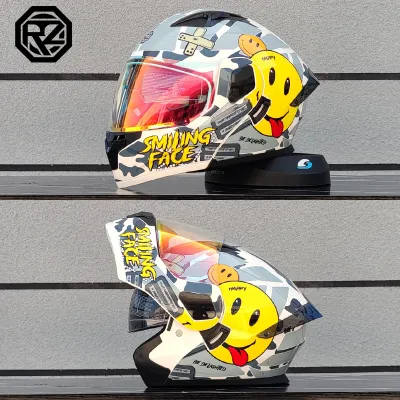
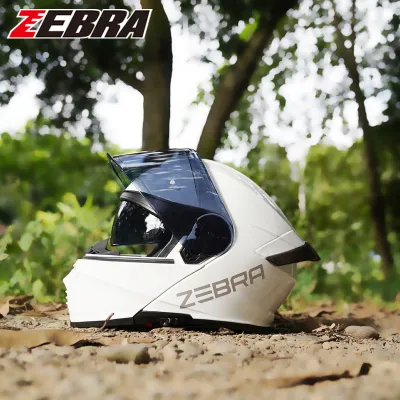
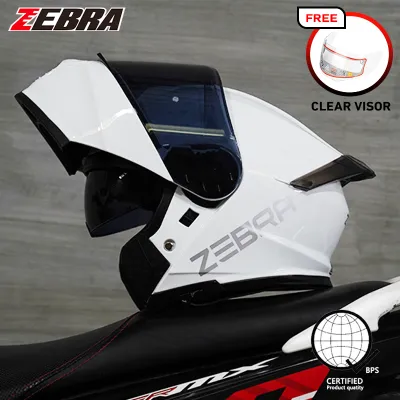
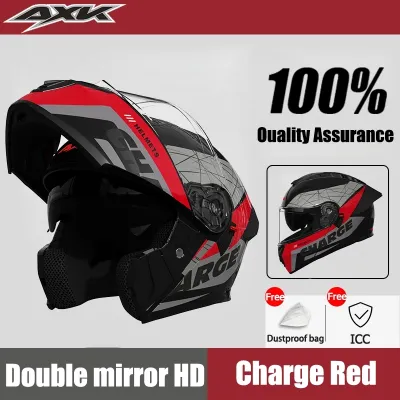
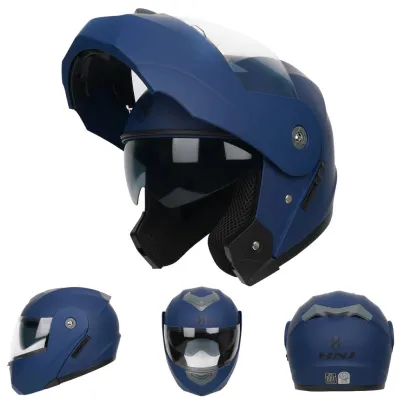
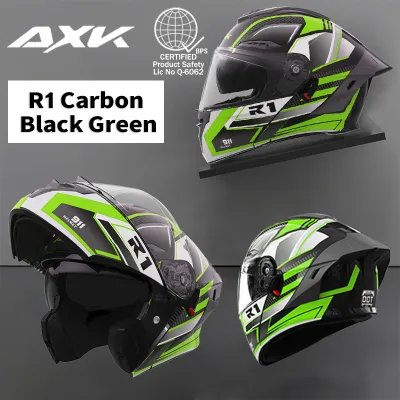
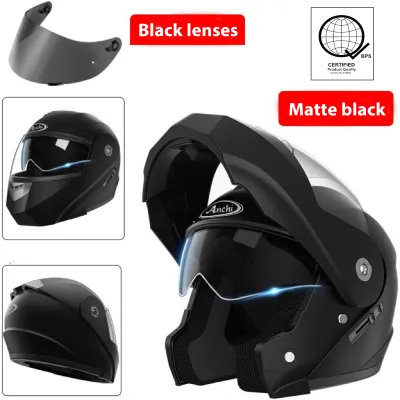
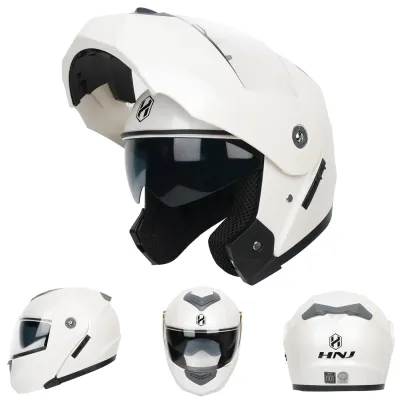
Prices are valid at publication and may change. Please refer to the product page for the latest price.
Entry-Level Modular Helmets
Entry-level modular helmets are designed for budget-conscious commuters and daily riders. These helmets typically feature shells constructed from injection-molded ABS plastic or basic polycarbonate. While these materials are highly impact-resistant, they require a thicker shell to achieve the necessary safety ratings, making entry-level helmets noticeably heavier—often exceeding 1.7 kilograms.
The flip-up mechanisms in this price bracket are usually made of high-strength plastics or basic metal alloys. While functional, they may feel slightly stiff or develop play over extended use. Ventilation systems are generally basic, featuring simple slide-open ports that may struggle to keep you cool during slow-moving traffic in high humidity. However, these helmets still carry essential safety certifications, making them a viable, budget-friendly option for short city commutes.
Mid-Range Modular Helmets
Moving up to the mid-range segment introduces a significant leap in refinement, durability, and rider comfort. Helmets in this category often utilize advanced thermoplastic resins or lightweight fiberglass composite shells. This material upgrade reduces overall weight, which greatly alleviates neck fatigue during long weekend rides to neighboring provinces.
In the mid-range tier, manufacturers pay closer attention to aerodynamics and wind noise. The shell shapes are sculpted to minimize drag, and the visor seals are tighter to prevent rain from seeping in during sudden afternoon downpours. The flip-up hinge mechanisms are more robust, frequently utilizing stainless steel locking components for a more secure connection. Additionally, you will find improved interior liners made from plush, moisture-wicking fabrics that dry quickly after a sweaty ride.
Premium Modular Helmets
Premium modular helmets represent the pinnacle of riding gear technology. These helmets are constructed from high-tech composite fibers, such as carbon fiber, Kevlar, and multi-directional fiberglass weaves. This results in an incredibly strong yet lightweight shell that minimizes physical strain on the rider.
A key feature of premium modular helmets is dual-homologation, often indicated by a P/J certification. This official rating certifies that the helmet is structurally safe and legally compliant to wear in both the closed (P) and open (J) positions while riding. Premium models also feature highly engineered ventilation networks that use Venturi extraction to pull hot, humid air out of the helmet. You can also expect advanced soundproofing, optical-class-1 visors that eliminate distortion, and seamless integration ports for dedicated Bluetooth communication systems.
Non-Negotiable Safety Certifications and Fit Checks for Every Budget
Regardless of how much you plan to spend on a modular helmet, safety must never be compromised. A budget-friendly helmet must protect your head just as effectively as a premium one during an impact. To ensure your helmet is up to the task, you must verify its safety credentials and ensure a flawless fit.

Verifying Safety Certifications
In the Philippines, all motorcycle helmets worn on public roads must comply with the Motorcycle Helmet Act (Republic Act No. 10054). This law mandates that helmets must bear a valid Import Commodity Clearance (ICC) sticker or a Philippine Standard (PS) mark issued by the Bureau of Philippine Standards (BPS). These stickers feature unique serial numbers and holographic security elements that prove the batch has passed local safety evaluations.
In addition to local stickers, look for internationally recognized safety standards printed or sewn onto the back of the helmet or the chin strap:
- ECE 22.05 / ECE 22.06: The European standard, with ECE 22.06 being the latest and most stringent. It includes rigorous testing for rotational impacts and visor durability.
- DOT (FMVSS No. 218): The United States Department of Transportation standard, which ensures basic penetration and impact attenuation capabilities.
Inspecting the Chin Bar Locking Mechanism
The most critical component of a modular helmet is the locking mechanism that holds the chin bar in place. During a frontal crash, the chin bar must remain locked to protect your face. Before purchasing any modular helmet, perform a manual inspection:
- Pull the chin bar down and listen for a loud, positive click. This indicates the locking pins have engaged.
- Attempt to push the chin bar upward firmly without pressing the release button. It should remain completely rigid and locked.
- Inspect the locking pins and catches. Metal-on-metal locking mechanisms are vastly superior to plastic ones, as plastic tabs can shear off under the extreme forces of an accident.
Performing the Fit Check
A helmet can only protect you if it fits correctly. To find your size, wrap a flexible measuring tape around the widest part of your head, about one inch above your eyebrows. Compare this measurement to the specific sizing chart of the brand you are considering, as sizing varies between manufacturers.
When trying the helmet on, it should feel snug all over your head without causing painful pressure points. Your cheeks should be gently compressed, and when you shake your head from side to side, the helmet should not rotate independently of your skin. Keep the helmet on in the store for at least 15 minutes. If you feel a dull ache or a sharp pain on your forehead or temples, the helmet shape is incompatible with your head, and you should try a different model.
The Danger of Second-Hand Modular Helmets
Never buy a used modular helmet. Even if it looks pristine on the outside, the internal expanded polystyrene (EPS) liner may have compressed from a previous drop or normal wear, rendering it incapable of absorbing impact energy. Furthermore, the moving hinges and springs in a used modular helmet may have suffered fatigue, increasing the risk of mechanical failure when you need protection the most.
Which Features to Prioritize and Where You Can Safely Compromise
When working with a fixed budget, you will likely need to make decisions between different features. Knowing what is essential for safety and daily usability—and what is merely a luxury—will help you get the most value for your money.
Features to Prioritize
- Robust Hinge Materials: Prioritize helmets that use stainless steel or high-grade metal locking systems over plastic components. This directly impacts the structural integrity of the helmet during a crash.
- Pinlock-Ready Visor: The rapid temperature drops during sudden tropical downpours cause immediate visor fogging, which severely compromises your vision. A visor that is Pinlock-ready allows you to install a dual-layer anti-fog insert, keeping your view perfectly clear.
- Effective Ventilation Ports: In a hot climate, adequate airflow is a safety feature. Look for a helmet with large, easily adjustable chin and forehead vents that can be operated even while wearing riding gloves.
- Optical Clarity: Ensure the primary visor is free from distortion and offers UV protection to shield your eyes from the intense Philippine sun.
Features Where You Can Safely Compromise
- Integrated Bluetooth Communications: Many high-end helmets feature built-in slots for proprietary intercom systems. These systems are highly expensive. You can save money by choosing a helmet with standard speaker pockets and installing a more affordable, universal aftermarket Bluetooth unit later.
- Premium Interior Fabrics: While luxury liners made of specialized materials feel exceptionally soft, standard moisture-wicking fabric liners are perfectly adequate. As long as the liner is removable and washable, you do not need to pay a premium for high-end fabric branding.
- Complex Aerodynamic Spoilers: Large, multi-piece rear spoilers are designed for high-speed track riding. For daily commuting and highway touring at legal speeds, a clean, simple shell design is highly effective and much more affordable.
- Integrated Drop-Down Sun Visors: While convenient, internal sun visors add weight and mechanical complexity to the helmet. If you are on a tight budget, you can easily compromise on this feature by wearing a pair of UV-blocking sunglasses underneath your clear visor.
How to Spot Counterfeits and Verify Helmet Authenticity
The popularity of motorcycle riding in the Philippines has unfortunately led to a massive influx of counterfeit riding gear. Faux brand-name helmets are widely available on online marketplaces and from unauthorized physical roadside stalls. These counterfeit helmets are incredibly dangerous, as they are made of cheap, brittle plastics that shatter upon impact.
Red Flags of Counterfeit Helmets
- Unbelievably Low Prices: If a modular helmet from a highly respected international brand typically retails for ₱12,000, but you find a seller offering it for ₱2,000, it is a counterfeit. True safety gear cannot be manufactured and sold at those prices.
- Poor Print and Build Quality: Inspect the brand logos and graphics closely. Counterfeit helmets often feature blurry graphics, misaligned decals, or misspelled brand names. Look for physical defects like bubbling paint, loose rubber seals, and rattling vents.
- Substandard Certification Stickers: Fake ICC or ECE stickers are a common sight. Genuine ICC stickers are made of high-quality, tamper-evident material that tears if you try to peel it off. Fake stickers are often simple paper labels that are crooked, easily scratched, or lack the official holographic shine.
Safe Buying Practices
To guarantee that you are purchasing a genuine, life-saving product, buy exclusively from authorized local distributors, official brand concept stores, or long-standing, reputable physical motorcycle accessory shops. If you prefer to shop online, only purchase from verified mall stores on major ecommerce platforms. Avoid unverified third-party sellers who cannot provide proof of official distribution rights.
Whenever possible, verify the helmet’s authenticity by checking the serial number or batch code printed on the white tag attached to the chin strap. Many reputable manufacturers allow you to input this code on their official website to confirm that the helmet is a genuine product from their factory.
Hidden Costs and Maintenance Factors to Protect Your Budget
When calculating how much you can afford to spend on a modular helmet, do not make the mistake of focusing solely on the initial retail price. Owning and maintaining a modular helmet involves several ongoing costs that can catch unprepared riders off guard.
Consumables and Accessories
- Anti-Fog Inserts: If your chosen helmet is Pinlock-ready but does not include the insert in the box, you will need to purchase it separately. These inserts generally cost between ₱1,500 and ₱2,500, which is a necessary expense for safe rainy-season riding.
- Replacement Visors: Visors inevitably get scratched over time from road debris and improper cleaning. Before buying a specific helmet model, check the price and local availability of replacement visors. Some niche or imported brands have highly expensive replacement shields that are difficult to source locally.
Hygiene and Wearable Parts
Because of the hot and humid climate in the Philippines, you will sweat heavily during your rides. This sweat, combined with facial oils and dust, degrades the foam inside your helmet’s comfort liner over time. To maintain hygiene and ensure the helmet continues to fit snugly, you will need to wash the liner regularly.
Ensure the helmet you buy has a fully removable and washable liner. Additionally, check if the manufacturer sells replacement cheek pads and crown liners for that specific model. Being able to buy a fresh set of pads for a few hundred pesos can extend the useful life of your helmet by several years, saving you from having to purchase an entirely new helmet when the original pads compress and become loose.
Mechanical Maintenance
The moving parts of a modular helmet require periodic care to function smoothly. Dust, grit, and road grime can work their way into the hinge plates and locking pins, causing the mechanism to stick or wear out prematurely.
To prevent this, consult the manufacturer’s care instructions for your specific model. Generally, you should periodically clean the hinge area with a soft brush and apply a tiny drop of silicone lubricant (often supplied in the box with premium helmets) to keep the moving parts operating smoothly. Never use harsh petroleum-based lubricants, as they can degrade the helmet’s plastic shell and internal EPS liner. By factoring these minor maintenance steps and potential accessory costs into your initial buying decision, you can protect your budget and enjoy a safe, comfortable ride for years to come.
Community discussion
Share your experience or ask a question. Comments are reviewed before publication.