
To spot a fake Honda Click cylinder block set when shopping online in the Philippines, you must look beyond the listing photos and perform a systematic inspection of the packaging, the physical casting, and the seller’s credentials. Counterfeit parts have flooded digital marketplaces, often mimicking genuine Honda packaging to deceive unsuspecting riders. By verifying the exact part numbers, checking for specific machining marks like cross-hatch honing patterns, and avoiding suspiciously low prices, you can protect your motorcycle from catastrophic engine failure.
Why Counterfeit Cylinder Blocks Pose Severe Engine Risks
The cylinder block is the heart of your motorcycle’s engine, housing the combustion process and guiding the piston. In the tropical climate of the Philippines, where high ambient temperatures and heavy traffic congestion put immense thermal stress on engines, heat dissipation is critical. Genuine Honda cylinder blocks are engineered from specific aluminum alloys designed to transfer heat rapidly away from the combustion chamber. Counterfeit blocks, however, often utilize cheap, recycled scrap metals or inferior alloy compositions that fail to manage these extreme temperatures, leading to rapid thermal expansion and warping.
When a cylinder block warps or fails to dissipate heat, the clearance between the piston and the cylinder wall rapidly decreases. This thermal expansion can lead to premature engine seizure, where the piston binds to the cylinder wall while running. Such a catastrophic failure at high speeds not only poses an immediate safety hazard on busy highways but also destroys other critical internal components.
Products mentioned in this guide
Prices are valid at publication and may change. Please refer to the product page for the latest price.
The financial consequences of installing a counterfeit block set far exceed the initial savings. A seized engine often results in bent valves, a damaged crankshaft, a broken connecting rod, and ruined engine casings. What started as a budget-friendly online purchase quickly escalates into a complete engine rebuild, costing thousands of ₱ in parts and professional labor. Investing in a verified, genuine component is the most reliable way to ensure long-term reliability and avoid these compounding expenses.
Visual and Physical Checks for Authentic Honda Packaging
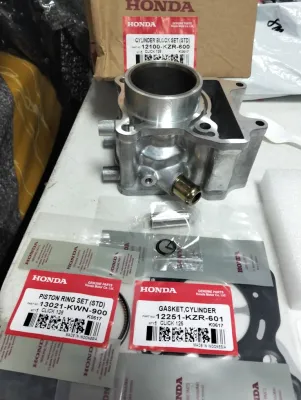
Before you even unbox the cylinder block, the external packaging serves as your first line of defense against counterfeit products. Genuine Honda spare parts are shipped in high-quality, sturdy cardboard boxes designed to protect heavy metal components during transit. Inspect the cardboard itself; counterfeiters often use thin, flimsy boxes that easily crush or deform. Pay close attention to the print quality on the box, looking for blurry logos, uneven ink distribution, or faded colors that indicate cheap printing processes.

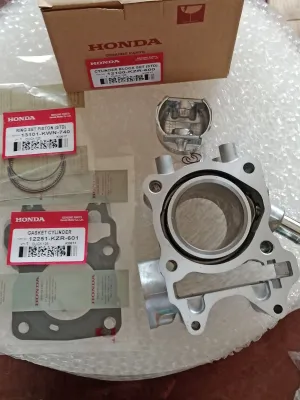
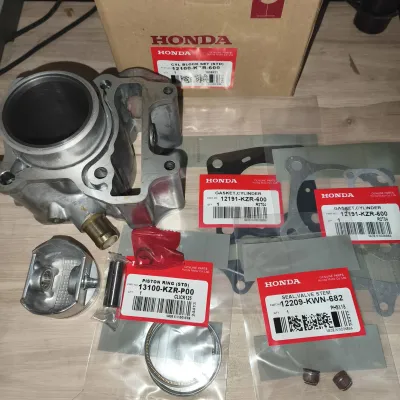
The label on the packaging is a critical point of verification. Authentic Honda labels feature crisp, clear typography with consistent font weights and precise alignment. Examine the red Honda logo and the part description carefully. Counterfeits often exhibit subtle spelling mistakes, unusual spacing, or slightly altered fonts that do not match official Honda branding. Additionally, check for the presence of intact factory seals and any security stickers. While holographic stickers can sometimes be replicated, fake holograms often lack the depth, sharp color transitions, and clear micro-text found on genuine security labels.
Another vital step is verifying that the part number printed on the label matches the official Honda parts catalog format. Genuine part numbers follow a strict alphanumeric structure that identifies the specific part, model compatibility, and manufacturing origin. If the label displays a generic number, a handwritten code, or a sequence that does not exist in official documentation, the part is highly likely to be a counterfeit. Always cross-reference this label with trusted parts manuals before opening the inner protective wrapping.
Inspecting the Cylinder Block: Material, Casting, and Machining Clues
Once the packaging is open, a close physical inspection of the cylinder block will reveal the true quality of its manufacturing. Begin by looking down the internal bore of the cylinder. A genuine Honda cylinder block features highly precise, uniform honing patterns. These microscopic cross-hatch scratches are machined at specific angles to retain a thin film of engine oil, ensuring the piston rings remain lubricated during operation. Counterfeit blocks often have uneven, shallow, or completely vertical honing marks, or they may appear polished smooth. This lack of proper cross-hatching leads to poor oil retention, rapid ring wear, and eventual loss of compression.
Next, examine the external surfaces of the block. Genuine Honda castings are clean, smooth, and free of manufacturing debris. Look closely at the cooling fins, the mounting flanges, and the areas around the bolt holes. Counterfeit blocks frequently show rough, porous metal surfaces, jagged edges, and excess metal flash left over from low-quality casting molds. These imperfections are not just cosmetic; porous metal can develop micro-cracks under thermal stress, leading to oil or coolant leaks that compromise engine integrity.
The structural rigidity and weight of the block also provide valuable clues. While you should not rely on weight as your sole indicator of authenticity, genuine blocks are manufactured to strict weight tolerances. If a block feels unusually light or has thin, fragile-looking cooling fins, it may lack the structural integrity required to withstand combustion pressures. Inspect the machined mating surfaces where the cylinder head and crankcase gaskets sit. These surfaces must be highly flat and smooth; any visible machining grooves, scratches, or unevenness on a suspected fake block will prevent a proper gasket seal, resulting in immediate compression leaks.
Verifying Part Numbers and Sourcing from Authorized Channels
To ensure you are purchasing a compatible and genuine component, always use the official Honda parts manual to confirm the exact alphanumeric code for your specific Honda Click model and year. The Honda Click has gone through multiple generations, including the Click 125i and Click 150i, each requiring specific block dimensions and water jacket configurations. Never rely solely on a seller’s generic listing title like “Honda Click Block Set” without verifying the exact part number.
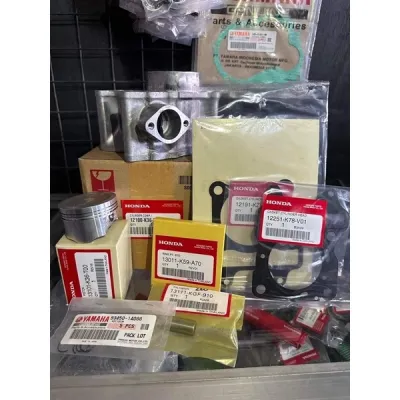
When shopping on online marketplaces, carefully evaluate the seller’s profile. Look for authorized dealers, official brand stores, or highly rated local motorcycle parts distributors. Genuine sellers will openly share their physical shop locations, provide clear photos of the actual stock rather than stock images, and respond professionally to technical inquiries. Avoid buying from newly created accounts with zero history, generic names, or those that refuse to provide detailed photos of the packaging labels.
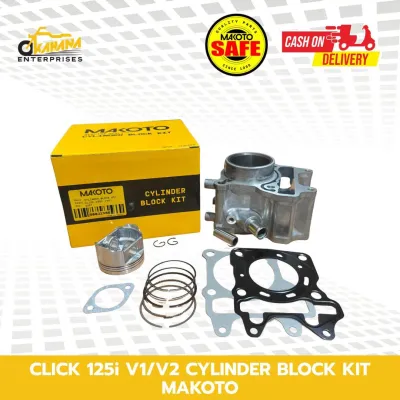
Pricing is one of the most reliable indicators of a counterfeit part. If a listing offers a complete cylinder block set—including the block, piston, rings, and gaskets—at a fraction of the standard retail price found at authorized physical dealers, you should treat it with extreme suspicion. While online discounts and platform vouchers can lower the cost slightly, genuine engine components cannot be manufactured or sold at impossibly low ₱ prices. A price that seems too low is almost always a guarantee of a low-quality counterfeit that will cost you more in repairs later.
What to Do If You Suspect You Received a Fake Block Set
If you have purchased a cylinder block set online and suspect it is a counterfeit upon arrival, do not attempt to install it on your motorcycle. Installing an unverified engine component voids any remaining vehicle warranty and risks severe mechanical damage. Your first step should be to document the entire unboxing process. Take high-resolution videos and clear photos showing the shipping label, the packaging box, the product labels, and the physical defects or casting flaws on the block itself. This documentation is crucial evidence for securing a refund.
Immediately initiate a return and refund request through the e-commerce platform’s buyer protection system. Select the appropriate reason, such as receiving a counterfeit or non-genuine item, and upload your documented video and photo evidence. Avoid communicating with the seller outside the official platform channels, as some fraudulent sellers may attempt to persuade you to accept a partial refund or close the dispute in exchange for empty promises.
Before making a final decision or if you are unsure about your own assessment, take the suspected block set to a certified motorcycle mechanic or an authorized Honda service center. A professional technician can compare the part against genuine stock, evaluate the machining tolerances, and provide an expert opinion. If they confirm the part is a fake, use their assessment to support your platform dispute and report the seller’s listing to help protect other riders in the local motorcycle community.
Frequently Asked Questions (FAQ)
Can I use a suspected fake block set temporarily if I am on a tight budget?
No, using a suspected counterfeit cylinder block set even temporarily is highly discouraged. The risk of sudden piston scuffing, overheating, and complete engine seizure is extremely high due to poor material quality and incorrect machining tolerances. A sudden engine failure while riding can cause the rear wheel to lock up, leading to dangerous accidents on the road. Furthermore, the cost of repairing the resulting damage to your crankshaft, cylinder head, and engine cases will far exceed the cost of waiting until you can afford a genuine Honda block set.
Does a heavier cylinder block always mean it is genuine?
No, weight alone is not a reliable indicator of authenticity. While genuine Honda cylinder blocks are made from high-grade aluminum alloys designed for optimal strength and heat dissipation, counterfeiters may use cheaper, heavier cast iron or low-grade recycled alloys to mimic the feel of a solid part. These heavier, inferior metals often trap heat instead of dissipating it, leading to severe engine overheating. To determine authenticity, you must evaluate the block using a combination of casting quality, precise machining marks, packaging details, and verified part numbers rather than relying solely on weight.
Community discussion
Share your experience or ask a question. Comments are reviewed before publication.