
Identifying genuine caliper bolts is a critical step in maintaining the structural integrity and safety of your motorcycle or scooter’s braking system. Authentic fasteners can be distinguished from substandard or counterfeit alternatives through a systematic inspection of their packaging, head markings, thread precision, and surface finish. Because caliper bolts secure the primary components responsible for stopping your vehicle, using unverified or low-grade hardware poses an immediate road safety hazard.
When replacing brake components, it is easy to overlook the small fasteners that hold everything together. However, these bolts are engineered to withstand extreme mechanical forces. Ensuring their authenticity is not just about vehicle maintenance; it is a fundamental safety practice that protects you and other road users from catastrophic mechanical failures.
Why Caliper Bolt Authenticity Matters for Brake Safety
During operation, your vehicle’s braking system converts kinetic energy into thermal energy through friction. When you apply the brakes, the caliper clamps down on the spinning rotor, creating immense rotational force. The caliper bolts bear the brunt of this force, enduring severe shear stress—which acts perpendicular to the bolt shaft—and tensile stress, which pulls along its length.
Products mentioned in this guide
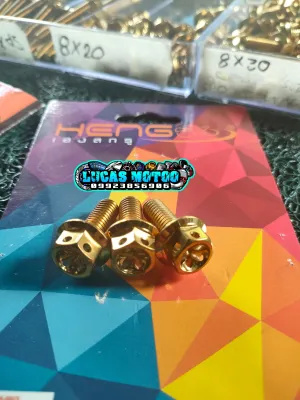
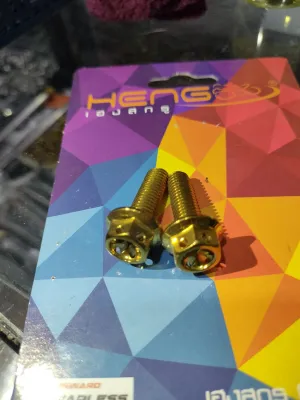
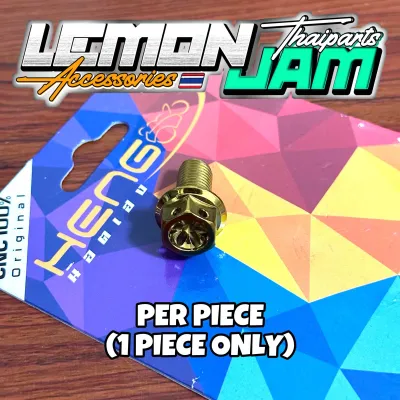
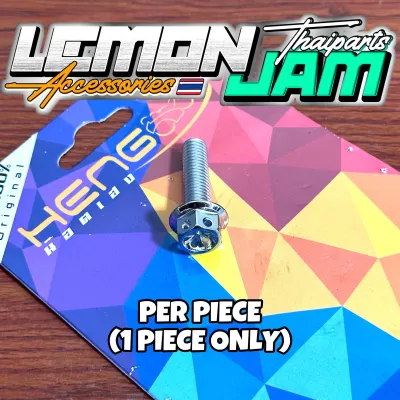
Prices are valid at publication and may change. Please refer to the product page for the latest price.
In addition to braking forces, these fasteners must withstand constant vibration and movement from the suspension as you navigate uneven roads. Substandard bolts made from weak or brittle alloys can fatigue rapidly under these combined loads. If a bolt fails, the caliper can swing loose, detaching from its mounting bracket and causing an immediate loss of braking power.
A detached caliper can also jam into the wheel spokes or rotor, leading to an instantaneous wheel lock-up. At high speeds, a locked wheel almost always results in a loss of control and a serious accident. Standard hardware store bolts are designed for general construction or low-stress utility applications and lack the precise metallurgy, heat treatment, and thread tolerances required for automotive or motorcycle braking systems.
Because modifications or incorrect installations of brake components can have severe safety implications, always consult your vehicle’s original service manual for exact specifications. If you are not fully confident in your mechanical skills, have all brake work and fastener installations performed by a qualified professional mechanic.
Visual and Physical Checks for Genuine Caliper Bolts
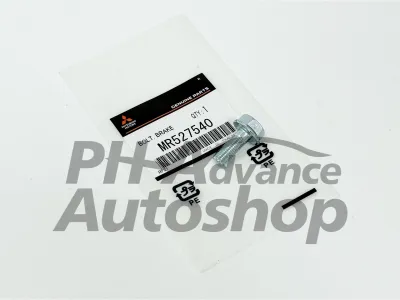
Genuine OEM (Original Equipment Manufacturer) parts are typically supplied in branded packaging featuring high-quality printing, clear labeling, and specific part numbers. Look for anti-tamper seals, holographic labels, or QR codes that link directly to the manufacturer’s verification portal. Substandard parts often arrive in plain plastic bags, poorly printed boxes, or packaging with spelling errors and blurry logos.

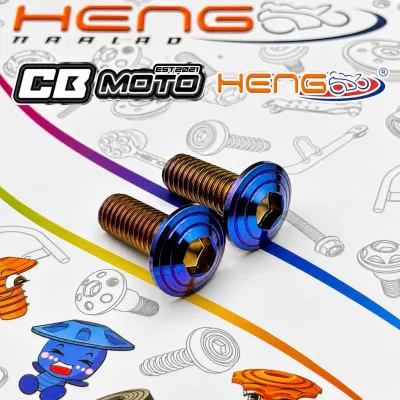
In tropical climates with high humidity, such as the Philippines, corrosion resistance is paramount. Genuine caliper bolts feature specialized coatings, such as zinc plating or anodization, designed to withstand moisture and road grime. Inspect the bolt’s surface under good lighting; the finish should be uniform, smooth, and free of bubbling, flaking, or uneven patches. Substandard bolts often have thin, uneven plating that easily scratches off, exposing the raw metal to rapid rusting.
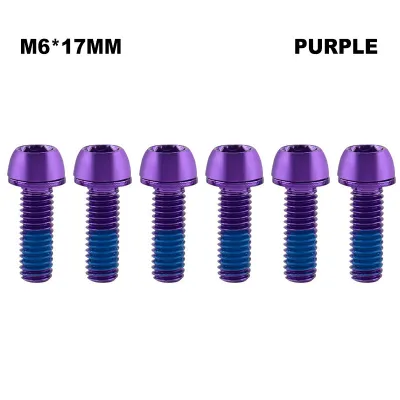
Examine the threads closely. Genuine bolts feature rolled threads that are clean, sharp, and perfectly uniform. Rolled threads are stronger than cut threads because the metal grain is formed rather than severed. Look for any flat spots, burrs, or deformations along the thread path. If the threads look rough, uneven, or have metal shavings clinging to them, the bolt is likely a low-quality counterfeit.
The head of a genuine automotive-grade bolt is a map of its origin and strength. Look for raised or recessed markings on the top of the bolt head. These typically include the manufacturer’s unique logo or trademark, along with a numerical strength grade. If the bolt head is completely blank, or if the markings are faint, unevenly stamped, or look hand-engraved, do not install it on your vehicle.
Understanding Bolt Grades and Material Markings
Metric fasteners use a property class system to denote their strength. You will commonly see numbers like 8.8, 10.9, or 12.9 stamped on the bolt head. The first number represents one-hundredth of the nominal tensile strength in megapascals (MPa), while the second number represents the ratio of yield strength to tensile strength. For example, a 10.9 bolt has a nominal tensile strength of 1,000 MPa and a yield strength that is 90% of that value.
Always cross-reference the required bolt grade with your vehicle’s official service manual. Motorcycle manufacturers carefully calculate the exact tensile and shear requirements for each mounting point. Installing a bolt with a lower property class, such as using an 8.8 bolt where a 10.9 is specified, can lead to premature stretching or sudden shearing under heavy braking loads.
Conversely, do not assume that a higher-grade bolt is always a safer upgrade. While a 12.9 bolt has higher tensile strength than a 10.9 bolt, it is also harder and can be more brittle. In high-vibration environments or applications subject to sudden shock loads, a brittle bolt may snap rather than flex slightly. Additionally, using mismatched materials can trigger galvanic corrosion, particularly in humid coastal areas where salt and moisture act as electrolytes between different metals.
If the markings on your existing bolts are worn away, rusted beyond recognition, or entirely missing, stop the installation immediately. Do not guess the grade based on the bolt’s appearance. Consult a qualified mechanic or contact an authorized dealer to obtain the correct OEM replacement part.
Safe Purchasing Channels and Red Flags
To guarantee the authenticity of your caliper bolts, source them exclusively from authorized dealerships, official brand stores, or reputable automotive parts specialists. These distributors maintain direct supply chains with manufacturers, minimizing the risk of counterfeit parts entering their inventory.
When browsing online marketplaces or e-commerce platforms, exercise extreme caution. Be highly suspicious of listings offering caliper bolts at prices significantly below the standard market rate. If a set of critical safety fasteners costs only a few pesos compared to the retail price at an authorized dealer, they are likely substandard counterfeits made from cheap alloys.
Watch out for vague product descriptions that use generic terms like “high-strength bolt” without specifying the exact material, property class, or manufacturer. Avoid listings that rely solely on generic stock photos or lack clear images of the actual bolt head markings and packaging.
Always verify the exact OEM part number for your specific vehicle model and year. Do not rely on generic size descriptions, as thread pitches, unthreaded shank lengths, and flange dimensions can vary significantly between different motorcycle models. A bolt that fits the thread hole but has the wrong shank length can fail to clamp the caliper securely.
What to Do If You Suspect a Fake or Substandard Bolt
If you suspect a caliper bolt is counterfeit, improperly graded, or damaged, immediately halt the installation. If the bolt is already installed, do not ride the motorcycle or scooter. The risk of sudden brake failure is too high to justify even a short trip to a local shop.
Carefully remove the suspicious bolt. If it has already been torqued down, inspect the caliper bracket and mounting threads for any signs of damage or cross-threading caused by the substandard hardware. Isolate the suspected bolt so it does not get mixed up with your genuine spare parts.
Take the bolt to a professional mechanic or an authorized dealership for physical verification. They can compare the fastener against known genuine parts or use specialized thread gauges and measuring tools to verify its dimensions and thread pitch.
If the bolt is confirmed to be counterfeit or substandard, initiate a return through the e-commerce platform or retail store where you purchased it. Report the seller to the platform’s customer support, providing clear photos of the packaging, missing or incorrect head markings, and any physical defects. Reporting these listings helps protect other riders in the community from purchasing dangerous, unverified hardware.
Frequently Asked Questions (FAQ)
Can I reuse old caliper bolts when changing brake pads?
Whether you can reuse caliper bolts depends entirely on your vehicle manufacturer’s specifications. Always check your service manual first. Some manufacturers specify torque-to-yield or single-use bolts for caliper mounts. These bolts stretch permanently when torqued to their final specification and must be replaced every time they are removed.
If the manual permits reuse, thoroughly inspect the bolts before putting them back. Check for any signs of thread stretching, corrosion, rounded heads, or physical wear. If you notice any resistance when hand-threading the bolt into the bracket, the threads may be stretched or damaged, and the bolt must be replaced. Always apply the manufacturer-specified threadlocker and torque the bolts to the exact value using a calibrated torque wrench.
Do I need to apply threadlocker to genuine caliper bolts?
You must consult your vehicle’s service manual to determine if threadlocker is required, as well as the specific grade needed, which is typically a medium-strength, removable compound. Some genuine replacement bolts come pre-applied with a dry threadlocking patch on the threads, in which case additional liquid threadlocker is usually unnecessary and could interfere with proper torque readings.
Applying the wrong grade of threadlocker, such as a high-strength permanent compound, can make future removal extremely difficult and may damage the soft aluminum threads of the caliper bracket during disassembly. Before applying any threadlocking compound, ensure the bolt threads and the internal bracket threads are completely clean, dry, and free of old adhesive, oil, or brake dust.
Community discussion
Share your experience or ask a question. Comments are reviewed before publication.