
Identifying genuine Sailun tires involves a combination of close physical inspection, verification of manufacturing codes, and purchasing from authorized channels. Because tires are the only point of contact between your vehicle and the road, ensuring their authenticity is a critical safety measure. By learning how to spot physical inconsistencies, read standard sidewall markings, and utilize official verification tools, you can protect yourself from the dangers of counterfeit products.
The Risks of Counterfeit Tires on Philippine Roads
Operating a vehicle with counterfeit tires poses severe safety hazards. Genuine tires undergo rigorous testing to ensure they can withstand high temperatures, heavy loads, and wet road conditions. Counterfeit tires, however, are often manufactured using substandard rubber compounds and compromised internal structures, such as weak steel belts or low-grade polyester cords. These structural deficiencies significantly increase the risk of sudden tire blowouts, tread separation, and loss of steering control, especially at highway speeds.
From a financial perspective, fake tires are a poor investment. While they may carry a lower initial price tag, their inferior rubber compounds wear down rapidly and unevenly, forcing you to replace them much sooner than expected. Additionally, poor tread design and high rolling resistance can degrade your vehicle’s fuel efficiency, costing you more at the pump. In worst-case scenarios, a tire failure can lead to expensive suspension damage or costly collision repairs.
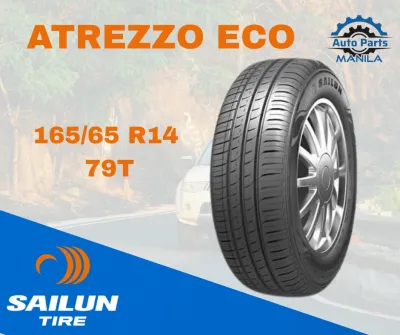
Products mentioned in this guide
1 Lazada user ratings
🛠️Durability:good 💰Price:fair enough 🦶Traction:good 🛞 Sulit din naman at maganda ang design ng gulong compare sa iba.
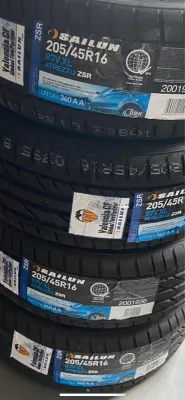
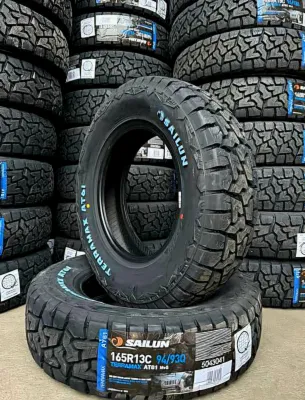
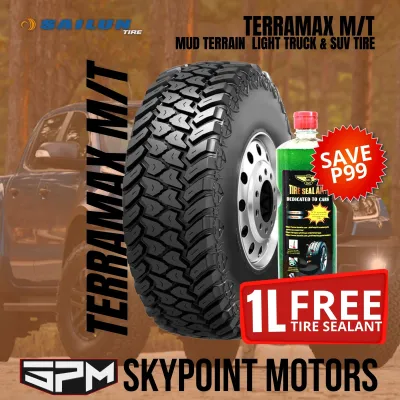
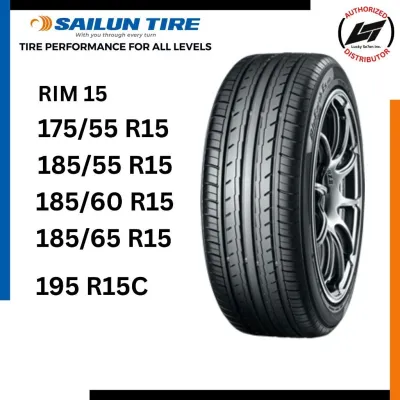
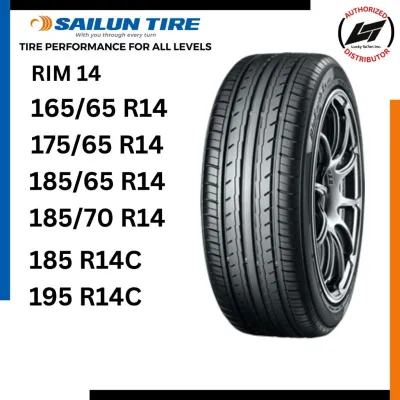
Prices are valid at publication and may change. Please refer to the product page for the latest price.
The market for counterfeit automotive parts is highly active, spanning both physical surplus shops and unverified online marketplaces. Because tires are high-volume consumer goods, counterfeiters frequently target popular, budget-friendly brands like Sailun. To safeguard your vehicle and its occupants, you must prioritize safety by verifying every tire before it is mounted. Always consult your vehicle’s owner’s manual for the exact tire size, load index, and speed rating recommended by the manufacturer. Furthermore, all tire installations, balancing, and wheel alignments should be performed by a qualified professional at a reputable service center to ensure road legality and operational safety.
Physical Markers to Inspect on Sailun Genuine Tires
Before allowing a shop to mount new tires on your wheels, take a few minutes to conduct a thorough visual and tactile inspection. Authentic Sailun tires exhibit high-quality manufacturing standards that counterfeiters struggle to replicate. Examining the physical details of the tire is your first line of defense against fraud.

Sidewall Markings, DOT Codes, and Molding Quality
The sidewall of a genuine Sailun tire serves as its official identity document. Start by locating the Department of Transportation (DOT) code molded near the tire bead. A valid DOT code must follow a standardized format, beginning with the letters “DOT” followed by a series of alphanumeric characters indicating the manufacturing plant and size code, and ending with a four-digit date code. For example, a code ending in “3526” indicates the tire was manufactured in the 35th week of the year 2026. Counterfeit tires often feature missing, incomplete, or physically altered DOT codes where the numbers appear stamped over or unevenly aligned.
Next, examine the molding quality of the brand name, model name, and technical specifications on the sidewall. Genuine Sailun tires are produced using high-precision molds, resulting in crisp, clean, and deeply embossed lettering with consistent font styles. In contrast, counterfeit tires frequently display blurry edges, shallow embossing, or inconsistent spacing between letters. Finally, inspect the overall finish of the rubber. Look closely for irregular molding seams, excessive rubber flashing, air bubbles, or uneven rubber distribution along the tire bead, which are strong indicators of low-grade manufacturing equipment typical of counterfeit operations.
Tread Pattern Consistency and Rubber Texture
The tread pattern of a tire is engineered for specific performance characteristics, such as water evacuation and road grip. To verify authenticity, compare the physical tread design of the tire in front of you with the official product images available on Sailun’s official website. Check that the groove angles, sipes, and shoulder blocks perfectly match the authorized design. Any variation in the symmetry or depth of the grooves is a major warning sign.
The physical feel and smell of the rubber can also reveal its origin. Genuine tire rubber is formulated to be firm yet resilient, offering a balanced texture when pressed with your thumb. Counterfeit tires often use cheap synthetic compounds that feel excessively hard and plastic-like, or conversely, overly soft and oily. Additionally, fake tires frequently emit a strong, pungent, and highly unpleasant chemical odor, whereas genuine tires have a standard, mild vulcanized rubber smell. Do not forget to locate the Tread Wear Indicators (TWI). These are small, raised rubber bars situated inside the main tread grooves, designed to show when the tread has worn down to an unsafe level. On authentic Sailun tires, these indicators are precisely molded, level with the specified safety depth, and perfectly aligned with the small TWI triangles or arrows printed on the tire shoulder.
Packaging, Labels, and Authenticity Features
Genuine Sailun tires are typically shipped with high-quality packaging and labeling that reflect the brand’s standards. If the tires arrive wrapped, the plastic wrapping should be durable, tightly sealed, and feature clean, aligned brand logos. Loose, torn, or generic unbranded plastic wrapping should immediately raise suspicion.
Every new tire must have a detailed tread label affixed to the contact surface. This label contains critical information, including the tire model, size, load index, speed rating, fuel efficiency ratings, and a unique barcode or serial number. Carefully verify that all the information printed on this label matches the physical markings molded onto the tire sidewall. Any discrepancy between the label and the sidewall is a clear sign of a counterfeit or mismatched product. Depending on the production batch and the specific market, Sailun may include security features such as holographic stickers, unique QR codes, or scratch-off authenticity labels. Check the official manufacturer guidelines for the current security features applicable to your specific tire model. If these features are present, ensure they are intact, cleanly applied, and do not show signs of tampering or peeling.
Red Flags: Common Signs of Fake Tires
When shopping for tires, keeping a checklist of common warning signs can help you quickly identify and avoid counterfeit products. Be on high alert if you encounter any of the following red flags:
- Spelling and Typographical Errors: Counterfeiters often make subtle spelling mistakes on the sidewall or tread labels, such as "Saliun" or "Sailon," or use incorrect, inconsistent font styles that differ from the official branding.
- Altered or Missing Serial Numbers: A genuine tire will always have its serial number and DOT code fully intact. If you notice that these numbers have been scraped off, physically cut out, or covered with a secondary layer of rubber, reject the tire immediately.
- Suspiciously Low Pricing: While budget-friendly tires are highly sought after, prices that fall significantly below the average market rate at authorized dealers should be treated with extreme caution. If a deal for a set of tires seems too good to be true in ₱, it is highly likely that the products are counterfeit, expired, or structurally compromised.
- Substandard Packaging and Documentation: Authentic tires are delivered with clean, professional labels and, where applicable, official warranty documentation. Missing labels, generic unbranded wrapping, or a complete lack of purchase documentation are major indicators of an illegitimate source.
Verification Steps and Safe Purchasing Channels
Protecting yourself from counterfeit tires requires a proactive approach before you hand over any payment or allow a shop to install the tires on your vehicle. By following established verification steps and choosing secure purchasing channels, you can ensure you are getting genuine, road-safe products.
Choosing Authorized Retailers and Official Stores
The most effective way to guarantee the authenticity of your Sailun tires is to purchase them exclusively from brand-authorized physical shops, official distributors, or verified online storefronts. Authorized dealers receive their inventory directly from the manufacturer, ensuring a secure supply chain and valid product warranties.
When visiting a physical tire shop, do not hesitate to ask the dealer for proof of authorization or official distribution certificates. Reputable businesses will gladly show their credentials to build trust with customers. Avoid purchasing tires from unverified third-party sellers, roadside stands, or unauthorized online listings that cannot provide official distribution invoices or clear business permits.
Using Official Verification Channels
Many modern tire manufacturers, including Sailun, provide digital tools to help consumers verify their products. If your tire features an authenticity QR code or a unique serial number on the tread label, use your smartphone to scan the code or visit the official Sailun website to enter the serial number into their verification portal.
If a digital portal is not readily accessible, you can contact the local authorized Sailun distributor or customer service department directly. Provide them with the serial numbers, DOT codes, and the name of the retailer where you plan to purchase the tires. They can cross-reference this information with their database to confirm if the batch is genuine and authorized for sale in your region. Keep in mind that digital verification should always be combined with physical inspections, as sophisticated counterfeiters may attempt to copy valid serial numbers onto multiple fake tires.
What to Do If You Suspect a Counterfeit Purchase
If you have already purchased a tire and suspect it is counterfeit, do not install it on your vehicle. If the tire is already mounted, have it removed immediately by a qualified professional. Driving on a suspected counterfeit tire puts your safety, your passengers, and other road users at extreme risk.
Keep all original packaging, tread labels, invoices, and receipts associated with the purchase. These items serve as vital evidence if you need to file a dispute or report the seller. Take clear, well-lit, high-resolution photographs of the physical discrepancies, such as blurred sidewall lettering, altered DOT codes, or poor molding quality.
If the purchase was made through an online marketplace or e-commerce platform, immediately file a formal dispute through their customer protection program, submitting your photographic evidence and purchase receipts to request a full refund. Additionally, report the fraudulent seller to local consumer protection agencies to help prevent other motorists from falling victim to the same scam. Finally, consider bringing the tire to an authorized Sailun dealer or a certified tire specialist for a professional physical inspection to confirm your suspicions.
Frequently Asked Questions (FAQ)
Can I rely solely on the price to spot fake tires?
No, you should never rely solely on the price to determine if a tire is genuine. While an unusually low price in ₱ is a major red flag, some sophisticated counterfeiters sell fake tires at or near the standard market price to avoid raising suspicion. To protect yourself, always combine price checks with a thorough physical inspection of the sidewall markings, tread pattern, and official verification channels.
Do all authentic tires have a hologram or security sticker?
No, not all authentic tires feature a hologram or security sticker. Security features can vary significantly depending on the specific tire model, the manufacturing plant, the production batch, and the region for which the tires were produced. To understand the exact security features applicable to your tires, consult the official Sailun manufacturer guidelines or contact your local authorized distributor for clarification.

Community discussion
Share your experience or ask a question. Comments are reviewed before publication.