
Identifying genuine Suzuki engine parts requires a systematic approach that combines physical inspection, digital verification, and careful selection of your purchasing channels. Counterfeit components often mimic the visual appearance of original equipment, but they fail to meet the strict manufacturing tolerances and material standards required to keep your motorcycle running safely. By learning how to read packaging details, verify security labels, and recognize the physical signs of high-quality machining, you can protect your engine from catastrophic failure and ensure your motorcycle performs reliably under demanding local riding conditions.
The Risks of Using Counterfeit Engine Components
Using counterfeit engine components poses severe risks to your motorcycle’s mechanical health and your personal safety on the road. Engine parts operate under extreme heat, high pressure, and rapid rotational speeds, especially during long commutes in tropical climates where ambient temperatures accelerate thermal stress. Counterfeit pistons, valves, or oil filters often use substandard alloys or low-grade filtration media that degrade quickly, leading to poor lubrication, loss of compression, and eventual structural failure.
When a critical engine component fails while you are riding, it can cause the rear wheel to lock up suddenly, creating an immediate safety hazard in busy traffic. Furthermore, the failure of a single counterfeit part rarely remains isolated; a broken valve or a disintegrated piston can send metal debris throughout the crankcase, destroying the cylinder wall, crankshaft, and cylinder head. This secondary damage turns a simple maintenance task into an incredibly expensive engine rebuild, far outweighing any initial savings from purchasing cheap, unverified parts.
Products mentioned in this guide
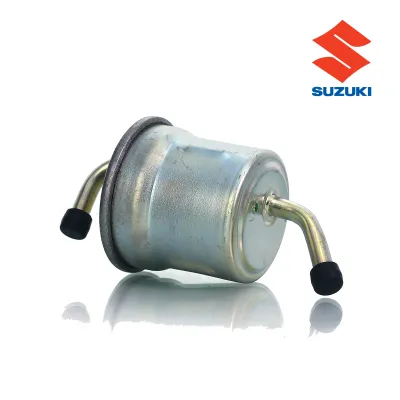
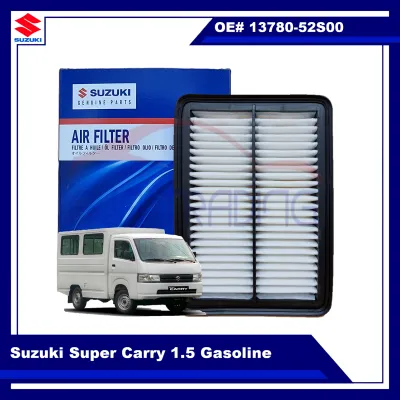
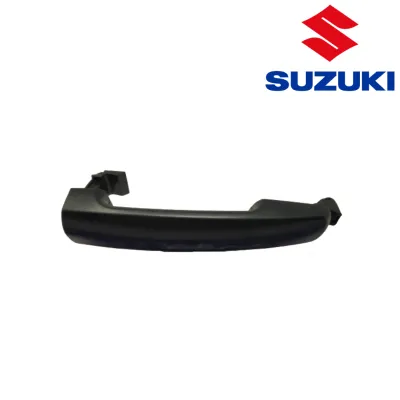
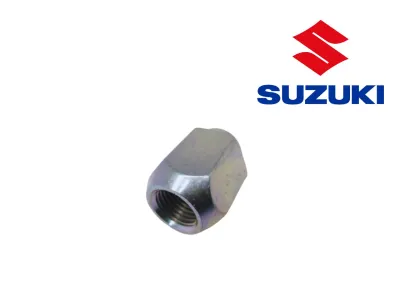
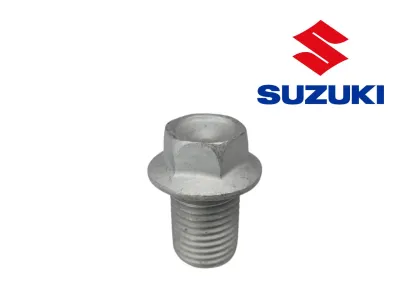
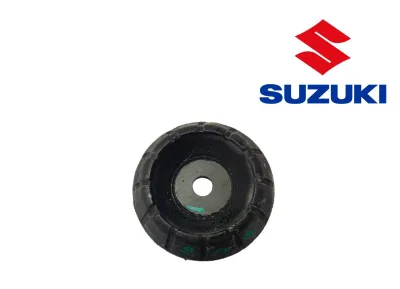
Prices are valid at publication and may change. Please refer to the product page for the latest price.
How to Inspect Packaging and Part Quality
A thorough physical inspection is your first line of defense against counterfeit components. Genuine Suzuki parts are shipped in high-quality packaging designed to protect the contents from moisture and physical damage during transit. Start by examining the print quality on the box or plastic packaging; authentic labels feature sharp, clear text, consistent brand colors, and precise alignment. Counterfeit packaging often displays blurry logos, spelling mistakes, or uneven margins, which are common signs of low-cost printing operations.

Next, inspect the factory seals and labels. Genuine packaging is sealed securely, and the label should contain specific details including the exact part number, part description, quantity, and country of origin. You must cross-reference this part number with your vehicle’s official parts manual to ensure the interface, dimensions, and mounting positions match your specific motorcycle model and year.
The physical part itself provides the most reliable clues regarding authenticity. Genuine Suzuki engine parts undergo precise machining, leaving them with smooth surfaces, clean threads, and consistent weight. Inspect the component for engraved or stamped logos and part numbers; authentic parts typically have these identifiers cleanly stamped or cast directly into the metal. In contrast, counterfeit parts often rely on cheap stickers or painted markings that can easily peel off, and they frequently exhibit rough edges, casting flash, or uneven finishes that indicate poor quality control.
Finally, check for any included documentation inside the packaging. High-value engine components, such as specialized gaskets, piston kits, or electrical sensors, often come with official instruction leaflets, safety warnings, or warranty cards printed on quality paper. If these documents are missing, poorly translated, or printed on flimsy paper, you should treat the component with high suspicion and verify its origin before attempting installation.
Using Official Security Features and Verification Tools
To combat the spread of counterfeit products, manufacturers utilize advanced security features that are difficult for counterfeiters to replicate. Many genuine Suzuki parts packages feature specialized holographic stickers that shift colors or reveal hidden patterns when tilted under a light source. Inspect these holograms closely to ensure they are integrated into the label rather than being simple, flat metallic stickers pasted on top of the box.
Many modern parts labels also include unique QR codes or barcodes that link directly to official verification databases. You can scan these codes using your smartphone to check if the unique serial number matches the product inside the box. It is important to keep your verification apps updated and ensure that the web address opened by the scan points to an official, secure manufacturer domain rather than a spoofed website designed to mimic the brand’s portal.
While visual checks of the packaging are helpful, digital verification provides an objective layer of security. If you are uncertain about a part’s legitimacy, you can visit an authorized dealer and ask them to run the part number and serial number through their internal dealer management system. This system can confirm whether the specific serial number was officially manufactured and distributed for your region, helping you make an informed decision before installing the part.
Choosing Reliable Sellers and Purchasing Channels
The most effective way to avoid counterfeit engine components is to control where you buy them. Purchasing directly from authorized Suzuki dealerships or official brand stores guarantees that you receive authentic parts backed by the manufacturer’s warranty. These established channels source their inventory directly from official distributors, eliminating the risk of third-party tampering or substitution.
When shopping on third-party online marketplaces or ecommerce platforms, you must exercise extreme caution. Be wary of listings that feature unusually low prices, as high-quality engine components require expensive materials and precise manufacturing that cannot be heavily discounted. Read the product descriptions carefully, looking for vague language, and check the seller’s profile for authorization badges, customer reviews, and their history of selling genuine automotive goods.
Do not hesitate to ask the seller for proof of sourcing or authorization before making a purchase. Reliable sellers who deal in genuine parts will be transparent about their supply chain and willing to provide clear answers. Additionally, always insist on an official receipt and proper warranty documentation; these documents are essential for protecting your purchase and establishing a paper trail if the part later proves to be defective or counterfeit.
Steps to Take If You Receive a Suspected Fake Part
If you suspect that an engine part you purchased is counterfeit, do not attempt to install it on your motorcycle. Installing an unverified component can compromise your vehicle’s safety and void your existing manufacturer warranty. Isolate the part in its original packaging, take clear, high-resolution photographs of the labels, security features, and any physical defects, and keep your proof of purchase secure.
Contact the seller immediately to request a return and a full refund, citing your concerns about the part’s authenticity. If you purchased the item through an online marketplace, utilize the platform’s official dispute resolution mechanisms to report the seller and secure your funds. You should also report the incident to local consumer protection authorities, such as the Department of Trade and Industry (DTI) in the Philippines, to help prevent other riders from falling victim to the same seller.
If you have already installed the suspected counterfeit part and operated your motorcycle, stop riding immediately. Consult a qualified mechanic to have the component safely uninstalled and inspect your engine for any early signs of wear or secondary damage. Replacing the suspect part with a verified genuine component as soon as possible is the only way to restore your motorcycle’s safety and reliability.
Frequently Asked Questions (FAQ)
Can I use reputable aftermarket parts instead of Suzuki genuine parts?
Yes, you can use reputable aftermarket parts, but it is important to understand the difference between a certified aftermarket alternative and an unbranded counterfeit. Reputable aftermarket brands design and manufacture their own components to meet or exceed original equipment standards, and they sell them under their own brand names with clear warranties. While these parts can be acceptable for non-critical components or routine maintenance, you must always verify that the aftermarket part is fully compatible with your specific vehicle model and year. For critical engine internals, sticking to genuine parts is highly recommended to maintain original performance and preserve your vehicle’s warranty.
Do all genuine Suzuki parts come in the exact same packaging?
No, genuine Suzuki parts do not all come in identical packaging, as the design varies based on the size, weight, and type of the component. Small consumables like O-rings, washers, or specialized bolts may arrive in simple, sealed plastic bags with a basic adhesive label, while larger assemblies like cylinder heads or starter motors are shipped in sturdy cardboard boxes with custom protective inserts. Additionally, parts intended for bulk dealer use or workshop repairs may feature simplified packaging compared to standard retail boxes. Regardless of the packaging style, you should always verify the part number, inspect the material quality, and check for official security features to confirm authenticity.
Community discussion
Share your experience or ask a question. Comments are reviewed before publication.