
Finding the correct banjo bolt for your motorcycle brake caliper requires verifying the exact thread diameter, pitch, and length of your existing setup. Because motorcycle hydraulic brake systems operate under extreme pressure, guessing these dimensions can lead to catastrophic fluid leaks or sudden brake failure. To identify the right replacement, you must measure the thread diameter and pitch using precise tools, select the correct crush washers, and verify the specifications against your motorcycle’s official service documentation before purchasing any parts. Because the brake system is a critical safety assembly, always consult your vehicle’s original manufacturer instructions, and have a qualified professional mechanic perform the installation if you are not experienced with hydraulic brake service.
Why Banjo Bolt Specifications Matter for Brake Safety
The banjo bolt is a critical component of your motorcycle’s hydraulic brake system. It features a hollow center and cross-drilled holes that allow pressurized brake fluid to flow from the brake line directly into the caliper piston chambers. Because this connection must withstand intense hydraulic pressure every time you pull the brake lever, even a minor mismatch in thread engagement can compromise the entire system.
Using a bolt with the wrong thread pitch or diameter can easily strip the soft aluminum threads of your brake caliper. This leads to slow fluid weeping or a sudden loss of pressure, which is especially dangerous under the high-heat, high-humidity riding conditions common in the Philippines. If a bolt does not thread in smoothly by hand, stop immediately. Forcing a mismatched bolt with a wrench will permanently damage the caliper housing, requiring an expensive replacement or professional repair.
Products mentioned in this guide
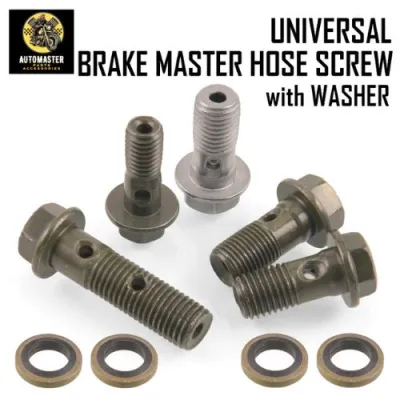
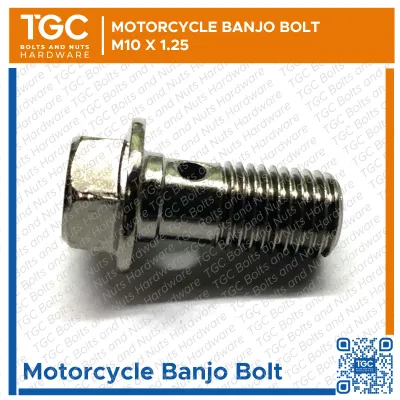
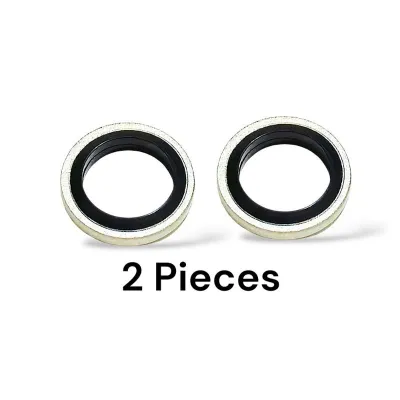
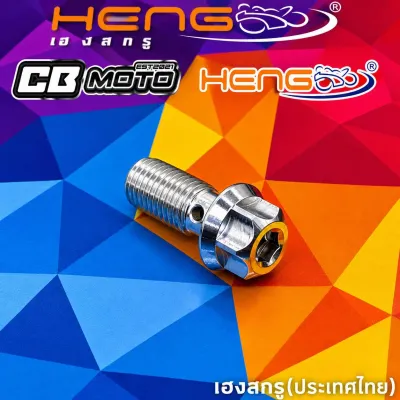
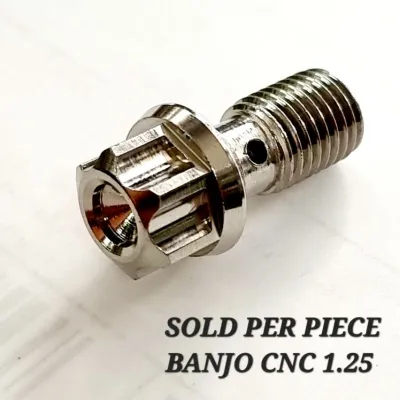
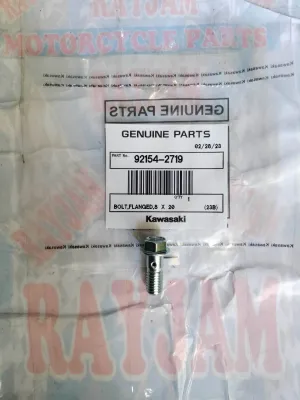
Prices are valid at publication and may change. Please refer to the product page for the latest price.
How to Determine the Correct Bolt Diameter and Thread Pitch
To find the exact size of your banjo bolt, you must measure both the outer thread diameter (major diameter) and the thread pitch. Do not rely on visual estimation, as common metric sizes like M10x1.0 and M10x1.25 look nearly identical to the naked eye but are completely incompatible.

First, use a digital caliper to measure the outer diameter of the bolt threads. A standard motorcycle banjo bolt typically has a major diameter of 10 millimeters (M10) or, less commonly, 8 millimeters (M8). Next, use a thread pitch gauge to determine the distance between the thread peaks. For metric bolts, the pitch represents the distance in millimeters between threads (such as 1.0 mm or 1.25 mm).
Compare your physical measurements against standard metric motorcycle brake fitting charts. If you find that the caliper port threads are already stripped, cross-threaded, or physically damaged, do not attempt to install a new bolt. In this situation, stop the installation immediately and consult a qualified professional mechanic to evaluate whether the caliper needs to be replaced or repaired with a thread insert.
Choosing the Right Crush Washers for a Leak-Free Seal
A banjo bolt cannot seal the hydraulic connection on its own. It relies on two crush washers—one placed between the bolt head and the brake line fitting, and the other between the fitting and the caliper face. These washers are designed to deform under torque, filling microscopic imperfections in the metal surfaces to create a completely airtight and fluid-tight seal.
Copper and aluminum are the most common materials used for motorcycle brake crush washers. Copper washers are highly durable and offer excellent sealing properties under high temperatures, making them ideal for tropical climates where heavy stop-and-go traffic can cause brake components to run hot. Aluminum washers are softer and deform easily under lower torque specs, but they must be matched carefully to aluminum calipers to prevent galvanic corrosion.
Always match the inner diameter of the washer to the outer diameter of the banjo bolt shaft, and ensure the outer diameter of the washer does not overhang the banjo fitting eye. Because these washers rely on permanent physical deformation to seal, you must never reuse old crush washers. Reusing a deformed washer almost always results in slow fluid leaks that can contaminate your brake pads and ruin your stopping power.
Checking Bolt Length and Head Configuration
Beyond thread diameter and pitch, you must verify the physical length of the banjo bolt and its head configuration. The bolt must be long enough to pass through the banjo fitting and both crush washers while fully engaging the caliper threads, without bottoming out inside the caliper port.
A bolt that is too long will bottom out before compressing the crush washers, resulting in a loose connection and immediate fluid leaks. Conversely, a bolt that is too short will not engage enough threads, risking stripping under hydraulic pressure. Measure the thread length of your original bolt from the underside of the flange to the tip to ensure an exact match.
Additionally, determine whether your system requires a single or double banjo bolt. Single bolts secure one brake line to a caliper, while double bolts are longer and designed to stack two brake lines together, often used in dual-caliper front brake setups. If your motorcycle uses a hydraulic brake light switch integrated into the banjo bolt, you will need a specialized switch bolt that matches your factory thread specifications. Finally, check that the bolt head has sufficient clearance and does not interfere with the caliper body, brake pads, or nearby suspension components during full steering lock or suspension travel.
Where to Find Exact Specifications for Your Motorcycle
The safest way to confirm your banjo bolt specifications is to consult your motorcycle’s official service manual or OEM parts catalog. These documents list the exact factory part numbers and dimensions for your specific model year, eliminating the guesswork associated with aftermarket modifications.
You can use your vehicle’s unique Vehicle Identification Number (VIN) or exact model year to search authorized dealer databases or official brand stores in the Philippines. This ensures you receive a component designed to meet the original manufacturer specifications. If you are upgrading to aftermarket braided stainless steel brake lines, check the manufacturer’s documentation, as aftermarket fittings sometimes require a different bolt length or thread pitch than the stock setup. When in doubt, bring your original bolt to a local motorcycle parts specialist to physically match the threads before completing your purchase.
Frequently Asked Questions (FAQ)
Can I reuse the original crush washers when replacing a banjo bolt?
No, you should never reuse original crush washers. Crush washers are designed for single-use applications because they permanently deform and harden when torqued down to create a seal. Reusing them prevents them from conforming properly to the metal surfaces a second time, which often leads to slow hydraulic fluid leaks, loss of brake pressure, and potential contamination of your brake pads. Always install fresh copper or aluminum washers during any brake system reassembly.
What should I do if the new banjo bolt feels tight when threading it in?
If a new banjo bolt feels tight or resists turning, stop threading it immediately and back it out. Never use a wrench or socket to force a tight bolt, as this is a clear sign of cross-threading, dirt accumulation, or an incorrect thread pitch. Clean the caliper port thoroughly with brake cleaner and compressed air to remove any debris. Re-verify the thread pitch of both the bolt and the caliper port using a thread pitch gauge. If the threads match and are clean, gently thread the bolt in by hand; it should spin smoothly until it seats against the washer.
Community discussion
Share your experience or ask a question. Comments are reviewed before publication.