
The most reliable way to determine whether your motorcycle requires DOT3 or DOT4 brake fluid is to check the manufacturer’s specifications. You can find this information stamped directly on the master cylinder reservoir cap or detailed in the owner’s manual. Never guess or assume compatibility based on the fluid currently in the system, as using the incorrect specification can compromise braking performance and safety.
In tropical climates like the Philippines, maintaining your motorcycle’s braking system is especially critical. High humidity and frequent heavy downpours introduce moisture into the air, which can easily find its way into your brake fluid over time. This moisture lowers the boiling point of the fluid, making it essential to use the exact type specified by your manufacturer to prevent brake fade during sudden stops or long descents.
Because the braking system is your motorcycle’s primary safety mechanism, any maintenance or fluid selection must adhere strictly to original-vehicle instructions. Operating your motorcycle with compromised or incorrect brake fluid poses severe safety risks. If you are uncomfortable performing these checks or handling brake components, always have a qualified professional mechanic complete the work.
Products mentioned in this guide
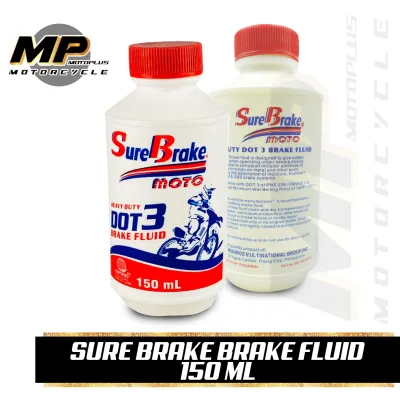
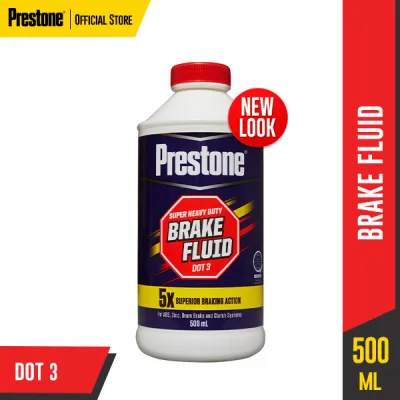
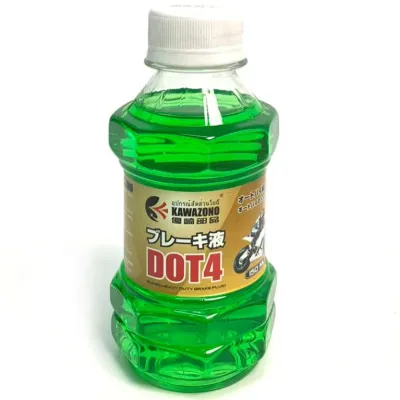
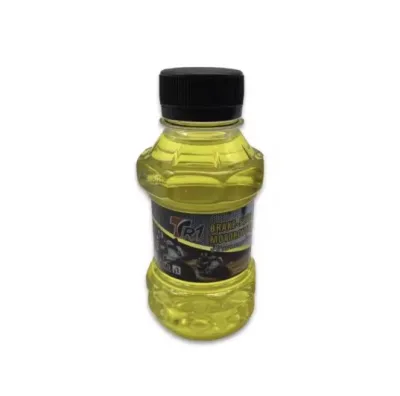
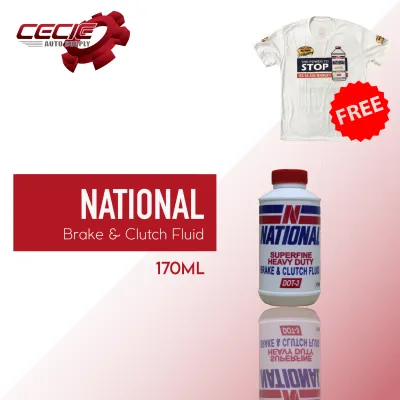
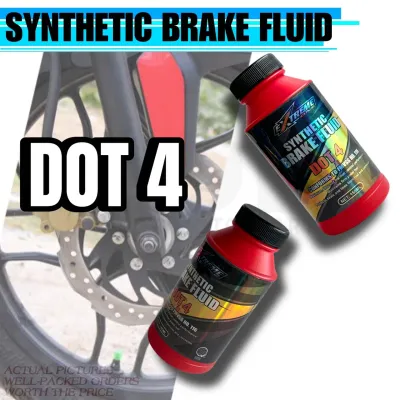
Prices are valid at publication and may change. Please refer to the product page for the latest price.
Where to Find Your Motorcycle's Brake Fluid Specification
To locate the correct fluid specification, start by inspecting the master cylinder reservoir. For the front brake, this is typically a small metal or plastic container mounted on the right side of your handlebars. For the rear brake, the reservoir is usually located near the rear footpeg assembly or tucked under the side frame covers.
Look closely at the top of the reservoir cap. Manufacturers almost always emboss or print the required fluid type directly onto the metal or plastic surface. You will typically see a warning label that reads “Use only DOT3 or DOT4 brake fluid” or specifies one exact rating, such as “Use only DOT4.” Take a clean rag to wipe away any road grime or dust so you can read these markings clearly.
If the text on the reservoir cap has faded due to sun exposure or wear, your next step is to consult the official owner’s manual. Navigate to the specifications or maintenance section of the manual. This document will outline the precise fluid requirements, the total capacity of the front and rear systems, and the recommended service intervals.
For older or pre-owned motorcycles where the manual is missing and the cap is unreadable, look for a chassis specification sticker. These adhesive labels are often placed on the motorcycle frame, under the seat, or on the swingarm. They contain vital technical data, including tire pressures, engine oil specifications, and occasionally the required brake fluid type.
If all physical labels on the motorcycle are gone and you do not have the manual, contact an authorized local dealer or the manufacturer’s official customer support. Provide them with your motorcycle’s exact model, year, and Vehicle Identification Number (VIN) to verify the correct specification.
Understanding DOT3 and DOT4 Classifications
The Department of Transportation (DOT) classifications serve as standardized safety and performance ratings for brake fluids. These standards ensure that any fluid labeled with a specific DOT rating meets strict minimum requirements for viscosity, chemical stability, and heat resistance. These ratings are critical because they dictate how the fluid behaves under extreme operating conditions.

The primary difference between DOT3 and DOT4 fluids lies in their ability to handle heat, particularly when moisture enters the system. Brake fluid is hygroscopic, meaning it actively absorbs water from the surrounding atmosphere. As moisture content increases, the temperature at which the fluid boils decreases. DOT4 fluid is formulated with specific chemical additives that allow it to maintain a higher boiling point than DOT3 fluid when moisture is present.
Downgrading your brake fluid from a higher specified rating to a lower one introduces significant mechanical and safety risks. If your motorcycle manufacturer specifies DOT4, using DOT3 can lead to a dangerous condition known as vapor lock. Under heavy or prolonged braking, such as navigating steep mountain roads or stop-and-go city traffic, the lower-rated fluid can boil, creating gas bubbles in the brake lines. Because gas compresses easily while liquid does not, your brake lever will feel spongy, and you may lose the ability to stop.
Furthermore, motorcycle braking systems are engineered around specific material compatibilities. The rubber seals, internal pistons, and flexible hoses within your master cylinder and calipers are designed to interact with the exact chemical composition of the specified fluid. Using an incorrect fluid type can cause these internal rubber components to swell, shrink, or degrade prematurely, leading to fluid leaks or sudden pressure loss.
Steps to Take When Specifications Are Unclear or Missing
If you encounter a situation where the required brake fluid specification remains unclear, you must follow a cautious decision path. Do not attempt to add fluid or perform a top-up if you cannot verify the correct rating with absolute certainty. Operating on guesswork can lead to costly component damage or immediate brake failure.
Stop your inspection immediately and seek professional guidance if you cannot find the specifications on the reservoir cap, frame stickers, or in the manual. An authorized dealer or a certified motorcycle mechanic has access to official service manuals and technical bulletins. They can safely identify the correct fluid and inspect your braking system for any underlying issues.
Never assume that the fluid currently in your reservoir is correct, especially if you purchased the motorcycle pre-owned. A previous owner or an unqualified mechanic may have used the wrong fluid type during a previous service. Relying on the color of the existing fluid or assuming compatibility based on the motorcycle’s engine size or category is highly unsafe and can lead to system contamination.
When purchasing a replacement fluid from an authorized local motorcycle supply shop or a reputable online marketplace, always verify the product label. Ensure the packaging explicitly states compliance with the required DOT standard and matches any OEM part numbers if specified. Avoid generic or unbranded fluids that do not display clear regulatory certifications on their labels.
Safety Boundaries for Handling and Replacing Brake Fluid
Brake fluid requires careful handling due to its chemical properties and its critical role in rider safety. Because the fluid is highly hygroscopic, it begins absorbing moisture from the air the moment the bottle is opened. Always use fluid from a newly opened, sealed container, and never use leftover fluid that has been sitting on a garage shelf for months, as it may already be contaminated with water.
Additionally, brake fluid is highly corrosive to many materials on your motorcycle. A single spill can quickly strip paint, ruin custom decals, and permanently damage fairing plastics or instrument cluster lenses. Before opening your master cylinder, cover your handlebars, fuel tank, and surrounding bodywork with thick protective cloths, and keep a bucket of soapy water nearby to immediately wash away any accidental drips.
Replacing or bleeding brake fluid is a precise mechanical task that directly impacts your safety on the road. If air enters the brake lines during the process, it will severely compromise your stopping power. Proper bleeding requires specific tools, such as a bleed wrench and a clear hose, along with a strict sequence of steps to purge all air bubbles. If you lack the proper tools or experience, always have this service performed by a qualified professional mechanic to ensure your system is fully sealed and functional.
Frequently Asked Questions (FAQ)
Can I mix DOT3 and DOT4 brake fluid in my motorcycle?
Mixing DOT3 and DOT4 brake fluid is highly discouraged because it alters the overall performance characteristics and lowers the boiling point of the mixture. While they are chemically compatible in an emergency, the resulting blend will not perform to the standard of pure DOT4 fluid. If you accidentally mix these fluids, or if the wrong type is added, you should have the entire braking system completely flushed and refilled with the correct specified fluid by a professional.
How often should I change my motorcycle brake fluid?
You should always refer to your motorcycle manufacturer’s recommended service schedule in the owner’s manual for exact replacement intervals. For most motorcycles, this interval is typically every two years, regardless of mileage, due to natural moisture absorption. While a visual inspection can reveal dark, cloudy, or contaminated fluid that needs immediate replacement, visual checks alone cannot measure moisture content, meaning scheduled maintenance must always be followed.
Does the color of the brake fluid indicate its DOT rating?
No, the color of brake fluid does not indicate its DOT rating, as both DOT3 and DOT4 fluids are typically manufactured as clear, light amber, or pale yellow liquids. You cannot rely on color to identify which fluid is currently in your system or which one you need to buy. If the fluid in your reservoir has turned dark brown, black, or cloudy, this change indicates severe moisture absorption, dirt contamination, or thermal degradation, signaling that the system requires a complete flush and fresh fluid.
Community discussion
Share your experience or ask a question. Comments are reviewed before publication.