
Installing a car hook hanger is a highly practical way to organize bags, groceries, and umbrellas, but doing so on premium leather seats requires careful preparation to avoid permanent damage. Leather is a natural, pliable material that is highly susceptible to friction, pressure dents, and surface scratches from hard plastic or metal edges. To install these accessories safely, you must select a compatible hook design, prepare the contact surfaces, and use protective barriers like felt or foam to cushion the interface between the accessory and your upholstery. Taking a methodical approach ensures your cabin remains organized without compromising the pristine condition or resale value of your vehicle’s interior.
Assessing Headrest Mechanisms and Hook Compatibility
Before purchasing or installing any aftermarket car hook hanger, you must evaluate the specific design of your vehicle’s seats and headrests. Modern vehicles utilize different headrest configurations, primarily categorized into standard adjustable headrests and active head restraints. Standard headrests feature two metal poles that slide into the seatback, which are generally compatible with most hook designs. Active head restraints, however, contain internal mechanical or electronic systems designed to move the headrest forward during a rear-end collision to mitigate whiplash. You should consult your vehicle owner’s manual to identify which system your car uses, as some manufacturers explicitly prohibit attaching accessories to active restraint poles due to the risk of interfering with their deployment.
Another critical safety consideration is the location of your vehicle’s side airbags. Many modern cars house side airbags within the outer bolsters of the front seatbacks. When installing a car hook hanger, you must ensure that neither the hook itself nor the items hanging from it will obstruct the deployment path of these airbags. Review your owner’s manual to locate the exact deployment zones, which are typically marked with SRS Airbag tags on the sides of the seats. If a hook or a heavy bag hangs too low or swings outward, it could delay or alter the airbag’s inflation, posing a severe safety hazard during an accident.
Products mentioned in this guide
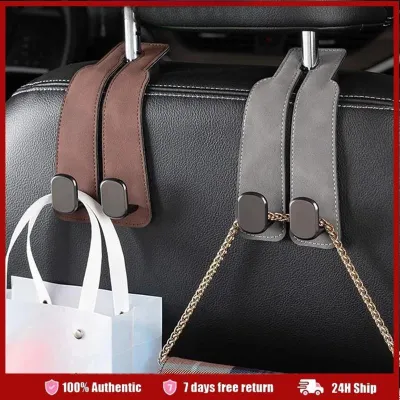
10 Lazada user ratings
These hooks are really sturdy, so I feel safe using them. I bought a few... the build quality is excellent, the price is reasonable, and the…Read full reviewShow less
These hooks are really sturdy, so I feel safe using them. I bought a few... the build quality is excellent, the price is reasonable, and the colors are beautiful. You can buy them without worry.
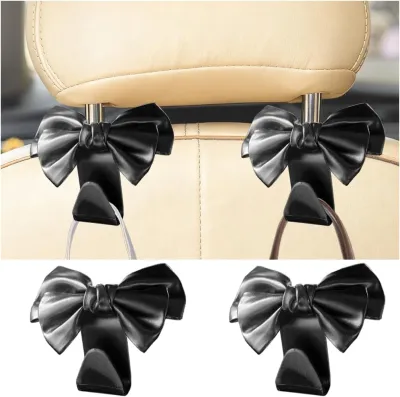
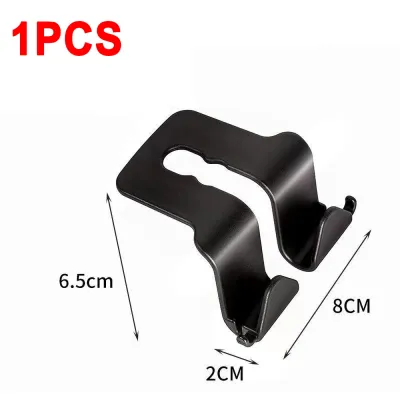
430 Lazada user ratings
Space-saving design, Universal car headrest hook and its suitable for SUV and trucks. thank seller
Design:wow Durability:very good Comfort:satisfied recommend. Thank you very much! ---_----
very nice looking and will be very useful when attached to the backside of the front seat.
🎨Design:Okay 🔨Durability:Good 🔧Ease of Installation:Easy
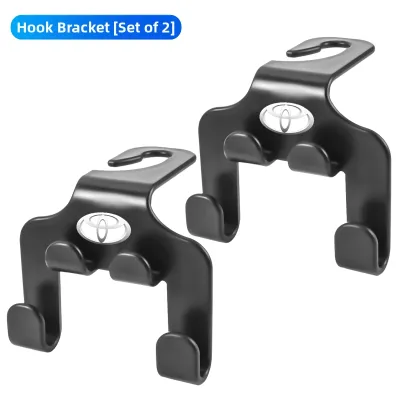
77 Lazada user ratings
This little gadget is really great, super handy, and doesn't take up much space.
It's a bit tricky to use and might need some adjustments to get it just right.
Great product, excellent quality, definitely worth buying, highly recommend...
It's practical and of great quality, definitely recommend getting it.
Perfect fit for car, Fast shipping,
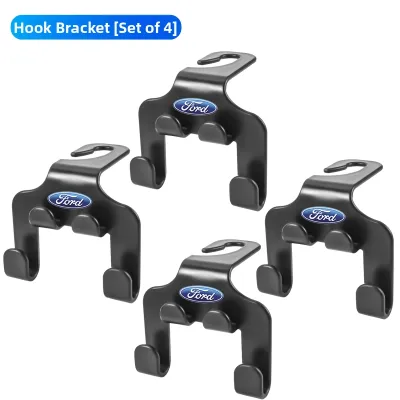
20 Lazada user ratings
The hook is very stable and holds weight well. It has no problem carrying luggage, and I'm very satisfied with the product.
The hooks are super easy to install, really good quality, and they're simple yet practical.
The quality is great, and I feel pretty confident using it.
There is no unpleasant smell.
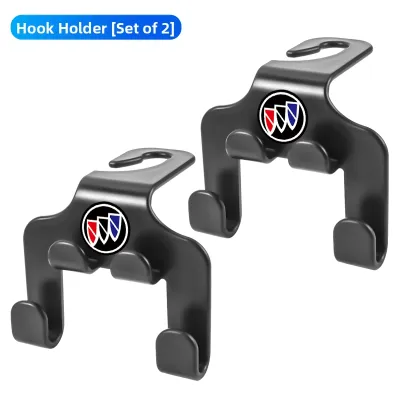
127 Lazada user ratings
Space-saving design, Stylish and functional, Quality : Looks great and sturdy hope it's strong for its purpose. Just arrived today not yet t…Read full reviewShow less
Space-saving design, Stylish and functional, Quality : Looks great and sturdy hope it's strong for its purpose. Just arrived today not yet tested, will update it's quality and usage after installing.
ABS durable material. Interior car decoration. Easy to install. Adjustable angle support. Perfect for rear seats. Space sabing design. 🔨Dura…Read full reviewShow less
ABS durable material. Interior car decoration. Easy to install. Adjustable angle support. Perfect for rear seats. Space sabing design. 🔨Durability:10 🔌Compatibility:10 🛠️Ease of Installation:10
Adjustable angle support, ABS durable material, ABS durable material, ABS durable material, Space-saving design, Space-saving design, Non-sl…Read full reviewShow less
Adjustable angle support, ABS durable material, ABS durable material, ABS durable material, Space-saving design, Space-saving design, Non-slip surface design, Perfect for rear seats,
Natanggap ko na ang mga bagay na ito. Naikabit ko na rin sa sasakyan. Sa kasalukuyan OK nman sya at nagagamit ng maayos. Salamat sa Seller a…Read full reviewShow less
Natanggap ko na ang mga bagay na ito. Naikabit ko na rin sa sasakyan. Sa kasalukuyan OK nman sya at nagagamit ng maayos. Salamat sa Seller at rider
Well packed.. Received in good condition.. Easy installation.. Quality of product is good for it's price.Space-saving design,
Prices are valid at publication and may change. Please refer to the product page for the latest price.
Finally, perform a physical inspection of the car hook hanger before bringing it near your leather seats. Run your fingers along the edges of the hook’s collar, base, and hanging arm to check for manufacturing defects such as sharp plastic burrs, rough mold lines, or unpolished metal edges. Hard, unyielding plastics like cheap ABS can easily slice through the protective clear coat of automotive leather or puncture the material under load. If you detect any sharp imperfections, you can use fine-grit sandpaper to smooth them down, or choose a hook designed with a soft silicone or rubberized lining that naturally cushions the contact points.
Preparing the Leather and Headrest Area
Cleanliness is the foundation of scratch prevention when installing any interior accessory. Even microscopic dust particles, road grit, or sand can act like sandpaper when trapped between a rigid plastic hook and a soft leather seatback. Before beginning the installation, thoroughly wipe down the metal headrest poles and the surrounding leather upholstery using a clean, dry microfiber cloth. This simple step removes abrasive surface debris that could otherwise grind into the leather under the weight of a loaded hook.

Once the area is clean, conduct a close visual inspection of the leather surrounding the headrest guide sleeves. Look for any pre-existing wear, such as dry rot, hairline cracks, deep creases, or weakened stitching. Leather that is already showing signs of aging or dehydration is far more vulnerable to tearing or deep indentation under pressure. If you identify any compromised areas, avoid mounting a hook in that specific spot, as the concentrated weight of hanging items will accelerate the damage.
To provide an extra layer of defense, gather protective materials to place between the hook and the leather. Adhesive felt pads, thin neoprene sheets, or soft silicone wraps are excellent, inexpensive barriers that distribute weight and absorb friction. If your chosen car hook hanger does not feature built-in padding, preparing these custom barriers beforehand will prevent the hard edges of the hook from pressing directly into the delicate leather surface.
Step-by-Step Installation Guide
The physical installation of a car hook hanger varies depending on whether the accessory features an open-loop design or a closed-loop design. Open-loop hooks can be slipped directly onto the headrest poles without removing the headrest, while closed-loop models require you to slide the headrest completely out of the seatback. Regardless of the design, the key to a damage-free installation is working slowly and gently, ensuring you never force any components against the resistance of the leather or the internal locking mechanisms.
Adjusting or Removing the Headrest
To begin, you will need to adjust or remove the headrest to access the mounting poles. For open-loop hooks, press the adjustment button on the plastic collar at the base of the headrest pole and raise the headrest to its highest position. This provides ample clearance to slide the hook onto the exposed metal without scraping the top of the seatback. If your hook requires complete headrest removal, press the release button—which may require a small pin or key on some vehicle models—and lift the headrest straight up and out of the seat.
Never force the headrest poles if they feel stuck or resist movement. Forcing the mechanism can bend the internal guide tubes or tear the leather surrounding the plastic collars. If the headrest does not slide out smoothly, stop immediately and consult your vehicle’s owner’s manual to verify the correct release procedure. Some luxury or electric vehicles feature motorized headrests that should never be manually forced, as doing so can strip the internal gears.
Furthermore, if your vehicle is equipped with active head restraints or integrated entertainment screens, the headrest poles may contain complex electrical wiring or tension cables. Attempting to remove these headrests completely can damage the wiring harnesses, trigger airbag warning lights on your dashboard, or disable critical safety systems. If you encounter any wiring or unexpected resistance, halt the installation immediately and seek professional assistance from a qualified automotive technician.
Attaching the Hook and Adding Protection
With the headrest raised or removed, you can now attach the hook and apply your protective barriers. If you are using adhesive felt pads, apply them directly to the underside of the hook’s base where it will rest against the seatback. Crucially, ensure that the sticky adhesive side of the pad only contacts the plastic hook, never the leather itself. Adhesive residues can bond with the leather’s finish, causing discoloration, peeling, or sticky spots that are incredibly difficult to clean without damaging the material.
Next, slide the hook onto the metal headrest poles. Ensure the hook sits flush against the poles and aligns correctly with the contours of the seatback. The hook should fit snugly without excessive play; a loose, wobbling hook will constantly shift and rub against the leather as the vehicle moves, leading to localized wear and scuff marks. If the hook’s collar is too wide for your vehicle’s poles, use rubber spacers or electrical tape wrapped around the poles to create a snug, stable fit.
If you removed the headrest, carefully align the metal poles with the guide sleeves in the seatback. Slowly lower the headrest back into position, ensuring the leather upholstery does not bunch up or pinch beneath the plastic collars or the hook’s base. Push down evenly on both sides of the headrest until you hear a distinct click, indicating that the locking mechanism has engaged securely. Double-check that the headrest is locked at your desired height and that the hook is firmly sandwiched without putting excessive, uneven pressure on the leather.
Testing the Installation for Safety and Fit
Once the hook is securely mounted, you must test the installation to ensure it is safe for daily use. Begin with a gradual load test by hanging a very light item, such as an empty shopping bag, and observing how the hook behaves. Gradually increase the weight to your typical load, checking to see if the hook bends, slips, or tilts downward. If the hook tilts excessively under load, its bottom edge may dig into the leather seatback, creating a concentrated pressure point that will eventually leave a permanent dent or tear.
Next, check the clearance of the hook and hanging items during seat adjustments. Move the front seat fully forward and backward, and tilt the seatback through its full range of motion. Ensure that the hook does not rub against the B-pillar, the center console, or any rear-passenger space. If the hook or the hanging items make contact with other interior surfaces, they can cause friction scratches on both the leather and the plastic trim of your vehicle.
Finaly, evaluate the safety of the hanging items from the driver’s perspective. Ensure that whatever you hang on the hook does not obstruct your view through the rearview mirror or side windows. Hanging items must never interfere with the operation of seatbelts or the movement of rear passengers. Additionally, keep in mind that unsecured items on a hook can become dangerous projectiles during sudden braking or a collision; avoid hanging heavy, hard, or sharp objects that could fly off and cause injury.
Maintaining the Leather and Hook Over Time
Preventing long-term damage to your leather seats requires ongoing maintenance and monitoring. Over time, road vibrations can cause even a well-fitted hook to shift slightly, potentially trapping dust and moisture underneath its base. Periodically lift or remove the hook to inspect the leather beneath it. Look for any signs of compression, moisture buildup, or dirt accumulation that could degrade the leather’s protective coating over time.
When cleaning your vehicle’s interior, remove the hook entirely to clean the contact zone. Wipe the leather with a high-quality, manufacturer-approved leather cleaner and a soft microfiber cloth to remove any oils or sweat transferred from handled items. Applying a dedicated leather conditioner to the area can help maintain the material’s elasticity, allowing it to recover from minor pressure marks and preventing it from drying out or cracking under the hook’s base.
Lastly, always respect the weight limits specified by both the hook manufacturer and your vehicle’s headrest specifications. Overloading a car hook hanger can bend the metal headrest poles, damage the internal locking mechanisms, or cause the hook to press deeply into the seatback, leaving permanent, unsightly dents in the leather. By keeping loads moderate and removing the hooks when they are not in use, you can enjoy the convenience of added storage while keeping your leather seats in showroom condition.
Frequently Asked Questions (FAQ)
Can I install a headrest hook on seats with side airbags?
Yes, you can generally install headrest hooks on seats equipped with side airbags, but you must exercise extreme caution. Headrest hooks mount directly to the metal poles at the top of the seat, which are typically well clear of the side airbag deployment zones located in the outer seat bolsters. However, you must consult your vehicle’s owner’s manual to confirm the exact location of the airbag deployment paths. Ensure that any bags, coats, or items hanging from the hooks do not drape over the sides of the seat where they could block or interfere with the rapid inflation of the airbag during a collision.
What should I do if the hook leaves a dent on the leather?
If you notice a minor dent or compression mark on your leather seat after removing a hook, act quickly to help the leather recover. First, remove the hook completely to relieve the pressure. Gently massage the indented area with a clean, dry microfiber cloth to stimulate the fibers. If the dent persists, you can apply a small amount of heat using a hairdryer on its lowest setting, keeping it at least six inches away from the seat and moving it constantly to avoid overheating the leather. Once the leather is warm and pliable, gently massage it again, then apply a high-quality leather conditioner to restore moisture and elasticity. For deep tears, punctures, or permanent structural creases, consult a professional automotive upholstery specialist.
Community discussion
Share your experience or ask a question. Comments are reviewed before publication.