
Installing a DBS pipe muffler on your motorcycle can significantly alter its exhaust note, aesthetic appeal, and throttle response. However, achieving these modifications without violating local environmental and traffic laws requires a careful balance of proper mechanical installation and strict noise compliance. To stay within legal limits in the Philippines, you must ensure the exhaust system is fitted with an appropriate decibel reducer (dB killer), sealed completely against gas leaks, and verified against the latest guidelines enforced by the Land Transportation Office (LTO) and local government units.
Before purchasing or mounting any aftermarket exhaust component, it is essential to recognize that road legality depends heavily on your specific motorcycle model, engine displacement, and the exact configuration of the muffler. Simply bolting on a new pipe without verifying its compatibility or sound output can lead to costly fines, impoundment, or failed vehicle inspections. By following a systematic installation process and taking proactive steps to manage sound output, you can enjoy the benefits of your new DBS pipe muffler while remaining a responsible and law-abiding rider on public roads.
Understanding Legal Noise Limits and Exhaust Compliance
Modifying a motorcycle’s exhaust system in the Philippines is subject to strict regulatory oversight to curb noise pollution in urban and residential areas. The Land Transportation Office (LTO), alongside various municipal governments, enforces specific decibel limits for motor vehicles. While standard limits are typically set under standardized testing conditions, local ordinances can vary, making it vital to consult the latest official guidelines in your specific municipality before riding. Operating a motorcycle that exceeds these established noise thresholds can result in substantial fines, roadside citations, and the mandatory removal of the non-compliant exhaust system.
Products mentioned in this guide
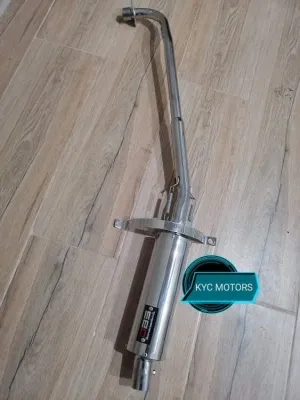
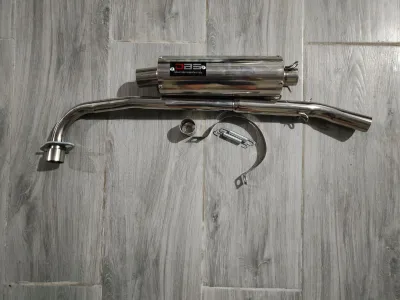
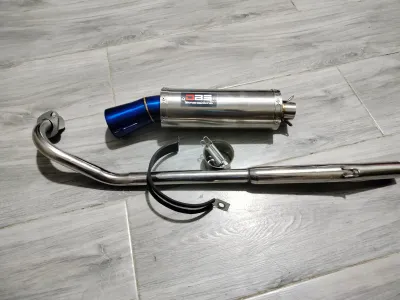
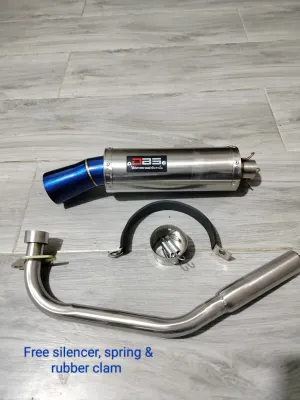
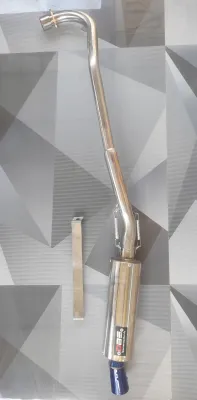
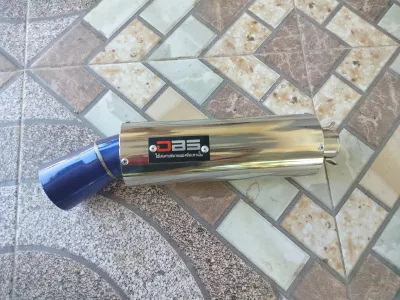
Prices are valid at publication and may change. Please refer to the product page for the latest price.
When selecting a DBS pipe muffler, you must carefully review the manufacturer’s specifications, compliance labels, and any documentation included in the packaging. Some aftermarket mufflers are designed strictly for closed-course racing and lack the internal baffling necessary for street use, while others are engineered with removable or permanent silencers intended to meet street-legal standards. Check the product packaging and official documentation to verify if the specific model is certified for public road use or if it requires additional sound-dampening accessories to comply with local laws. Never infer compatibility or road legality solely from a generic category term or product title.
It is also important to identify conditions where an aftermarket exhaust modification might require official inspection or registration updates. In some jurisdictions, altering the exhaust system from its original factory specification requires a physical inspection at an authorized LTO district office or an accredited emission testing center to ensure both noise and emission levels remain within legal parameters. If your motorcycle undergoes regular registration renewals, having a professional decibel test report or a manufacturer compliance certificate on hand can help prevent delays and disputes during the inspection process.
Tools and Preparation for Muffler Installation
A successful and safe exhaust swap begins with gathering the correct tools and preparing a clean, stable workspace. To install your DBS pipe muffler, you will generally need a set of metric socket wrenches, open-ended wrenches, a spring puller tool (often required for securing tension springs on aftermarket mid-pipes), safety gloves, and protective eyewear. Additionally, keeping a high-quality penetrating fluid on hand is highly recommended, as factory exhaust bolts are frequently exposed to extreme heat cycles, tropical humidity, and road grime, making them prone to seizing or rusting over time. Use penetrating fluids strictly according to the product label instructions, keeping them away from brake components and tires.

Safety must be your primary concern before performing any mechanical work on your motorcycle. Ensure the vehicle is parked on a flat, level surface and securely supported using a heavy-duty paddock stand or the motorcycle’s built-in center stand to prevent it from tipping over during the installation. Most importantly, allow the engine and the entire stock exhaust system to cool down completely to avoid severe burns; working on a hot engine can also lead to stripped threads on the cylinder head exhaust studs due to thermal expansion. If you are uncomfortable performing these mechanical steps, seek qualified professional installation to ensure the safety and structural integrity of your vehicle.
Before removing any parts, thoroughly inspect the existing exhaust mounting points, frame brackets, and the cylinder head exhaust port. Look for signs of wear, deep corrosion, or structural cracking on the frame tabs where the new muffler bracket will attach. It is highly recommended to purchase a new exhaust gasket rather than attempting to reuse the old one, as compressed gaskets rarely seal effectively a second time, leading to persistent exhaust leaks that can artificially inflate your motorcycle’s noise levels.
Step-by-Step Installation of the DBS Pipe Muffler
To begin the installation, carefully unbolt the original exhaust system starting from the rear mounting brackets and working your way forward to the engine cylinder head. Use penetrating fluid on the header nuts if they feel stubborn, and apply steady, even pressure to avoid snapping the exhaust studs, which would require expensive professional extraction. Once all mounting hardware is removed, gently wiggle the stock pipe free from the engine port, taking care not to scratch the motorcycle’s frame, swingarm, or surrounding plastic bodywork. Always refer to your original-vehicle owner’s manual for specific disassembly instructions and safety boundaries.
Next, clean the exhaust port on the engine cylinder head using a soft wire brush or a clean cloth to remove any carbon buildup or remnants of the old gasket. Insert the new exhaust gasket into the port, ensuring it sits completely flat and flush. Carefully align the header pipe of your new DBS system with the exhaust port, and loosely thread the header nuts by hand to prevent cross-threading; do not tighten them fully at this stage, as you will need some play in the system to align the rest of the pipe.
Slide the mid-pipe and the DBS muffler canister into position, aligning the mounting brackets with the designated attachment points on the motorcycle’s frame. If your DBS kit utilizes tension springs to connect the pipe segments, use a dedicated spring puller tool to install them safely, keeping your fingers clear of potential pinch points. Once the entire system is properly aligned and suspended, begin tightening the hardware starting from the cylinder head and moving backward to the muffler bracket, using a torque wrench to tighten all fasteners to the manufacturer’s specified torque values.
During this process, you must be prepared to halt the installation immediately if you encounter any significant alignment issues. If the mounting brackets do not line up naturally without forcing or bending the pipe, or if you notice that the exhaust pipe makes direct contact with the frame, swingarm, rear brake lines, or suspension components, stop and re-evaluate the fitment. Forcing a misaligned exhaust into place can cause severe structural stress, leading to cracked welds, exhaust leaks, or dangerous interference with the motorcycle’s moving parts while riding.
Techniques to Manage Exhaust Noise and Maintain Compliance
Once the DBS pipe muffler is physically installed, managing its sound output is the next critical step to ensure your motorcycle remains fully compliant with local noise regulations. Many DBS mufflers are compatible with a removable dB killer, which is a metal insert designed to restrict exhaust gas flow slightly and disrupt sound waves before they exit the canister. If your muffler includes a dB killer, ensure it is securely bolted or snap-ringed into the exhaust tip; regularly inspect this insert to make sure it has not vibrated loose, and clean any carbon soot buildup that could restrict flow excessively.
Another common cause of excessive exhaust noise is an undetected exhaust leak along the piping joints or at the cylinder head connection. Escaping exhaust gases bypass the muffler’s internal sound-dampening chambers entirely, resulting in a harsh, loud, and unbaffled sound that can easily exceed legal decibel limits. To prevent this, apply a thin layer of high-temperature exhaust sealant to the slip-fit joints during assembly, and double-check that all clamps are tightened securely to create an airtight seal throughout the entire system.
Altering your motorcycle’s exhaust system changes the backpressure and exhaust gas velocity, which can significantly impact the engine’s air-fuel ratio. A freer-flowing exhaust often causes the engine to run lean, which can lead to popping on deceleration, increased engine temperatures, and erratic idling that may alter the sound profile of the bike. Consulting a professional mechanic or a qualified tuner to adjust your carburetor settings or update the ECU mapping will not only optimize performance and protect your engine from damage but also ensure a smoother, more controlled exhaust note that is easier to keep within legal limits.
Post-Installation Verification and Safety Checks
Before taking your motorcycle out for a ride on public roads, you must perform a series of rigorous post-installation safety checks to confirm everything is secure. Begin with a thorough visual and physical inspection of the entire exhaust tract, checking that there is adequate clearance between the hot exhaust pipes and any plastic fairings, electrical wiring, or fuel lines. Compress the rear suspension manually or have someone sit on the bike to verify that the swingarm, rear tire, and brake caliper do not contact the muffler or mounting brackets at any point in their travel.
Next, start the engine while the motorcycle is still securely supported on its stand and let it idle. Listen closely around the cylinder head port and the pipe joints for any ticking or hissing sounds, which are clear indicators of an exhaust leak. Gently rev the engine to low-RPM ranges to check for abnormal vibrations, rattling brackets, or signs of heat transferring too close to sensitive plastic components; if you detect any issues, shut off the engine immediately, allow it to cool, and re-torque the affected fasteners.
Finally, to ensure absolute legal compliance and peace of mind, plan to have a professional decibel meter test conducted at an authorized vehicle inspection center or a reputable motorcycle shop equipped with a calibrated sound level meter. This test should be performed according to standard testing protocols, measuring the decibel level at a specific distance and angle from the exhaust tip at a designated engine RPM. Obtaining an objective measurement is the only definitive way to verify that your modified setup complies with local noise ordinances before you encounter a roadside inspection.
Frequently Asked Questions (FAQ)
Can I ride my motorcycle immediately after installing an aftermarket muffler?
It is highly recommended to perform a stationary leak check and a complete heat cycle before taking your motorcycle onto public roads. Start the engine and let it idle until it reaches normal operating temperature, allowing the metal components to expand and any exhaust sealant to cure properly. Once the system has cooled down completely, re-verify the torque settings on all mounting bolts and header nuts, as thermal expansion can cause fasteners to settle or loosen slightly during the first heat cycle.
What should I do if my DBS pipe muffler fails a noise inspection?
If your exhaust fails a decibel test, first check to ensure that the dB killer or internal baffling is properly installed, undamaged, and free of gaps. Inspect all joints, clamps, and the cylinder head gasket for exhaust leaks, as even a minor gap can significantly increase the overall sound level. If the system remains too loud despite these checks, consult the manufacturer or a professional motorcycle tuner to explore additional silencing inserts or custom baffling solutions designed to bring the exhaust within legal limits.
Does installing a slip-on muffler void my motorcycle's warranty?
Installing an aftermarket slip-on muffler can potentially affect your motorcycle’s warranty, particularly regarding the exhaust system, emissions components, or engine parts directly influenced by changes in exhaust flow. Warranty terms vary widely among manufacturers and dealerships, with some allowing minor bolt-on modifications while others strictly prohibit any non-OEM parts. Always review your specific dealer and manufacturer warranty documentation, or consult your authorized dealer directly, before performing any modifications to understand how it might impact your coverage.
Community discussion
Share your experience or ask a question. Comments are reviewed before publication.