
Deciding whether to repair or replace a motorcycle fuel tank depends on the depth of the damage, the material of the tank, and safety risks. While minor surface blemishes or small dents can often be corrected, deep structural degradation, persistent leaks, or extensive internal corrosion typically require replacement. Because the fuel tank is a highly volatile component positioned directly above a hot engine, prioritizing structural integrity is essential for safe operation.
To make an informed decision, you must systematically evaluate both the visible exterior condition and the hidden internal state of the tank. This guide outlines the key physical indicators, functional symptoms, and safety protocols necessary to determine if your tank can be safely salvaged or if it is time to source a replacement.
Observable Signs of Motorcycle Fuel Tank Damage
The most immediate clues about your fuel tank’s health are visible on its outer shell and around its mounting points. Regular inspections help catch minor issues before they escalate into hazardous leaks.
Products mentioned in this guide
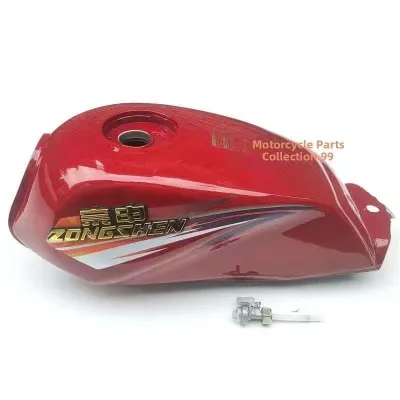
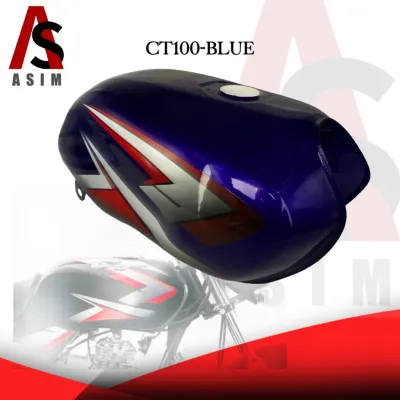
76 Lazada user ratings
Ok naman yung tank kaso problema lang is hindi maganda yung paint job nung manufacturer kasi natutuklap yung pintura kapag nabuhusan ng gas …Read full reviewShow less
Ok naman yung tank kaso problema lang is hindi maganda yung paint job nung manufacturer kasi natutuklap yung pintura kapag nabuhusan ng gas kaya pangit.... hindi sya swak sa old model na CT100B maliit din yung kabitan ng rubber damper kaya magtatabas kapa ng stock na tank damper mo yung mounting naman dalawa ang butas compared sa old model na isang butas lang sa kabitan ng bolt.. . pang new model ito kaya need mo pa magpa butas sa kabitan ng bolt.... yung kapal nya hindi compared sa stock na tank packaging okay maayos walang yupi sa tank overall sakto lang kasi dun talaga problema sa paintjob problema yun ng manufacturer hindi ng seller
Impressed with the overall build and finish, Genuine product, exactly as described, Provides ample fuel storage capacity, Easy to install on…Read full reviewShow less
Impressed with the overall build and finish, Genuine product, exactly as described, Provides ample fuel storage capacity, Easy to install on my motorcycle, Perfect fit for my Bajaj motorcycle,
🔨Durability:brand new and good quality 🔌Compatibility:compatible and easy to install ⛽Capacity:the same as the stock i have received the ite…Read full reviewShow less
🔨Durability:brand new and good quality 🔌Compatibility:compatible and easy to install ⛽Capacity:the same as the stock i have received the item complete and no damage.
Impressed with the overall build and finish, maraming salamat seller excited na akong e restore Yung 16 years old na Bajaj CT 100 ko
nice qualitySatisfied with the performance and functionality, Good seller service, highly recommended,
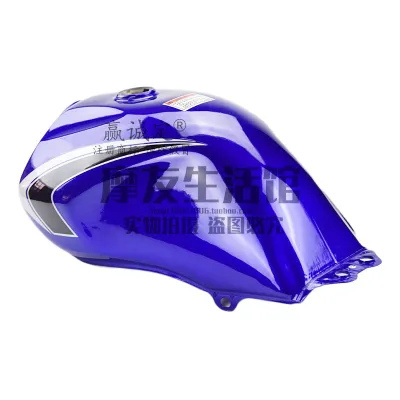
3 Lazada user ratings
late delivery
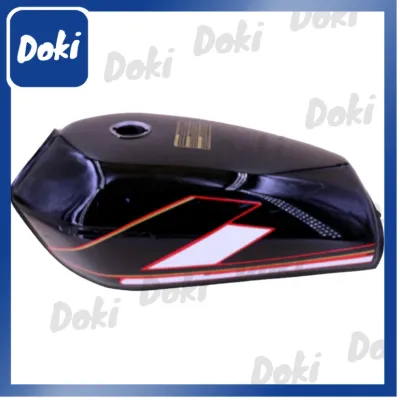
6 Lazada user ratings
ang Ganda ng na order ko n tank ng motor ko 5 star
🔨Durability:very good
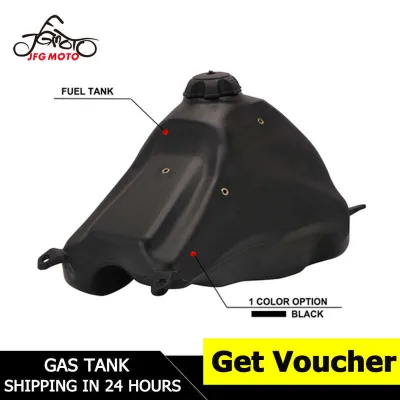
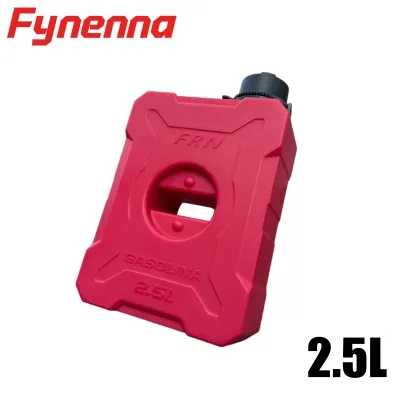
9 Lazada user ratings
🔨Durability:10 🔌Compatibility:10 ⛽Capacity:10
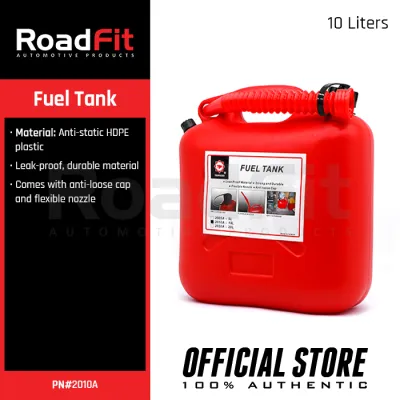
1,439 Lazada user ratings
The product arrived in less than a week. The item comes in a carton with sealed plastic. The gas tank body is sturdy, and the plastic is HDP…Read full reviewShow less
The product arrived in less than a week. The item comes in a carton with sealed plastic. The gas tank body is sturdy, and the plastic is HDPE. Complete parts, easy to assemble and disassemble. Also, a receipt is included which is commendable. For those who are looking for a gas tank, I recommend to visit RoadFit. Order yours now!
Shipping was fast, however the packaging box was crampled ng konti. Good thing the product is not damaged naman. Build quality is good. Have…Read full reviewShow less
Shipping was fast, however the packaging box was crampled ng konti. Good thing the product is not damaged naman. Build quality is good. Haven't tried yet, but I believe it should serve its purpose. Will update thks review if I encounter issued while using it.
Portability: Durable and leak-proof design, easy to carry Durability: High-quality HDPE plastic material, Ease of Use: nozzle on place for n…Read full reviewShow less
Portability: Durable and leak-proof design, easy to carry Durability: High-quality HDPE plastic material, Ease of Use: nozzle on place for none spill filling
napakaganda ng quality. makapal ang materyal. this is my second gasoline container. subok ko na talaga.
Reliable and long-lasting fuel storage, Durable and leak-proof design, authentic product.
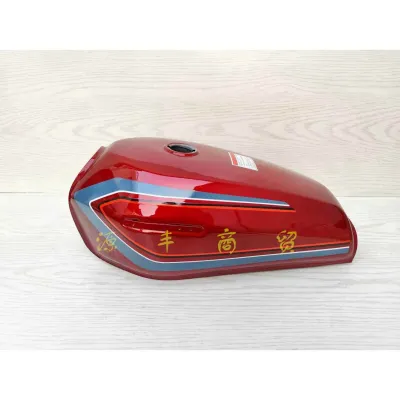
Prices are valid at publication and may change. Please refer to the product page for the latest price.
Rust is a common threat to steel tanks, but its severity varies. Surface rust, appearing as light bubbling or discoloration under the paint, is generally cosmetic and can be sanded down, treated, and repainted. However, deep rust perforation is a critical issue. If you observe structural flaking, deep pitting, or areas where the metal feels thin and soft, the rust has compromised structural integrity. This level of decay cannot be reliably patched and requires a replacement tank.
Structural dents also demand close inspection, particularly their location. A dent on a flat, open side of the tank might only be an aesthetic issue. However, dents located near critical mounting areas—such as the fuel pump flange, petcock thread, or fuel level sensor mounting plate—are highly problematic. Deformations in these sealing surfaces prevent gaskets from seating properly, leading to persistent fuel leaks. If a dent has creased the metal sharply, it may create micro-cracks that eventually weep fuel under engine vibration.
Persistent fuel leaks are an immediate indicator of a failing tank. Regularly check the seams where the tank panels are welded together, as these are common stress points. Inspect the area around the fuel cap seal and the bottom drain plugs or petcock connections. If you notice damp spots, peeling paint, or a strong smell of gasoline when the bike is parked, fuel is escaping. Any active leak that cannot be resolved by replacing a rubber gasket or O-ring points to a compromised tank shell that must be replaced.
Functional and Internal Fuel Tank Issues
Not all fuel tank problems are visible from the outside. Internal degradation and mechanical failures within the tank can severely disrupt your motorcycle’s fuel delivery system and engine performance.

Inaccurate fuel level sensor readings are a common symptom of internal tank issues. Inside the tank, a float arm or electronic sensor measures the fuel level. If the tank has suffered internal physical damage, or if heavy rust scale has accumulated on the sensor mechanism, the float can become stuck or the electrical contacts can fail. While the sensor itself can sometimes be replaced independently, severe internal tank corrosion can ruin new sensors rapidly. Inspect the interior with a flashlight to verify if debris is physically obstructing the sending unit.
Engine sputtering, hesitation, or sudden fuel flow restrictions are often directly linked to the internal condition of the tank. When a steel tank rusts internally, it sheds fine particles of iron oxide into the fuel. This debris accumulates at the bottom of the tank, quickly clogging the petcock screen, inline fuel filter, or fuel pump intake sock. If your engine starves for fuel during acceleration or struggles to idle smoothly, check your fuel filters. Finding orange or brown sediment in the filter is a clear sign of heavy internal tank scaling.
Moisture accumulation inside the tank is another silent contributor to fuel system failure. Water is heavier than gasoline and naturally settles at the lowest point of the tank, which is often where the metal seams are located. This trapped moisture accelerates localized corrosion from the inside out, creating pinhole leaks that are invisible until they break through the exterior paint. If you experience frequent starting difficulties or water-contaminated fuel, it indicates that moisture has compromised the tank’s internal environment, requiring a complete flush or replacement.
Safety Steps for Inspecting a Suspected Fuel Tank
Working around motorcycle fuel systems carries inherent risks of fire, toxic inhalation, and chemical spills. Before performing any physical or visual inspection of your fuel tank, you must establish a safe working environment.
First, always work in a well-ventilated outdoor area or a workshop with active airflow to prevent the buildup of flammable fuel vapors. Eliminate all potential ignition sources, including open flames, pilot lights, space heaters, and electrical tools that could generate sparks. Keep a rated fire extinguisher nearby and wear fuel-resistant gloves and safety goggles to protect your skin and eyes.
Before conducting a deep visual or internal inspection, you must safely drain the remaining fuel from the tank. Use a clean, fuel-safe container and a siphon pump or petcock to empty the fuel completely. Never use a household vacuum cleaner or unrated electric pumps to transfer fuel, as the electric motors can ignite the vapors. Once drained, allow the tank to air out in a secure, well-ventilated space to minimize residual fumes before handling it.
Establish clear stop conditions during your inspection. If you discover severe, active leaks along welded seams, extensive structural cracking, or if you are uncertain about the structural thickness of a heavily rusted tank, stop immediately. Do not attempt to weld, solder, or apply temporary epoxy patches to a structurally compromised tank. In these scenarios, consult a qualified motorcycle mechanic to assess the damage, or proceed directly to sourcing a replacement tank.
Deciding Between Fuel Tank Repair and Full Replacement
Choosing whether to repair or replace your motorcycle fuel tank requires balancing safety, manufacturer guidelines, material compatibility, and long-term costs.
Minor internal rust and superficial damage can sometimes be treated without replacing the entire unit. If the tank’s metal remains thick and structurally sound, professional chemical cleaning and derusting kits may be viable options. Some manufacturers provide specific guidelines for sealing steel tanks with specialized fuel-resistant epoxy or polyurethane liners. However, these coatings must be applied with extreme care; improper preparation can cause the liner to peel off over time, clogging your fuel system. Plastic or aluminum tanks require different repair approaches, and welding or patching them should only be performed by certified professionals.
There are several absolute replacement triggers where repair is no longer a safe or viable option. If the tank has suffered severe structural compromise from an accident, such as deep creases, twisted mounting tabs, or torn seams, it cannot be safely restored to its original pressure-holding capacity. Severe internal scaling, where large flakes of metal are actively peeling off the inner walls, also dictates an immediate replacement. Additionally, if the precision-machined mounting surfaces for the fuel pump or fuel sensor are warped or corroded, a new tank is necessary to prevent leaks.
Finally, evaluate part availability and weigh the long-term reliability of a repaired tank against the cost of a new unit. For common motorcycle models, finding an original equipment manufacturer (OEM) or high-quality aftermarket replacement tank is often straightforward. Compare the price of a replacement tank in ₱ against the cumulative costs of specialized repair kits, professional labor, and the risk of a patch failing. Investing in a new, factory-sealed fuel tank provides long-term reliability and peace of mind, ensuring your motorcycle remains safe. Always refer to your vehicle’s service manual for specific installation instructions and torque specifications when mounting a new tank.
Frequently Asked Questions (FAQ)
Is it safe to ride a motorcycle with a minor fuel tank leak?
No, it is highly unsafe to ride a motorcycle with any fuel leak, regardless of how minor it appears. Gasoline dripping from a leaking tank can easily land on hot engine cases, exhaust pipes, or electrical components, creating an immediate fire hazard. Additionally, fuel leaking onto the rear tire can cause a sudden loss of traction, leading to a crash. If you detect a fuel leak, do not start the engine; instead, transport the motorcycle safely to a repair area or professional workshop.
Can internal fuel tank rust damage the motorcycle engine?
Yes, internal fuel tank rust can cause severe engine damage and performance issues. Fine rust particles that bypass or clog the fuel filtration system can enter the carburetor jets or fuel injectors, disrupting the air-fuel mixture and causing lean running conditions, which can overheat the engine. Rust debris can also score fuel pump cylinders and cause premature wear on internal engine components if it bypasses filtration entirely. Regularly checking and replacing your inline fuel filter is crucial if you suspect internal tank corrosion.
How do I prevent a replacement motorcycle fuel tank from rusting?
To prevent a new steel fuel tank from rusting, minimize its exposure to moisture and air. Keep the fuel tank full, especially during long storage periods, to reduce the empty headspace where condensation can form. Use a high-quality fuel stabilizer to prevent fuel degradation and moisture absorption, particularly when using ethanol-blended fuels. Additionally, inspect the rubber seal on your fuel cap regularly to ensure water cannot enter the tank during rain or washing.
Community discussion
Share your experience or ask a question. Comments are reviewed before publication.