
Finding a protective cover that fits a tricycle with a sidecar requires looking beyond standard motorcycle accessories. Because these vehicles combine a standard two-wheeler with a wide passenger cabin, their asymmetrical shape makes off-the-shelf covers highly impractical. A poorly fitting cover can easily trap moisture, flap violently in strong winds, or leave vulnerable components exposed to harsh tropical sun and heavy rain.
To protect your investment, you need a full cover designed specifically for the unique dimensions of a sidecar setup. Choosing the right size involves taking precise measurements, identifying key design features that secure the fabric, and selecting materials that can withstand local weather conditions. By taking a systematic approach to measuring and selecting your cover, you can keep your tricycle clean, dry, and shielded from premature wear.
Understanding the Unique Shape of a Tricycle with Sidecar
Standard motorcycle covers are designed for symmetrical, narrow profiles that taper at the front and rear. A tricycle with a sidecar completely breaks this mold by introducing a wide, asymmetrical footprint. The passenger cabin extends significantly to one side, creating an uneven distribution of width that standard covers cannot accommodate without stretching, tearing, or leaving one side completely exposed.
Products mentioned in this guide
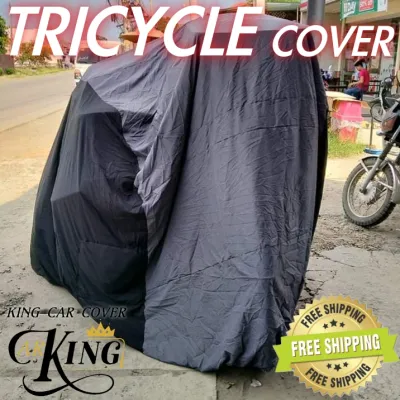
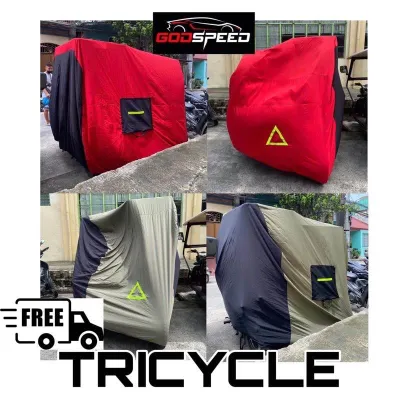
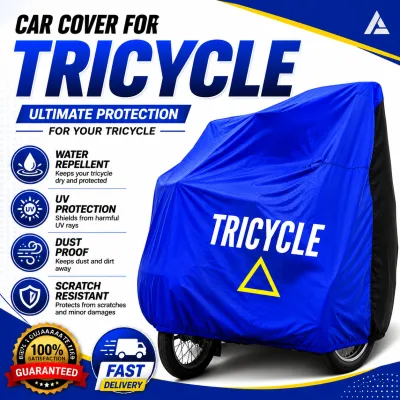
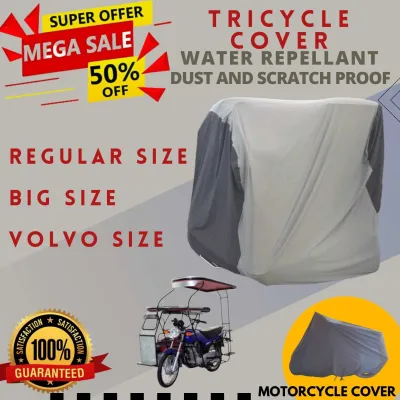
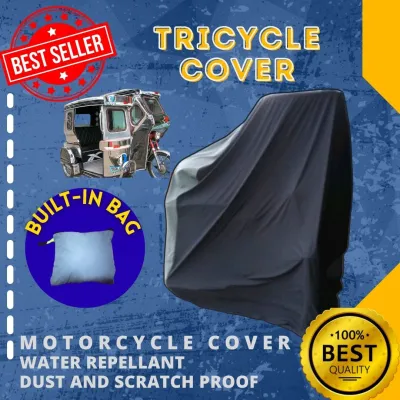
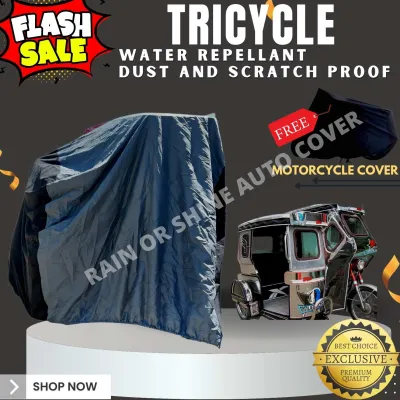
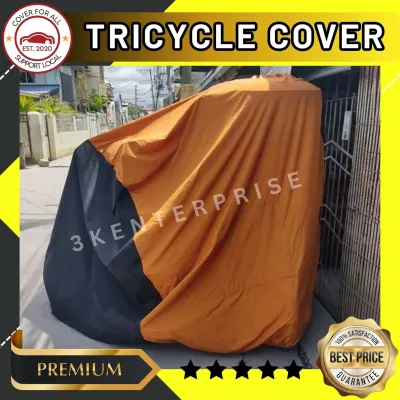
Prices are valid at publication and may change. Please refer to the product page for the latest price.
Height variations across the vehicle also complicate the fit. The motorcycle handlebars, sidecar windshield, and passenger roofline often sit at different levels, creating peaks and valleys where water can easily pool. If a cover does not account for these varying heights, it will sag in some areas while being pulled dangerously tight over others.
Additionally, protruding components require careful consideration to avoid damage to both the vehicle and the cover. Sharp edges on sidecar steps, extended side mirrors, exhaust pipes, and luggage racks can easily puncture thin fabrics. A proper tricycle cover must have enough volume and structural reinforcement to drape over these protrusions without putting excessive tension on the seams.
How to Measure Your Tricycle for a Perfect Fit
To find a cover that fits securely, you must obtain accurate three-dimensional measurements of your entire vehicle rather than relying on generic size labels. Start by parking your tricycle on a flat, level surface with the front wheel pointed straight ahead. You will need a flexible measuring tape and perhaps a helper to keep the tape straight over the wide gaps.

Measure the overall length from the absolute front edge of the front tire or bumper to the rearmost point of the setup, which is often the back of the sidecar or a rear-mounted spare tire. Make sure the tape measure remains parallel to the ground to avoid inflating the measurement. Write down this total length as your primary reference point.
Next, determine the total width by measuring from the outermost edge of the motorcycle—usually the handlebar grip or side mirror—to the furthest outer edge of the sidecar body or wheel guard. This is the most critical measurement because standard covers lack the lateral volume to span this distance. Ensure the tape is pulled taut across the widest span of the vehicle.
Finally, measure the maximum height from the ground to the highest point on your tricycle. This peak might be the top of the sidecar roof, a high windshield, or the side mirrors. If your sidecar has a custom passenger canopy or cargo rack, measure from the ground to the top of that structure to ensure the cover will drape fully to the bottom of the wheels. Compare these three dimensions against the manufacturer’s sizing charts before purchasing.
Key Fit Features to Look for in a Tricycle Cover
A well-fitting cover needs specific design elements to stay secure against the elements, especially during sudden tropical downpours and gusty winds. Look for covers equipped with heavy-duty elastic hems along the entire bottom edge. This elastic should hug the undersides of both the motorcycle wheels and the sidecar chassis, creating a snug seal that prevents wind from getting underneath.
Adjustable tie-down straps or integrated buckle systems are essential for securing the cover beneath the vehicle. These straps should run under the motorcycle frame and the sidecar belly to prevent the fabric from flapping or ballooning in high winds. Flapping not only creates annoying noise but can also cause the fabric to rub abrasively against your paintwork.
Dedicated mirror pockets can help accommodate the handlebars while keeping the cover aligned, though many universal tricycle covers omit them to allow for varying handlebar heights. If the cover does not have pockets, ensure it has reinforced grommets at the bottom. These grommets allow you to thread a cable lock or heavy bungee cords through the wheels, adding security against theft and extreme weather.
Choosing the Right Material for Weather Protection
The tropical climate in the Philippines demands a cover material that can handle intense heat, high humidity, and torrential rain. Look for heavy-duty polyester or polyurethane-coated fabrics that carry verified waterproof ratings. Seam-sealed construction is vital; check product specifications to ensure the seams are taped or double-stitched to prevent water from seeping through the needle holes during heavy downpours.
UV-resistant coatings are equally important for protecting your tricycle’s paint, vinyl seats, and sidecar interior from sun damage. Prolonged exposure to intense sunlight can fade paint, crack plastic dashboards, and degrade the structural integrity of the cover itself. A silver-coated or UV-treated outer layer helps reflect solar radiation, keeping the temperature beneath the cover relatively cool.
While the exterior must be tough, the interior of the cover should be gentle on your vehicle’s surfaces. Look for options that feature a soft, non-abrasive inner lining, such as brushed cotton or soft fleece. This lining acts as a barrier, preventing the rough outer fabric from creating micro-scratches on your sidecar’s clear coat or windshield when the cover shifts in the wind.
Step-by-Step Guide to Installing the Cover
Before installing any cover, ensure your tricycle is completely clean, dry, and cool to the touch. Placing a cover over a dusty or muddy vehicle traps abrasive particles against the paint, which can cause scratches as the cover moves. Additionally, never drape a cover over a hot exhaust pipe or engine block, as the extreme heat can melt synthetic fabrics and damage your vehicle’s finish.
Begin the installation by identifying the front of the cover, which is usually marked with a tag or shaped to accommodate the front wheel and handlebars. Carefully drape the front section over the front tire and handlebars, taking care not to snag the fabric on the brake levers or side mirrors. Slowly work your way backward, unfolding the cover over the motorcycle seat.
Next, pull the wider portion of the cover over the sidecar cabin, starting from the front windshield and moving toward the rear passenger seat or cargo area. Adjust the alignment so that the seams sit naturally along the corners of the vehicle. Once the cover is fully draped, pull the elastic hems down around the bottom of the tires and the sidecar frame.
Finally, fasten all adjustable tie-down straps beneath the chassis. Tighten the buckles until the cover is snug but not overly tensioned, ensuring there are no large pockets of loose fabric where rainwater could pool. Double-check that the cover does not touch any hot mechanical parts if the engine was recently running, and verify that the license plate or reflectors remain visible if parked on a public road.
Caring for and Storing Your Tricycle Cover
Proper maintenance will extend the lifespan of your cover and ensure it continues to provide reliable weather protection. Clean the cover periodically by draping it over the vehicle and spraying it down with clean water from a garden hose. Avoid using harsh chemical detergents, bleach, or stiff scrub brushes, as these can strip away the waterproof coatings and UV-resistant treatments.
Always allow the cover to dry completely before folding and storing it. Folding a damp cover traps moisture within the fabric layers, creating an ideal environment for mold, mildew, and unpleasant odors to develop. Hang the cover in a shaded, well-ventilated area out of direct sunlight until both the exterior and interior surfaces are bone dry.
When the cover is not in use, store it in a dedicated storage bag or a cool, dry utility cabinet. Avoid leaving the cover crumpled on the ground or exposed to pests in an open garage. Proper storage keeps the fabric free of dust and pests, ensuring it is clean and ready for the next time you need to protect your tricycle.
Frequently Asked Questions (FAQ)
Can I use an extra-large standard motorcycle cover for a tricycle with a sidecar?
Using an extra-large standard motorcycle cover is generally not recommended for a tricycle with a sidecar. Standard covers are tailored for narrow, symmetrical profiles, meaning they lack the lateral volume required to span the wide gap between the motorcycle and the sidecar. Attempting to stretch a standard cover over a tricycle will leave large sections of the sidecar exposed to the elements. Furthermore, the excess fabric on the motorcycle side will flap violently in the wind, which can cause abrasive damage to your paintwork and lead to water pooling in the sagging areas.
How do I prevent the cover from scratching my tricycle's paint and sidecar finish?
To prevent scratches, always ensure that both your tricycle and the cover are completely clean before installation. Dust, sand, and road grime act like sandpaper when trapped between the cover and your vehicle’s paint. Avoid dragging the cover across the ground during installation, as this can pick up abrasive debris. When shopping, look for a cover with a soft, non-abrasive inner lining, such as brushed fleece or cotton. Finally, secure all tie-down straps tightly to minimize movement and flapping caused by the wind, which is the primary cause of cover-induced paint abrasion.
Community discussion
Share your experience or ask a question. Comments are reviewed before publication.