
Finding the correct wheel hub cap cover requires measuring two critical dimensions of your wheel’s center opening: the inner diameter of the center bore and the outer diameter of the retention lip where the cap actually clips or screws into place. In the Philippines, where high humidity, heavy monsoon rains, and rough road conditions subject wheels to constant vibration and moisture, securing a perfectly fitted cap is essential to protect your wheel bearings and spindle nut from rust and road debris. A loose cap will quickly fly off on a bumpy provincial highway, while an oversized cap will crack during installation. By taking precise measurements with the right tools, you can confidently select a replacement that snaps securely into place and stays there.
Tools You Need to Measure Your Wheel Hub
To get an accurate measurement for your wheel hub cap cover, relying on a standard flexible tape measure is highly discouraged. A tape measure cannot easily sit flat inside a recessed circular bore, and even a millimeter of error can result in a cap that is either too loose or impossible to install. Instead, you should gather a few specific tools to ensure precision and safety.
First, a set of calipers is the most critical tool for this job. Digital or vernier calipers feature specialized jaws designed for measuring both internal dimensions (using the upper, smaller jaws) and external dimensions (using the lower, larger jaws). Calipers provide readings down to a fraction of a millimeter, which is the level of accuracy required for wheel fitment.
Products mentioned in this guide
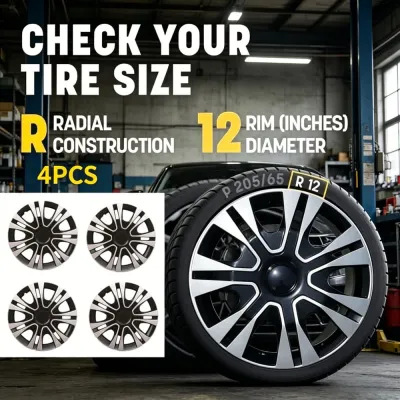
16 Lazada user ratings
Hirap na talaga ang buhay ngayon. Dati tuwing naggogrocery ako yung 500 pesos ko meron na kong sampung kilong bigas, isang kilong asukal, da…Read full reviewShow less
Hirap na talaga ang buhay ngayon. Dati tuwing naggogrocery ako yung 500 pesos ko meron na kong sampung kilong bigas, isang kilong asukal, dalawang lata ng gatas at chocolate drink tapos may kape pa. May kasama pang tig aapat na lata ng corned beef, beef loaf at sardinas tsaka may pahabol pang isang kilo na spaghetti pasta at may kasama pang sauce. Ngayon hindi na pwede. Dami nang CCTV.🤣🤣🤣
nice. with few little scratches.
I want to return my item
nice and very useful
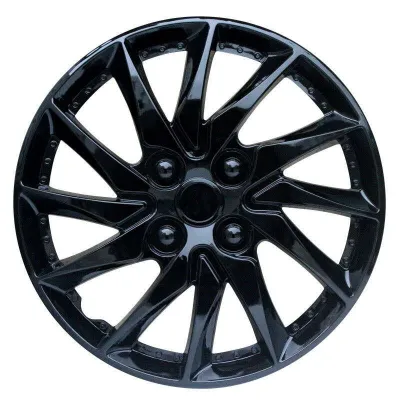
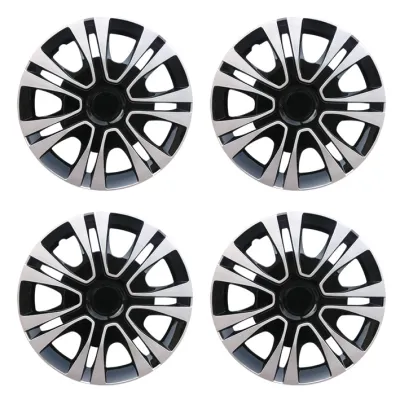
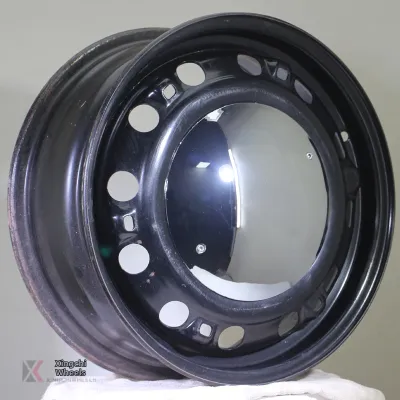
3 Lazada user ratings
🛠️Durability:good and quality 🎨Design:nice
akala ko 4pcs isang peraso lng pla to
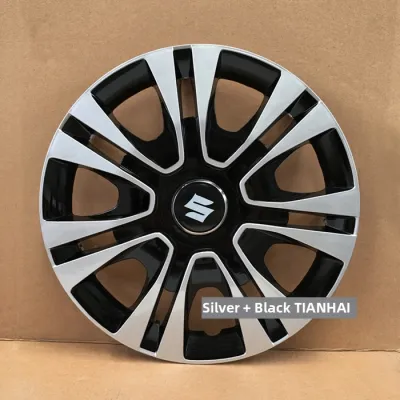
40 Lazada user ratings
nice na install na fit na fit ciasa suzuki ertiga 2017 tnks saler.
i order 15 inch but arrived 16inch hayyyysssss seller
Easy to install,
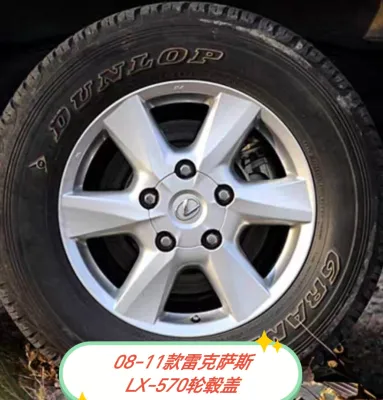
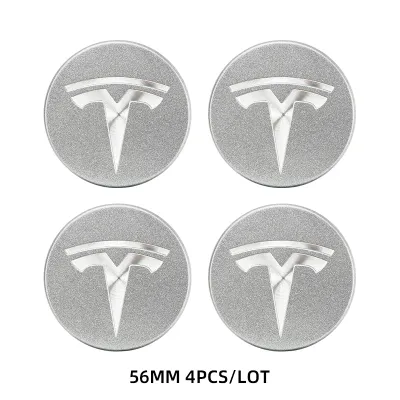
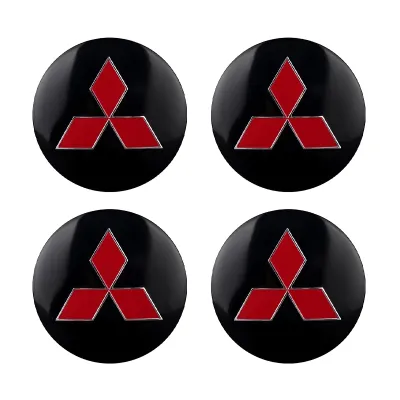
413 Lazada user ratings
Great value for money, highly recommended!, Easy to install, love the rim stickers!, Excellent product, exceeded my expectations!, Great des…Read full reviewShow less
Great value for money, highly recommended!, Easy to install, love the rim stickers!, Excellent product, exceeded my expectations!, Great design, adds a stylish touch!, Perfect fit for my Mitsubishi car!,
Great design, adds a stylish touch!, Perfect fit for my Mitsubishi car!, Easy to install, love the rim stickers!, High-quality materials use…Read full reviewShow less
Great design, adds a stylish touch!, Perfect fit for my Mitsubishi car!, Easy to install, love the rim stickers!, High-quality materials used, very durable!,
High-quality materials used, very durable!, Excellent product, exceeded my expectations!, Great value for money, highly recommended!,
Great value for money, highly recommended!, Excellent product, exceeded my expectations!, Performance:maganda dikit at quality
Easy to install, love the rim stickers!, High-quality materials used, very durable!,
Prices are valid at publication and may change. Please refer to the product page for the latest price.
Second, prepare cleaning supplies to clear away years of accumulated road grime. In tropical climates, wheels are exposed to a constant cycle of wet and dry conditions, leading to a buildup of stubborn brake dust, rust, and road mud. A stiff wire brush, a clean microfiber rag, and a dedicated automotive degreaser or brake cleaner are necessary to expose the bare metal surface of the hub lip before you take any measurements. Always use these chemical cleaners according to their product label instructions to avoid damaging your wheel’s finish.
Finally, if you need to remove the wheel to gain unobstructed access to the rear of the center bore, prioritize safety. You will need a reliable hydraulic jack, heavy-duty jack stands rated for your vehicle’s weight, and wheel chocks to secure the opposite end of the car. Never work on a vehicle supported only by a temporary emergency jack.
Step-by-Step Guide to Measuring the Hub Diameter
Achieving a perfect fit for your wheel hub cap cover requires a systematic approach to measuring. Follow these steps carefully to obtain the exact dimensions of your wheel’s center opening.

First, establish safe access to the wheel hub. While some open-spoke alloy wheels allow you to slide caliper jaws through to the center bore while the wheel is mounted, removing the wheel entirely is the safest and most reliable method. Park your vehicle on a flat, level concrete surface, engage the parking brake, and place wheel chocks behind the tires remaining on the ground. Use your jack to lift the vehicle, secure it safely on jack stands, and remove the lug nuts to slide the wheel off. Lay the wheel flat on a soft surface, such as a cardboard box or a rubber mat, to prevent scratching the face of the rim.
Next, thoroughly clean the measurement area. Spray your automotive degreaser or brake cleaner onto the center bore and the outer retention lip. Use the wire brush to scrub away any crusty rust deposits, baked-on brake dust, or leftover adhesive from old caps. Wipe the area clean with your microfiber rag. The caliper jaws must contact the actual metal of the wheel, not a layer of debris, as even a thin layer of corrosion can throw off your reading by half a millimeter.
Now, take the inner center bore measurement. Insert the upper, smaller jaws of your calipers into the innermost circular opening of the wheel. Expand the jaws until they make firm, flat contact with the inner walls of the bore. Ensure the calipers are perfectly perpendicular to the opening and aligned across the absolute widest part of the circle. Note this reading.
Afterward, measure the outer retention lip diameter. This is the recessed groove or step where the tension clips of the wheel hub cap cover actually grip the wheel. Position the caliper jaws across this outer lip, ensuring they sit flat in the groove. This measurement is often slightly larger than the inner center bore and is critical because it dictates the outer diameter of the cap’s mounting clips.
Finally, record your measurements exactly as they appear on your calipers. Do not round up or down to the nearest whole number. If your caliper reads 56.1 millimeters, write down exactly 56.1 millimeters. Most manufacturers specify hub cap dimensions to the tenth of a millimeter, and rounding can lead to purchasing an incompatible cover.
Understanding Hub Cap Sizing and Fitment Types
To choose the correct wheel hub cap cover, you must understand how your physical measurements correspond to the dimensions listed by manufacturers. Hub caps are not universal, and their sizing is determined by a combination of diameter measurements and retention mechanisms.
The most common point of confusion is the difference between the inner center bore diameter and the outer mounting lip diameter. The inner center bore is the hole in the center of the wheel that fits over the vehicle’s hub spindle. The outer mounting lip is the slightly wider, recessed channel just outside the bore. When shopping for a clip-on cap, the product listing will often specify two dimensions: the “outer diameter” (the face of the cap that you see) and the “clip diameter” or “inner diameter” (the measurement of the clips that snap into the wheel’s retention lip). Your physical measurement of the outer retention lip must match the clip diameter of the cap.
Retention styles also play a major role in how a cap fits. Clip-on caps are the most common style for alloy wheels; they rely on flexible plastic or metal clips backed by a steel tension ring that expands into the wheel’s inner groove. Bolt-on caps, often found on larger truck wheels or multi-piece aftermarket rims, are secured with small hex screws directly into threaded holes on the wheel face. Screw-on caps thread directly onto the external threads of specialized lug nuts.
A slight variance in measurement or ignoring the specific retention style can have frustrating consequences. If the clip diameter of the cap is even half a millimeter too large, the plastic clips will bend or snap when you try to force the cap into the wheel. Conversely, if the clip diameter is too small, the cap will not seat tightly. The vibration from driving over uneven roads, combined with the centrifugal force of the spinning wheel, will quickly cause a loose cap to wobble, rattle, and eventually fly off.
How to Verify Compatibility Before Purchasing
Once you have recorded your measurements, you must cross-reference them with product listings and vehicle specifications to ensure a successful purchase. This verification step prevents the hassle of returning ill-fitting parts.
Start by checking your vehicle’s documentation. While the owner’s manual may not always list the exact hub cap dimensions, it will specify your factory wheel size and center bore diameter. If you are replacing original equipment manufacturer (OEM) caps, look at the back of one of your remaining caps. Manufacturers almost always stamp the OEM part number, and sometimes the exact millimeter dimensions, directly onto the plastic backing. Searching for this specific part number on an online marketplace is the most reliable way to find an exact match.
When browsing product listings for a new wheel hub cap cover, read the dimension diagrams carefully. Reliable sellers will provide a detailed diagram showing the total outer diameter, the clip-on outer diameter, and the clip length. Ensure you are comparing your physical measurements to the correct points on the diagram. Never buy a cap based solely on a generic description like “fits most 15-inch wheels,” as wheels of the same diameter can have vastly different center bore sizes.
Additionally, verify that the retention clip layout matches your wheel’s design. Some caps feature deep clips designed for thick alloy wheels, while others have shallow clips meant for thin steel wheels. If your wheels have exposed lug nuts, ensure the cap’s shape does not interfere with the lug seats or the spoke pattern of your rims.
Common Measuring Mistakes and How to Avoid Them
Even with the right tools, it is easy to make simple errors that result in ordering the wrong wheel hub cap cover. Being aware of these common pitfalls will help you avoid them during your DIY process.
One frequent mistake is measuring the wrong part of the wheel. Some drivers mistakenly measure the outer edge of the entire rim or the tire sidewall, thinking that the hub cap size is directly tied to the overall wheel size. Remember that a 17-inch wheel and a 15-inch wheel can share the exact same 56.1-millimeter center bore. Always focus your measurements strictly on the small metal opening at the very center of the wheel.
Another error is ignoring built-up debris or broken remnants of old caps. When a plastic hub cap breaks, the clips can snap off and remain wedged inside the retention groove of the wheel. If you measure over these broken plastic fragments or a thick layer of rust, your caliper reading will be smaller than the actual bore size. Always use your wire brush and degreaser to clean the area down to the bare metal before measuring.
Finally, never assume that all four wheels on your vehicle are identical. If you bought your vehicle secondhand, a previous owner might have replaced one of the wheels with an aftermarket replica or a wheel from a slightly different model year that looks identical but has a different center bore. Additionally, your spare tire may feature a steel wheel with a completely different hub configuration than your active alloy wheels. Take the time to measure at least one front wheel and one rear wheel to confirm they are identical before ordering a full set of caps.
When to Stop and Consult a Professional
While measuring a wheel hub is generally a straightforward DIY task, certain situations require the expertise of a professional tire shop or wheel specialist. Recognizing these boundaries is crucial for your safety and the integrity of your vehicle.
If you encounter heavy corrosion, deep pitting, or physical damage to the hub lip, a standard cap may not fit securely. A bent or warped center bore lip can prevent a new cap from seating flush, allowing moisture to seep in and accelerate rust on your wheel bearings. A professional technician can inspect the wheel for structural integrity and determine if the hub face needs to be resurfaced or if the wheel itself requires replacement.
Aftermarket alloy wheels can also present unique challenges. Many aftermarket manufacturers use non-standard center bore sizes or rely on hub-centric rings to adapt the wheel to various vehicle models. If your aftermarket wheels lack a clear retention lip or feature an unusual thread pattern for bolt-on caps, finding a compatible cover can be difficult. A wheel specialist can help you identify the specific brand and model of your aftermarket rims to source the correct proprietary caps.
Lastly, always ensure that installing a new wheel hub cap cover does not interfere with critical safety components. The cap must not press against or obstruct the brake caliper clearance, ABS wheel speed sensors, or tire pressure monitoring system (TPMS) valves. If you are unsure whether a cap’s mounting clips or bolts will contact these internal components, consult a professional installer to verify clearance before driving.
Frequently Asked Questions (FAQ)
Can I measure the hub cap size without taking the wheel off?
Yes, you can measure the hub cap size while the wheel is still mounted on the vehicle, provided your wheel design has open spokes that allow clear, straight-line access to the center bore. However, this method carries a higher risk of parallax error or misalignment because you cannot easily position the calipers perfectly flat against the inner retention lip. If you cannot get a clean, unobstructed view or if your wheels have a deep dish design, it is highly recommended to remove the wheel to ensure an accurate measurement.
What is the difference between a hub cap and a wheel cover?
A hub cap is a small cover designed to protect and conceal only the center hub, spindle nut, and sometimes the lug nuts of a wheel. It typically measures between 2 to 8 inches in diameter. In contrast, a wheel cover is a larger plastic or metal disc designed to cover the entire face of a steel wheel, usually matching the full diameter of the rim (such as 14, 15, or 16 inches). Knowing this distinction ensures you search for the correct product type on online marketplaces.
Do I need to measure in inches or millimeters?
You should always measure and record your wheel hub dimensions in millimeters. Millimeters are the universal standard used by vehicle manufacturers and aftermarket wheel brands for center bore and clip-on diameters because they allow for the extreme precision required for a secure fit. While overall wheel sizes (like 15-inch or 17-inch rims) are expressed in inches, the actual hub cap mounting dimensions are almost always specified in millimeters.

Community discussion
Share your experience or ask a question. Comments are reviewed before publication.