
Performing a routine oil change is one of the most effective ways to maintain your vehicle’s engine health, but introducing a high-viscosity additive like STP oil treatment requires careful preparation to avoid overfilling the crankcase. Overfilling can lead to oil aeration, foaming, and increased pressure that damages critical engine seals. To properly mix STP oil treatment with your engine oil without exceeding your engine’s capacity, you must calculate the exact volume of the additive, subtract it from your vehicle’s total oil capacity, and reduce the amount of fresh motor oil you pour in by that precise amount.
How do you determine the correct mixing ratio for STP oil treatment?
To determine the correct mixing ratio for STP oil treatment, you must cross-reference the recommended dosage instructions on the specific product bottle with the total engine oil capacity listed in your vehicle’s owner’s manual. Most standard formulations are designed to treat a specific volume of motor oil, and maintaining this proportion is crucial for achieving the intended viscosity and protection benefits.
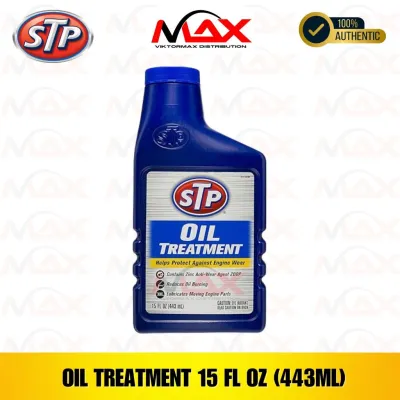
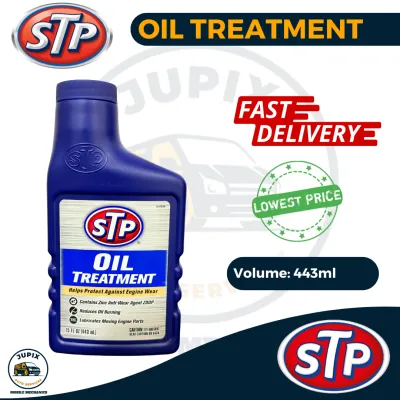
Start by locating the instructions on the back of the STP oil treatment bottle. The manufacturer typically specifies the volume of engine oil the bottle is designed to treat. For example, a standard 15-fluid-ounce bottle is commonly formulated to treat 4 to 5 quarts of motor oil, which translates to a mixing ratio of approximately 10% to 12% of the total oil volume.
Products mentioned in this guide
6 Lazada user ratings
💰Price:affordable 🔌Compatibility:not yet tested ⚙️Performance:hopingbfor QC
36 Lazada user ratings
Reduces engine wear effectively, Ideal for preventive maintenance,
Amber color for easy identification, Improves lubrication,
Absolutely original. Great! 👍👍👍👍👍
Enhances engine performance,
I love this bra!
5 Lazada user ratings
Quickly delivered
17 Lazada user ratings
kakagamit ko lang s bajaj ko, will monitor performance. malapot yung substance, dpt nga mainit makina pag nilagay para malusaw agad. tinants…Read full reviewShow less
kakagamit ko lang s bajaj ko, will monitor performance. malapot yung substance, dpt nga mainit makina pag nilagay para malusaw agad. tinantsa q lng din at 1L lng nmn langis bajaj. will follow up review s magiging epekto s bajaj ko. sana gumanda takbo
ang bilis ng delivery and maganda ang pagkakabalot. legit din ang item and kaya alam kong maganda ang result.
The parcel was delivered on schedule and was properly packed. I use this every change oil for my cars
Long-lasting engine protection,
ayos na malupet
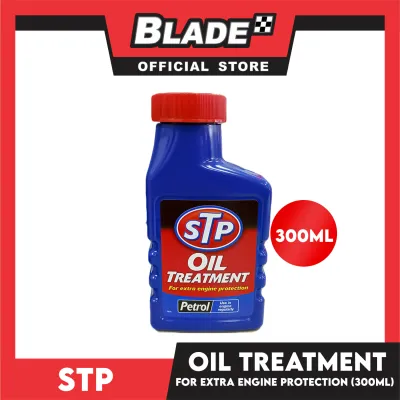
20 Lazada user ratings
Enhances engine performance, Protects engine from wear, Saves money by reducing oil consumption, Great product for maintaining engine health…Read full reviewShow less
Enhances engine performance, Protects engine from wear, Saves money by reducing oil consumption, Great product for maintaining engine health, Reduces friction for smoother performance, Highly recommended for all car owners, Easy to use and apply, Increases fuel efficiency,
Great product for maintaining engine health, Reduces friction for smoother performance, Enhances engine performance,
Enhances engine performance, Great product for maintaining engine health, Protects engine from wear,
Excellent product been using for 2 decades for my old engine.. recommended for old engine
Fast delivery and well packaged.
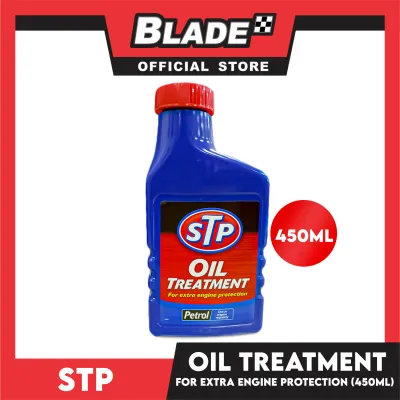
16 Lazada user ratings
Quality:Legit Appearance:Very Good Performance:Very Good 👍 👌 Thank Blade for the fastest shipping and delivery. Until next time.
Thankyou for genuine products and fast delivery partner
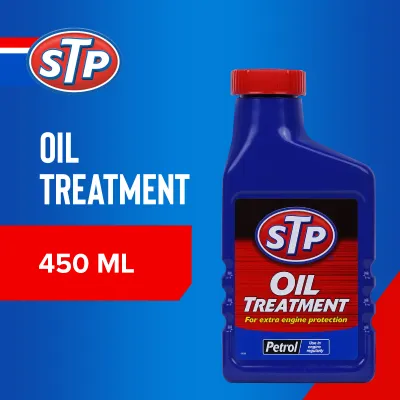
Prices are valid at publication and may change. Please refer to the product page for the latest price.
Next, consult your vehicle’s owner’s manual to find the exact engine oil capacity, making sure to look for the capacity “with filter replacement.” Engine oil capacities vary widely depending on the engine size, cylinder configuration, and model year. Relying on generic assumptions about your engine’s capacity can lead to significant calculation errors.
It is also important to recognize that mixing ratios can vary based on the specific STP product formulation you choose. Standard oil treatments, high-mileage formulas, and synthetic-specific additives have different chemical compositions and viscosities. Always verify the instructions on your specific bottle, as a high-mileage engine may require a slightly different concentration compared to a standard passenger vehicle engine.
How do you calculate the right amount of regular oil to displace?
You can calculate the right amount of regular motor oil to displace by subtracting the exact volume of the STP oil treatment bottle from your engine’s total oil capacity. This simple mathematical adjustment ensures that the combined volume of the fresh oil and the additive matches the manufacturer’s specified capacity exactly.

To plan your pour, apply a straightforward calculation framework using variables. Let the total engine oil capacity specified in your manual be the Total Capacity, and the volume of the additive bottle be the Treatment Volume. The formula is: Total Capacity minus Treatment Volume equals the Required Fresh Oil Volume. For instance, if your engine requires 5.0 quarts of oil and you are adding a 15-ounce (0.47-quart) bottle of treatment, you will need to pour exactly 4.53 quarts of fresh motor oil.
When performing this calculation, you must also account for residual oil that remains trapped inside the engine block, oil cooler lines, and cylinder head passages after draining. Even after a thorough drain, up to a few hundred milliliters of old oil can remain. To prevent overfilling due to this residual fluid, it is highly recommended to initially pour slightly less fresh oil than your calculated volume, leaving room to adjust after checking the level.
Be extremely careful with unit conversions during this calculation. Vehicle manuals may list oil capacities in quarts, liters, or imperial gallons, while additive bottles are often labeled in fluid ounces or milliliters. Convert all measurements to a single consistent unit before performing the subtraction to avoid mathematical errors that could lead to underfilling or overfilling.
When and how should you pour the additive during the oil change process?
You should pour the STP oil treatment into the engine’s oil filler port after you have drained the old oil, replaced the oil filter, and added the majority of your calculated fresh engine oil. This specific sequence ensures that the highly viscous additive mixes thoroughly with the lighter base oil as it flows down into the oil pan.
Begin by completing the standard oil change preparation steps. Drain the old engine oil completely into a suitable container, replace the oil filter with a new one, and securely tighten the oil pan drain plug to the manufacturer’s specified torque. Do not introduce any new fluids until the physical components of the oil change are fully secured.
Once the engine is sealed, pour approximately 70% to 80% of your calculated fresh engine oil into the oil filler neck. Establishing this base layer of fresh oil in the oil pan is critical because STP oil treatment is exceptionally thick. Pouring the additive into an empty engine can cause it to coat dry internal components or pool slowly at the bottom of the pan, making it harder to mix evenly.
Next, place a clean, dry funnel into the oil filler neck and slowly pour the measured STP oil treatment into the engine. Because of its high viscosity, the treatment flows slowly; warming the bottle in a bucket of warm water prior to pouring can help it flow more easily. To ensure you retrieve all the active ingredients, you can pour a small amount of fresh engine oil into the empty STP bottle, shake it gently, and pour the remaining mixture into the funnel.
After adding the treatment, pour the remaining portion of your calculated fresh engine oil through the same funnel. This final pour helps flush any thick additive residue down from the filler neck and into the oil pan. Once all fluids are added, replace the oil cap, start the engine, and let it idle for three to five minutes without revving to allow the oil pump to circulate and thoroughly blend the fluids.
How can you verify the oil level and check for issues after mixing?
To verify the oil level, turn off the engine after idling, wait five to ten minutes for the fluid to settle back into the oil pan, and then check the dipstick. The combined level of the motor oil and the additive must rest safely between the minimum and maximum indicator marks on the dipstick.
Reading the dipstick correctly is the only reliable way to confirm you have achieved the correct fluid level. Pull the dipstick out of its tube, wipe it clean with a lint-free microfiber cloth, reinsert it fully until it clicks, and pull it out again. Examine the oil film relative to the crosshatched area, dots, or lines on the tip of the dipstick to ensure it is within the safe operating range.
If your reading indicates that the oil level is too high, you must take corrective action immediately to prevent engine damage. Operating an overfilled engine can cause the spinning crankshaft to whip the oil into a foam, which introduces air bubbles and severely reduces the oil’s ability to lubricate and cool critical components. To resolve this, you must safely drain the excess fluid by loosening the oil pan drain plug slightly or using a clean fluid extraction pump through the dipstick tube.
Conversely, if the dipstick reading is below the minimum mark, you will need to top up the system. Do not add more oil treatment; instead, gradually add small amounts of fresh base motor oil, checking the dipstick frequently until the level reaches the upper half of the safe zone. This ensures you maintain the correct chemical balance and viscosity without over-concentrating the additive.
Finally, perform a thorough visual and auditory inspection before driving. Look underneath the vehicle and around the oil filter for any signs of active leaks, and monitor the dashboard to ensure the oil pressure warning light remains off. Listen closely to the engine at idle; any unusual ticking, knocking, or whining noises should prompt you to shut down the engine immediately and verify the installation and fluid levels.
How do you verify if STP oil treatment is compatible with your engine and oil?
You can verify compatibility by checking the STP product label for explicit statements regarding its use with your specific oil type and by reviewing your vehicle owner’s manual for guidelines on aftermarket additives. While most modern oil treatments are formulated to mix safely with conventional, synthetic, and semi-synthetic motor oils, manufacturer specifications must always take precedence.
Carefully read the STP product packaging to confirm it is compatible with the viscosity grade and type of motor oil you are using. Some additives are universally compatible, while others are specifically engineered for conventional oils or high-mileage synthetic blends. Mixing incompatible fluids can alter the oil’s chemistry, potentially reducing its lubricating efficiency or causing premature breakdown.
Next, consult your vehicle’s owner’s manual to understand the manufacturer’s official stance on aftermarket oil additives. Many modern vehicle manufacturers design their engines to run exclusively on high-quality oils that already contain a carefully balanced additive package meeting specific industry standards (such as API or ACEA). In some cases, using unauthorized aftermarket additives can void your powertrain warranty if a lubrication-related engine failure occurs.
Additionally, identify specific operating conditions where oil additives should be avoided entirely. For example, you should never use oil treatments during the break-in period of a new or newly rebuilt engine, as the piston rings require standard lubrication characteristics to seat properly against the cylinder walls. Furthermore, additives should never be used as a substitute for mechanical repairs; if your engine is experiencing severe oil burning, physical leaks, or internal mechanical damage, consult a qualified professional rather than relying on chemical thickeners.
Community discussion
Share your experience or ask a question. Comments are reviewed before publication.