
When car doors begin to stick during hot afternoons or emit annoying squeaking sounds while driving over uneven roads, the culprit is often dry, neglected rubber weatherstripping. Over time, exposure to fluctuating temperatures, sunlight, and environmental debris strips the natural moisture from these rubber components, leading to friction and physical resistance. To resolve this issue and restore smooth operation, the correct approach is to clean the weatherstripping thoroughly and apply a high-quality silicone spray lubricant using a controlled applicator method. Directly spraying the product onto the vehicle can cause messy overspray on paint and glass, so learning the precise, step-by-step technique is essential for a clean and effective application.
Why do car rubber seals and weatherstripping need silicone treatment?
Car rubber seals and weatherstripping require regular silicone treatment to maintain their flexibility and prevent the physical friction that leads to sticking and noise. When rubber is left untreated, environmental exposure causes it to lose its natural plasticizers, resulting in a dry, faded appearance and a rough texture. This dryness manifests as doors that are difficult to pull open, especially after the vehicle has been parked in the sun, as well as persistent squeaking or rattling noises as the dry rubber rubs against the metal door frames during vehicle movement.
Applying a silicone-based lubricant serves as a conditioning barrier that reduces surface friction and keeps the rubber pliable. Silicone is highly resistant to temperature extremes and does not wash away easily, making it an ideal medium for maintaining the soft, compliant characteristics of automotive rubber. By filling in microscopic pores on the rubber surface, the treatment allows the door frame and the seal to glide smoothly against each other without binding.
Products mentioned in this guide
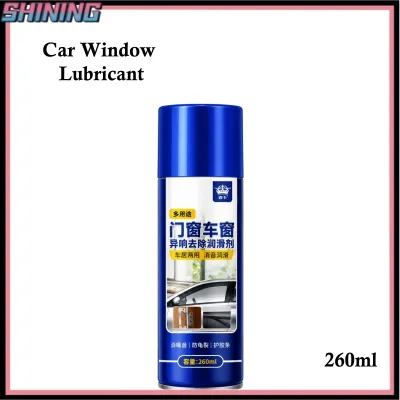
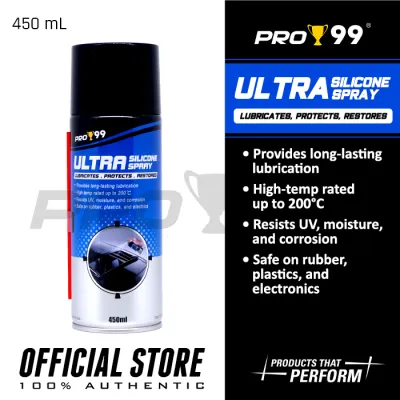
15 Lazada user ratings
🛠️Durability: yes it’s very durable 👌Ease of Use: yes it is very easy to use 🔨Durability: very durable 🔌Compatibility: yes compatible to our …Read full reviewShow less
🛠️Durability: yes it’s very durable 👌Ease of Use: yes it is very easy to use 🔨Durability: very durable 🔌Compatibility: yes compatible to our vehicle 🛢️Viscosity: hahajajsksk
Fast delivery. Well packed. Looks exactly as advertised. Gagamitin pa lang. Pag hindi ko inupdate review, it means ayus!
Really works na mag part na kinakalawang, pwedeng substitute sa wd40, also hindi cya nag momoist rin
thanks seller LAZADA and kuya rider 😁😁😁
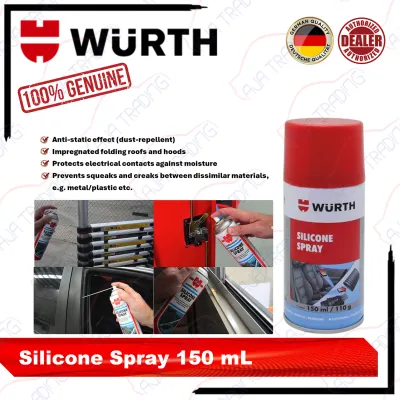
61 Lazada user ratings
Wurth Silicone Spray is a dependable product that works well for lubricating rubber, plastic, and metal parts. It goes on smoothly, doesn’t …Read full reviewShow less
Wurth Silicone Spray is a dependable product that works well for lubricating rubber, plastic, and metal parts. It goes on smoothly, doesn’t leave a sticky residue, and is effective at reducing squeaks and preventing rubber from drying or cracking. Great for car door seals, hinges, and home use. A must-have in any maintenance kit
Long-lasting protection, Easy to apply, Fast shipping, Amber color, High quality lubricant, Corrosion resistant, nagamit ko na itovdati
I do believe in this product. Many application uses. There is no dought i buy this great product. Thank you Seller at sa nag Deliver
Amber color, Warranty 7 days, Good packaging, Long-lasting protection, sobrang effective ng product na ito.
Effective cleaning, High quality lubricant, Fast delivery and in good condition. Nice! 👌 👍🏻
1,493 Lazada user ratings
Keeps rubber surfaces looking new., Perfect for wood, metal, and painted surfaces., Protects against rust and corrosion., Convenient size fo…Read full reviewShow less
Keeps rubber surfaces looking new., Perfect for wood, metal, and painted surfaces., Protects against rust and corrosion., Convenient size for easy application.,
Convenient size for easy application., Eliminates squeaks effectively., Quality formula for reliable performance., Eliminates squeaks effect…Read full reviewShow less
Convenient size for easy application., Eliminates squeaks effectively., Quality formula for reliable performance., Eliminates squeaks effectively.,
Keeps rubber surfaces looking new., Recommended for improving the color of plastics., Protects against rust and corrosion.,
Convenient size for easy application., Eliminates squeaks effectively., Versatile spray for various surfaces.,
Effective sa pagbawas ng ingay from panoramic sunroof for my MG ZS alpha 😁 Recommending to my friends
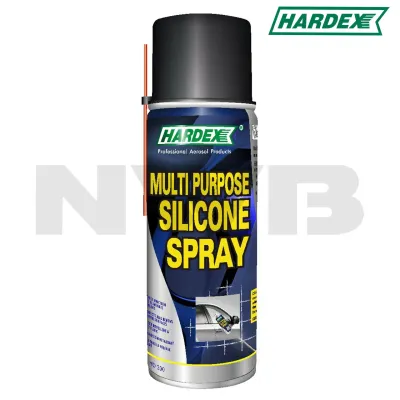
340 Lazada user ratings
Silicone spray works great!, Effective against rust and corrosion., Heat stable and water repellent., Perfect for lubricating mechanical mec…Read full reviewShow less
Silicone spray works great!, Effective against rust and corrosion., Heat stable and water repellent., Perfect for lubricating mechanical mechanisms., Leaves rubber surfaces smooth and shiny., Perfect for lubricating mechanical mechanisms., Prevents binding, sticking, and corrosion., Highly recommended for maintaining and protecting surfaces., Eliminates squeaks effortlessly., Highly recommended for maintaining and protecting surfaces., Prevents binding, sticking, and corrosion.,
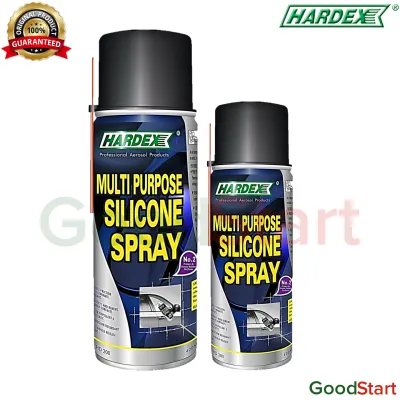
So far so good when I tested this Hardex multi purpose silicone lubricant. The item arrived safe and secured because of the great packaging.…Read full reviewShow less
So far so good when I tested this Hardex multi purpose silicone lubricant. The item arrived safe and secured because of the great packaging. The delivery was very fast too. Thank you Seller and Lazada for a great deserving job.
400 ml inorder ko ang liit ng dumating ayusin nyo mga pinadadala nyo na order.. Wag kau umorder Dito!!! Ung dumating 200ml..
Eliminates squeaks effortlessly., Perfect for lubricating mechanical mechanisms., Heat stable and water repellent.,
Heat stable and water repellent., Silicone spray works great!, Good Quality Highly recommended Seller and Product!
60 Lazada user ratings
🛠️Durability:good 👌Ease of Use:good 🛢️Viscosity:good 🔌Compatibility:good Improves surface shine, Protects rubber parts, the order was delivere…Read full reviewShow less
🛠️Durability:good 👌Ease of Use:good 🛢️Viscosity:good 🔌Compatibility:good Improves surface shine, Protects rubber parts, the order was delivered
👌Ease of Use:Easy to apply, Protects against cracking,
Improves surface shine, Long-lasting protection,
Smoothes surfaces,
Prices are valid at publication and may change. Please refer to the product page for the latest price.
It is important to note that while silicone treatment is excellent for routine maintenance and conditioning, it cannot restore rubber that has already suffered structural failure. If your weatherstripping is dry and squeaking, a proper application can alleviate these symptoms, but it will not reverse severe dry rot, repair deep tears, or make degraded rubber perform like new. Understanding this distinction helps you set realistic expectations for your vehicle maintenance routine.
What must you verify on the silicone spray label before use?
Before applying any product to your vehicle, you must read the manufacturer’s label carefully to verify that the formula is specifically designed and safe for automotive rubber and weatherstripping. Not all silicone sprays are created equal; some multi-purpose lubricants contain petroleum distillates or chemical solvents that can actively degrade, swell, or dissolve rubber over time. Ensuring the label explicitly states compatibility with automotive rubber is the first and most critical safety check.

In addition to rubber compatibility, you must check the label for specific warnings regarding surrounding materials such as automotive paint, clear coats, glass, plastics, and interior fabrics. Some silicone formulas leave stubborn, hazy residues on glass that are difficult to remove, or they may discolor certain types of plastics and interior trim. Knowing these limitations beforehand allows you to take the necessary protective measures for your specific vehicle model.
Finally, the product packaging will outline the necessary personal safety precautions and environmental conditions required for application. Look for instructions regarding proper ventilation, as inhaling aerosolized silicone mist can be harmful to your respiratory system. The label will also specify if protective gloves or eyewear are recommended, and whether the product should only be applied within a certain temperature range to ensure proper bonding and drying.
How should you clean and prepare the weatherstripping before application?
To prepare your vehicle’s weatherstripping for silicone treatment, you must first remove all accumulated dirt, dust, and road grime from the rubber surfaces. Applying silicone directly over dirty rubber will trap abrasive particles against the seal, reducing the effectiveness of the lubricant and potentially causing premature wear. Begin by taking a clean, dry microfiber cloth and wiping down the entire length of the seals to lift away loose debris and surface dust.
For stubborn grime, tree sap, or leftover wax residues that do not come off with a dry wipe, use a mixture of mild soap and warm water to clean the seals. Gently scrub the rubber with a damp microfiber cloth, paying close attention to the deep channels, folds, and the underside of the weatherstripping where dirt tends to collect. Avoid using harsh household detergents, degreasers, or solvent-based cleaners, as these chemicals can strip the rubber of its protective oils and accelerate drying.
Once the cleaning is complete, rinse the seals with clean water and ensure they are completely dry before applying the silicone spray. Trapping moisture beneath a layer of silicone can lead to mold growth or cause the lubricant to fail to adhere properly to the rubber pores. Use a dry microfiber towel to wipe down the channels and folds, then leave the doors or trunk open for a short period to allow any remaining moisture to evaporate fully.
While cleaning, take the opportunity to perform a thorough visual inspection of the weatherstripping. Look closely for any signs of physical damage, such as deep cracks, tears, missing chunks, or areas where the adhesive has failed and the seal is pulling away from the metal frame. Identifying these issues during the preparation phase ensures you do not waste product on seals that are already structurally compromised and require replacement.
What is the correct step-by-step technique for applying the spray?
The correct technique for applying silicone spray to car rubber seals relies on controlled, indirect application to ensure even coverage without creating a mess. Start by shaking the aerosol can thoroughly for the duration recommended by the manufacturer to ensure the active silicone and propellants are fully mixed. Instead of spraying the product directly onto the vehicle’s doors or body panels, spray a moderate amount of the lubricant onto a clean microfiber cloth or a dedicated foam applicator pad.
Using the saturated cloth or applicator, wipe the silicone evenly onto the rubber seals, working in manageable sections. Gently press the applicator into the deep channels, folds, and contact points of the weatherstripping, ensuring that every surface that comes into contact with the door frame is lightly coated. This indirect method gives you complete control over where the product goes, preventing the fine mist from drifting onto areas where it does not belong.
After applying the silicone to a section, use a clean, dry portion of the microfiber cloth to buff away any excess product. The goal is to leave a thin, uniform, satin-like film on the rubber rather than a thick, wet layer that can attract dust and road debris. If the rubber appears exceptionally dry and absorbs the first coat immediately, you can apply a second light coat using the same applicator method.
Once all the seals have been treated, allow the product to absorb and dry completely according to the specific timeframes recommended on the product label. Keep the vehicle doors, hood, or trunk open during this drying period to prevent the wet silicone from transferring prematurely to the painted door jambs or glass. Only close the doors once the surface of the rubber feels dry to the touch and is no longer tacky.
How do you prevent silicone overspray from damaging car paint or glass?
Preventing silicone overspray is crucial because the fine mist can create slick, stubborn spots on your car’s paint and leave a hazy, safety-compromising film on your windows and windshield. The most effective preventive measure is to avoid spraying the product directly from the can onto the vehicle. However, if you must spray near sensitive areas, use physical barriers such as masking tape, cardboard shields, or thick towels to cover adjacent painted panels, glass, and interior upholstery.
If accidental overspray does occur, you must act quickly to wipe it off before it has a chance to dry or bond to the surface. Keep a clean, dry microfiber cloth immediately on hand during the application process. If you notice spots on your paint or glass, wipe them away firmly with the cloth; for stubborn silicone residue on glass, a dedicated automotive glass cleaner may be required to restore complete clarity and prevent wiper blade skipping.
Additionally, always choose your working environment carefully before beginning the application. Avoid applying silicone spray in windy outdoor conditions, as even a gentle breeze can carry the aerosolized mist onto your vehicle’s windshield, side mirrors, or freshly washed paintwork. Working in a well-ventilated, draft-free garage or a sheltered area ensures the spray remains concentrated only on your applicator cloth or the targeted work zone.
When should you stop the DIY application and seek professional help?
You should stop the DIY application and seek professional assistance if you observe severe physical damage to the weatherstripping that a topical silicone spray cannot resolve. If the rubber seals exhibit deep cracks that penetrate through the material, large tears, missing chunks, or if the weatherstripping has become completely detached from the door frame, the seal’s structural integrity is compromised. In these cases, applying silicone will not restore the seal, and the weatherstripping must be replaced.
Furthermore, if you are experiencing active water leaks inside the cabin, persistent wind noise at highway speeds, or if the door fails to close and latch properly, these are signs of structural seal failure or door misalignment. A topical lubricant cannot correct these mechanical and physical issues. You should consult a qualified mechanic or a professional automotive detailer to diagnose the root cause and perform a proper replacement of the weatherstripping to protect your vehicle’s interior.
Community discussion
Share your experience or ask a question. Comments are reviewed before publication.