
To properly clean and maintain your car’s mag wheels, you must use a systematic approach that removes abrasive brake dust and road grime without damaging the underlying finish. In the tropical climate of the Philippines, where high humidity, sudden downpours, and coastal salt air are common, wheels are constantly exposed to harsh environmental factors. Neglecting your alloy wheels can lead to permanent etching, unsightly corrosion, and a dull appearance. By establishing a regular cleaning routine using pH-neutral products and soft tools, you can preserve the structural integrity and brilliant shine of your wheels for years to come.
Mag wheels, commonly referred to as alloy wheels, are a significant investment that defines the aesthetic appeal of your vehicle. Unlike standard steel wheels with plastic hubcaps, alloy wheels are made from aluminum or magnesium blends that are lighter and dissipate heat more efficiently. However, this metallic composition makes them highly susceptible to chemical reactions and physical abrasion. Understanding how to care for them properly ensures they remain a striking feature of your vehicle rather than a source of unsightly corrosion.
Identifying Your Mag Wheel Finish and Cleaning Needs
Before applying any cleaning solution or scrubbing tool to your wheels, you must accurately identify the specific surface treatment of your alloy wheels. Different finishes require vastly different care methods, and using the wrong chemical on a sensitive surface can cause immediate, irreversible damage.
Products mentioned in this guide
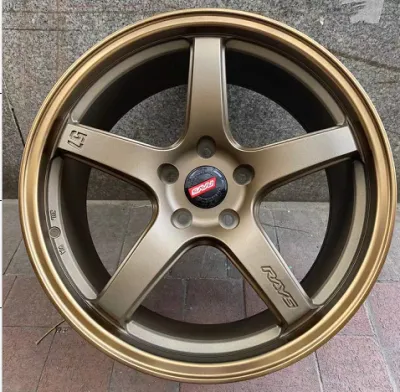
![[Must Order 4 Units]Performance Alloy Wheels 15–18” | Multiple PCD | Civic Camry Altis Hilux Ranger](https://img.lazcdn.com/g/p/508c48a4537f6a40268b302e28c6f4e0.jpg_400x400q80.jpg_.webp)
2 Lazada user ratings
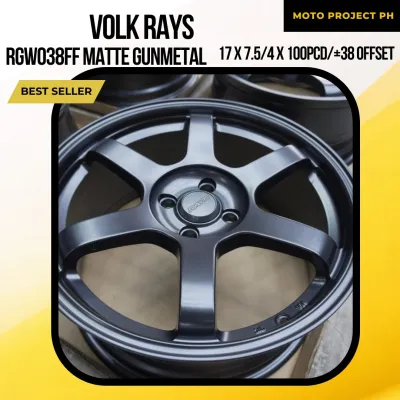
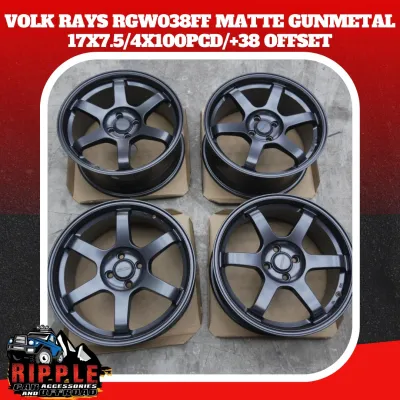
Rays engineering makes it good, elegant and glossy and sporty look. Hopefully it's durable to sustain even on off-road and rugged terrain.
🎨Design:I like the design it's elegant and sporty look with the glossy finish can really eye catching. Thanks for RAYS Wheels original..
11 Lazada user ratings
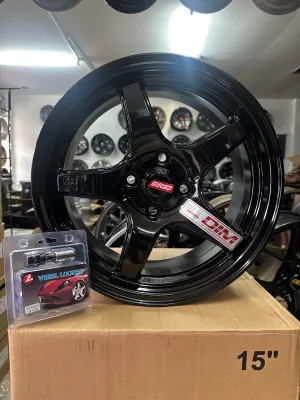
Highly Recommend Seller.. Very Responsive.. Also the packing is secure naka double insulation yung box .. thanks seller.Enhance your car's p…Read full reviewShow less
Highly Recommend Seller.. Very Responsive.. Also the packing is secure naka double insulation yung box .. thanks seller.Enhance your car's performance with these wheels.
Enhance your car's performance with these wheels, Excellent customer service from the seller, Easy installation and perfect fit,
Ok naman may scratch kunti, oks lang pero di pa nakabit size ng gulong ko 14 lang hayysss sana makabot to..
Excellent customer service from the seller, Enhance your car's performance with these wheels,
Quality:10 Appearance:10 Performance:10 thanks po... mas gwapo na po Mirage ko... 🥰
1 Lazada user ratings
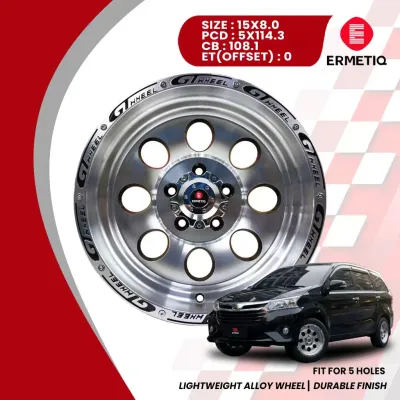
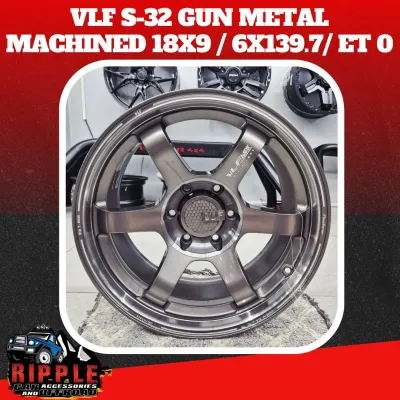
Quality:ok naman arrived good condition
Prices are valid at publication and may change. Please refer to the product page for the latest price.
Most modern vehicles come equipped with clear-coated alloy wheels. This finish features a protective layer of clear paint applied over the polished or painted aluminum, functioning similarly to your car’s body paint. Clear-coated wheels are relatively durable and can handle standard wheel cleaners, but they will scratch if subjected to abrasive tools.
Painted finishes are also highly common, featuring solid colors like silver, gunmetal, or satin black. These are typically sealed with a clear coat as well, but they require gentle handling to prevent the paint from chipping or swirling.
Polished or bare alloy wheels have no protective clear coat or paint layer. They offer a highly reflective, raw metallic look but are extremely sensitive. Acidic or highly alkaline cleaners will instantly dull, stain, or etch bare aluminum, leaving white cloudy spots that require professional polishing to remove.
Chrome wheels feature a distinct, mirror-like plating that is highly reflective but prone to pitting and flaking if neglected. Chrome requires specialized chrome-safe cleaners to prevent chemical tarnishing.
To determine your wheel type, consult your vehicle owner’s manual or the documentation provided by the aftermarket wheel manufacturer. You can also perform a simple visual check: if the metal has a slight texture and looks like it has a layer of clear gloss over it, it is likely clear-coated. If it looks like highly polished raw metal with no gloss layer, it is likely bare polished aluminum.
Additionally, inspect your wheels for existing damage before cleaning. Look closely for deep scratches, curb rash, peeling clear coat, or severe white powdery oxidation. If the protective clear coat is already peeling or cracked, water and cleaning chemicals can seep underneath the paint layer, accelerating corrosion and causing widespread delamination. In such cases, aggressive scrubbing or high-pressure water can worsen the damage, indicating that the wheels may require professional refinishing before you resume routine DIY cleaning.
Gathering Safe Tools and Compatible Cleaning Agents
Equipping yourself with the correct tools and chemicals is the most critical step in preventing accidental damage during the cleaning process. Using household detergents or abrasive scrubbing pads can strip protective coatings and leave deep scratches that ruin the wheel’s appearance.

When selecting a cleaning agent, prioritize pH-neutral formulas specifically labeled for alloy wheels. These cleaners are chemically balanced to break down brake dust and road grime without attacking the clear coat, paint, or bare metal. Avoid acidic cleaners containing hydrofluoric or phosphoric acid, as well as highly alkaline industrial degreasers, unless they are explicitly approved by your wheel manufacturer for your specific finish. While acid-based cleaners can quickly dissolve stubborn brake dust, they can easily etch clear coats and ruin bare polished aluminum within seconds.
For tools, prepare a set of soft-bristled wheel brushes. Look for brushes made from natural boar’s hair or soft synthetic fibers designed specifically for automotive use. You will need a long-reach barrel brush to clean the deep inner barrel of the wheel behind the spokes, a soft face brush or microfiber wash mitt for the outer spokes, and a small detailing brush to clean the tight spaces around the lug nuts and valve stems. Avoid household scrubbing brushes, kitchen sponges, or brass-bristled brushes, as these are far too abrasive for automotive finishes.
It is highly recommended to use a dedicated wheel bucket that is completely separate from the bucket you use to wash your car’s body paint. Brake dust consists of tiny, highly abrasive metallic filings from the brake rotors mixed with carbon fibers from the brake pads. If you use the same bucket or wash mitt on both your wheels and your car’s body, you risk transferring these sharp metallic particles onto your paintwork, leading to severe swirl marks and scratches.
Before using any new cleaning product, always read the manufacturer’s label carefully to verify compatibility with your wheel finish. If you are uncertain about a product’s safety, perform a spot test by applying a small amount to an inconspicuous area, such as the inner barrel of the wheel, and rinsing it off to ensure it does not leave stains or discoloration.
Step-by-Step Routine for Washing Mag Wheels
Executing a systematic washing routine ensures that you safely lift and remove contaminants without scratching the surface or leaving behind chemical residues.
First, ensure that your wheels are completely cool to the touch before starting. Never wash your wheels immediately after driving. Spraying cold water onto hot brake rotors can cause them to warp, leading to steering wheel vibrations during braking. Furthermore, applying cleaning chemicals to a hot wheel will cause the solution to dry prematurely, leaving stubborn chemical stains, white spots, or etched patterns that are incredibly difficult to remove. Always park your vehicle in a shaded area out of direct sunlight to keep the surfaces cool and prolong the working time of your cleaning agents.
Begin the process with a thorough pre-rinse. Use a hose with a spray nozzle or a pressure washer at a safe distance to blast away loose mud, dirt, and surface brake dust. This initial rinse removes the largest and most abrasive particles, minimizing the risk of dragging them across the wheel surface during the scrubbing phase.
Next, spray your approved pH-neutral wheel cleaner generously over the entire wheel, including the face, spokes, inner barrel, and lug nut recesses. Allow the cleaner to dwell on the surface for the duration specified on the product label, which is typically between one and three minutes. This dwelling time allows the chemical agents to break the bond between the stubborn brake dust and the wheel surface. Do not allow the cleaner to dry completely on the wheel.
While the cleaner is active, begin agitating the dirt. Start with the inner barrel using your long-reach barrel brush, pushing it deep into the wheel to clean the areas behind the spokes where brake dust accumulates heavily. Next, use your soft face brush or a dedicated microfiber wash mitt to gently clean the spokes and the outer face of the wheel. Use light, circular motions rather than heavy pressure. Finally, use your small detailing brush to clean the lug nut holes, valve stem, and any intricate design crevices where dirt tends to hide.
Once you have thoroughly agitated the entire wheel, rinse it completely with a strong stream of clean water. Pay close attention to the lug nut recesses, brake calipers, and the back of the spokes, ensuring that absolutely no chemical residue or loosened grime remains.
Immediately after rinsing, dry the wheel thoroughly using a clean, dedicated microfiber towel or a forced-air blower. In the warm, tropical climate of the Philippines, water evaporates rapidly. Leaving the wheels to air-dry will result in unsightly water spots caused by mineral deposits in the local water supply. Drying the wheels manually ensures a clean, spot-free finish and prepares the surface for protective coatings.
Long-Term Maintenance and Surface Protection
Cleaning your mag wheels is only half the battle; protecting them is what keeps them looking pristine over the long term and simplifies your future cleaning routines.
To protect your wheels from the harsh tropical elements, apply a dedicated wheel sealant, high-quality synthetic wax, or a ceramic coating. These products are specifically formulated to withstand the high temperatures generated by your vehicle’s braking system. They create a slick, hydrophobic barrier over the clear coat or metal surface. This barrier prevents hot, metallic brake dust and road grime from bonding directly to the wheel, making future cleanups incredibly easy. Often, a protected wheel can be cleaned using only mild car wash soap and water, reducing the need for stronger chemical wheel cleaners.
Establish a regular cleaning frequency based on your driving habits and environmental conditions. In the Philippines, frequent stop-and-go traffic in urban areas generates a high volume of brake dust, while coastal drives expose wheels to corrosive salt air. Aim to clean your wheels at least once every one to two weeks, aligning this task with your regular car wash routine. Removing brake dust promptly is crucial because the metallic particles will oxidize and slowly etch into the clear coat or bare metal if left sitting for extended periods.
In addition to cleaning, perform periodic visual inspections of your wheels. Look for early signs of clear coat failure, such as cloudy patches or tiny bubbles, as well as curb rash or deep scratches. Catching these issues early allows you to take corrective action before moisture and road grime penetrate the protective layers, leading to widespread corrosion and structural degradation.
Common Cleaning Mistakes and When to Seek Professional Help
Avoiding common pitfalls is essential to preserving the beauty and structural integrity of your mag wheels. Many well-intentioned car owners accidentally ruin their wheels by using improper techniques or overly aggressive products.
One of the most common mistakes is using abrasive materials such as steel wool, household scouring pads, or stiff wire brushes. These tools are far too harsh and will instantly scratch clear coats, strip paint, and leave deep gouges in polished alloy. Similarly, avoid using aggressive household polishing compounds or abrasive kitchen cleaners, which can permanently dull the wheel’s finish.
Another critical error is mixing different chemical cleaners or leaving aggressive degreasers on the wheel surface longer than the manufacturer recommends. Mixing chemicals can cause unpredictable reactions that can permanently stain the metal or release harmful fumes. Always follow the instructions on the product label regarding dwell times and application methods.
Never wash your wheels with the same wash mitt or sponge that you use on your car’s body paint. The abrasive brake dust trapped in the mitt will act like sandpaper on your vehicle’s delicate clear coat, leaving behind severe swirl marks and scratches.
While routine cleaning and minor maintenance can easily be done at home, certain conditions require the expertise of a professional wheel repair specialist. If you encounter deep structural gouges from severe curb rash, bent rims from hitting potholes, or cracks in the metal, stop driving the vehicle and consult a professional immediately. These issues compromise the structural integrity of the wheel and pose serious safety risks. Additionally, if you notice widespread clear coat delamination, severe pitting, or deep corrosion that has penetrated the metal, professional refinishing is required to restore the wheels to a safe and visually appealing condition.
Frequently Asked Questions (FAQ)
Can I use regular car wash soap on my mag wheels?
Yes, mild car wash soap is an excellent and safe option for regular maintenance cleaning, especially if your wheels are already protected with a wheel sealant or ceramic coating. However, standard car soap is formulated to be gentle on body paint and may lack the specific chemical strength required to break down heavy, baked-on brake dust if the wheels have been neglected for several weeks. When using car wash soap, ensure it does not contain harsh degreasers or additives that could strip away your wheel’s protective wax or sealant layers.
How often should I clean my car's mag wheels?
You should ideally clean your car’s mag wheels every time you wash your vehicle, which is typically once every one to two weeks. If you frequently drive in heavy stop-and-go traffic, dusty provincial roads, or coastal areas in the Philippines, your wheels will accumulate brake dust and road grime much faster, requiring more frequent attention. Promptly removing brake dust prevents the hot metallic particles from permanently etching into the wheel’s clear coat or bare metal over time.

Community discussion
Share your experience or ask a question. Comments are reviewed before publication.