
Properly diluting and using concentrated windshield washer fluid is a straightforward but essential maintenance task that ensures clear visibility on the road. In tropical climates like the Philippines, where sudden afternoon downpours, high humidity, and dusty roads are common, a clean windshield is vital for safety. Concentrated washer fluids offer an economical and customizable solution, but they must be mixed correctly with distilled water according to the manufacturer’s instructions. Preparing the mixture in a separate container before pouring it into your vehicle’s reservoir prevents chemical imbalances and protects your car’s paint, rubber seals, and washer pump from damage.
Using the correct dilution ratio is key to maintaining your vehicle’s wiper system. While pre-mixed fluids are convenient, concentrates allow you to adjust the strength of the cleaning solution based on the current driving conditions. However, failing to dilute the concentrate properly can lead to costly repairs, such as clogged spray nozzles, damaged paintwork, or a burned-out washer pump motor. By following a few simple steps and using the right tools, you can ensure your windshield remains spotless and your wiper system functions flawlessly.
Tools and Materials Needed Before Mixing
Before you begin mixing your windshield washer solution, gathering the correct tools and materials is essential to ensure a clean, safe, and effective mixture. The most critical ingredient is the water you use for dilution. You should always use distilled or purified water rather than standard tap water. Tap water contains dissolved minerals such as calcium, magnesium, and iron. When exposed to the high temperatures under your vehicle’s hood, these minerals can precipitate out of the water, forming hard limescale deposits that gradually clog the tiny orifices of your spray nozzles and restrict fluid flow through the delivery lines.
Products mentioned in this guide
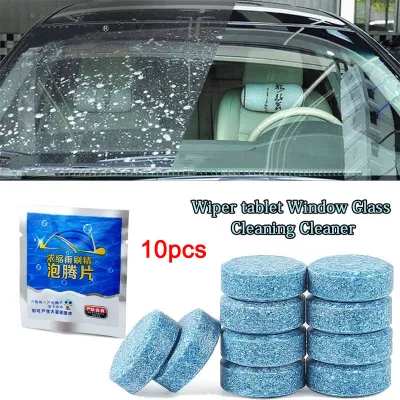
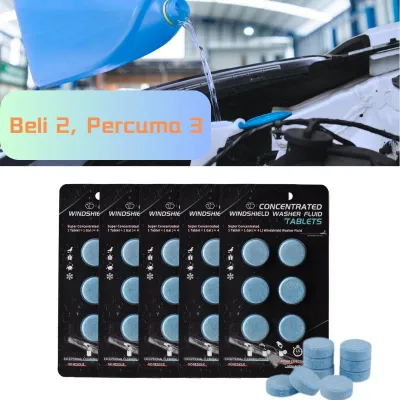




Prices are valid at publication and may change. Please refer to the product page for the latest price.
In addition to distilled water, you will need a few basic tools to make the mixing process clean and precise. A dedicated, clean mixing container is highly recommended; an empty, thoroughly rinsed 4-liter plastic water jug works perfectly for this purpose. You will also need a clean measuring cup to measure the exact amount of concentrate and water required, preventing any guesswork. A clean plastic funnel is another essential tool, as it helps you pour the finished mixture into your vehicle’s reservoir without spilling chemical agents onto your engine bay or painted body panels.
Finally, safety should always be a priority when handling automotive chemicals. While windshield washer concentrates are generally safe when diluted, the raw concentrate can contain strong surfactants, solvents, or alcohols that may cause skin irritation or eye discomfort upon direct contact. Wearing a pair of basic nitrile gloves and safety glasses during the mixing process is a smart precautionary measure. Always work in a well-ventilated area, such as an open garage or driveway, to avoid inhaling any concentrated chemical vapors.
How to Determine the Correct Dilution Ratio
Determining the correct dilution ratio requires careful reading of the manufacturer’s label on your specific bottle of concentrated washer fluid. Because chemical formulations vary widely between brands, there is no single universal mixing ratio that applies to every product. Some highly concentrated formulas may require only a few milliliters of fluid per liter of water, while others might call for a more substantial ratio, such as one part concentrate to ten parts water. Always locate the dilution chart on the back of the bottle to identify the recommended proportions for your specific cleaning needs.

In the Philippines, where freezing temperatures are not a concern, you do not need to worry about mixing the fluid to prevent freezing in winter conditions. Instead, your primary focus is on removing tropical road grime, oily film, bug splatter, tree sap, and bird droppings. For standard daily driving, a regular maintenance dilution ratio is usually sufficient to lift light dust and rain spots. However, if you frequently drive on dusty provincial highways or during the peak of the insect season, the manufacturer’s label may suggest a slightly stronger concentration to provide extra cutting power against stubborn organic residues.
It is vital to avoid the temptation to over-dilute or under-dilute the mixture. Over-diluting the concentrate by adding too much water dilutes the active surfactants, rendering the fluid ineffective at cutting through grease and leaving behind blurry streaks that can severely impair your night vision. Conversely, using too much concentrate—or pouring it in undiluted—can leave a sticky, hazy film on your windshield that attracts more dust. Furthermore, highly concentrated chemicals can strip away protective wax or ceramic coatings from your car’s paint, dry out the rubber wiper blades, and put unnecessary strain on the electric fluid pump.
Step-by-Step Mixing and Refilling Process
To prepare and add the washer fluid safely, begin by measuring the concentrate and distilled water accurately according to your calculated ratio. For example, if your product label recommends a 1:20 ratio and you want to prepare two liters of solution, you will need to measure 100 milliliters of concentrate and 1,900 milliliters of distilled water. Always measure these components using your dedicated measuring cup rather than estimating by eye, as precise measurements ensure the chemical balance remains optimal for both cleaning performance and material safety.
It is highly beneficial to mix the solution in a separate container before pouring it into your vehicle’s reservoir, rather than attempting to mix the fluids directly inside the car. Mixing directly in the reservoir can lead to poor chemical integration, as the heavier concentrate may sink to the bottom of the tank without blending properly with the water. This can result in the pump drawing in pure concentrate first, potentially damaging the internal seals, while leaving the top of the tank filled with weak, under-diluted water. Mixing in an external jug allows you to swirl or shake the container gently, ensuring a completely homogeneous solution.
Once your solution is thoroughly mixed, park your vehicle on a level surface, turn off the engine, and engage the parking brake. Pull the hood release latch inside the cabin, open the hood, and secure it safely with the prop rod. Locate the windshield washer fluid reservoir, which is typically a semi-translucent white plastic tank. The cap is usually bright yellow or blue and is embossed with a standardized symbol depicting a windshield with curved wiper lines and spraying water droplets. Clean any dirt or debris from around the cap before opening it to prevent contaminants from falling into the tank.
Open the reservoir cap, insert your clean plastic funnel into the neck, and slowly pour your prepared washer fluid mixture into the tank. Keep a close eye on the fluid level as you pour; most reservoirs have a physical fill line or are translucent enough to let you see the fluid level rising from the outside. Avoid filling the reservoir completely to the very brim of the neck. Leaving a small amount of empty space at the top allows the fluid to expand safely as engine bay temperatures rise during operation, preventing leaks or pressure buildup against the cap. Securely snap the reservoir cap back into place and close the hood.
Common Mistakes That Damage the Washer System
One of the most common and damaging mistakes car owners make is using household cleaning products as substitutes for proper windshield washer fluid. Dish soap, laundry detergent, and household glass cleaners should never be added to your vehicle’s washer reservoir. Dish soap is formulated to create heavy suds, which can easily airlock your washer pump, cause foam to bubble out of the reservoir, and leave thick, white streaks across your windshield that block your view. Additionally, household soaps often contain sodium compounds and harsh degreasers that can strip the protective wax or clear coat off your vehicle’s paintwork, leading to premature oxidation and fading.
Another critical error is mixing different brands or chemical types of washer fluids within the same reservoir. For instance, mixing a silicone-based rain-repellent fluid with a heavy-duty bug-remover fluid can trigger an adverse chemical reaction. The active ingredients in these different formulations can neutralize each other, cause the fluid to separate, or worse, create a thick, jelly-like precipitate. This gelatinous sludge can quickly settle at the bottom of the reservoir, completely clogging the intake screen of the fluid pump, blocking the internal check valves, and obstructing the narrow fluid lines and spray nozzles.
If you accidentally add the wrong fluid, such as household soap, or if you pour pure, undiluted concentrate directly into the reservoir, you must take immediate corrective action before operating the system. Do not pull the wiper stalk to spray the fluid, as this will draw the damaging chemicals into the pump and lines. Instead, use a fluid siphon pump to drain the reservoir completely. Once empty, fill the reservoir with clean distilled water, siphon it out again to flush away any remaining residue, and then refill it with the correctly diluted washer fluid mixture.
Testing the Spray and Routine Maintenance
After refilling your washer fluid reservoir, it is important to test the system to verify that everything is operating correctly and that the spray pattern is optimal. Start your vehicle’s engine or turn the ignition to the accessory position, then pull the wiper control stalk to activate the washer pump. Observe the spray pattern as the fluid hits the glass. The fluid should emerge as a strong, even mist or a well-directed stream that covers the primary viewing area of the windshield, allowing the wiper blades to sweep away dirt smoothly without dry-wiping or chattering.
If you notice that the spray is weak, uneven, or completely absent from one of the nozzles, you may have a partial clog. Inspect the spray nozzles mounted on the hood or cowl panel for any visible dirt, wax residue, or mineral buildup. You can often clear these blockages by gently inserting a fine sewing needle or a thin safety pin into the nozzle orifice to dislodge the debris. Be careful not to force the needle too deep or twist it aggressively, as this can damage or misalign the internal spray ball, altering the direction of the spray.
Routine maintenance of your wiper system also involves inspecting the condition of your wiper blades. Even the highest-quality, perfectly diluted washer fluid cannot clean your windshield effectively if the rubber blades are torn, cracked, or hardened by tropical heat and UV exposure. Inspect the rubber squeegee element monthly for signs of wear and replace the blades if they leave streaks or make squeaking noises. Finally, consider completely flushing your washer reservoir once a year to remove any accumulated dust or sediment, ensuring a clean path for your fluid and maintaining maximum visibility during heavy downpours.
Frequently Asked Questions (FAQ)
Can I use tap water to dilute concentrated windshield washer fluid?
No, you should avoid using tap water to dilute concentrated windshield washer fluid. Tap water contains dissolved minerals like calcium and magnesium that can precipitate out of the solution when subjected to the high heat of the engine bay. Over time, these minerals form hard scale deposits that can clog the tiny spray nozzles, restrict flow through the fluid lines, and cause premature wear on the electric washer pump. While you can use tap water in an absolute emergency to restore visibility, you should siphon and flush the system with distilled water as soon as possible to prevent long-term mineral buildup.
Is it safe to mix two different brands of concentrated washer fluid?
It is generally not recommended to mix different brands or formulations of concentrated washer fluid. Different products use distinct chemical surfactants, solvents, and additives that may not be chemically compatible. Mixing them can result in chemical reactions that cause the fluids to separate, lose their cleaning efficacy, or form a thick, gel-like sludge that can clog your pump, lines, and nozzles. If you want to switch to a different brand or formula, the safest practice is to run the reservoir empty or siphon out the old fluid, flush the tank with a small amount of distilled water, and then add the new mixture.
What happens if I put undiluted concentrate directly into the reservoir?
Pouring undiluted concentrate directly into your washer reservoir can cause several problems. Pure concentrate is highly concentrated and can degrade the rubber seals within the washer pump, dry out your wiper blades, and damage the protective wax or clear coat on your vehicle’s paint if it sprays onto the body panels. It can also leave a thick, smeary residue on your windshield that actually attracts road dust and impairs visibility. If you accidentally add pure concentrate, do not spray it; instead, use a siphon pump to remove it, or dilute it directly in the tank by adding the appropriate volume of distilled water if there is enough empty space.
Community discussion
Share your experience or ask a question. Comments are reviewed before publication.