
A properly installed towing hook is one of the most critical recovery accessories you can add to your vehicle. Whether you are navigating muddy provincial roads or assisting a stranded motorist after a sudden downpour, having a reliable recovery point ensures that emergency towing can be executed without tearing away body panels or damaging the vehicle’s frame. However, a towing hook is only as strong as its mounting point and the hardware securing it.
To safely mount and use a towing hook for car recovery, you must locate a structural chassis point, verify the hook’s weight rating, use high-tensile hardware, and apply correct rigging techniques. Misusing recovery equipment can turn metal components into dangerous projectiles. Understanding the structural limits of your vehicle and following precise installation steps is essential for keeping roadside assistance safe and effective.
Identifying Safe Chassis Mounting Points and Hook Compatibility
Before purchasing or installing a towing hook for car recovery, you must distinguish between structural recovery points and simple transport tie-down eyes. Many modern vehicles come equipped with shipping tie-down loops welded to the lower frame. These loops are designed solely to secure the vehicle on a flatbed trailer or shipping vessel during transit. They are not engineered to withstand the dynamic, multi-directional forces of an off-road or mud recovery. Attempting to pull a stuck vehicle from a tie-down loop can cause the weld to fail catastrophically.
Products mentioned in this guide
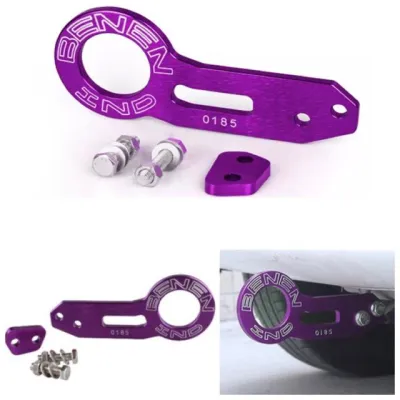
81 Lazada user ratings
Legit, maganda ,mukhang matibay, salamat sa driver na ngdeliver at sa Lazada 👍😘.
Nice. Love it!
good nice ok
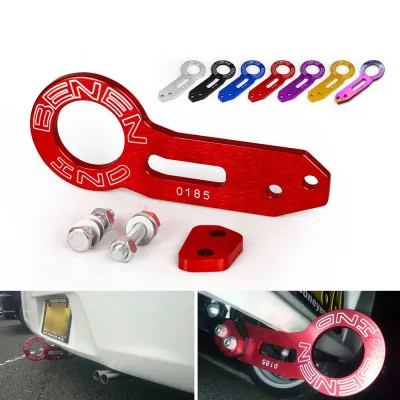
279 Lazada user ratings
Sleek and stylish design!, Perfect for racing enthusiasts., Perfect for racing enthusiasts., Adds a sporty look to my Honda., Available in v…Read full reviewShow less
Sleek and stylish design!, Perfect for racing enthusiasts., Perfect for racing enthusiasts., Adds a sporty look to my Honda., Available in various attractive colors., Available in various attractive colors., High-quality aluminum alloy material., Easy and quick installation., Durable and long-lasting tow hook., Durable and long-lasting tow hook., Universal fit for most cars.,
Durable and long-lasting tow hook., High-quality aluminum alloy material., Impressive and eye-catching design., Matikas at mukhang matibay.H…Read full reviewShow less
Durable and long-lasting tow hook., High-quality aluminum alloy material., Impressive and eye-catching design., Matikas at mukhang matibay.Hope it will last longer.Kudos to delivery rider and Legit seller.
🛠️Durability:10 👌Ease of Use:10 🔌Compatibility:10Available in various attractive colors., Adds a sporty look to my Honda., Durable and long-l…Read full reviewShow less
🛠️Durability:10 👌Ease of Use:10 🔌Compatibility:10Available in various attractive colors., Adds a sporty look to my Honda., Durable and long-lasting tow hook.,
Great addition to my car's rear end., Universal fit for most cars., first time to order, perfect at mahusay ang pagkakawrap
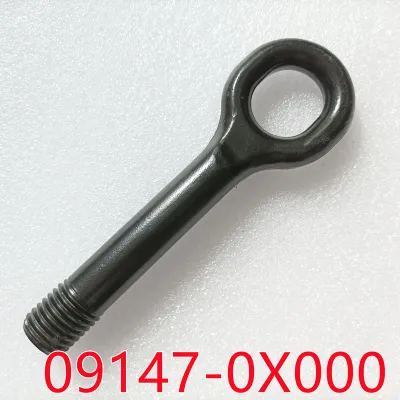
59 Lazada user ratings
🛠️Durability:good 🔧Material:nice 🔨Durability:good ☔Weather Resistance:nice 🔧Ease of Installation:nice 📏Fit:fit on Hyundai getz 2007 1.4 manua…Read full reviewShow less
🛠️Durability:good 🔧Material:nice 🔨Durability:good ☔Weather Resistance:nice 🔧Ease of Installation:nice 📏Fit:fit on Hyundai getz 2007 1.4 manualHighly recommended for Hyundai and Kia owners, Excellent customer service, Genuine Hyundai Kia tow hook,
🛠️Durability:checked 🔧Material:checked ☔Weather Resistance:checked Great addition to my vehicle Easy to install on my car All Is Well...
Perfect fit for my Hyundai, Genuine Hyundai Kia tow hook, Fast shipping and good packaging, Great addition to my vehicle,
Genuine Hyundai Kia tow hook, Highly recommended for Hyundai and Kia owners, Fast shipping and good packaging,
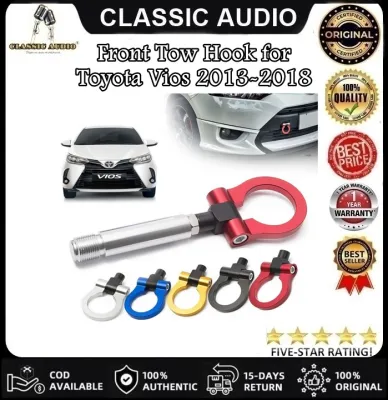
45 Lazada user ratings
Easy to install in minutes, Red color adds a sporty look, Sturdy and durable material, Universal fit for most Toyota models, Safe towing wit…Read full reviewShow less
Easy to install in minutes, Red color adds a sporty look, Sturdy and durable material, Universal fit for most Toyota models, Safe towing without vehicle damage, Safe towing without vehicle damage,
🔌Compatibility:Vios 👌Ease of Use:screw type 🛠️Durability:not tested fit for my 2017 Vios. fast shipping and delivery. easy to install. front …Read full reviewShow less
🔌Compatibility:Vios 👌Ease of Use:screw type 🛠️Durability:not tested fit for my 2017 Vios. fast shipping and delivery. easy to install. front towing hook or eyelet. properly packed and package.
I want a refund. You said its universal but its not
wrong color item. i order red
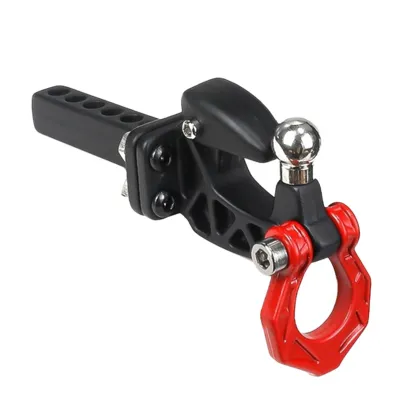
Prices are valid at publication and may change. Please refer to the product page for the latest price.
To locate the designated recovery points on your vehicle, always consult the vehicle owner’s manual. Manufacturers specify exact locations on the front and rear frame rails where recovery hardware can be safely attached. If your vehicle features a unibody construction rather than a traditional body-on-frame design, these mounting points are even more critical, as pulling from an incorrect area can permanently warp the vehicle’s structural shell.
Before mounting any aftermarket hook, thoroughly inspect the surrounding chassis area. Look for signs of structural weakness, such as deep rust, hairline cracks, or previous collision damage. In coastal regions where salt air accelerates metal oxidation, frame rust can severely compromise the load-bearing capacity of the mounting holes. If the metal flaking is severe or the frame shows signs of thinning, do not proceed with the installation until a qualified structural specialist evaluates the vehicle.
Finally, verify that the rated capacity of the towing hook matches or exceeds your vehicle’s weight requirements. As a general safety standard, a recovery hook should have a working load limit or breaking strength rated for at least 1.5 to 2 times the Gross Vehicle Weight Rating (GVWR) of your vehicle. This safety margin accounts for the additional resistance caused by mud, sand, steep inclines, or deep water during a recovery operation.
Essential Tools and Safety Gear for Installation
Mounting a heavy-duty towing hook requires specialized tools to ensure the hardware is tightened to exact engineering tolerances. Never rely on basic adjustable wrenches or pliers, as these can round off bolt heads and prevent you from achieving the necessary torque. At a minimum, you will need a high-quality socket set with metric or standard sockets that match your vehicle’s hardware, a breaker bar for stubborn factory bolts, and a calibrated torque wrench.

Because you will be working underneath the vehicle, safety gear is non-negotiable. Always wear impact-resistant safety glasses to protect your eyes from falling rust, dirt, and debris. Heavy-duty mechanic gloves will protect your hands from sharp metal edges and prevent slippage when handling heavy components. If you need to raise the vehicle to access the mounting points, you must use a hydraulic floor jack rated for your vehicle’s weight, paired with heavy-duty jack stands. Never work under a vehicle supported only by a hydraulic jack.
Additionally, prepare the appropriate chemical compounds specified by the hook manufacturer. Medium-strength or high-strength thread-locking compound is often required to prevent the mounting bolts from backing out due to road vibrations. Conversely, some manufacturers may recommend an anti-seize compound if the bolts are threading into dissimilar metals, such as steel bolts into an aluminum frame member. Always follow the specific product instructions to avoid thread galling or premature loosening.
Step-by-Step Guide to Mounting the Towing Hook
Begin the installation by parking the vehicle on a flat, level concrete surface. Engage the parking brake fully and place wheel chocks behind the tires that will remain on the ground. Use the designated factory jack points to lift the vehicle, then lower it securely onto jack stands. Shake the vehicle gently to verify that it is completely stable on the stands before crawling underneath.
Next, locate the mounting area on the chassis. Many vehicles feature plastic bumper covers, splash guards, or factory tie-down brackets that obstruct access to the frame rails. Carefully remove these components using trim removal tools or socket wrenches, keeping track of all clips and screws. Clean the exposed chassis surface with a wire brush to remove dirt, road grime, and loose rust, ensuring a flat, flush metal-to-metal contact surface for the hook bracket.
Align the towing hook bracket with the pre-drilled factory mounting holes in the chassis. Hand-thread the mounting bolts into the holes for at least three to four full turns. Hand-threading is a critical step to prevent cross-threading, which can ruin the threads inside the vehicle’s frame and require expensive re-tapping or structural repairs. If a bolt does not turn smoothly by hand, stop immediately, inspect the threads for dirt or damage, and clean them with a thread chaser if necessary.
Once all bolts are hand-tightened and the hook is properly aligned, apply the specified thread locker to the bolt threads if directed by the manufacturer. Use your torque wrench to tighten the bolts in a progressive, alternating pattern. Do not tighten one bolt completely while the others are loose; instead, tighten each bolt incrementally until they all reach the manufacturer-specified torque value. Guessing the tightness of these bolts is highly dangerous, as under-tightened bolts can shear under load, while over-tightened bolts can stretch and fail. If you do not have the exact torque specifications or feel unsure about the structural integrity of the mount, consult a professional mechanic or certified installer to complete the job.
Safe Rigging and Pulling Techniques for Emergency Recovery
Once your towing hook is securely mounted, knowing how to use it safely during an emergency is paramount. The first rule of safe recovery is to select the correct recovery strap. Always use a dedicated, high-strength recovery strap made of nylon or polyester with reinforced loop ends. Never use a tow strap that features metal hooks on the ends, and never use steel chains for dynamic recovery. Metal hooks and chains can easily slip or break under tension, turning into lethal projectiles that can smash through windshields and cause fatal injuries.
To rig the recovery line, slide the loop end of the recovery strap over the towing hook. If your hook features a safety latch, ensure the latch closes completely over the strap loop. If you are using a bow shackle in conjunction with the hook, insert the shackle pin through the hook eye and tighten it by hand until it bottoms out, then back it off a quarter-turn to prevent the pin from binding under load.
Before initiating any pull, place a heavy recovery damper blanket, a heavy canvas jacket, or a rubber floor mat over the middle third of the recovery strap. In the event that the strap or the hook fails under tension, the weight of the damper will redirect the kinetic energy downward toward the ground, preventing the snapped line from whipping through the air.
Establish clear communication between both drivers before starting the recovery. Use two-way radios or pre-determined hand signals to coordinate the pull. Ensure that all bystanders stand at a safe distance—at least 1.5 times the total length of the un-stretched recovery strap—away from the recovery zone. The recovery vehicle should slowly tension the strap until all slack is removed, then apply steady, progressive throttle to pull the stuck vehicle free. Avoid sudden, violent jerks, as shock loading can easily exceed the breaking strength of the towing hook and damage both vehicles’ frames.
Post-Recovery Inspection and Long-Term Maintenance
A recovery event subjects your vehicle’s chassis and towing hook to extreme physical stress. Once the vehicle is safely on stable ground, perform a thorough visual inspection of the entire recovery setup. Examine the towing hook closely for any signs of bending, twisting, hairline cracks, or metal fatigue. If the hook shows any visible deformation, it has exceeded its yield strength and must be replaced immediately.
Check the mounting hardware to ensure the bolts have not backed out or loosened during the pull. If you detect any movement in the bracket, use a torque wrench to verify that the bolts are still tightened to the manufacturer’s specified torque. Inspect the chassis mounting holes and surrounding frame rails for any signs of metal stretching, paint flaking, or cracking.
Finally, clean the towing hook and mounting bracket to remove mud, salt, and road grime. In the humid and coastal environments of the Philippines, moisture and salt air can quickly find their way into micro-scratches in the hook’s protective coating, leading to rapid corrosion. Wash the hardware with clean water, dry it thoroughly, and apply a thin coat of rust-preventative spray or touch-up paint to any exposed metal surfaces. Regular maintenance ensures that your recovery gear remains structurally sound and ready for the next emergency.
Community discussion
Share your experience or ask a question. Comments are reviewed before publication.