
Washing your car detailing cloths properly requires separating them from regular laundry, using a dye-free and fragrance-free liquid detergent, and avoiding fabric softeners or high heat. Because detailing cloths are engineered to trap microscopic particles, standard washing methods can clog their fibers, rendering them abrasive. By adopting a dedicated cleaning routine, you preserve the delicate structure of microfiber, velvet, and glass cloths, ensuring they remain safe for your vehicle’s clear coat.
Why Clean Detailing Cloths Prevent Paint Scratches
Every time you wipe down your vehicle, the detailing cloth collects fine dust, road grit, and leftover wax. If these contaminants are not thoroughly washed out, they remain trapped within the fibers of the cloth. During your next detailing session, those embedded particles act like sandpaper, dragging across the clear coat and creating micro-scratches or swirl marks.
Unlike standard household cotton towels, which feature large, looped fibers that easily shed lint, specialized detailing materials are designed with microscopic split fibers. Microfiber, velvet, and glass cloths feature millions of tiny hooks that lift and lock contaminants away from the paint surface. However, this high-capacity trapping mechanism means these cloths require a specific washing approach to release the bound dirt without damaging the delicate synthetic strands.
Products mentioned in this guide
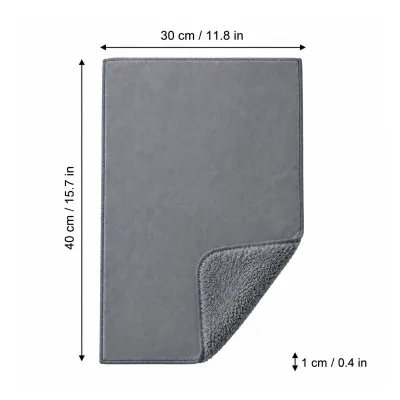
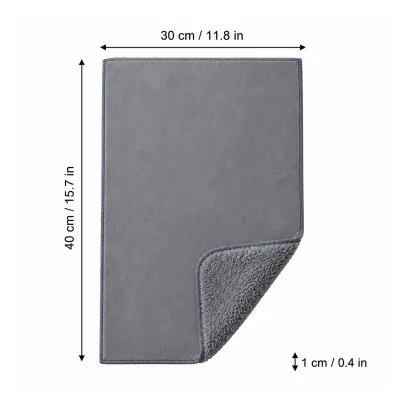
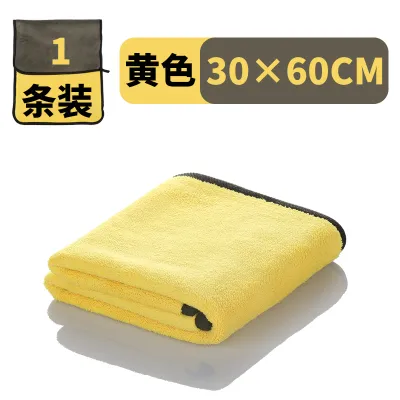
Prices are valid at publication and may change. Please refer to the product page for the latest price.
Proper maintenance does more than just keep your vehicle’s paint pristine; it also extends the usable lifespan of your detailing gear. A high-quality microfiber cloth can withstand hundreds of wash cycles when cared for correctly. Investing a small amount of time into a proper washing routine protects your investment in premium detailing tools and ensures consistent, streak-free performance.
What You Need Before You Wash Detailing Cloths
Before starting the wash process, gather the correct cleaning agents to avoid permanently damaging the synthetic fibers. Standard household laundry detergents often contain fabric softeners, artificial scents, optical brighteners, and heavy dyes. These additives leave a chemical residue on the fibers, clogging the microscopic pores of the cloth and drastically reducing its absorbency.

Instead, select a liquid detergent that is explicitly labeled as “free and clear” of dyes and perfumes. Alternatively, you can use a dedicated microfiber restorer solution designed specifically to break down automotive waxes, polishes, and ceramic spray residues. Avoid powder detergents entirely, as undissolved powder granules can lodge themselves deep within the weave of the cloth, creating a hidden source of paint scratches.
Water temperature is another critical factor to consider before washing. Check the manufacturer’s care label on your specific cloths for exact temperature limits. Generally, warm water is ideal for washing detailing cloths because it helps loosen stubborn wax and oily residues without reaching temperatures high enough to melt synthetic polyester and polyamide fibers.
Finally, prepare a dedicated washing environment. Whether you use a washing machine or a manual wash basin, ensure the area is completely clean and free of residue from previous household laundry loads. Keeping your detailing wash process strictly separate from everyday clothing and cotton towels prevents cross-contamination from lint and household grease.
Step-by-Step Guide to Washing Microfiber and Detailing Cloths
To achieve the best results, follow a structured washing process that addresses the unique needs of synthetic detailing fabrics.
Pre-Wash Preparation
Begin by taking your dirty cloths outdoors and giving them a vigorous shake to dislodge loose dirt, sand, or dried leaves. Next, sort your cloths into distinct groups based on how they were used. Keep lightly soiled cloths, such as those used for glass cleaning or final paint buffing, separate from heavily soiled cloths used on wheels, door jambs, or engine bays. Washing these groups together can cause grease and heavy brake dust to migrate to your delicate paint-drying towels.
Machine Washing Steps
When using a washing machine, select a small or medium load size to ensure the cloths have plenty of room to agitate freely. Set the machine to a gentle or delicate cycle to minimize physical stress on the fibers. Pour in a moderate amount of your chosen free-and-clear liquid detergent, following the dosage instructions on the bottle for light loads. Do not overload the machine, as crowded cloths cannot release trapped dirt effectively.
Hand Washing Steps
For smaller batches or highly delicate glass and velvet cloths, hand washing is an excellent alternative. Fill a clean wash basin with warm water and add a small splash of liquid detergent. Submerge the cloths and gently agitate them by hand, rubbing the fabric against itself to work the soapy water through the fibers. Allow the cloths to soak for fifteen to thirty minutes to help break down stubborn wax residues, then gently agitate them once more before draining the soapy water.
Rinsing Verification
Thorough rinsing is essential to ensure no detergent residue remains trapped in the weave. If machine washing, consider running an extra rinse cycle to guarantee a complete flush. For hand washing, submerge the cloths in clean, lukewarm water, squeeze them gently, and repeat the process until the rinse water runs completely clear. Any leftover soap will dry inside the fibers, causing the cloth to feel stiff and lose its natural absorbency.
How to Dry and Store Cloths to Maintain Softness
The drying process is where many high-quality detailing cloths are accidentally ruined. Synthetic fibers like polyester and polyamide have a relatively low melting point, meaning exposure to high heat can permanently fuse the microscopic tips together, turning a soft towel into a scratchy hazard.
Air Drying vs. Machine Drying
Air drying is the safest method for preserving the original texture of your detailing cloths. Hang the clean cloths on a drying rack in a clean, dust-free indoor environment. If you prefer to use a clothes dryer, select the lowest possible heat setting, or use the “air fluff” cycle which uses no heat at all. Never use dryer sheets, as they coat the fibers in a waxy layer that destroys the cloth’s ability to absorb water and static electricity.
Avoiding Lint Contamination
During the drying cycle, ensure no other laundry items are present in the dryer. Cotton towels, shirts, and socks shed massive amounts of lint that will immediately cling to the static-charged synthetic fibers of your detailing cloths. Before starting the dryer, thoroughly clean the lint trap to remove any residual cotton fibers from previous household loads.
Storage Solutions
Once your cloths are completely dry, store them immediately to protect them from airborne dust, garage debris, and pests. Place them in clean, sealable plastic storage bins or heavy-duty zip-top bags. Label the containers by cloth type—such as “Paint Only,” “Glass,” and “Wheels & Dirty Work”—to maintain a strict organization system that prevents accidental cross-contamination during your next detailing project.
Common Washing Mistakes That Ruin Detailing Cloths
Avoiding common laundry pitfalls is crucial for maintaining the safety and performance of your detailing arsenal.
One of the most damaging mistakes is using fabric softeners or dryer sheets. These products work by depositing a thin layer of lubricating chemicals over fabric fibers to make them feel softer. While this is fine for household clothing, it completely ruins detailing cloths by clogging the microscopic split fibers, rendering them hydrophobic and incapable of trapping dust or absorbing liquids.
Using bleach or harsh household chemical cleaners is another common error. Bleach breaks down the synthetic polymers in polyester and polyamide, causing the fibers to weaken, shed, and lose their structural integrity. Stick strictly to mild, pH-neutral liquid detergents or specialized microfiber cleaners to preserve the fabric’s strength.
Washing detailing cloths alongside cotton bath towels or everyday clothing is a recipe for lint contamination. The static charge of synthetic detailing cloths acts like a magnet for cotton lint, which becomes deeply embedded in the weave. Once lint is trapped in a detailing cloth, it is incredibly difficult to remove and will leave annoying streaks and fibers all over your car’s paint and glass.
Finally, exposing the cloths to high heat in the dryer must be avoided at all costs. High temperatures melt the microscopic tips of the fibers, causing them to clump together and harden. A melted microfiber cloth feels stiff to the touch and will easily inflict fine scratches on delicate clear coats and plastic trim pieces.
When to Retire or Repurpose Your Detailing Cloths
No detailing cloth lasts forever, and knowing when to retire a towel from paintwork is essential for protecting your vehicle’s finish.
Perform a regular visual and tactile inspection of your cloths. If a towel feels stiff or rough even after a proper wash, or if it has permanent stains from grease and oil, it is no longer safe to use on your vehicle’s exterior paint. You can also perform a simple scratch test on an inconspicuous area to check if the fibers drag or mar the surface.
Instead of throwing worn cloths away, transition them down a repurposing hierarchy. A towel that is no longer soft enough for delicate clear coats can be downgraded to interior cleaning duties, such as wiping down vinyl dashboards or leather seats. Once it becomes further worn or stained, relegate it to dirty tasks like cleaning wheels, exhaust tips, door jambs, or engine bay components.
Eventually, a cloth will reach the end of its useful life when it can no longer hold liquid, trap dirt, or begins to fray and shed excessively. At this stage, the cloth should be discarded entirely. By systematically downgrading your cloths, you maximize their value while ensuring that only the softest, cleanest towels ever touch your vehicle’s sensitive paintwork.

Community discussion
Share your experience or ask a question. Comments are reviewed before publication.