
Finding the right replacement tire for your motorcycle can feel overwhelming when you are confronted with a confusing string of numbers and letters molded into the rubber sidewall. Fortunately, these alphanumeric markings represent a highly standardized code that specifies the tire’s exact width, aspect ratio, construction type, wheel diameter, load capacity, and speed rating. Understanding how to decode this sequence is the most reliable way to ensure your new tire matches your motorcycle’s design specifications, preserving handling, safety, and performance. While some riders look up general guides on motorcycle tire and battery size specifications to understand their vehicle’s overall maintenance needs, reading the actual sidewall markings is the only foolproof method for selecting the correct tire fitment.
What Do the Numbers and Letters on a Motorcycle Tire Sidewall Mean?
The numbers and letters on a motorcycle tire sidewall form a standardized alphanumeric sequence that details the tire’s physical dimensions, structural design, and performance limits. This code ensures that replacement tires match the exact engineering requirements of your motorcycle, which is critical for maintaining stable handling, predictable braking, and accurate speedometer readings.
Most modern motorcycles use the metric sizing system, which typically looks like “120/70 ZR 17” followed by a load and speed rating like “58W”. Some vintage, cruiser, or specialty motorcycles may use imperial (inch-based) or alphanumeric systems, but the core purpose remains the same: to communicate the tire’s physical boundaries.
Products mentioned in this guide
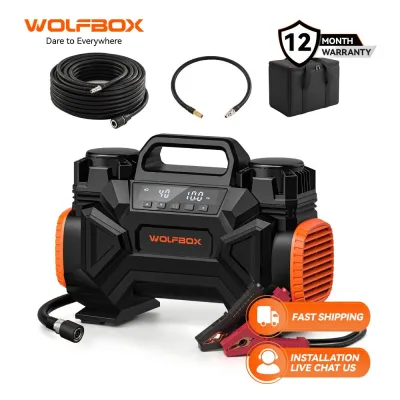
5 Lazada user ratings
👌Ease of Use: Not easy not difficult to use. You’ll get used to it 🔨Durability: Looks very durable for me. The built, the quality 👜Portabili…Read full reviewShow less
👌Ease of Use: Not easy not difficult to use. You’ll get used to it 🔨Durability: Looks very durable for me. The built, the quality 👜Portability: Not too portable for me if compared to the portable one of the same brand
Good quality! Very fast to inflate the tires. I hope it last long
🔨Durability: 100

290 Lazada user ratings
Goods, ambilis lang maghangin, natry ko na din sa bike saglit lang hinanginan, goods to for emergency magagamit talaga, Kayang kaya Xpander …Read full reviewShow less
Goods, ambilis lang maghangin, natry ko na din sa bike saglit lang hinanginan, goods to for emergency magagamit talaga, Kayang kaya Xpander GLS AT 2025, 33 lang niligay ko base na cold tire na nakaindicate sa car, napaka dali lang din gamitin, sana lang durable at tumagal to(will update if masira man to), much better kasi yung direct power kesa sa battery powered
nakulangan aq sa packaging. butii wla damage. by .5 reading increment. threaded pag insert sa pito kelangan ikot ikotin at higpitan pra maka…Read full reviewShow less
nakulangan aq sa packaging. butii wla damage. by .5 reading increment. threaded pag insert sa pito kelangan ikot ikotin at higpitan pra makareading or mag pump. pros mahaba wire no need battery kc connect mo lng sa sasakyan. accuracy hindi ko p n test. over all ok lng kc at least monitored tire pressure. 4.5 star
working naman try ko lang if nagana pero hindi ko pa nasusubukan i try sa mismong gulong kasi pang emergency lang ko lang to salamat po
Di ko pa na try, pero since recom Siya ni jeep doctor. tiwala naman ako 🙂 —[Papa L]
Prices are valid at publication and may change. Please refer to the product page for the latest price.
It is highly recommended to match the Original Equipment Manufacturer (OEM) specifications when replacing your tires. While searching for a general motorcycle tire and battery size chart can help you identify the broad electrical and physical categories your bike falls into, the molded tire sidewall code is the final authority on what will physically and safely fit your rims.
How Do You Identify the Tire Width and Aspect Ratio?
The first two numbers in a standard metric tire code represent the tire’s nominal width in millimeters and its aspect ratio, which defines the height of the sidewall as a percentage of that width. Together, these two dimensions establish the tire’s physical footprint and overall profile.

The first number in the sequence is the section width. For example, in a 120/70 tire, the “120” indicates that the tire is 120 millimeters wide at its widest point when mounted on the recommended rim. A wider tire generally provides a larger contact patch but can slow down steering transition speeds.
The second number, separated by a slash, is the aspect ratio. In our example, “70” means the tire’s height is 70 percent of its 120-millimeter width, which equals 84 millimeters. A lower aspect ratio results in a shorter, stiffer sidewall that offers sharper cornering feedback, while a higher aspect ratio provides more cushion and a smoother ride.
These dimensions directly affect how your motorcycle handles typical road conditions. In the Philippines, where riders frequently transition from smooth highways to uneven provincial roads and rain-slicked urban streets, maintaining the correct tire profile ensures predictable grip and prevents the tire from rubbing against the fender, swingarm, or brake lines under full suspension compression.
What Does the Construction Type and Rim Diameter Tell You?
The letter and final number in the main sequence indicate how the tire is structurally built and the exact wheel rim size it must be mounted on. These markings prevent dangerous installation errors and ensure the tire’s internal carcass matches your riding style.
Directly following the aspect ratio, you will find a letter or a dash indicating the construction type. A dash (-) or the letter “B” indicates bias-ply construction, where the internal fabric plies cross diagonally from bead to bead. Bias-ply tires are known for their strong sidewalls and high load capacity, making them common on heavy cruisers and touring bikes. Conversely, the letter “R” indicates radial construction, where the plies run perpendicular to the direction of travel. Radial tires dissipate heat more efficiently and flex more easily, offering superior grip and stability at higher speeds.
The final number in the sequence, such as “17” in a 120/70-17 tire, indicates the rim diameter in inches. This is a strict safety boundary: you must match the rim diameter exactly, as attempting to mount a tire on an incompatible wheel size is physically impossible to seal safely and can lead to catastrophic tire failure.
Additionally, mixing radial and bias-ply tires on the same motorcycle can severely destabilize handling due to their different flex characteristics. Always consult your vehicle’s manual before mixing construction types, and ensure that any change in construction is approved for your specific model.
How Do Load Index and Speed Rating Affect Your Riding Safety?
The load index and speed rating, usually found immediately after the dimensional markings (such as “58W”), define the maximum weight the tire can safely carry and the maximum speed it can sustain under that load. These ratings are critical safety thresholds designed to prevent structural failure at high speeds or under heavy loads.
The load index is a two-digit numerical code. For example, a load index of “58” corresponds to a maximum load capacity of 236 kilograms when the tire is inflated to its recommended pressure. This limit must never be exceeded, as overloading causes excessive heat buildup, which can lead to tread separation or a sudden blowout.
The speed rating is a letter code that indicates the maximum safe speed the tire can sustain. Common speed ratings include “H” (up to 210 km/h), “V” (up to 240 km/h), and “W” (up to 270 km/h). Even if you do not intend to ride at these extreme speeds, the speed rating reflects the tire’s overall heat dissipation capabilities and structural integrity under centrifugal forces.
To ensure your safety, verify these ratings against your motorcycle’s Gross Vehicle Weight Rating (GVWR)—which includes the weight of the motorcycle, fluids, rider, passenger, and luggage—and your typical highway commuting speeds. Never install a replacement tire with a lower load index or speed rating than the OEM specifications.
Where Can You Find the Correct Replacement Size for Your Motorcycle?
The most reliable places to find the correct replacement tire size are your motorcycle’s existing tire sidewalls, the owner’s manual, or the manufacturer’s specification plate located on the frame or swingarm. Cross-referencing these sources ensures you select a tire that is fully compatible with your vehicle.
While reading the sidewall of your current tire is a great starting point, keep in mind that a previous owner might have installed an incorrect size. Therefore, always verify the dimensions against the tire information label on your motorcycle’s swingarm, chain guard, or inside the owner’s manual.
If you are considering changing to a different tire width, aspect ratio, or construction type, stop and consult the motorcycle manufacturer or a qualified professional mechanic. Altering these dimensions can affect ABS sensors, traction control calibration, speedometer accuracy, and physical clearance, potentially compromising your safety on the road.
Community discussion
Share your experience or ask a question. Comments are reviewed before publication.