
Driving through heavy rain or navigating dark roads under oncoming headlights becomes incredibly hazardous when a stubborn, greasy haze coats your windshield, scattering light and causing your wipers to leave blinding smears. To safely and effectively remove this persistent oil film from your car windshield, you must thoroughly pre-wash the glass to remove abrasive grit, apply a dedicated automotive glass stripper or clay bar using controlled, even pressure, and clean your wiper blades to prevent immediate recontamination. This process strips away road grime, silicone residues, and exhaust soot that standard glass cleaners cannot dissolve, restoring optical clarity and ensuring your wipers function smoothly.
How can you tell if your windshield has an oil film buildup?
You can identify oil film buildup by looking for a persistent, rainbow-colored sheen or a hazy, white smear that appears when your windshield is wet or illuminated by oncoming headlights. This film is composed of airborne road oils, diesel exhaust, tree sap, and car wash wax runoff that bakes onto the glass surface over time.
When you operate your windshield wipers during a light drizzle, an active oil film will cause the water to smear into a temporary, semi-opaque sheet rather than clearing instantly. This smear often disappears after a few seconds as the water evaporates, only to return with the next wipe. You may also hear your wiper blades chattering, skipping, or squeaking across the glass, as the oily patches create uneven friction zones on the surface.
Products mentioned in this guide
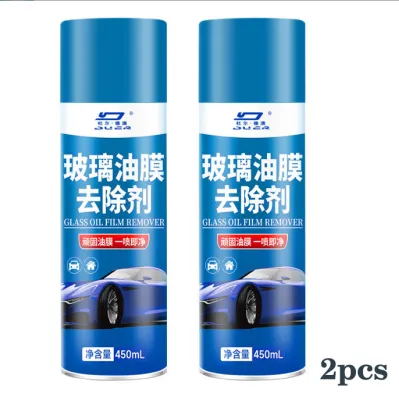
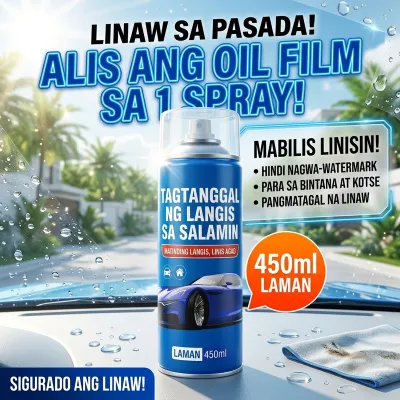
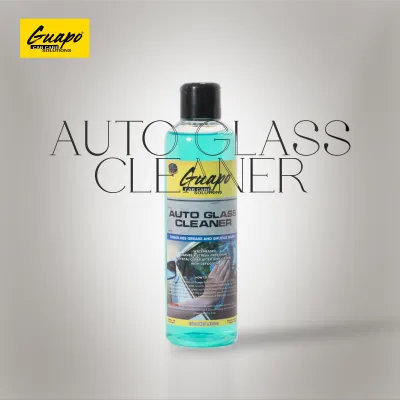
2,865 Lazada user ratings
good packing, well-packed. 1st time to order Guapo products. will test this first and will give follow up review. been eyeing for a car clea…Read full reviewShow less
good packing, well-packed. 1st time to order Guapo products. will test this first and will give follow up review. been eyeing for a car cleaner products that is affordable yet good quality. thanks again lazada and guapo.
thanks for this Seller, I will make a follow up review once used.. the item arrived safe naman po,no damaged and no leak . thanks seller nak…Read full reviewShow less
thanks for this Seller, I will make a follow up review once used.. the item arrived safe naman po,no damaged and no leak . thanks seller nakabubble wrap talaga..
Effective glass cleaner., Great for maintaining clear visibility while driving., Cleans glass surfaces effortlessly., Convenient size for ea…Read full reviewShow less
Effective glass cleaner., Great for maintaining clear visibility while driving., Cleans glass surfaces effortlessly., Convenient size for easy storage.,
Cleans glass surfaces effortlessly., Effective glass cleaner., Easy to use and apply., Convenient size for easy storage.,
Removes dirt and grime effectively, defogs the glass quickly, effective glass cleaner. Thank you seller and lazada.
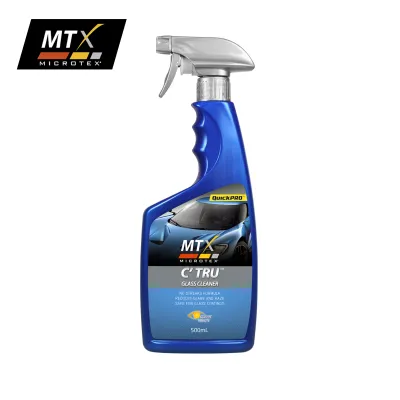
486 Lazada user ratings
1. Very clear finish (no streaks) • Designed to remove road film, grime, and traffic residue from car glass. • Leaves a slick, anti-static s…Read full reviewShow less
1. Very clear finish (no streaks) • Designed to remove road film, grime, and traffic residue from car glass. • Leaves a slick, anti-static surface that helps keep glass clean longer.  2. Good for night driving • Helps reduce glare and haze on windshields.
The product arrived on schedule. No leak with box and bubble wrapped. The product it self is wonderful! First time user and I was amazed! Th…Read full reviewShow less
The product arrived on schedule. No leak with box and bubble wrapped. The product it self is wonderful! First time user and I was amazed! Thank you for the freebie! Will order again for sure! 😊
🏅Performance:good 🔌Compatibility:good 🔨Durability:good overall good value for money, good performance upgrade for my yamaha aerox v1 155cc
items received as expected and undamaged. packed very well and shipped very fast. will order from microbes again!
Restores the clarity of glass and lenses, Safely removes road film and traffic deposits,
Prices are valid at publication and may change. Please refer to the product page for the latest price.
It is important to differentiate stubborn oil film from other common glass contaminants like hard water spots or physical damage. Hard water spots consist of alkaline mineral deposits that leave distinct, chalky, white-ringed outlines when the glass is completely dry; these do not smear or show a rainbow sheen when wet. Physical glass damage, such as road grit pitting or wiper track scratches, consists of actual structural voids in the glass that you can feel with a fingernail and will not change shape or disappear regardless of how thoroughly you clean the surface.
What tools and cleaners are safe for removing oil film from auto glass?
Safe options for stripping oil film include dedicated automotive glass polishes, glass-specific clay bars, and specialized glass strippers, which must always be verified against the manufacturer’s label for compatibility. Using the wrong cleaning agents or abrasive tools can permanently scratch your windshield or damage the surrounding vehicle components.

Dedicated automotive glass strippers often contain mild, specialized abrasives like cerium oxide or gentle chemical surfactants designed to break down stubborn road oils without scratching the glass. When selecting a product, check the label to ensure it is rated specifically for automotive glass, as household abrasive cleansers or heavy-duty degreasers can contain chemicals that damage your vehicle’s paint, rubber seals, or aftermarket window tint. Avoid using kitchen scouring pads, steel wool, or harsh household scrub brushes, which are highly likely to leave micro-scratches that ruin nighttime visibility.
To perform the cleaning process safely, you should gather a set of clean, high-GSM microfiber towels, foam or microfiber applicator pads, and a roll of automotive masking tape. The masking tape is used to cover the rubber weatherstripping, plastic cowl, and painted pillars surrounding the windshield. This protective step prevents abrasive glass polishes from staining or degrading the rubber and plastic trim, which can be difficult to clean once the polish dries.
Selecting the Right Applicator and Towels
Using the correct applicator is just as important as choosing the right cleaner. Soft foam applicator pads or microfiber-wrapped pads distribute pressure evenly across the glass surface, preventing localized pressure points that could cause uneven wear or scratching. When wiping or drying the glass, always use clean, lint-free microfiber towels dedicated to glass cleaning, as standard utility towels may contain leftover wax or grease from previous detailing tasks.
What is the step-by-step process to strip oily road grime from the glass?
Stripping oily road grime requires a systematic process of pre-washing the glass, applying a specialized abrasive glass stripper or clay bar with a dedicated lubricant, and rinsing the surface thoroughly to verify a clean sheet of water. Skipping any of these steps can trap abrasive road grit under your cleaning tool, leading to permanent scratches across your field of vision.
Begin by thoroughly pre-washing the windshield with standard automotive shampoo and clean water to remove all loose dirt, dust, sand, and road debris. Use a clean wash mitt and rinse the glass completely, ensuring no gritty particles remain on the surface or tucked under the edges of the rubber trim. Dry the glass with a clean microfiber towel before moving to the stripping phase.
Next, prepare your chosen oil film remover or automotive glass clay bar. If you are using a clay bar, spray a generous amount of dedicated clay lubricant or glass cleaner onto a small section of the windshield to act as a buffer, then glide the clay bar back and forth using light pressure. If you are using a liquid glass stripper or polish, apply a small, coin-sized amount to a damp foam applicator pad and work in manageable sections, typically dividing the windshield into quadrants.
Work the applicator pad across the glass using moderate, even pressure in a cross-hatch pattern—moving horizontally and then vertically—to ensure complete coverage. Stop immediately if the pad catches, binds, or if you hear a gritty scratching sound, which indicates that a piece of debris has become trapped under the pad. If this occurs, rinse the area immediately, clean your applicator pad, and start that section over.
Once you have worked the cleaner across the entire windshield, rinse the glass thoroughly with a strong stream of clean water. Observe how the water behaves as it runs off the glass: if the oil film has been successfully removed, the water will form a flat, uniform sheet that drains off the glass as a single unit without breaking or beading. If you notice areas where the water separates, beads up, or avoids the glass surface, those spots still contain oily residue and will require a second targeted application of the stripper. Dry the glass completely with a fresh microfiber towel to inspect for any remaining streaks.
How should you clean your wiper blades to prevent immediate recontamination?
To prevent immediate recontamination, you must clean your wiper blades by wiping the rubber elements with a microfiber cloth dampened with automotive glass cleaner or isopropyl alcohol until no more black residue transfers. Neglecting this step means the very first swipe of your wipers will transfer the accumulated road oils back onto your freshly stripped windshield.
Lift the wiper arms away from the windshield and secure them in the service position. Dampen a clean microfiber cloth with a small amount of isopropyl alcohol or a dedicated automotive glass cleaner. Gently pinch the rubber squeegee element of the wiper blade between your thumb and forefinger with the cloth, and slide it along the entire length of the blade. Repeat this motion using a clean section of the cloth each time until the cloth no longer shows black, oily residue.
While cleaning, inspect the rubber elements closely for physical signs of wear and tear. Look for cracking, splitting, tearing, or permanent warping along the wiping edge. If the rubber has hardened or lost its flexibility, cleaning will not restore its performance, and you must replace the wiper blades to ensure they do not streak or scratch your clean windshield.
Finally, wipe down the metal or plastic wiper arms to remove built-up road grime and check the mechanical components. Inspect the tension springs and pivot points at the base of the wiper arms to ensure they move freely and apply adequate, even pressure against the glass. Worn springs or bent wiper arms can prevent the blade from making consistent contact with the windshield, resulting in localized streaking that can easily be mistaken for a returning oil film.
When should you stop and seek professional auto glass detailing?
You should stop and seek professional auto glass detailing if standard manual stripping fails to restore clarity, or if you discover deep physical scratches, severe pitting, or chemical etching in the glass. Attempting to aggressively polish out deep physical defects by hand can lead to uneven glass thickness, optical distortion, or permanent damage.
Deep pitting from road sand and chemical etching from acid rain or industrial fallout can mimic the appearance of a stubborn oil film by scattering light and causing severe glare. However, these defects represent physical loss of glass material rather than a surface contaminant. Removing them requires professional machine polishing using rotary buffers and specialized cerium oxide compounds, or in severe cases, complete replacement of the windshield.
You must also stop the process immediately if you notice any adverse reactions on your vehicle. If the chosen cleaner causes discoloration, swelling, or peeling on surrounding rubber weatherstripping, plastic trim, or aftermarket window tint, rinse the area with copious amounts of clean water and discontinue use. Standard DIY glass strippers are designed for exterior, untreated glass and should never be used on the interior side of windows fitted with aftermarket tint films.
If you feel uncomfortable applying abrasive compounds near your vehicle’s paintwork, or if standard cleaning methods do not resolve the visibility issues, consult a qualified auto detailer or glass specialist. Driving with a compromised windshield is a significant safety hazard, and a professional can safely diagnose whether your glass requires advanced correction or replacement.

Community discussion
Share your experience or ask a question. Comments are reviewed before publication.