
Restoring a car’s paint under the intense tropical sun of the Philippines is a constant challenge, especially when deep scratches, heavy oxidation, or stubborn water spots mar your car’s clear coat. To safely apply rubbing compound without damaging your paint, you must use a dual-action polisher with a suitable cutting pad, work in a cool and shaded area, apply light to moderate pressure in small sections, and always stop before wearing down the clear coat. Taking a cautious, systematic approach ensures you level the surrounding paint to eliminate defects without stripping away the vital protective layer that keeps your car looking vibrant.
When Should You Use Rubbing Compound on Your Car Paint?
You should use rubbing compound only when your car’s paint has deep scratches, severe oxidation, or heavy water spot etching that cannot be corrected by a milder polish. It is an aggressive corrective abrasive designed to level the clear coat, not a routine cleaning product or wax. Understanding when to deploy this heavy-duty solution is the first step in preserving your vehicle’s long-term aesthetic value.
To determine if compounding is necessary, you must first distinguish between minor surface imperfections and deep defects. Light swirl marks, fine spiderwebbing from improper washing, and minor dullness typically only require a finishing polish. Rubbing compound, on the other hand, contains larger abrasive particles designed to cut through damaged clear coat quickly to address deeper issues.
Products mentioned in this guide
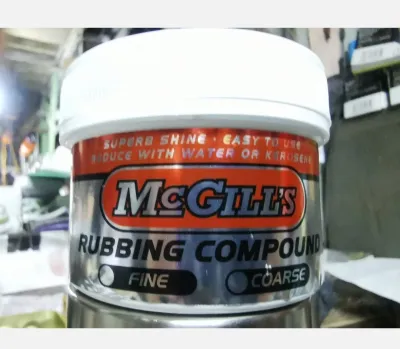
1,112 Lazada user ratings
Ang galing tangal talaga ang scratch na dagdagan pa nga kasi binanga ulit. Salamat pldt palpak na internet nyo Pati driver nyo palpak din an…Read full reviewShow less
Ang galing tangal talaga ang scratch na dagdagan pa nga kasi binanga ulit. Salamat pldt palpak na internet nyo Pati driver nyo palpak din ang galing nya mag maneho.. 2coins haaha
ok naman ang bilis dumating thank you lazada,seller at rider satisfied aq jn. na testing qna sa aking adventure na erase yong mga matsa at n…Read full reviewShow less
ok naman ang bilis dumating thank you lazada,seller at rider satisfied aq jn. na testing qna sa aking adventure na erase yong mga matsa at naging shiny na sya
Received the item in good condition 👍👍👍. Nice packaging item was not damaged. Tested the item and it worked as advertised by the seller.
Item arrived ahead of designated date of delivery. Packed and sealed. Have not yet tried but will edit review when that time cones.
Recieved the item in good condition 5 star for fast delivery thank you seller thank you Lazada and courier
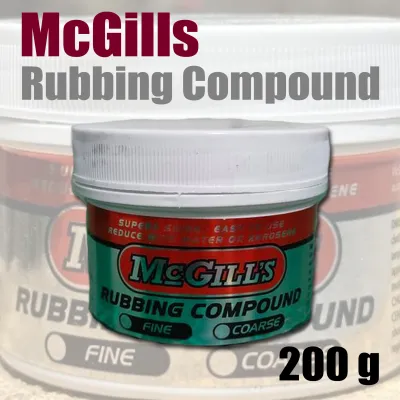
261 Lazada user ratings
Leaves a professional-looking finish, Effective for removing scratches,
Effective for removing minor scratches only, Easy to use and apply,
Fast delivery. The product is good. I recommend this store.
thank you po
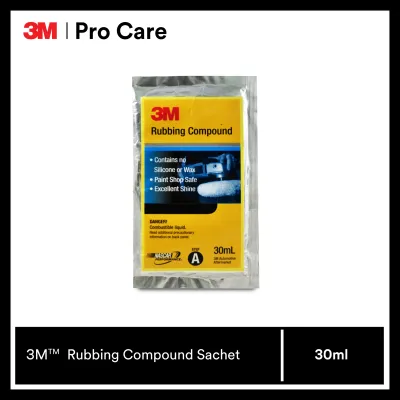
299 Lazada user ratings
Removes scratches effectively, Perfect for automotive use, Leaves a glossy finish, Easy to use, Restores the shine of dull car bodies, Leave…Read full reviewShow less
Removes scratches effectively, Perfect for automotive use, Leaves a glossy finish, Easy to use, Restores the shine of dull car bodies, Leaves a glossy finish, Perfect for automotive use, Removes scratches effectively, Easy to use, Restores the shine of dull car bodies, Enhances the look of auto body finishes,
good quality rubbing compound for automotive painting and other rubbing jobs for best result well recommended to other DIYers and profession…Read full reviewShow less
good quality rubbing compound for automotive painting and other rubbing jobs for best result well recommended to other DIYers and professionals
I have a cousin na working sa mga car company and eto yung nirecommend sa akin and honestly very effective xa in removing minimal scratches.
🛠️Durability:Durable and long lasting 👌Ease of Use:Removes scratches effectively 🖌️Ease of Application:Leaves a new and glossy appearance
well packed, try ko gamitin. mukhang legit naman Perfect for automotive use, Leaves a glossy finish, Leaves minimal swirl marks,
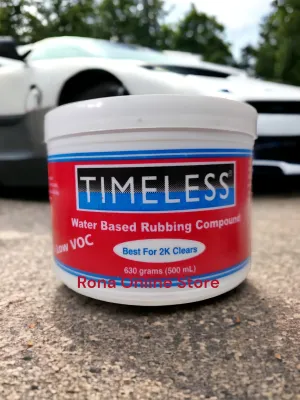
406 Lazada user ratings
Effective polishing compound, Great for DIY car enthusiasts, Versatile for different surfaces, Long-lasting results, Value for money, Restor…Read full reviewShow less
Effective polishing compound, Great for DIY car enthusiasts, Versatile for different surfaces, Long-lasting results, Value for money, Restores shine to car paint, Easy to use and apply, Professional-grade polishing,
Restores shine to car paint, Long-lasting results, Leaves a smooth finish, Value for money, Removes scratches and swirl marks,
Removes scratches and swirl marks, Value for money, Long-lasting results, Professional-grade polishing, Easy to use and apply,
Removes scratches and swirl marks, Long-lasting results, Restores shine to car paint, Leaves a smooth finish,
🛠️Durability:Leaves a smooth finish, 👌Ease of Use:Great for DIY car enthusiasts, ✨Shine:Long-lasting results,
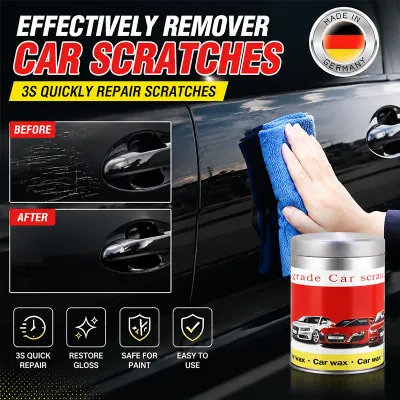
24 Lazada user ratings
Good value for money, high cost performance, this scratch is not cost-effective to repair outside, this product is cheap, you can repair sma…Read full reviewShow less
Good value for money, high cost performance, this scratch is not cost-effective to repair outside, this product is cheap, you can repair small scratches by yourself, the effect is very satisfactory, it is worth buying
🖌️Ease of Application: goods 👌Ease of Use: goods
This is useless and a scam. Don’t buy it!
NO GOOD AT ALL
okey no hazzle
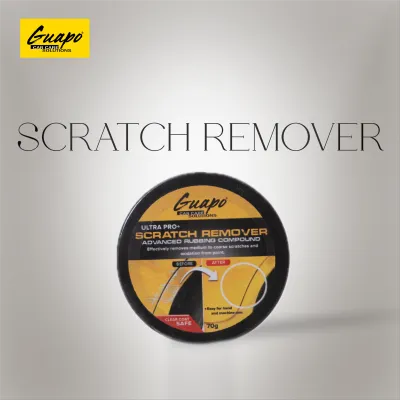
12,757 Lazada user ratings
🛠️Durability:Great for DIY paint touch-ups, 10/8 👌Ease of Use:10/10 🖌️Ease of Application:10/10Provides a professional-looking paint correctio…Read full reviewShow less
🛠️Durability:Great for DIY paint touch-ups, 10/8 👌Ease of Use:10/10 🖌️Ease of Application:10/10Provides a professional-looking paint correction, Safe for all types of surfaces, Safe for all types of surfaces, Leaves a clean and polished finish, Leaves a clean and polished finish, Ideal for removing unwanted marks and blemishes, Effective in removing scratches, Effective in removing scratches, Works well on stubborn marks and stains,
eto ang pinaka maliit sa binili ko pero eto din ang pinaka the best yung mga may galit at ingit sayo eto katapat kahit anong gasgas lalo na …Read full reviewShow less
eto ang pinaka maliit sa binili ko pero eto din ang pinaka the best yung mga may galit at ingit sayo eto katapat kahit anong gasgas lalo na yung mga sinadya ng mga inggetero natatangal talaga
Effective in removing scratches, Works well on stubborn marks and stains, ✨Effectiveness:good 👌Ease of Use:very easy 🔒Safety:good
Ideal for removing unwanted marks and blemishes, Works well on stubborn marks and stains,
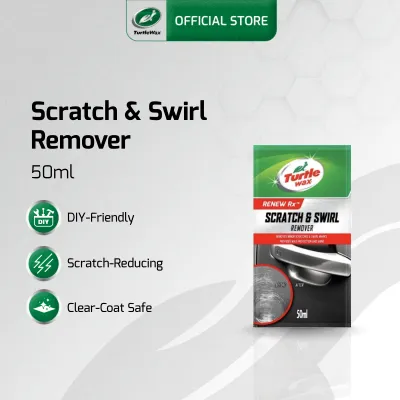
5,417 Lazada user ratings
Thank you seller dumating na din, dko pa lang na testing………………………... post ko update once na na testing n item, seems legit nmn pero tingnan …Read full reviewShow less
Thank you seller dumating na din, dko pa lang na testing………………………... post ko update once na na testing n item, seems legit nmn pero tingnan pag nagamit na, …………………….ok din packaging naka bubble wrap nmn medyo yng rainaway lang ang medyo deform ang box pero d nmn na damage ang item kya ok pa pa din sya., salamat s nag nagdeliver…………….
Quality:Gold Standard Appearance:Good Performance:Not Ready to use apply Mabilis Ang deliver ilan araw bago ako na place order well di ko pa…Read full reviewShow less
Quality:Gold Standard Appearance:Good Performance:Not Ready to use apply Mabilis Ang deliver ilan araw bago ako na place order well di ko pa nabubuksan at napapahid good products Ang turtle wax sana mawala Ang mga scratches
🛠️Durability:9/10 👌Ease of Use:10/10 ✨Shine:100% smooth while using it with micro fiber or foam convenient application shine bright like a di…Read full reviewShow less
🛠️Durability:9/10 👌Ease of Use:10/10 ✨Shine:100% smooth while using it with micro fiber or foam convenient application shine bright like a diamond
this is a trusted and proven brand. It is highly effective for light scratches. It is also easy to use.
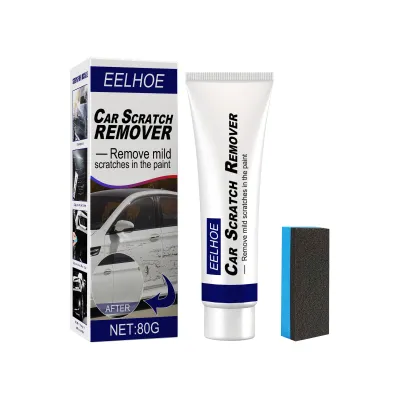
Prices are valid at publication and may change. Please refer to the product page for the latest price.
Before applying any abrasive to your vehicle, perform the fingernail test on any visible scratches. Gently run your fingernail across the scratch; if your nail catches in the groove, the scratch has likely penetrated through the clear coat into the base paint or primer. Compounding cannot fix a scratch that has gone past the clear coat, and attempting to machine it out will only strip away the surrounding protection, leaving the bare metal or primer exposed to rust. For these deep scratches, professional touch-up paint or panel repainting is required.
Remember that rubbing compound is a corrective step, not a preventative maintenance product. Every time you use an abrasive compound, you remove a microscopic layer of your car’s clear coat. Because modern factory clear coats are incredibly thin, repeated or unnecessary compounding will eventually wear the layer down completely, leading to premature clear coat failure, peeling, and fading under harsh environmental conditions.
What Tools and Materials Do You Need Before Starting?
To safely compound your car, you need a dual-action (DA) polisher, a dedicated foam or microfiber cutting pad, a high-quality rubbing compound, painter’s tape, clean microfiber towels, and a panel prep spray or isopropyl alcohol solution. Having the correct tools on hand ensures you maintain complete control over the heat and friction generated during the correction process.

When choosing a machine, a dual-action polisher is highly recommended for beginner and intermediate detailers over a rotary polisher. A dual-action polisher oscillates and rotates simultaneously, which distributes heat evenly and significantly reduces the risk of burning through the paint. Rotary polishers spin in a fixed circular motion and can generate intense heat very quickly, making them highly efficient in professional hands but incredibly risky for DIY projects.
Your choice of cutting pad must match both your compound and the hardness of your vehicle’s paint. Foam cutting pads are generally safer and more forgiving, offering a good balance of defect removal and finishing capability. Microfiber cutting pads cut more aggressively and are excellent for hard clear coats, but they require frequent cleaning to prevent the fibers from matting down and causing compounding marks. Always check the rubbing compound’s product label and your vehicle’s documentation to verify compatibility with your specific paint type, as some clear coats require specialized formulas.
Finally, gather essential safety and preparation accessories before you begin. You will need high-quality painter’s tape to mask off sensitive areas, several clean microfiber towels with a high GSM (grams per square meter) rating to prevent scratching the freshly corrected paint, and a dedicated panel prep spray to wipe away polishing oils. Wearing eye protection and a dust mask is also highly recommended, as compounding can produce fine airborne dust.
How Do You Prepare the Car Surface for Compounding?
Preparing the car surface requires a thorough wash, mechanical decontamination with a clay bar, complete drying, and masking off sensitive non-paint areas. Skipping these preparation steps will trap dirt and contaminants under your polishing pad, grinding them into the clear coat and creating deep, circular scratches.
Begin by washing the vehicle thoroughly using a high-foaming, wax-free car shampoo to remove loose dirt, dust, and road grime. Once the car is clean, perform a mechanical decontamination using a clay bar and a dedicated clay lubricant. The clay bar pulls out embedded contaminants like industrial fallout, tree sap, and asphalt that regular washing cannot remove. Run your hand over the wet paint; it should feel completely smooth like glass before you proceed to the next step.
After decontaminating, dry the vehicle completely using clean, plush microfiber drying towels, paying close attention to cracks, emblems, and door jams where water tends to hide. Move the vehicle into a shaded, cool, and well-ventilated area, such as a garage or under a carport. Never attempt to apply rubbing compound in direct sunlight or on a hot car hood. The high ambient temperatures and humidity in tropical climates will cause the compound to dry out almost instantly, leading to excessive dusting, buffer trails, and uneven correction.
The final preparation step is to tape off all non-painted surfaces using painter’s tape. Carefully cover plastic trim, rubber window seals, chrome accents, headlights, and matte finishes. Compounding pads spinning at high speeds can easily burn, discolor, or permanently stain these sensitive materials, leaving unsightly white residue that is incredibly difficult to remove.
What Is the Correct Step-by-Step Technique for Applying the Compound?
The correct technique involves priming your pad, working in small sections, using a cross-hatch pattern with a dual-action polisher, and wiping away residue immediately to inspect your progress. Consistent, controlled movements prevent uneven clear coat removal and ensure a professional finish.
Start by priming your cutting pad to ensure the entire surface has a thin layer of lubrication. Apply a few drops of rubbing compound to the pad and work it into the foam or microfiber with your fingers until the face is lightly covered. Once primed, apply three to four pea-sized drops of compound onto the pad. This is all the product you need for a single working section; using too much compound will overload the pad, cause excessive product sling, and reduce the abrasive efficiency.
Set your dual-action polisher to a moderate speed setting, typically between speed 3 and 4 on a standard five-speed dial. Before turning the machine on, place the face of the pad flat against the car’s paint. This prevents the compound from slinging across your garage. Spread the product across your designated working area—which should be no larger than a 2×2 foot (60×60 cm) section—with the machine turned off or on its lowest speed setting.
Turn the polisher to your working speed and begin moving it in a slow, overlapping cross-hatch pattern. Move the machine horizontally from left to right, overlapping each pass by about fifty percent, then switch to vertical passes from top to bottom. Maintain light to moderate, even downward pressure, ensuring the pad remains completely flat against the paint surface. Let the weight of the machine and the abrasives do the work; pushing down too hard will stall the rotation of a dual-action polisher and generate dangerous heat.
After completing four to five passes over the section, turn off the machine while the pad is still resting on the paint, then lift it away. Immediately wipe off the compound residue using a clean, dry microfiber towel. Spray the area with your panel prep solution to dissolve any remaining polishing oils, and inspect the paint under a strong, direct light source to evaluate your progress before moving to the adjacent section.
How Can You Prevent Burning Through the Clear Coat?
You can prevent burning through the clear coat by reducing speed and pressure on edges, monitoring paint temperature, and knowing when to stop if a defect does not improve. Clear coat is incredibly thin, and once it is gone, the only fix is an expensive professional repaint.
Be extremely cautious when working near body lines, panel edges, and sharp curves. The clear coat is naturally thinnest in these areas because gravity causes the paint to flow away from sharp edges during the manufacturing process. Keep your polisher away from these high-risk spots, or hand-compound them gently with very light pressure using a microfiber applicator pad.
Monitor the temperature of the paint constantly throughout the compounding process. High friction creates heat, which can soften the clear coat and lead to instant burns or paint swelling. Periodically place the back of your bare hand against the panel you are working on; if the paint feels hot to the touch, stop immediately and allow it to cool. This temperature check is especially critical in warm, humid environments where the metal panels of your car already hold significant ambient heat.
Know your limits and recognize when a scratch is too deep to safely remove. If a defect shows no improvement after two complete compounding passes, do not continue to buff the area. Attempting to completely eliminate a deep scratch often results in removing too much clear coat, which can cost thousands of pesos (₱) to repair at a professional body shop. Accept a minor, rounded-off scratch that is only visible under certain lighting rather than risking a complete burn-through.
What Are the Necessary Finishing Steps After Compounding?
After compounding, you must follow up with a fine polish to remove compounding haze, clean the surface with a prep spray, and apply a protective wax, sealant, or ceramic coating. Compounding leaves the paint bare and slightly hazy, making these finishing steps essential to restore gloss and protect the surface.
Because rubbing compounds use aggressive abrasives, they inevitably leave behind a slight haze, micro-marring, or tiny buffer trails on the clear coat. To restore optical clarity and a deep, mirror-like shine, you must follow up with a finishing polish and a soft foam polishing pad. Work the polish in the same systematic, overlapping pattern as the compound, but use lighter pressure and a slightly lower machine speed to refine the surface.
Once you finish polishing, wipe down the entire vehicle with a panel prep spray or an isopropyl alcohol solution. This step is crucial because it removes any lingering polishing oils and lubricants, leaving a completely bare, clean surface. Without this step, any protective coating you apply will bond to the oils instead of the paint, significantly reducing its durability and effectiveness.
The final step is to apply a high-quality paint sealant, car wax, or ceramic coating to protect the newly exposed clear coat. In tropical climates, this protective barrier is your car’s primary defense against intense UV rays, acid rain, bird droppings, and industrial fallout. Regularly maintaining this protective layer will keep your paint looking vibrant and reduce the need for aggressive paint correction in the future.
Community discussion
Share your experience or ask a question. Comments are reviewed before publication.