
Spotting a genuine Arai RX-7X in the Philippines requires a systematic inspection of its physical construction, functional components, and safety certifications. With the rise of online marketplaces, counterfeit riding gear has become increasingly sophisticated, making it essential to know how to distinguish a genuine premium helmet from a dangerous imitation. To verify authenticity, you must inspect the structural integrity of the outer shell, test the smooth operation of the Variable Axis System (VAS) visor mechanism, examine the quality of the interior liners, and cross-reference the safety certification stickers.
The Risks of Counterfeit Motorcycle Helmets Online
Counterfeit helmets present an extreme safety risk on the road. A genuine Arai RX-7X is engineered with a proprietary Peripherally Belted Structural Net Composite (PB-SNC2) shell and a multi-density one-piece EPS liner designed to absorb and disperse impact energy. In contrast, counterfeit helmets are typically manufactured using cheap, injection-molded ABS plastic and low-grade packaging foam that cracks easily under minimal force. During a crash, a fake helmet can shatter, failing to protect your head and potentially causing severe or fatal injuries.
The prevalence of these counterfeit products on popular e-commerce platforms in the Philippines has grown significantly. Sellers often use stock photos of genuine helmets to deceive buyers, delivering low-quality replicas instead. Beyond the shell, these fakes lack the structural reinforcement around the eyeport and the secure chin strap rivets that prevent the helmet from coming off during an accident. Investing in a counterfeit helmet compromises your safety for a lower price tag, defeating the entire purpose of wearing protective riding gear.
Products mentioned in this guide
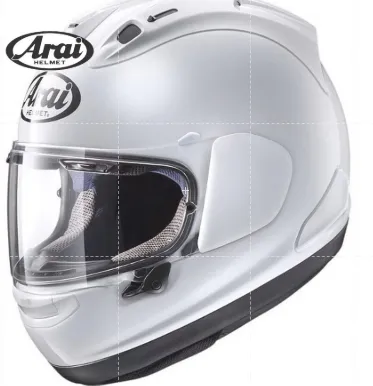
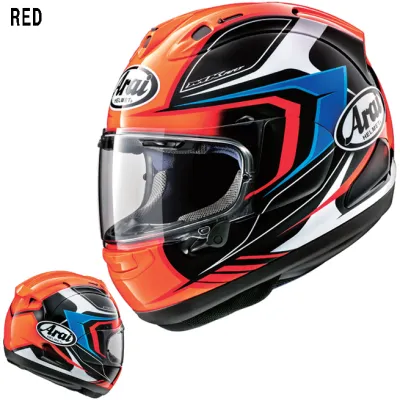
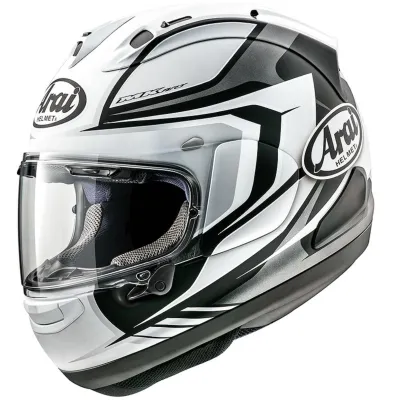
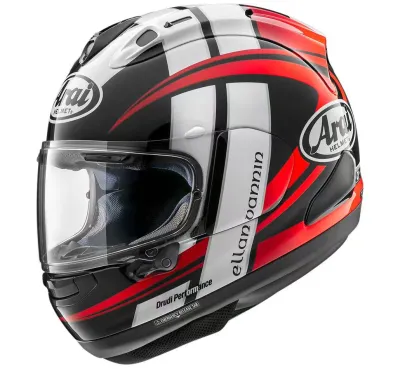
Prices are valid at publication and may change. Please refer to the product page for the latest price.
Physical and Visual Markers of a Genuine Arai RX-7X
Authenticating a premium helmet like the Arai RX-7X requires a multi-point physical inspection. You cannot rely on a single feature, as counterfeiters often attempt to replicate the most obvious visual details while ignoring complex structural elements.

Exterior Shell and Visor Mechanism
The outer shell of a genuine Arai RX-7X is hand-crafted and finished with a flawless, high-quality paint or graphic application. When running your hand over the surface, you should feel a perfectly smooth texture without any bumps, paint runs, or “orange-peel” roughness. Graphics on a real Arai are applied with extreme precision, showing no misalignment, pixelation, or color bleeding across the seams.
Another critical area is the visor mechanism, known as the Variable Axis System (VAS). On a genuine RX-7X, the visor operates with a smooth, fluid motion and locks securely into place using a dedicated shield latch on the left side. The side pods (the covers over the visor mechanism) are designed to release easily using a small lever underneath them, allowing for quick visor changes. Counterfeit helmets often feature stiff, gritty visor movements, lack the proper VAS mechanism, or use cheap plastic side pods that feel fragile and do not align correctly with the shell.
Interior Padding and Labeling
The comfort liner of an authentic RX-7X is made from high-quality, moisture-wicking materials designed to withstand the hot and humid Philippine climate. The stitching on the removable cheek pads and crown liner is perfectly even, tight, and free of loose threads. Genuine Arai liners feature the Emergency Release System (ERS), indicated by bright orange or red pull tabs on the underside of the cheek pads, which allow emergency responders to safely remove the helmet.
When you inspect the interior, look closely at the labeling and the materials used underneath the padding. The EPS liner should have a clean, dark grey or black finish, and the manufacturing date, model name, and size labels should be clearly printed on a durable tag stitched to the chin strap or adhered to the inner shell. A common red flag for counterfeit helmets is a strong, toxic chemical or glue odor emanating from the internal foam, indicating the use of cheap adhesive materials that can cause skin irritation or respiratory discomfort in tropical heat.
Certification Stickers and External Badges
External branding on a genuine RX-7X is typically applied under the protective clear coat of the shell, meaning you cannot peel off the main “Arai” logo on the forehead. The front ventilation ducts and rear spoilers are made of high-grade polycarbonate, securely attached with specialized adhesive or small screws that do not show visible glue residue.
Safety certification stickers are another crucial indicator, though they vary based on the region for which the helmet was manufactured. Genuine helmets imported officially into the Philippines usually carry the Import Commodity Clearance (ICC) or Philippine Standard (PS) sticker, alongside international certifications like SNELL (such as SNELL M2020) or JIS (Japanese Industrial Standards). Ensure these stickers are perfectly aligned, printed on high-quality metallic or vinyl material, and do not peel off easily. Counterfeit stickers are often poorly printed, contain spelling mistakes, or use a generic design that easily scratches off with a fingernail.
Red Flags: How to Identify a Fake Arai RX-7X
Identifying a fake Arai RX-7X often comes down to recognizing common defects and unrealistic sales conditions. The most obvious red flag is an unusually low price. A genuine RX-7X typically retails between ₱45,000 and ₱65,000 in the Philippines, depending on the graphic design and rider replica edition. If you find a seller offering a brand-new RX-7X for ₱2,000 to ₱8,000, it is guaranteed to be a counterfeit product, as premium hand-crafted helmets cannot be manufactured or sold at such low price points.
Inspect the packaging and accessories carefully. A genuine Arai helmet comes in a sturdy, high-quality cardboard box with clear, high-resolution printing showing the Arai logo, model details, and bar codes matching the helmet’s serial number. Inside, you will find a thick, soft blue or grey fabric helmet bag with a plush interior to prevent scratches, a detailed user manual, and a small bottle of genuine silicone lubricant for the visor seals. Counterfeit helmets are often shipped in flimsy, generic boxes with low-resolution graphics, and they include cheap, thin nylon drawstring bags and poorly translated, low-quality instruction leaflets.
Verifying Authenticity and Choosing Authorized Dealers
To guarantee you are purchasing an authentic Arai RX-7X, you should buy exclusively from authorized Arai dealers, official brand stores, or highly reputable physical motorcycle gear shops in the Philippines. Authorized distributors maintain direct relationships with the manufacturer, ensuring that every helmet meets strict safety standards and is covered by the official warranty.
When shopping online, do not rely solely on “Mall” or “Official Store” badges on e-commerce platforms. While these tags offer some level of security, third-party resellers can sometimes bypass initial verification checks or sell parallel imports of questionable origin. Always cross-reference the seller’s name with the official distributor lists provided on Arai’s global website. If a seller cannot provide clear documentation of their authorization status or refuses to show close-up photos of the physical helmet’s safety certifications, you should look elsewhere.
Steps to Take If You Receive a Suspected Counterfeit
If you suspect you have received a counterfeit Arai RX-7X, do not wear it under any circumstances, even for a short ride. A counterfeit helmet does not offer the impact protection required by law and will fail to protect you in an accident. Using a fake helmet puts your life at risk on the road.
Immediately document all discrepancies by taking clear, high-resolution photos and videos of the packaging, the low-quality stitching, the visor mechanism, and any suspicious stickers. Contact the customer support team of the e-commerce platform where you made the purchase to initiate a return and refund claim under their buyer protection policy. Clearly state that the item received is a counterfeit safety product. Avoid communicating or arranging returns directly with the seller outside the platform’s official mediation system, as this can void your buyer protection and lead to further financial loss.
Frequently Asked Questions (FAQ)
When verifying the authenticity of an Arai RX-7X, buyers often have specific questions regarding digital tracking and regional safety standards. Below are the answers to the most common queries.
Can I verify an Arai RX-7X serial number online?
Arai does not maintain a public, consumer-facing online database where you can input a serial number to instantly verify authenticity. To check a serial number, you should contact the official Arai distributor in the Philippines or visit a physical authorized retail store. They can cross-reference the serial number on the chin strap and the helmet box with their official shipment and inventory records to confirm if the unit is genuine. Avoid using third-party verification websites, as these are often unofficial and may harvest your personal information.
Are all Arai RX-7X helmets without a SNELL sticker fake?
No, a genuine Arai RX-7X does not always have a SNELL sticker. Safety certification requirements vary depending on the specific global market the helmet was manufactured for. For example, a genuine RX-7X produced for the Japanese domestic market will feature a JIS certification sticker, while the European equivalent (often designated as the RX-7V) will carry an ECE 22.05 or ECE 22.06 sticker. Official imports destined for the Philippine market will also feature local ICC or PS marks. Always verify which market variant you are purchasing to understand which certification stickers should be present.
Community discussion
Share your experience or ask a question. Comments are reviewed before publication.