
Verifying the authenticity of an RCB E3 brake master cylinder when buying online requires a systematic approach that combines physical inspection, digital verification, and careful seller evaluation. Because counterfeit motorcycle parts are prevalent in online marketplaces, riders must look for high-quality CNC machining, precise laser-etched markings, robust packaging, and valid manufacturer security codes. Ensuring you receive a genuine rcb e3 brake master is paramount to your safety on the road, as substandard braking components can lead to sudden and catastrophic system failure.
Before purchasing or attempting to install any aftermarket brake component, always verify your vehicle’s specific model, year, interface compatibility, mounting position, and local road legality using the official product documentation and your motorcycle’s factory manual. Because braking systems are critical safety components, any disassembly, installation, or modification should be performed by a qualified professional mechanic to ensure correct hydraulic pressure and system integrity.
The Safety Risks of Counterfeit Brake Master Cylinders
The brake master cylinder is the heart of your motorcycle’s hydraulic braking system. When you pull the brake lever, the master cylinder converts that mechanical force into hydraulic pressure, forcing brake fluid through the lines to actuate the caliper pistons and compress the brake pads against the rotor. This process requires extreme precision and high-strength materials to withstand the immense pressures generated during emergency stops.
Products mentioned in this guide
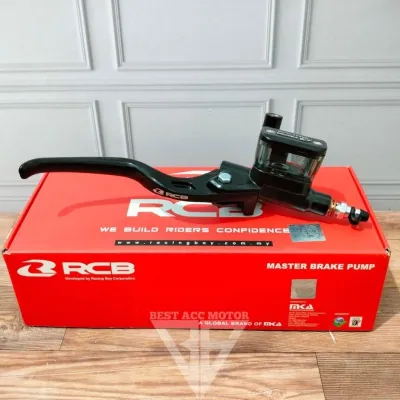
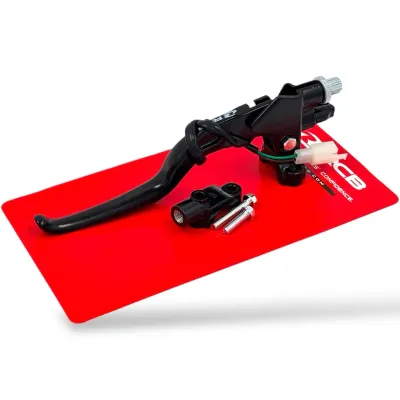
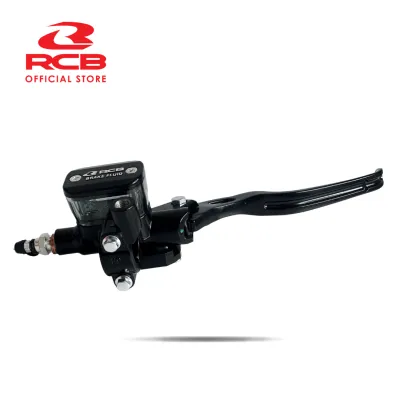
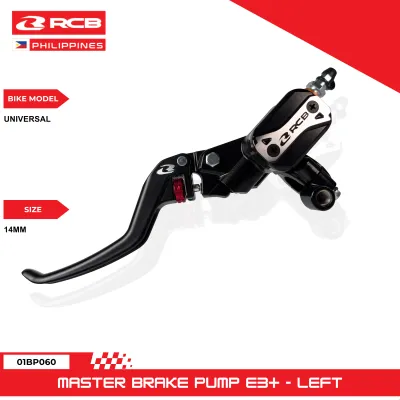
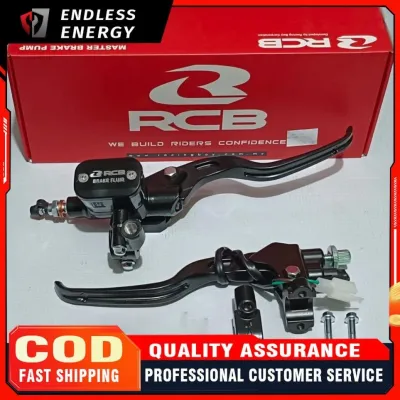
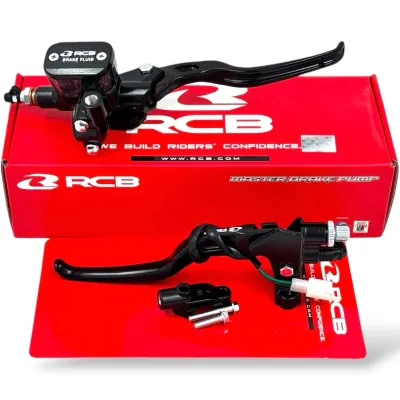
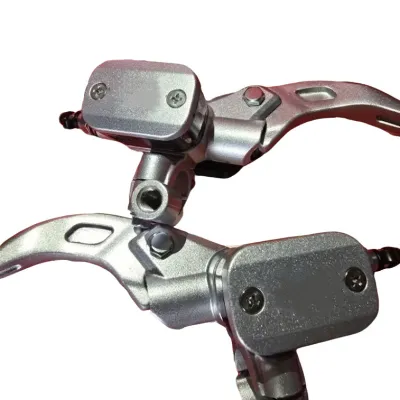
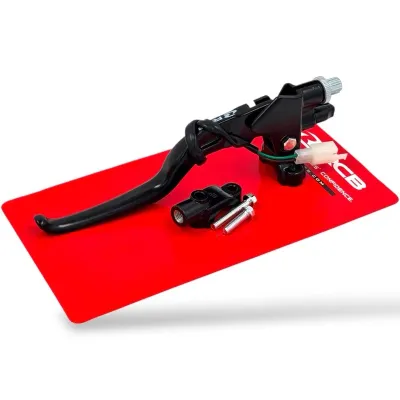
Prices are valid at publication and may change. Please refer to the product page for the latest price.
Counterfeit brake components are manufactured without regulatory oversight, quality control, or material certifications. Common failure modes of fake master cylinders include substandard internal rubber seals that degrade rapidly when exposed to heat and glycol-based brake fluids (such as DOT 3 or DOT 4). When these seals fail, the system loses hydraulic pressure, causing the brake lever to pull completely to the handlebar without slowing the vehicle.
Furthermore, cheap cast aluminum alloys used in counterfeit reservoirs and bodies are prone to cracking under sudden high-pressure loads. Internal pistons in fake units often suffer from poor machining tolerances, which can cause the piston to jam inside the cylinder bore, either locking the front wheel unexpectedly or leaving the rider with no braking capability at all.
No financial savings can justify the risk of total brake failure. Compromised brake parts pose a severe threat to your life, your passenger, and the public. This risk is amplified under demanding riding conditions, such as navigating the steep, winding descents of the Cordillera region or handling sudden stops in heavy, humid Metro Manila traffic.
Inspecting Packaging, Markings, and Build Quality
A physical inspection is your first line of defense when your online order arrives. Genuine Racing Boy (RCB) products are manufactured to strict tolerances, and their packaging reflects the brand’s commitment to quality. Counterfeiters often cut corners on packaging materials and finishing details to maximize their profit margins.

Packaging and Included Accessories
Genuine RCB packaging is constructed from thick, high-grade cardboard designed to protect the precision components during transit. The printing on the box must be sharp and clear, featuring high-resolution graphics, accurate color reproduction, and correct typography. Counterfeit boxes often use thin, flimsy cardboard that crushes easily, and the printed text or logos may appear blurry, faded, or slightly misaligned.
Inside the box, look for official RCB documentation, which typically includes a detailed user manual, a warranty card, and authentic branding stickers. The text in these documents should be written in clear, grammatically correct language; spelling errors or poor translations are immediate red flags.
Additionally, inspect the provided mounting hardware, such as the banjo bolts and the copper or aluminum crush washers. Genuine RCB hardware features clean, precise threads and a consistent, corrosion-resistant finish. Mismatched, rough, or poorly finished hardware indicates a high probability of a counterfeit product.
Physical Build and Finishing Details
The genuine RCB E3 master cylinder body is crafted using precise CNC machining, resulting in smooth, consistent surfaces. Run your fingers along the metal edges; there should be no sharp burrs, tool marks, or rough casting flash. Counterfeit units are often made using cheap casting methods, leaving a rough, grainy texture on areas that should be perfectly smooth.
Examine the anodizing quality of the master cylinder body and lever. Genuine anodizing provides a deep, consistent color that resists fading from UV exposure and tropical humidity. Fake units often feature an overly bright, painted, or poorly anodized finish that scratches easily, flakes off near pivot points, or shows uneven color saturation across different sections of the metal.
The RCB logo and model designations on an authentic unit are applied using precise laser etching or deep, clean engraving. These markings remain sharp and highly legible under close inspection. In contrast, counterfeiters often use cheap surface paint, shallow stamping, or low-quality stickers that can be easily scraped off with a fingernail.
Finally, inspect the fluid reservoir cap and the internal rubber diaphragm. The genuine diaphragm is made of high-quality, pliable, chemical-resistant rubber that forms a perfect seal to prevent moisture and air from entering the hydraulic system. Counterfeit diaphragms are often stiff, poorly molded, or emit a strong, unpleasant chemical odor characteristic of low-grade recycled plastics.
Common Red Flags in Fake RCB E3 Brake Master Units
Identifying a counterfeit rcb e3 brake master requires a keen eye for manufacturing shortcuts. One of the most common red flags is typographical errors on the product body, packaging, or instruction manuals. Spelling mistakes in the brand name, model designations, or safety warnings are clear indicators of a fake.
Inspect the brake lever pivot point and the lever itself. On a genuine RCB E3, the pivot mechanism operates smoothly with minimal lateral play, utilizing high-quality bushings and a precisely machined pivot bolt. Counterfeit units often have loose, rattling levers, rough pivot pins, and sharp, unfinished edges where the lever meets the master cylinder body.
Pay close attention to the threaded connections for the banjo bolt and the brake line attachment points. Poorly cut, shallow, or cross-threaded connections are major safety hazards. These manufacturing defects prevent the banjo bolt from sealing correctly against the crush washers, leading to immediate fluid leaks and a catastrophic loss of hydraulic pressure when you pull the lever.
Look closely at any visible rubber seals or boots around the piston plunger. If the rubber feels flimsy, brittle, or ill-fitting, it will fail quickly under the high operating temperatures of motorcycle braking systems.
It is critical to understand that counterfeiters constantly refine their production methods to make their fakes look more convincing. While the presence of these physical flaws strongly indicates a fake, the absence of obvious flaws does not guarantee authenticity. You must always combine physical inspection with digital verification and secure sourcing.
Using Official Verification and Serial Number Checks
To combat the spread of counterfeit parts, RCB implements official security features on their products and packaging. Genuine units come equipped with security labels that feature a unique serial number, a scratch-off verification code, a QR code, or an anti-counterfeit hologram.
To verify your product, locate the scratch-off area on the security label to reveal the unique verification code. Access the official RCB verification system only through the brand’s official website portal or their authorized verification applications. Avoid scanning QR codes that direct you to third-party, unofficial websites, as counterfeiters often set up fake verification pages to validate their cloned serial numbers.
When you input the scratch-off code or scan the official QR code, the system should confirm that the product is genuine and, crucially, that this is the first time the code has been queried. If the system indicates that the serial number has been searched multiple times, it is a cloned code printed on multiple counterfeit units.
Do not rely on generic, third-party barcode or QR scanning apps to confirm authenticity. These apps merely read the text encoded in the barcode or link; they cannot verify whether the manufacturer’s database recognizes the specific serial number as a unique, genuine unit.
Navigating Online Marketplaces and Authorized Dealers
The most effective way to avoid counterfeit parts is to purchase from reputable sources. When shopping on major online marketplaces in the Philippines, prioritize official brand flagship stores, authorized national distributors, or highly rated specialty motorcycle parts shops. Look for platform-verified badges that indicate official retail status.
Check the seller’s history, overall rating, and customer feedback. Focus on detailed reviews that include unedited photos and videos of the actual received product and packaging. Be skeptical of shops with generic names, high volumes of stock at impossibly low prices, or reviews that sound repetitive and artificial.
Buying from unverified social media sellers, peer-to-peer marketplaces, or listings that demand direct bank transfers outside the platform’s secure payment gateway carries a high risk of receiving counterfeit goods.
If you are uncertain about an online seller’s legitimacy, consult the official RCB dealer locator or contact the authorized Philippine distributor directly. They can confirm whether the online storefront is an authorized partner selling genuine inventory. Genuine RCB E3 brake master cylinders typically retail within a consistent price band (often ranging from ₱2,500 to ₱4,500 depending on the specific model variant and reservoir type); listings priced significantly below this range should be treated with extreme suspicion.
What to Do If You Receive a Suspected Counterfeit
If you suspect your new master cylinder is a counterfeit, do not install, bleed, or test it on your motorcycle. Installing a compromised brake component puts your safety at immediate risk. Keep the product in its original packaging and handle it carefully.
Take clear, well-lit photos and videos of the packaging, the product from multiple angles, the security labels, and any specific physical red flags you identified. Documenting the unboxing process is highly beneficial for proving your case.
Log into the online marketplace where you made the purchase and initiate a return or refund request immediately. Use the platform’s official buyer protection program, selecting “counterfeit product” or “item not as described” as the reason. Provide your documented photos and verification search results as evidence.
Help protect the local riding community by reporting the fraudulent listing and the seller’s shop to the platform’s administration. Removing these listings prevents other riders from unknowingly purchasing dangerous, substandard brake components.
Frequently Asked Questions (FAQ)
Can I rely solely on a low price to identify a fake RCB E3?
No, you cannot rely solely on price. While an extremely low price is a major warning sign, sophisticated counterfeiters often price their fake units just slightly below the genuine retail price (for example, offering a fake for ₱2,200 when the genuine unit retails for ₱2,800). This tactic makes the listing appear like a legitimate discount rather than a counterfeit, helping them avoid suspicion. Always combine price evaluation with physical inspection and official serial number verification.
Is it safe to install a suspected counterfeit on the rear brake only?
No, it is never safe to install a suspected counterfeit brake master cylinder on any part of your motorcycle’s braking system. While some riders mistakenly believe the rear brake is less critical than the front, both brakes are essential for stable stopping, managing weight transfer, and maintaining vehicle control, especially on wet or slippery Philippine roads. A failure of the rear master cylinder can lead to a sudden loss of stopping power, hydraulic fluid leaking onto your rear tire (which causes immediate loss of traction), or a locked rear wheel. Never compromise on any component of your hydraulic brake circuit.
Community discussion
Share your experience or ask a question. Comments are reviewed before publication.