
To verify if a TMX 155 timing gear is genuine, you must inspect the packaging for high-resolution printing, check the metal body for crisp, laser-etched or deeply stamped part numbers, and look for smooth, uniform teeth free of casting burrs. Counterfeit gears typically feature rough-edged teeth, misaligned or painted-on markings, and flimsy, poorly printed packaging.
The Honda TMX 155 is a legendary workhorse on Philippine roads, widely relied upon for daily commutes and heavy-duty tricycle operations. To maintain this engine’s exceptional durability, every internal component must meet strict manufacturer specifications. Installing a counterfeit timing gear is a high-risk gamble that can lead to sudden mechanical breakdown, costly repairs, and dangerous engine lockups while riding.
Why Genuine Timing Gears Matter for Your TMX 155
The timing gear plays a vital role in synchronizing the rotation of the crankshaft and the camshaft, ensuring that the engine’s valves open and close at the exact microsecond required for combustion. In the TMX 155, this mechanical harmony is essential for maintaining optimal power delivery and fuel efficiency under heavy loads. Because the timing gear is subjected to constant rotational stress and high engine temperatures, its structural integrity is paramount.
Products mentioned in this guide
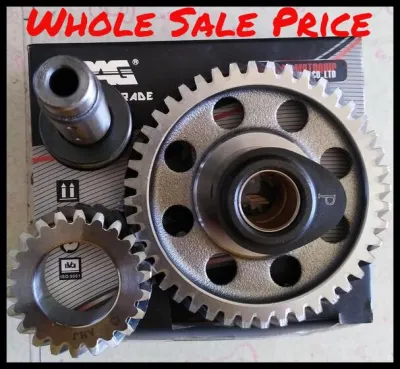
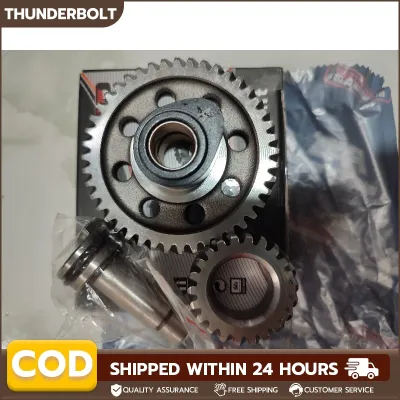
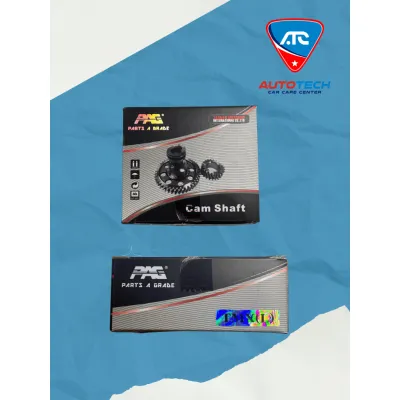
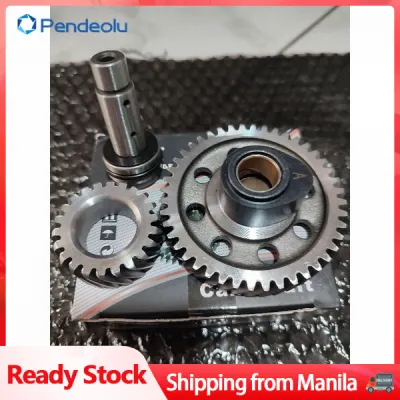
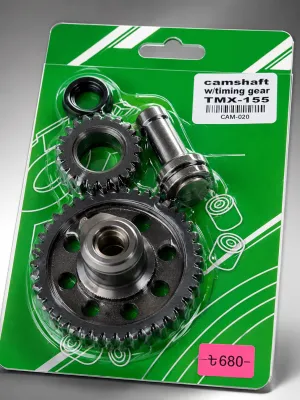
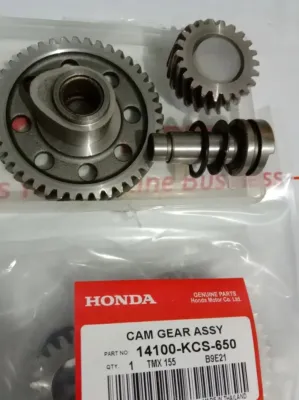
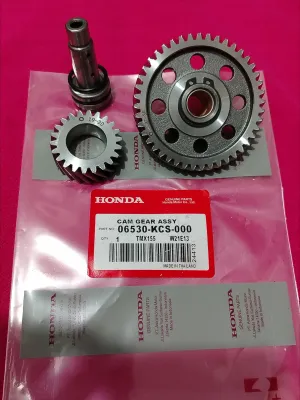
Prices are valid at publication and may change. Please refer to the product page for the latest price.
If a counterfeit timing gear is installed, the consequences are often catastrophic. Poor-quality metals can warp, strip their teeth, or shear entirely under load. When the timing gear fails, the synchronization between the piston and the valves is instantly lost. This mismatch typically results in the piston slamming into open valves, causing bent valves, damaged piston crowns, and a cracked cylinder head.
Beyond the immediate safety risk of your engine seizing in the middle of busy traffic, the financial toll of using a fake part is severe. While a genuine timing gear may cost more upfront, a counterfeit gear can turn a simple maintenance job into an expensive engine overhaul costing thousands of Philippine Pesos (₱). Always prioritize safety and performance by verifying every internal component before it goes into your crankcase.
Before purchasing or attempting to install any internal engine parts, always consult your original vehicle owner’s manual and the official manufacturer’s service guidelines. Because timing gear replacement requires precise engine timing alignment and specific torque limits, this procedure should only be performed by a qualified motorcycle mechanic to prevent severe engine damage or safety hazards on the road.
Key Visual and Physical Signs of a Genuine TMX 155 Timing Gear
Spotting a fake timing gear requires a keen eye and a methodical inspection process. By comparing the packaging and the physical gear against known OEM standards, you can confidently identify an authentic part before it ever touches your engine.

Packaging and Labeling Details
Genuine packaging is designed to protect precision metal components from the high humidity and tropical climate of the Philippines. Authentic gears typically arrive in sturdy, high-grade cardboard boxes or heavy-duty, sealed plastic packaging that prevents moisture intrusion and rust. The printing on the box should be sharp, clear, and feature consistent brand colors and logos without any bleeding or misalignment.
Pay close attention to the product label. Genuine labels display clear, well-spaced text, accurate part numbers, and intact security seals or holographic stickers that shift color when tilted under light. Counterfeit packaging often uses thin, flimsy cardboard that easily deforms. The text on fake labels may appear blurry, off-center, or contain spelling errors. Remember that while high-quality packaging is a good sign, clever counterfeiters can replicate boxes, making a physical inspection of the gear itself absolutely necessary.
Part Markings, Engravings, and Build Quality
Once you remove the timing gear from its packaging, examine the metal surface under good lighting. Genuine TMX 155 timing gears are manufactured using high-precision CNC machining and forging processes. This results in perfectly uniform gear teeth with smooth, clean profiles and absolutely no casting lines, burrs, or rough edges that could disrupt the gear’s rotation.
Look closely for manufacturer markings and part numbers engraved on the face of the gear. Genuine parts feature clean, laser-etched or deeply stamped identification codes that are perfectly aligned and easy to read. These markings are applied during the manufacturing process and will not wear off easily.
The metal finish of an authentic gear is consistent, showing professional heat treatment and machining marks. There should be no signs of uneven coloration, rust, or superficial paint used to hide casting defects. If the metal looks dull, porous, or has a rough, sand-like texture, it is highly likely a cast counterfeit rather than a forged, high-strength genuine component.
Common Red Flags in Counterfeit Timing Gears
Identifying a counterfeit part is often about spotting the subtle shortcuts taken during cheap manufacturing. One of the most obvious red flags is uneven tooth spacing or rough, sharp edges on the gear teeth. These imperfections cause excessive friction, which can rapidly wear down the mating components and lead to premature timing chain or gear failure.
Another common warning sign is the presence of visible casting seams or mold lines running along the sides or center of the gear. Genuine gears are forged and precision-machined, meaning they do not have these rough joint lines. If you notice that the manufacturer’s logo or part number is superficially painted on, crooked, or easily scraped off with a fingernail or a drop of cleaning solvent, the part is almost certainly a fake.
Packaging defects are also strong indicators of a counterfeit. Look out for low-resolution graphics, mismatched brand colors, missing batch codes, or labels that are peeling off due to cheap adhesive.
While a single minor visual flaw might occasionally occur due to shipping wear, a combination of these red flags is a definitive warning sign. Never compromise on engine safety; if you observe multiple defects, halt the installation immediately and do not run the engine with the suspect part installed.
Reliable Ways to Verify Authenticity Before and After Purchase
Protecting your motorcycle from counterfeit parts requires a proactive approach to sourcing and verification. By combining smart purchasing habits with professional verification, you can eliminate the risk of installing a faulty gear.
Choosing Authorized and Trusted Sellers
The most effective way to avoid counterfeit parts is to control where you shop. Always purchase your TMX 155 engine components from authorized flagship dealerships, official brand service centers, or highly reputable, long-standing local motorcycle parts shops in your area. These establishments source their inventory directly from authorized distributors, ensuring part legitimacy.
Be extremely cautious when shopping on general online marketplaces or e-commerce platforms. While these platforms offer convenience, they are also common channels for unauthorized third-party sellers distributing cheap imitations. If you see a timing gear advertised at an unusually low price—such as ₱150 when the standard retail price is significantly higher—treat it as a major red flag. Before buying online, thoroughly check the seller’s ratings, read recent customer reviews for any mentions of counterfeit parts or premature failures, and verify that the store has a clear, functional return policy.
Dealer Verification and Part Number Checks
Before completing your purchase or opening the sealed inner packaging, cross-reference the part number printed on the box with the official Honda TMX 155 parts catalog. Ensure that every digit and letter matches the exact specification for your motorcycle’s model year and engine type.
If you have already purchased the part from a third-party seller and feel uncertain about its authenticity, bring the gear to an authorized service center. An experienced, professional motorcycle mechanic can perform a visual and physical inspection, comparing it to known genuine stock.
Additionally, check the packaging for modern verification tools such as scratch-off labels revealing unique serial numbers, QR codes, or official manufacturer verification apps. Always ensure that any scanned QR code directs you to the official, secure manufacturer domain rather than a cloned, lookalike website designed to validate fake serial numbers.
What to Do If You Suspect You Bought a Fake Part
If your physical inspection or dealer check reveals that the timing gear is a counterfeit, the most critical step is to avoid installing it. Running a motorcycle with a fake timing gear risks catastrophic engine failure that could cost you thousands of pesos in repairs and leave you stranded on the road.
Keep all original packaging, labels, receipts, and invoices intact. Take clear, well-lit photos of the counterfeit indicators, such as blurry labels, rough gear teeth, or misaligned stamps. Contact the seller immediately to demand a full refund, citing the specific physical discrepancies you identified.
If the seller is uncooperative or refuses to issue a refund, escalate the matter by reporting the shop to the e-commerce platform’s customer support team. For local physical stores in the Philippines, you can file a formal complaint with consumer protection agencies like the Department of Trade and Industry (DTI). The temporary inconvenience of returning a part and waiting for a genuine replacement is a minor trade-off compared to the steep cost and safety hazards of a blown engine.
Frequently Asked Questions (FAQ)
Can I use a timing gear from a different motorcycle model on my TMX 155?
No, you should never attempt to use a timing gear from a different motorcycle model, even if it physically fits onto the shaft. Minor differences in tooth count, pitch angle, gear thickness, or metal hardening specifications can disrupt your engine’s precise timing. Using an incompatible gear can lead to rapid wear, timing slippage, and severe internal engine damage. Always verify and use the exact OEM part number specified for the TMX 155.
Does a heavier timing gear always mean it is genuine?
No, weight is not a reliable indicator of authenticity. While genuine parts are engineered with high-quality forged steel to meet precise weight standards, counterfeiters often use cheap, unrefined cast iron or dense alloys to mimic the heavy feel of an authentic part. Instead of relying on weight, focus your inspection on the precision of the machining, the quality of the engraved markings, and the reputation of the seller.
Community discussion
Share your experience or ask a question. Comments are reviewed before publication.