
To spot a fake TRC brake master set when shopping on online marketplaces in the Philippines, you must perform a systematic inspection of the product packaging, physical casting quality, and seller credentials. Genuine sets feature high-resolution packaging with secure verification labels, crisp and deeply engraved brand logos, a smooth anodized finish, and robust hardware. Counterfeits, by contrast, often display blurry printing, shallow or misaligned stamping, rough cast lines, and suspiciously low prices. Because your motorcycle’s braking system is its most critical safety feature, verifying these details before mounting the component is essential for your safety on the road.
Navigating the busy streets of Manila, Cebu, or Davao requires absolute confidence in your motorcycle’s stopping power. Upgrading to a high-quality brake master cylinder set is a popular way to improve lever feel and braking performance, but the market is flooded with convincing imitations. Before purchasing any aftermarket brake component, you must verify its compatibility with your specific motorcycle model, year, mounting position, and hose interface. Because improper installation can lead to sudden brake failure, always refer to your vehicle’s original service manual and have a qualified mechanic install the new master cylinder to ensure road legality and optimal performance.
Why Authenticity Matters for Brake Master Cylinders
The brake master cylinder is the heart of your motorcycle’s hydraulic braking system. When you squeeze the brake lever, the master cylinder forces brake fluid through the lines to compress the caliper pistons against the brake discs. If any part of this system fails, you lose the ability to slow down or stop, putting your life and the lives of other road users at extreme risk.
Products mentioned in this guide
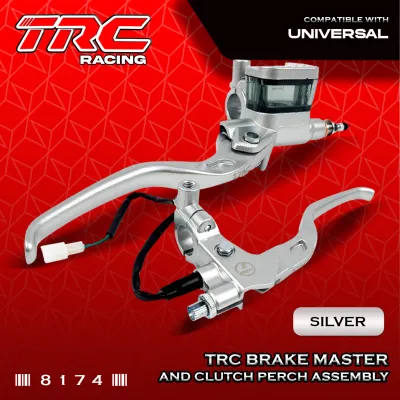
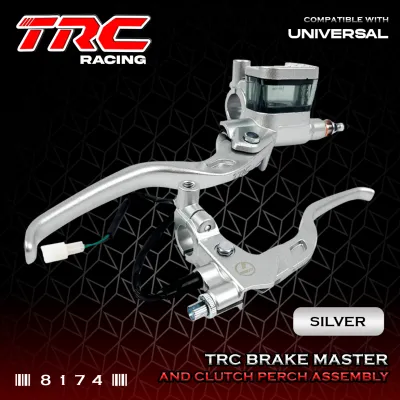
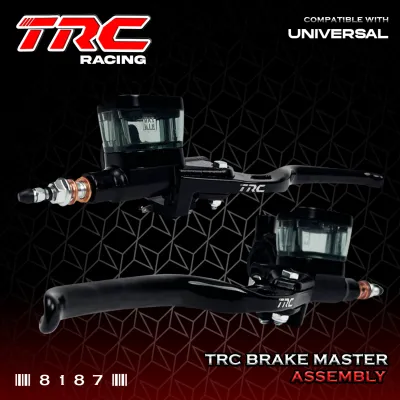
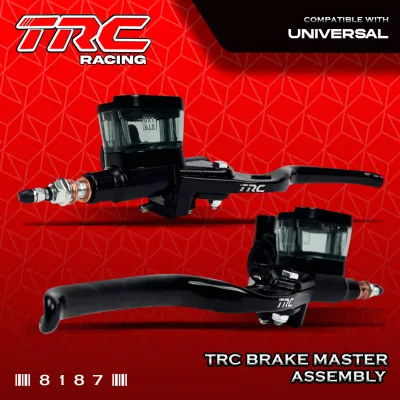
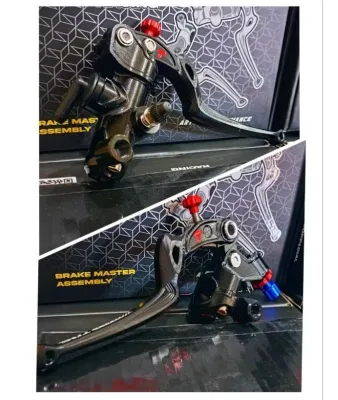
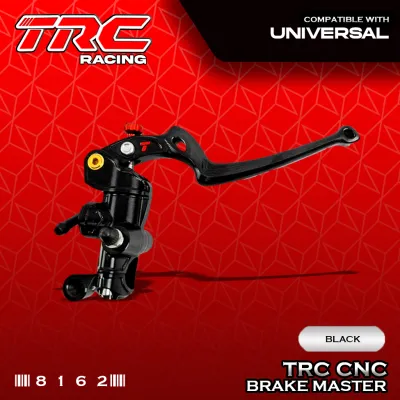
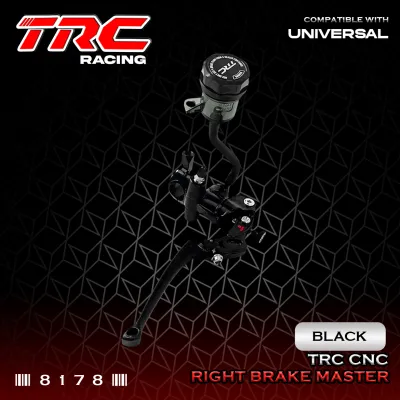
Prices are valid at publication and may change. Please refer to the product page for the latest price.
Counterfeit brake master sets are dangerous because they are manufactured without strict quality control or standardized materials. Fake sets frequently utilize low-grade rubber seals inside the cylinder bore. Under the intense heat of the Philippine climate and the constant friction of stop-and-go traffic, these substandard seals can quickly degrade, tear, or swell. This leads to internal fluid bypass or external leaks, resulting in a spongy lever feel or a sudden, complete loss of hydraulic pressure when you need it most.
Furthermore, counterfeit manufacturers often use cheap, porous cast aluminum alloys instead of high-density, forged, or precisely machined metals. Under heavy panic-braking stress, these weak metals can warp, crack, or snap entirely. A sudden structural failure of the master cylinder body or the lever pivot bracket will instantly disable your front brake, making high-speed riding incredibly hazardous.
Visual and Physical Checks to Spot a Fake TRC Set
When your package arrives, or while closely examining high-resolution product listings, use these physical indicators to evaluate the authenticity of the brake master set:

- Packaging Quality and Typography: Genuine TRC products are shipped in sturdy, high-quality cardboard boxes with sharp, high-resolution printing. Examine the text carefully for spelling mistakes, grammatical errors, or blurry logos. Counterfeiters often scan original boxes, resulting in slightly pixelated graphics, faded colors, or misaligned text on the packaging.
- Casting Marks and Logo Engraving: Inspect the metal body of the master cylinder. Genuine units feature clean, crisp, and deeply engraved or cast logos with uniform depth. On fake sets, the brand name is often shallow, unevenly stamped, or displays rough edges where the engraving tool vibrated. Look for casting flash—excess metal ridges along the seams—which indicates cheap, low-pressure sand casting molds.
- Material Finish and Weight: Authentic master cylinders undergo precise surface machining and high-grade anodizing to protect the metal from humid tropical air and corrosive brake fluid. The finish should be smooth and consistent. Fakes often use cheap spray paint or low-quality anodizing that feels rough, scratches easily, or bubbles when exposed to a drop of brake fluid. Additionally, genuine sets feel solid and heavy in the hand, whereas counterfeits made of cheap zinc or thin aluminum alloys often feel noticeably lighter.
- Included Hardware and Accessories: Pay close attention to the smaller components in the set, such as the reservoir cap, rubber boots, banjo bolts, and copper washers. Genuine sets include durable, weather-resistant rubber boots and high-tensile banjo bolts with clean, precise threads. Fake sets often bundle soft-metal bolts that strip easily during installation and stiff, plastic-like rubber seals that crack after minimal exposure to sunlight and heat.
Verifying the Seller and Online Listing
Protecting yourself from counterfeit parts starts before you click the buy button. When browsing online marketplaces, take the time to audit the seller’s profile and the listing details:
- Analyze Product Photos: Be highly suspicious of listings that only use generic stock photos or low-resolution images copied from other shops. Reputable sellers usually upload original, high-resolution photos of the actual stock in their shop, showing the product from multiple angles, including close-ups of the packaging and the cylinder body.
- Check Seller Ratings and Reviews: Look for established online stores with a high positive rating and a history of selling motorcycle parts. Do not just look at the overall star rating; filter the reviews to read the one-star and two-star feedback. Look for specific complaints from local riders mentioning "fake," "imitation," "leaking fluid," or "poor thread quality." Be wary of stores with hundreds of repetitive, generic five-star reviews that lack actual photos of the installed product.
- Identify Pricing Red Flags: Compare the price of the listing against the average market rate from established physical motorcycle shops. For example, if reputable local dealers sell a genuine TRC brake master set for around ₱1,800, a listing offering the exact same model for ₱600 is almost certainly a counterfeit. Authentic safety components require quality materials and manufacturing, which makes extreme discounts economically impossible for genuine products.
Safe Purchasing Channels and Official Verification
To minimize the risk of buying a dangerous counterfeit, always prioritize secure and verified purchasing channels:
- Authorized Distributors and Flagship Stores: Purchase directly from the brand's official flagship store on major e-commerce platforms, or from authorized local distributors. Many reputable physical motorcycle shops in major trading hubs also run verified online storefronts.
- Manufacturer Verification Features: Check the product packaging for official security features. Many manufacturers now include scratch-off labels revealing a unique serial number or a secure QR code. You can scan this code or enter the serial number on the manufacturer's official website to instantly verify if the product is genuine.
- Direct Inquiry: If you are uncertain about a specific online seller, contact the brand's official social media page or local importer. Send them a link to the online listing and ask if the seller is an authorized dealer. Legitimate brands are usually eager to help riders verify their products to protect their brand reputation.
What to Do If You Suspect a Counterfeit
If you receive a brake master set and your visual inspection raises red flags, take immediate action to protect your safety and your money:
- Do Not Install the Part: Never mount a suspected counterfeit brake master cylinder on your motorcycle. Running brake fluid through the cylinder or mounting it to your handlebars will make the item look used, which can void your ability to return it. More importantly, riding with a compromised brake system is an unacceptable safety risk.
- Document the Evidence: Take clear, well-lit photos and videos of the suspected counterfeit features, focusing on blurry packaging, rough casting, or shallow logos. Keep all original packaging, shipping labels, and invoices intact.
- File a Return and Refund Claim: Open a dispute immediately through the e-commerce platform's buyer protection program. Select the appropriate reason, such as "received a counterfeit product" or "item not as described," and upload your documented photo and video evidence.
- Report the Seller: Report the fraudulent listing and the seller's store to the platform administrators. This helps clean up the online marketplace and prevents other riders in the community from unknowingly purchasing dangerous, substandard brake components.
Frequently Asked Questions (FAQ)
Can I test a brake master cylinder for authenticity before installing it?
You cannot safely perform a hydraulic pressure test without mounting the unit and filling it with brake fluid, which will prevent you from returning it if it is fake. Instead, rely on a thorough visual and physical inspection of the casting, packaging, and hardware before installation. Check the part numbers against official catalogs. For absolute peace of mind, take the unmounted set to a qualified motorcycle mechanic who can inspect the build quality and verify its compatibility with your motorcycle before any installation work begins.
Are cheaper alternative brands better than a fake TRC master set?
Yes, a genuine, certified budget-friendly brand is always a safer choice than a counterfeit premium part. Legitimate budget brands must adhere to basic manufacturing standards, quality control, and material specifications to protect their business reputation. Counterfeit parts, on the other hand, have zero quality control, use unpredictable materials, and are designed solely to mimic the appearance of a premium brand without any regard for rider safety.
Community discussion
Share your experience or ask a question. Comments are reviewed before publication.