
The Chevrolet Trailblazer is a popular midsize SUV in the Philippines, favored for its robust diesel engine and dependable road presence. However, keeping its automatic transmission operating smoothly under intense tropical heat and grueling traffic requires uncompromising care. The lifeblood of this system is the automatic transmission fluid (ATF), which must meet precise performance standards to protect internal components. Unfortunately, the local automotive aftermarket has seen an influx of counterfeit lubricants, making it easy for unsuspecting vehicle owners to purchase substandard products.
To spot fake trailblazer atf oil before it damages your vehicle, you must perform a systematic inspection of the bottle’s packaging, analyze the physical characteristics of the fluid itself, leverage manufacturer verification tools, and purchase exclusively from authorized channels. Taking these precautions is essential to safeguard your SUV’s transmission from catastrophic failure.
Why Counterfeit ATF Threatens Your Trailblazer's Transmission
Your Chevrolet Trailblazer relies on its automatic transmission—typically a sophisticated six-speed unit—to deliver power smoothly to the wheels. Automatic transmission fluid is not a simple lubricant; it serves multiple critical roles simultaneously. It acts as a hydraulic fluid to facilitate gear shifts, a coolant to dissipate the extreme heat generated during heavy city driving, and a friction modifier to ensure the clutches engage without slipping. In the hot and humid climate of the Philippines, these demands are amplified, pushing the oil to its thermal limits.
Products mentioned in this guide
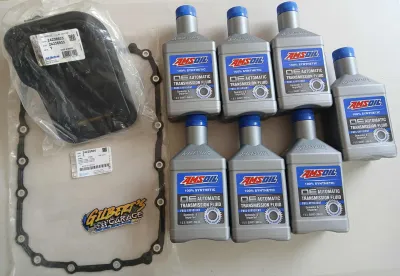
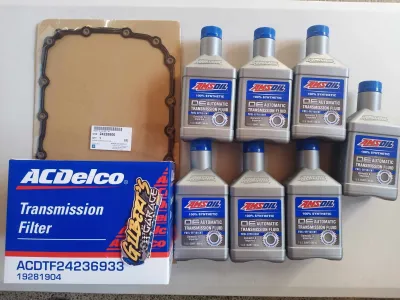
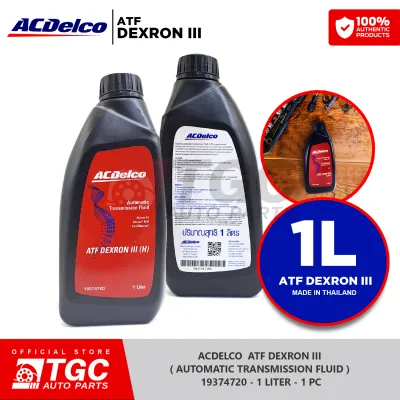
Prices are valid at publication and may change. Please refer to the product page for the latest price.
Counterfeit or substandard ATF is often composed of cheap, low-grade base oils or recycled hydraulic fluids that lack the sophisticated additive packages required for modern transmissions. When this inferior fluid is introduced into your Trailblazer, it fails to maintain its viscosity under high operating temperatures. This leads to rapid thermal breakdown, which manifests as erratic shifting, slipping gears, and severe transmission overheating. Over time, the lack of proper lubrication causes accelerated wear on the delicate clutch plates, planetary gears, and valve body.
The financial consequences of using fake fluid are severe. While a bottle of counterfeit ATF might save you a few hundred Philippine Pesos upfront, a complete automatic transmission rebuild or replacement can easily cost upwards of ₱100,000 to ₱150,000. This massive disparity highlights why verifying the authenticity of your transmission fluid is one of the most cost-effective maintenance habits you can adopt.
Inspecting the Packaging: Genuine vs. Fake ATF Bottles
Before you ever open a bottle of transmission fluid, a close physical inspection of the packaging can reveal crucial clues about its authenticity. Counterfeiters often struggle to replicate the high-precision manufacturing processes used by major oil brands, leaving behind distinct physical anomalies.

Start by examining the labels on the bottle. Genuine products feature high-resolution printing with sharp text, vibrant colors, and perfectly aligned graphics. On a counterfeit bottle, you will often spot blurry logos, pixelated text, or slight misalignments. Pay close attention to spelling; fakes frequently contain subtle typographical errors in technical descriptions.
Next, analyze the physical construction of the plastic bottle itself. Reputable manufacturers use high-quality, uniform molds that produce clean, smooth seams and a consistent plastic thickness. Counterfeit bottles often feel flimsy, exhibit rough or sharp plastic edges along the seams, and may have uneven bases. Inspect the integrated measuring strip on the side of the bottle; on genuine packaging, this strip is straight, clear, and precisely aligned, whereas fakes often have crooked or poorly defined lines.
The cap and its tamper-evident seal are critical security boundaries. A genuine bottle features a cap that is tightly sealed to the locking ring. If you notice that the cap is loose, spins freely without breaking the plastic ring, or has visible glue residue around the base, the bottle has likely been tampered with or refilled.
Additionally, check the printed manufacturing and batch codes on the back or bottom of the bottle. On authentic products, these codes are crisp and highly resistant to smudging. If the batch code rubs off easily when swiped with a finger, or if the printed manufacturing date is missing or logically inconsistent, treat the fluid with extreme suspicion.
Before purchasing, always verify your Trailblazer’s specific model year, transmission type, and exact fluid specification using the vehicle’s owner’s manual. Never assume compatibility based on generic product names.
Evaluating the Fluid: Color, Odor, and Consistency Checks
If you have already purchased the fluid or have access to an opened bottle, you can perform several physical tests to evaluate the oil’s quality. However, before handling any automotive fluids, check the product’s label and your vehicle’s manufacturer instructions for safety precautions. Always wear protective gloves, work in a well-ventilated area, and wash your hands thoroughly with soap and water immediately after handling. Use transmission fluids and care products only for their label-authorized applications, as a generic specification name does not guarantee safety for all internal seals, clutches, or sensors.
First, inspect the color of the fluid. Authentic, fresh ATF designed for the Trailblazer—which typically requires a GM Dexron VI specification—is a vibrant, translucent bright red. This distinctive dye is added to help identify leaks. If the fluid you pour out is a muddy brown, cloudy, or contains visible dark specks and sediment, it is highly likely to be counterfeit or severely degraded recycled oil.
Second, perform an odor check. Genuine automatic transmission fluid has a very distinct, slightly sweet, oily chemical smell that is relatively mild. In contrast, counterfeit fluids often emit a harsh, acrid odor reminiscent of burnt toast, or a strong chemical smell resembling cheap industrial solvents. This unpleasant scent is a common indicator of poorly refined or contaminated base stocks.
Third, test the texture and consistency of the fluid. Place a single drop of the oil between two gloved fingers and rub them together. Genuine ATF should feel incredibly smooth, slick, and light. If the fluid feels gritty, excessively sticky, or unusually watery, it lacks the precise viscosity and shear stability required for your Trailblazer’s hydraulic system. Do not proceed with pouring such fluid into your vehicle.
Using Official Verification Tools and Security Features
To combat the spread of counterfeit products in Southeast Asia, major lubricant manufacturers have integrated advanced security features into their packaging. Leveraging these official tools is one of the most reliable ways to verify that your trailblazer atf oil is genuine.
Many reputable brands place holographic stickers or multi-layered security labels on their bottles. These holograms should display clear, shifting patterns or hidden text when tilted under light. Some labels feature a dual-layer design where you can peel back the top layer to reveal a unique serial number or a scratch-off verification code.
QR codes are widely used for instant authentication. Authentic products often feature a QR code that, when scanned, directs you to the official regional website of the manufacturer to confirm the product’s batch validity. However, you must exercise caution: counterfeiters sometimes print fake QR codes that redirect users to sophisticated, spoofed websites designed to look like the official brand portal. Always inspect the browser’s URL carefully to ensure it matches the manufacturer’s official domain name, and avoid using unverified third-party scanning apps that do not display the destination URL before redirecting.
If the brand of ATF you are purchasing advertises specific security features for the Philippine market, but the bottle you hold lacks these features entirely, do not buy it. Reputable manufacturers maintain strict quality control, and the absence of localized security seals is a primary indicator of a counterfeit product.
Choosing Safe Purchasing Channels in the Philippines
The most effective way to avoid counterfeit transmission fluid is to be highly selective about where you shop. While it can be tempting to search for the lowest price online, purchasing from unverified sources significantly increases your risk of buying fake products.
Always prioritize buying your ATF from authorized Chevrolet dealerships, official brand-specific service centers, or long-established, highly reputable auto supply physical stores. These businesses maintain direct supply chains with official distributors, ensuring the product’s pedigree.
When shopping on major e-commerce platforms, take extra precautions. Limit your purchases to official flagship stores or sellers with verified badges that indicate they are authorized retail partners. Take the time to read customer reviews thoroughly, paying close attention to any feedback that mentions leaking bottles, poor packaging, or suspicious fluid consistency. Be skeptical of reviews that seem overly generic or repetitive, as these can sometimes be fabricated.
Price is another major red flag. If you find a listing for trailblazer atf oil that is priced significantly below the standard market rate—such as ₱300 per liter when authorized dealers sell it for ₱700—it is highly likely to be a counterfeit. Genuine, high-quality synthetic fluids require expensive additives and base oils, making steep discounts economically unfeasible for legitimate sellers. Finally, always request a formal, BIR-registered official receipt from the seller, as legitimate businesses will provide this without hesitation.
Steps to Take If You Suspect a Counterfeit Purchase
If you suspect that the ATF you purchased is counterfeit, do not put it in your Trailblazer under any circumstances. Pouring even a small amount of substandard fluid into your transmission can contaminate the entire system and initiate immediate wear on internal components.
If you bought the fluid online, document the product thoroughly. Take high-resolution photos and videos of the packaging defects, the blurry labels, or any failed security verification screens. File a formal return and refund request through the e-commerce platform’s buyer protection program, citing counterfeit goods as the reason. Keep all original packaging, shipping labels, and receipts intact to support your claim.
For physical store purchases, return to the shop with your official receipt and politely request a refund, pointing out the specific discrepancies you discovered. You should also report the incident to the Department of Trade and Industry (DTI) or the manufacturer’s local office in the Philippines to help authorities crack down on vendors selling illegal, counterfeit automotive products.
If you realize the fluid was counterfeit only after it was already added to your Trailblazer’s transmission, do not drive the vehicle. Operating the vehicle will circulate the contaminated fluid through the torque converter, valve body, and clutch packs, making it much harder to clean. Instead, have your SUV towed to a professional service center. Instruct a qualified mechanic to perform a comprehensive transmission flush and refill using verified, genuine ATF that meets the exact specifications detailed in your owner’s manual. Because transmission work involves critical vehicle systems, always consult your original-vehicle instructions and seek qualified professional installation or servicing if you are unsure of the procedure.
Frequently Asked Questions (FAQ)
Can I mix different ATF brands if I need to top up my Trailblazer?
Mixing different ATF brands or specifications is highly discouraged. Each manufacturer formulates their fluid with a unique blend of chemical additives, friction modifiers, and viscosity improvers designed to work harmoniously. When you mix different brands or incompatible specifications, these additives can react chemically, leading to fluid foaming, accelerated oxidation, or a loss of essential lubricating properties. If you suspect that an incorrect or substandard fluid has been mixed into your Trailblazer’s transmission, do not simply top it up. Instead, have a qualified professional perform a complete system flush and refill with fresh, genuine fluid matching your vehicle’s specifications.
Does the color of the ATF always prove if it is genuine or fake?
No, the color of the fluid is not a foolproof indicator of authenticity. While genuine new ATF for the Trailblazer is typically a bright, translucent red, counterfeiters are fully aware of this visual expectation and often dye cheap, low-grade industrial oils to match the correct hue perfectly. Furthermore, genuine transmission fluid naturally darkens over time and use, turning from bright red to a deeper brown due to normal heat exposure and suspended microscopic debris. Therefore, while a cloudy or muddy fluid out of a new bottle is a clear sign of a fake, a bright red color alone does not guarantee a product is genuine. You must always combine visual checks of the fluid with a thorough inspection of the packaging, security features, and purchasing channels.
Community discussion
Share your experience or ask a question. Comments are reviewed before publication.